Are Pinto Beans Healthy? Nutrition Facts & Benefits
Discover the powerful nutritional profile and health benefits of pinto beans for your diet.
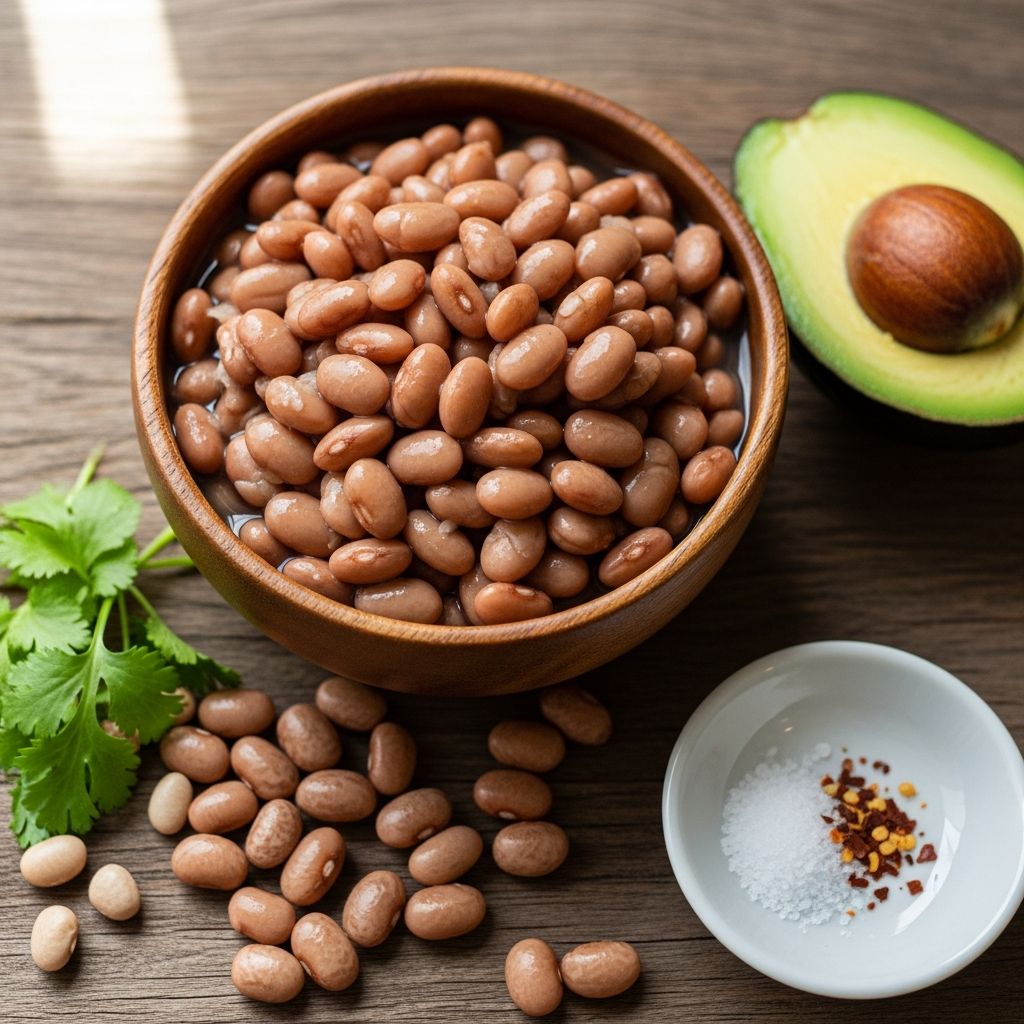
Are Pinto Beans Healthy? A Complete Nutritional Guide
Pinto beans are among the most nutritious and affordable legumes available, offering an impressive array of vitamins, minerals, protein, and fiber. These versatile beans have earned recognition as a superfood due to their exceptional nutritional density and potential to support long-term health and disease prevention. Whether you’re following a plant-based diet, managing a chronic condition, or simply looking to improve your overall nutrition, pinto beans deserve a prominent place on your plate.
Nutritional Profile of Pinto Beans
Understanding the nutritional composition of pinto beans is essential for appreciating their health benefits. One cup (171 grams) of cooked pinto beans provides substantial amounts of key nutrients:
- Calories: 245
- Carbohydrates: 45 grams
- Protein: 15 grams
- Fiber: 15 grams
- Fat: 1 gram
- Sodium: 407 mg (when prepared with salt)
In addition to macronutrients, pinto beans are rich in essential vitamins and minerals that your body requires for optimal functioning. These include thiamine (vitamin B1) at 28% of the Daily Value, iron at 20% of the Daily Value, magnesium at 21% of the Daily Value, phosphorus at 20% of the Daily Value, and potassium at 16% of the Daily Value. They also provide smaller amounts of zinc, calcium, riboflavin, vitamin E, and other B vitamins.
When prepared without added salt or other additives, pinto beans are naturally cholesterol-free and low in fat and sodium, making them an ideal choice for those managing heart health or following dietary restrictions.
Outstanding Protein Source for Plant-Based Diets
One of the most notable attributes of pinto beans is their high protein content. A half-cup serving of cooked pinto beans provides 8 grams of protein, making them an excellent protein source for vegetarians, vegans, and anyone seeking plant-based alternatives to animal products.
However, it’s important to note that pinto beans are not a complete protein, meaning they do not contain all nine essential amino acids that your body cannot produce on its own. To ensure adequate intake of all essential amino acids, those relying on plant-based sources should combine pinto beans with complementary foods such as whole grains, nuts, seeds, or other legumes. This combination approach—known as protein pairing—allows plant-based eaters to meet their complete protein requirements.
Exceptional Fiber Content for Digestive Health
Dietary fiber stands out as one of the most significant nutritional components of pinto beans. Each half-cup serving delivers 8 grams of fiber, substantially contributing to daily fiber recommendations. For context, women should aim for 25 grams of fiber daily, while men should target 38 grams. One cup of boiled pinto beans provides 40–60% of the Daily Value for fiber, depending on sex.
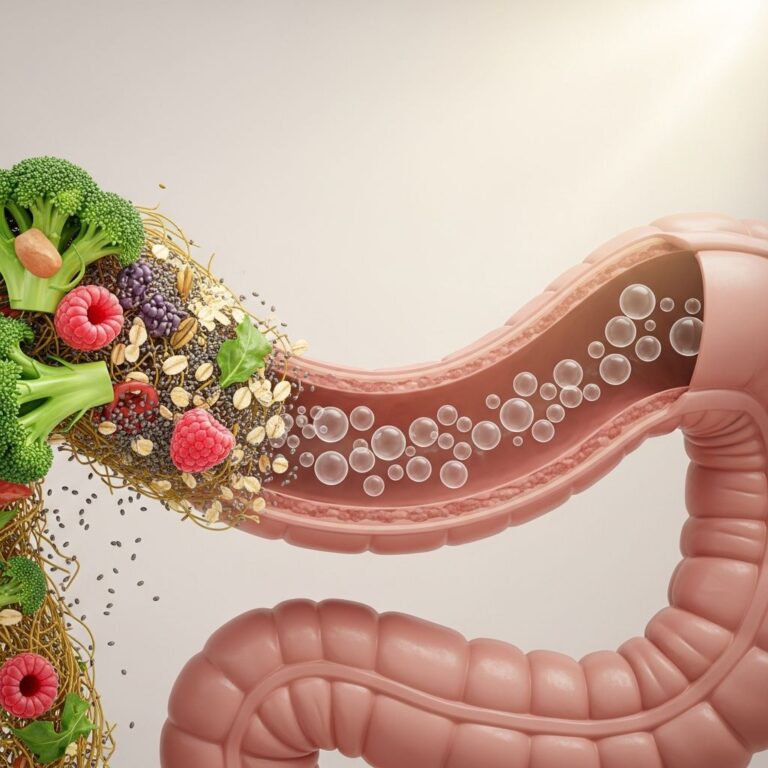
The fiber in pinto beans offers multiple health benefits. It feeds beneficial bacteria in your gut microbiome, promoting digestive health and regularity. Beyond digestion, adequate fiber intake has been linked to improved heart health, better blood sugar control, proper digestive function, enhanced gut health, and even weight loss. This makes pinto beans particularly valuable for those managing constipation, seeking to maintain a healthy weight, or working to prevent metabolic diseases.
Low-Glycemic Food for Blood Sugar Management
Despite containing significant amounts of carbohydrates, pinto beans have a low glycemic index (GI), meaning they do not cause rapid spikes in blood sugar levels. This favorable characteristic occurs because pinto beans are digested and absorbed slowly, providing a steady release of glucose into the bloodstream.
Related Stories



The low-glycemic nature of pinto beans is particularly beneficial for individuals with type 2 diabetes or those at risk of developing this condition. Research published in peer-reviewed journals has demonstrated that consuming legumes, including pinto beans, can help regulate hemoglobin A1c levels and improve overall glucose control. In one notable study, subjects with type 2 diabetes who consumed approximately one cup of legumes daily for three months showed a notable decrease in hemoglobin A1c, indicating improved long-term blood sugar management.
The high fiber and protein content work synergistically to slow sugar absorption, making pinto beans an excellent addition to any diabetes management or prevention strategy.
Rich in Powerful Antioxidants
Pinto beans contain numerous antioxidants that protect your cells from damage caused by free radicals—unstable molecules that contribute to aging and disease development. These antioxidants include polyphenols and flavonoids, with pinto beans being particularly rich in kaempferol, a flavonoid with impressive health properties.
Research, including animal and test-tube studies, has linked kaempferol to repressed cancer growth and reduced inflammation. Additionally, the anti-inflammatory and antimicrobial properties of these compounds may help prevent and even support treatment of certain diseases, potentially including some forms of cancer. While more human research is needed, the antioxidant profile of pinto beans suggests they may play a role in long-term disease prevention strategies.
Supports Heart Health and Cholesterol Management
Cardiovascular health is one of the most significant areas where pinto beans demonstrate measurable benefits. Multiple mechanisms explain their heart-protective effects:
Cholesterol Reduction
Research published in the Journal of the American College of Nutrition demonstrated that consuming approximately half a cup of pinto beans daily can help reduce total cholesterol and LDL (bad) cholesterol levels. This benefit occurs partly because replacing high-fat protein sources with pinto beans reduces dietary fat intake, which is a primary determinant of blood cholesterol levels.
Additionally, regular pinto bean consumption encourages production of propionate, a short-chain fatty acid (SCFA) that has been shown to help lower both blood cholesterol and blood pressure levels.
Blood Pressure Management
Pinto beans contain minerals essential for blood pressure regulation, particularly magnesium and potassium. These minerals help prevent high blood pressure, which is a crucial risk factor for heart disease. By incorporating pinto beans into your diet, you’re actively supporting your cardiovascular system through multiple nutritional pathways.
Overall Cardiovascular Protection
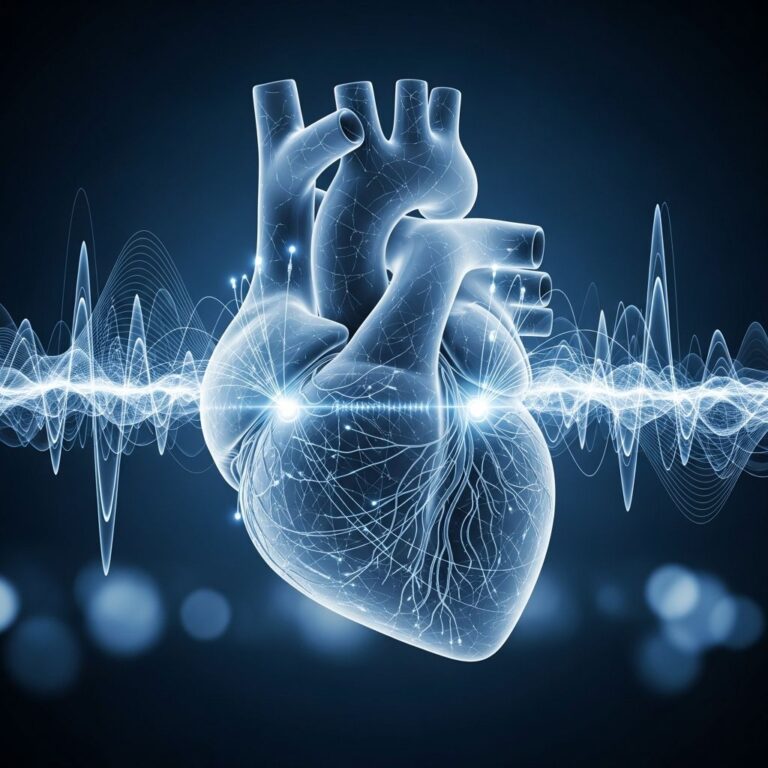
The combination of high fiber, protein, antioxidants, and minerals makes pinto beans a comprehensive heart-health food. The fiber content reduces cholesterol, the minerals help manage blood pressure, and the antioxidants reduce inflammation—all critical factors in preventing heart disease.
May Support Weight Loss and Weight Management
If weight management is a goal, pinto beans offer substantial support through multiple mechanisms. They are exceptionally rich in both protein and fiber, two nutrients renowned for promoting satiety—the feeling of fullness that helps control appetite and reduce overall calorie intake.
Multiple scientific studies have linked bean intake to increased feelings of fullness, lower body weight, and smaller waist circumference measurements. When you feel fuller for longer after eating, you naturally consume fewer calories throughout the day, supporting gradual, sustainable weight loss. This makes pinto beans an ideal food for those seeking to improve their body composition without relying on restrictive dieting.
Versatility and Practical Preparation
Beyond their nutritional excellence, pinto beans offer practical advantages. They are affordable, widely available, and remarkably easy to prepare. Whether you’re making burritos, soups, salads, wraps, or incorporating them into grain bowls, pinto beans adapt seamlessly to diverse cuisines and cooking styles. Dried pinto beans require soaking and cooking, while canned varieties offer convenience—though it’s worth noting that canned versions may contain added sodium, sugar, or other preservatives, so checking labels is recommended.
Important Considerations When Choosing Pinto Beans
While pinto beans are overwhelmingly beneficial, a few practical considerations deserve mention. If sodium intake is a concern, opt for dried pinto beans you cook yourself and prepare without added salt, or rinse canned beans to reduce sodium content. When selecting canned varieties, check ingredient labels to avoid unwanted additions like excess sugar or salt. Dried beans, while requiring more preparation time, allow complete control over ingredients and flavoring.
Frequently Asked Questions
Q: Are pinto beans complete proteins?
A: No, pinto beans are incomplete proteins as they don’t contain all nine essential amino acids. Combine them with whole grains, nuts, or seeds to create complete protein meals.
Q: How much fiber do pinto beans contain?
A: One cup of cooked pinto beans provides approximately 15 grams of fiber, which represents 40–60% of the daily recommended intake depending on age and sex.
Q: Can pinto beans help with blood sugar control?
A: Yes, pinto beans are a low-glycemic food that is slowly digested and absorbed, making them beneficial for blood sugar management and diabetes prevention.
Q: Are canned pinto beans as nutritious as dried ones?
A: Canned pinto beans retain most nutritional benefits, but they may contain added sodium or sugar. Rinsing canned beans reduces sodium content, or choose no-salt-added varieties.
Q: How often should I eat pinto beans?
A: Research suggests regular consumption—such as half a cup daily—optimizes health benefits for cholesterol and blood sugar management.
Q: Do pinto beans cause digestive discomfort?
A: While beans can cause gas in some people, this effect typically diminishes as your gut microbiome adapts to increased fiber intake. Rinsing canned beans and thorough cooking of dried beans may also minimize digestive discomfort.
Conclusion
Pinto beans represent an exceptional nutritional investment that delivers substantial returns for your health. Their impressive combination of protein, fiber, vitamins, minerals, and antioxidants makes them effective for supporting heart health, managing blood sugar, promoting weight loss, and reducing chronic disease risk. Whether you’re vegetarian, vegan, or simply seeking to optimize your nutrition, pinto beans deserve regular inclusion in your diet. Their affordability, versatility, and ease of preparation remove barriers to consumption, making it simple to harness their remarkable health benefits.
References
- Are Pinto Beans Healthy? — Seniors Guide. https://www.seniorsguide.com/health/pinto-beans/
- 7 Health and Nutrition Benefits of Pinto Beans — Healthline. https://www.healthline.com/nutrition/pinto-beans-nutrition
- Pinto Beans Nutrition Facts, Health Benefits and Recipes — Dr. Axe. https://draxe.com/nutrition/pinto-beans/
- Facts About Beans and Health — Meatless Monday / Johns Hopkins Bloomberg School of Public Health. https://meatlessmonday.publichealth.jhu.edu/resources/facts-about-beans-and-health
Similar Articles








Read full bio of medha deb