Are Potatoes Healthy? Comprehensive Guide To Benefits And Risks
Uncover the nutritional truth about potatoes: benefits, risks, and smart ways to include them in your diet for optimal health.
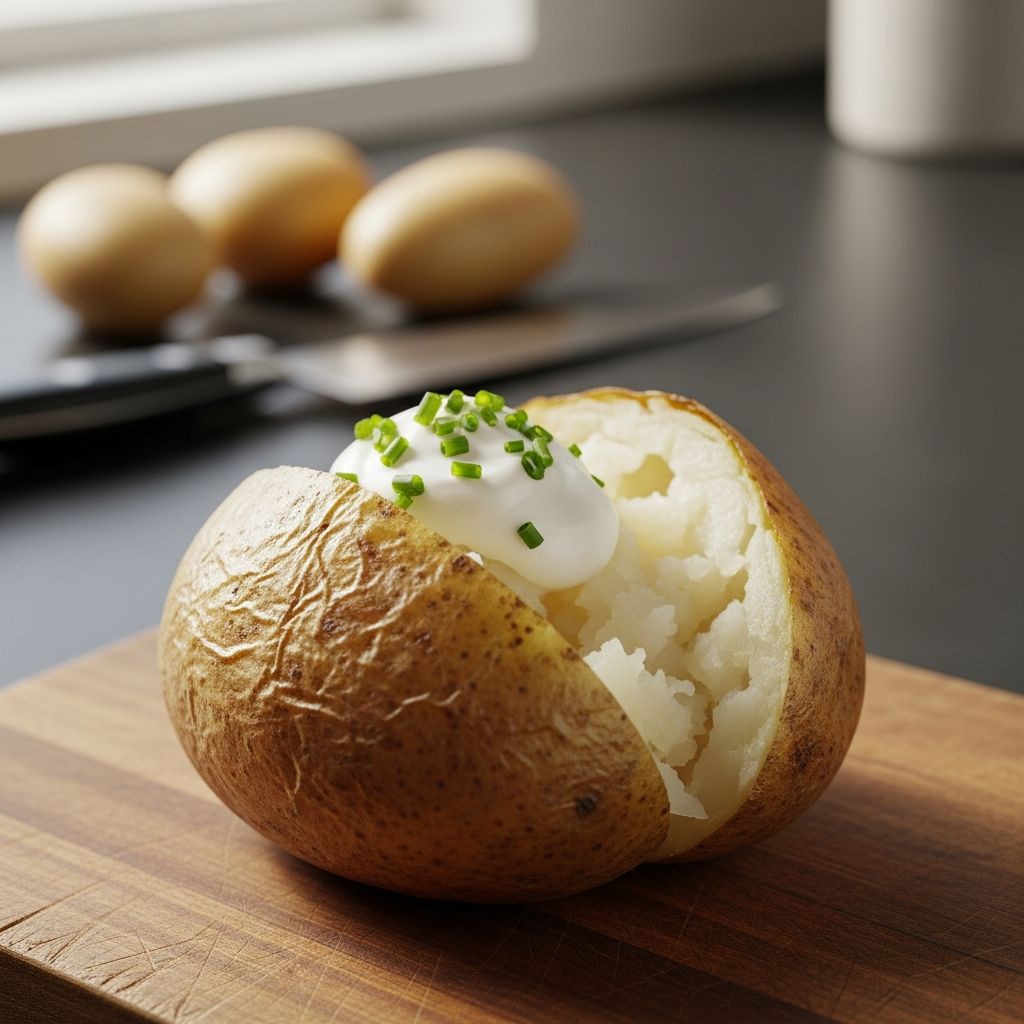
Potatoes are a versatile, affordable staple in many diets worldwide, but their health impact sparks debate due to their carbohydrate content and glycemic effects. While rich in
potassium
,vitamin C
, andfiber
—especially with skin on—they can contribute to blood sugar spikes if overconsumed or poorly prepared. Moderation, skin-on cooking, and balanced pairings make them a nutritious choice.Potato Nutrition Facts
A medium 5.3 oz (150g) skin-on potato delivers
110 calories
, 0g fat, 0mg cholesterol, 2g fiber (7% DV), 27mgvitamin C
(30% DV), 620mgpotassium
(15% DV), and 10% DV vitamin B6. These nutrients support immune function, muscle performance, and heart health. Potassium, an electrolyte lost in sweat, aids fluid balance and outperforms bananas (422mg per medium fruit). Iron (6% DV) helps oxygen transport to muscles.Compared to sweet potatoes, white potatoes provide similar vitamin C, potassium, and protein (3g vs. 2g), with both naturally fat-, cholesterol-, and sodium-free. A baked russet potato (medium) offers 164 calories, 37% women’s potassium DV (28% men’s), and 4g fiber—key for cholesterol management and blood pressure.
| Nutrient (Medium Skin-On Potato, 5.3oz) | Amount | % Daily Value |
|---|---|---|
| Calories | 110 | – |
| Carbohydrates | 26g | 9% |
| Protein | 3g | 6% |
| Fiber | 2g | 7% |
| Vitamin C | 27mg | 30% |
| Potassium | 620mg | 15% |
| Vitamin B6 | 0.2mg | 10% |
| Iron | 1.1mg | 6% |
Potatoes rank high in carbohydrate quality scores (CFQS), similar to legumes, due to low energy density when skin-on.
Health Benefits of Potatoes
Potatoes excel as a
nutrient-dense vegetable
, providing sustainable energy from complex carbs. Theirvitamin C
boosts immunity and collagen production; one potato meets 30% daily needs.Potassium
(544mg/100g baked) counters sodium for blood pressure control, reducing stroke risk. Foods like potatoes, low in sodium, support cardiovascular health.- Heart Health: High potassium and fiber improve cholesterol and blood pressure. A medium potato gives 37% women’s potassium RDA.
- Muscle Function: Potassium and B6 aid electrolyte balance and protein metabolism for athletes.
- Antioxidants: Colored varieties (purple/yellow) reduce inflammation markers like C-reactive protein over 6 weeks.
- Weight Management: Low-calorie (92kcal/100g baked), satiety-promoting; studies show potatoes fit weight loss diets without eliminating them.
- Diet Quality: Inclusion raises overall diet quality in children/adults vs. exclusion.
In trials, potatoes matched rice/bagels for glycemic control when isocaloric, and purple potatoes lowered systolic blood pressure.
Potential Downsides of Potatoes
Potatoes’ high
glycemic index
(GI) causes rapid blood sugar rises, linked to type 2 diabetes (T2DM) risk in high intakes (>100g/day). Meta-analyses show linear risk increase per serving, but most Americans consume <0.5 servings/day, where effects are neutral/positive. Boiling leaches potassium; processed forms (fries) add unhealthy fats.- High starch converts to glucose quickly, problematic for diabetes.
- Acrylamide forms in high-heat cooking (frying/baking >120°C), a potential carcinogen.
- Low in some vitamins if peeled; fiber mostly in skin (2-3g medium potato).
High potato diets correlate with diabetes/high BMI, but causation unclear—often paired with unhealthy prep.
Related Stories



Are Potatoes Healthier Than Other Carbs?
Versus rice/bread, potatoes offer more potassium/vitamin C but similar GI. Isocaloric swaps show equivalent glucose responses. On Healthy Eating Plate, not a “vegetable” due to starch, but moderate intake (skin-on, minimal oil) fits balanced diets a few times weekly.
| Food (Medium/Serving) | Calories | Potassium (mg) | Fiber (g) | Vitamin C (%DV) |
|---|---|---|---|---|
| White Potato (skin-on) | 110 | 620 | 2 | 30 |
| Sweet Potato | 100 | 440 | 4 | 30 |
| Banana | 105 | 422 | 3 | 15 |
| White Rice (1 cup cooked) | 205 | 55 | 1 | 0 |
Potatoes edge out grains in nutrient density.
How to Prepare Potatoes for Optimal Health
Maximize benefits by keeping skin, avoiding deep-frying. Bake, boil, steam, or microwave; pair with proteins/fats to blunt GI.
- Bake/Roast: Skin-on at 400°F; rub with olive oil for crispiness.
- Microwave: Retains nutrients; poke holes, 5-7 min.
- Boil/Steam: Minimal leaching if brief; cool for resistant starch.
- Avoid: Frying (adds 300+ calories/serving), heavy toppings (sour cream lowers quality score).
Resistant starch forms when cooled (e.g., potato salad), aiding gut health.
Can You Eat Potatoes Every Day?
Yes, in moderation (3-5 servings/week, ~100g/day) within varied diets. Exceeding raises T2DM risk; balance with greens, proteins. Athletes benefit from energy/potassium. Trials confirm no adverse effects in controlled amounts.
Potatoes and Weight Loss
Potatoes promote satiety despite carbs; studies show weight loss possible with inclusion, focusing on total calories. Low energy density aids portion control.
Best Types of Potatoes to Eat
- Russet: Baking, high potassium.
- Sweet: Beta-carotene, fiber.
- Colored (Purple/Yellow): Antioxidants, lower inflammation.
- Yukon Gold/Red: Boiling, creamy texture.
Potato Recipes for Health
Baked Potato with Veggies: Top with broccoli, salsa, yogurt. Potato Soup: Blend boiled potatoes, stock, greens. Roasted Wedges: Toss in herbs/olive oil.
Frequently Asked Questions (FAQs)
Are potatoes a vegetable or a carb?
Botanically a vegetable, nutritionally a starchy carb like grains on plates like Harvard’s Healthy Eating Plate.
Do potatoes cause weight gain?
No, if calories controlled; their fiber/potassium supports satiety and loss.
Are french fries healthy?
No—frying adds fats/acrylamide; opt for baked versions.
Can diabetics eat potatoes?
In small amounts (<100g/day), skin-on, cooled for resistant starch; monitor blood sugar.
Which is healthier: potatoes or rice?
Potatoes win on nutrients; both high GI—prep/pairing matters.
Should you eat potato skins?
Yes—most fiber/nutrients there (2-3g).
References
- Potato Nutrition Facts | Nutrients, Calories, Benefits of a Potato — Potato Goodness. 2023. https://potatogoodness.com/nutrition/
- Are Potatoes Healthy? – The Nutrition Source — Harvard T.H. Chan School of Public Health. 2023-10-12. https://nutritionsource.hsph.harvard.edu/potatoes/
- Perspective: Potatoes, Quality Carbohydrates, and Dietary Patterns — PMC / National Library of Medicine. 2024-01-15. https://pmc.ncbi.nlm.nih.gov/articles/PMC10831888/
- Pass the potatoes, or take a pass? Here’s expert advice — American Heart Association. 2023-11-21. https://www.heart.org/en/news/2023/11/21/pass-the-potatoes-or-take-a-pass-heres-expert-advice
Similar Articles








Read full bio of medha deb