Are Protein Bars Unhealthy? 6 Expert Answers
Unpacking the truth behind protein bars: convenience or hidden health risks in every bite?
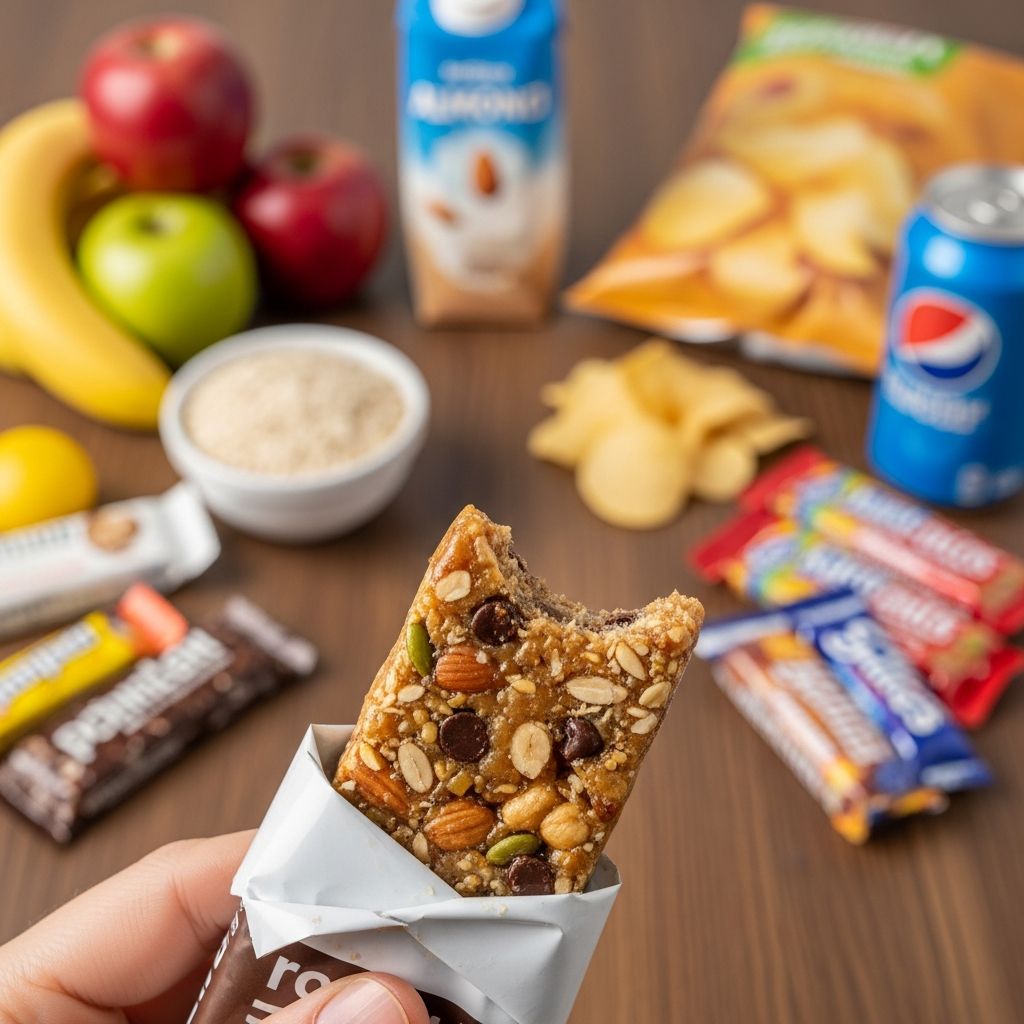
Protein bars have surged in popularity as a convenient snack for busy people, gym enthusiasts, and those seeking to boost their protein intake. Marketed as healthy on-the-go options, they promise muscle support, satiety, and nutrition in a portable package. However, a closer look reveals they are often highly processed foods loaded with sugars, saturated fats, and calories comparable to chocolate bars. While they can fit into a balanced diet for specific needs, many protein bars fall short of true healthfulness, prompting questions about their role in daily eating.
What Are Protein Bars?
Protein bars are pre-packaged snacks designed to deliver a concentrated dose of protein, typically ranging from 10 to 30 grams per bar. They emerged in the 1980s for bodybuilders but exploded in mainstream appeal during the high-protein diet trends of the 2010s. Today, they line supermarket shelves, gas stations, and vending machines, with varieties targeting weight loss, muscle gain, or meal replacement.
Common ingredients include protein isolates (whey, soy, pea, or casein), sweeteners (sugar, syrups, sugar alcohols), binders (maltitol, glycerin), flavorings, and coatings like chocolate or yogurt. An average bar weighs around 55g and costs about $2-3, making it pricier than natural alternatives. Production has boomed, with nearly 500% growth in high-protein products in Ireland from 2010-2016, reflecting global trends.
Nutritional Breakdown of Protein Bars
While protein content impresses, the full nutrition label often disappoints. A Safefood analysis of 39 Irish protein bars found chocolate as the primary ingredient in nearly 40%, with 77% high in saturated fat, plus added sugars and salt. Average calories matched chocolate bars, despite health halo perceptions—one-third of consumers wrongly viewed them as healthy.
| Nutrient | Average per 55g Bar | Comparison to Chocolate Bar |
|---|---|---|
| Calories | 200-250 | Similar (220 kcal avg) |
| Protein | 15-20g | Lower (5-8g) |
| Saturated Fat | High (77% of bars) | Comparable |
| Added Sugars | 10-15g | Often higher |
| Sodium | 200-400mg | Similar |
Sugar alcohols like maltitol cause digestive issues in excess, while artificial sweeteners may disrupt gut health. Fiber claims are often low-quality from chicory root, not whole grains.
Health Concerns: The Downsides of Protein Bars
Primary issues stem from processing: to mask protein’s chalky taste, manufacturers add sugars, fats, and salts. This creates ultra-processed foods linked to obesity, heart disease, and inflammation per broader research. High saturated fat risks cardiovascular strain, while excess sugars spike blood glucose.
Over-reliance displaces whole foods, leading to nutrient gaps. A 2021 U.S. dietary brief showed average intake already at 1.2-1.4g/kg body weight—above the old 0.8g/kg RDA—meaning most don’t need extra processed protein. New guidelines suggest 1.2-1.6g/kg for broader populations, but experts question the hike without clear benefits for sedentary adults.
- High Calories: Easy to overconsume, undermining weight goals.
- Saturated Fats & Sugars: 77% high in fats; chocolate in 40%.
- Digestive Woes: Sugar alcohols cause bloating, gas.
- Contaminants: Heavy metals like lead in some plant-based bars (Consumer Reports).
Are There Benefits to Eating Protein Bars?
Not all are villains. For athletes, post-workout timing aids muscle repair—whey protein absorbs quickly. Vegans benefit from pea/rice blends. Convenient for travel when whole foods aren’t feasible.
Related Stories



High-protein diets (1.2-2g/kg) link to weight loss and preserved muscle in aging, countering sarcopenia. One review showed greater BMI reductions vs. low-protein. However, benefits accrue from total diet, not isolated bars. Moderation is key: 2g/kg safe for healthy adults if balanced.
Who Should Eat Protein Bars?
- Athletes/Active Individuals: Post-exercise recovery (20-30g protein within 30-60 min).
- Older Adults: Combat muscle loss (1-1.2g/kg daily).
- Meal Skippers: Bridge gaps, but prioritize whole meals.
- Avoid for: Sedentary people, diabetics (sugar spikes), kidney patients (excess protein strains).
Most get ample protein from diet—men average 97g/day, women 69g—exceeding needs.
How to Choose a Healthier Protein Bar
Scan labels rigorously:
- Protein First: 15-25g from whole sources (nuts, whey concentrate over isolates).
- Low Sugar: <8g added; prefer dates, monk fruit.
- Minimal Ingredients: <10 total; avoid syrups, oils.
- Fiber & Fat Balance: 3-5g fiber; healthy fats from nuts.
- No ‘Sugar Alcohol’ Trap: Limit to <5g.
Top picks: Barebells, RXBAR (date-based), Quest (low-carb). Check third-party testing (NSF, Informed Choice) for purity.
Healthier Alternatives to Protein Bars
Opt for nature’s originals—cheaper, nutrient-dense, unprocessed.
| Alternative | Protein (per serving) | Calories | Benefits |
|---|---|---|---|
| Greek Yogurt (170g) | 15-20g | 100-150 | Probiotics, calcium |
| Handful Almonds (30g) | 6g | 160 | Healthy fats, fiber |
| Hard-Boiled Eggs (2) | 12g | 140 | Complete protein, vitamins |
| Cottage Cheese (1/2 cup) | 14g | 100 | Low-fat option |
| Edamame (1 cup) | 17g | 190 | Plant-based, fiber-rich |
Homemade bars with oats, nut butter, protein powder offer control. Dr. Conlon recommends milk, yogurt, or nuts over bars.
Expert Opinions on Protein Bars
Nutritionists urge caution. “Many are highly processed with calories like chocolate,” says Dr. Catherine Conlon of Safefood. Alice Lichtenstein (Tufts) questions upped protein RDAs without evidence. Bridget Cassady (RDN) notes no official upper limit, but balance prevents issues like kidney strain or leucine overload risking heart health.
Consensus: Whole foods superior; bars as occasional tools.
Frequently Asked Questions (FAQs)
Are protein bars good for weight loss?
Some aid satiety, but high calories/sugars sabotage if overeaten. Pair with calorie deficit; choose <200 kcal, high-protein options.
Can protein bars replace meals?
Not ideally—lacking micronutrients. Use sparingly; prioritize balanced plates.
Do protein bars cause digestive problems?
Yes, sugar alcohols (maltitol) ferment in gut, causing gas/bloating. Limit intake.
Are plant-based protein bars healthier?
Not always—may have heavy metals, incomplete proteins. Check labels.
How many protein bars per day?
1 max for active people; none if diet suffices. Excess risks nutrient imbalance.
Are protein bars safe for kidneys?
Avoid if impaired—high protein taxes filtration. Healthy kidneys handle 2g/kg.
References
- Protein bars not as healthy as people think — Irish Health Pro / Safefood. 2018-approx (authoritative nutrition authority report). https://www.irishhealthpro.com/content/news/show/name/protein-bars-not-as-healthy-as-people-think
- Is there such a thing as ‘too much’ protein? — Live Science. 2025 (recent, cites Dietary Guidelines, peer-reviewed studies). https://www.livescience.com/health/food-diet/is-there-such-a-thing-as-too-much-protein
Similar Articles








Read full bio of medha deb