Are Protein Shakes Good for Weight Loss?
Discover if protein shakes aid weight loss, how they work, best types, and expert tips for effective use in your diet.
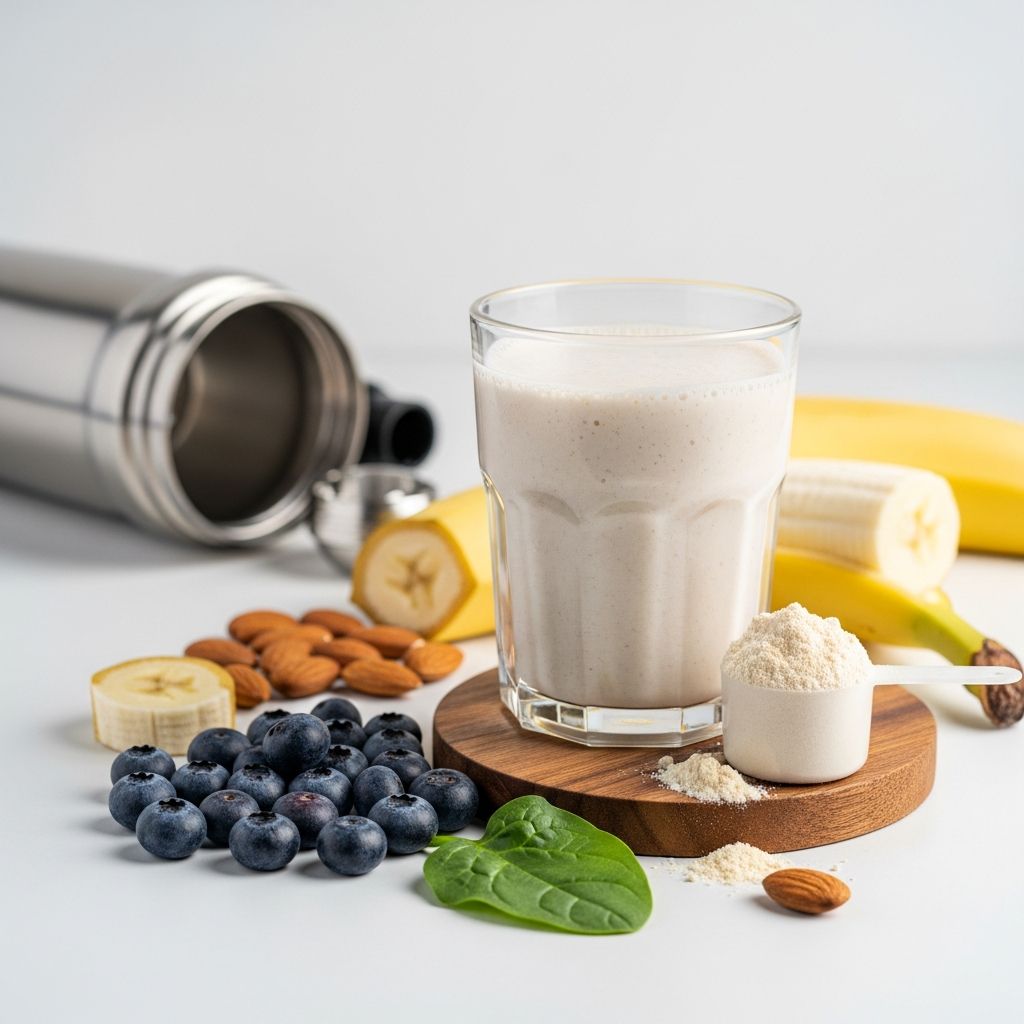
Protein shakes can be a valuable tool for weight loss when used strategically as part of a calorie-controlled diet. They help increase protein intake, which promotes satiety, boosts metabolism, and preserves muscle mass during fat loss. Research shows high-protein diets lead to greater weight reduction compared to standard diets, with shakes offering a convenient way to achieve this.
What Is a Protein Shake?
A
protein shake
is a blended beverage typically made from protein powder mixed with water, milk, or plant-based alternatives, often enhanced with fruits, vegetables, or nut butters. These shakes provide 20-30 grams of protein per serving, making them an easy way to meet daily protein needs without excess calories. Unlike whole foods, they digest quickly, delivering amino acids to support muscle repair and hunger control.Common ingredients include whey, casein, soy, pea, or hemp protein powders. Whey is fast-absorbing, ideal post-workout, while casein provides sustained release. Plant-based options suit vegans and those with dairy intolerances. A typical shake might contain 120-200 calories, depending on add-ins, fitting well into weight loss plans.
Can Protein Shakes Help You Lose Weight?
Yes, protein shakes support weight loss primarily by facilitating a
calorie deficit
while maximizing protein benefits. Studies demonstrate that increasing protein intake beyond the RDA (0.8g/kg body weight) reduces overall calorie consumption naturally, leading to 5kg loss over 12 weeks without other changes. A 2023 trial found participants using shakes as meal replacements lost 6.4kg in 12 weeks.Protein shakes excel in convenience for busy lifestyles, replacing higher-calorie meals. When they displace carbs or fats, they enhance the thermic effect of food (TEF), burning up to 30% of protein calories during digestion—versus 5-10% for carbs and 0-3% for fats. This metabolic boost can increase daily calorie burn by 100-200 calories.
How Protein Promotes Weight Loss
Protein drives weight loss through multiple mechanisms:
- Increased Satiety: Protein raises hormones like GLP-1 and cholecystokinin while lowering ghrelin, curbing hunger. One study showed a 15% protein increase led to 400 fewer daily calories.
- Higher Thermic Effect: Digesting protein burns more calories, leaving fewer for fat storage.
- Metabolism Boost: Swapping carbs/fats for protein elevates resting metabolic rate.
- Muscle Preservation: High protein plus resistance training prevents muscle loss in calorie deficits, maintaining metabolism.
- Reduced Regain: Higher protein post-weight loss lowers regain risk.
Protein Shakes vs. Whole Food Protein Sources
| Aspect | Protein Shakes | Whole Foods (e.g., Chicken, Eggs) |
|---|---|---|
| Convenience | Quick prep, portable | Requires cooking/time |
| Protein per Calorie | High (20-30g/150 cal) | Moderate (25g/200 cal chicken breast) |
| Micronutrients | Low unless fortified | Rich in vitamins/minerals |
| Digestion Speed | Fast (whey) | Slower, sustained |
| Cost | $1-2/serving | Varies, often cheaper long-term |
Shakes complement whole foods but shouldn’t replace them entirely. Experts recommend 80% protein from food, 20% from supplements for nutrient density.
Best Protein Powders for Weight Loss
Select powders low in sugar (<5g/serving) and additives. Top options:
- Whey Isolate: 25-30g protein, low lactose, post-workout.
- Casein: Slow-digesting for bedtime satiety.
- Plant-Based (Pea/Rice Blend): Complete amino profile, vegan-friendly.
- Collagen: Supports skin/joints, pairs with other proteins.
Related Stories



Look for third-party testing (NSF/USP) to ensure purity. Flavors like vanilla/chocolate mix well for meal replacements.
How Much Protein Do You Need for Weight Loss?
Aim for
1.6-2.2g protein per kg body weight
(0.7-1g/lb) during weight loss—double the RDA. For a 70kg person: 112-154g daily. Divide across meals: 25-40g/meal maximizes muscle protein synthesis. Active individuals or those strength training need the higher end to preserve lean mass.Example daily intake for 80kg person (176lbs) losing weight:
- Breakfast: 30g (shake or eggs)
- Lunch: 40g (chicken salad)
- Dinner: 40g (fish)
- Snacks/Post-workout: 30-40g (shake or yogurt)
Sample Meal Plan with Protein Shakes
1,800-Calorie Day (Moderate Activity):
| Meal | Food | Protein (g) | Calories |
|---|---|---|---|
| Breakfast | Protein shake (whey + berries + spinach) | 30 | 250 |
| Lunch | Grilled chicken salad (100g chicken) | 35 | 400 |
| Afternoon Snack | Greek yogurt + almonds | 20 | 250 |
| Dinner | Salmon (150g) + veggies + quinoa | 40 | 500 |
| Post-Workout Shake | Whey isolate + banana | 25 | 200 |
| Total | 150g | 1,600 |
Adjust based on needs; track via apps like MyFitnessPal.
Potential Downsides of Protein Shakes
While safe, consider:
- Added Sugars/Calories: Some have 20g+ sugar, negating benefits.
- Digestive Issues: Lactose intolerance with whey; bloating from isolates.
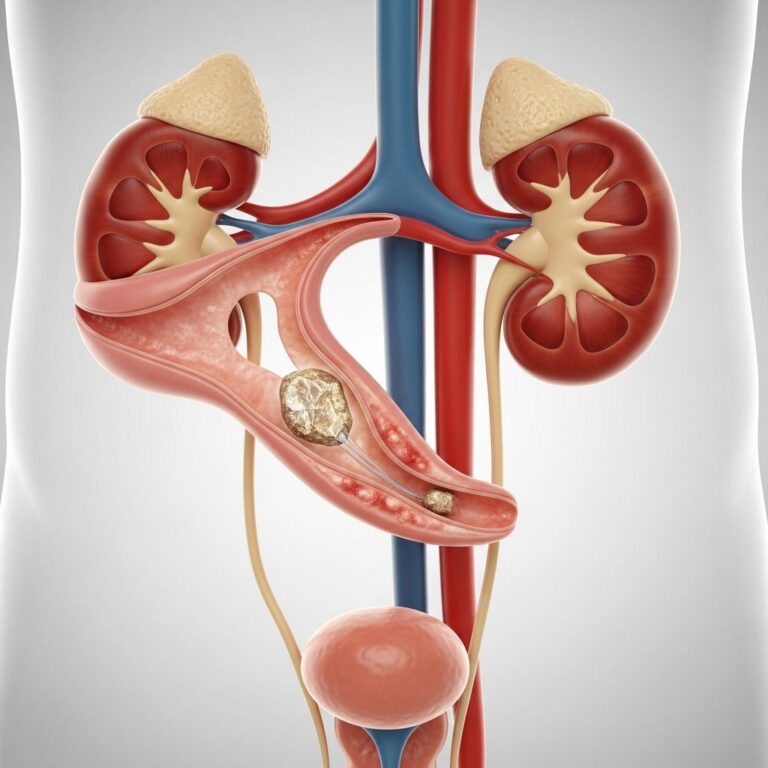
- Kidney Strain: Myth for healthy people; consult doctor if pre-existing conditions.
- Nutrient Gaps: Lacks fiber/vitamins of whole foods.
- Over-Reliance: May hinder sustainable habits.
Moderation is key; cycle off periodically.
When Should You Drink a Protein Shake for Weight Loss?
- Meal Replacement: Breakfast or lunch for calorie control.
- Post-Workout: Within 30-60 min for recovery.
- Snack: Mid-afternoon to fight hunger.
- Bedtime: Casein for overnight satiety.
Avoid as sole nutrition; combine with whole foods.
Expert Tips for Success
- Pair with resistance training 3-4x/week to build muscle.
- Create 500-calorie daily deficit for 0.5kg/week loss.
- Hydrate well; protein needs water.
- Monitor progress; adjust if plateauing.
- Consult RD for personalized plans.
Frequently Asked Questions (FAQs)
Will protein shakes make me gain weight?
No, if total calories stay in deficit. Excess calories from any source cause gain; shakes help control intake.
Are protein shakes better than food for weight loss?
Not better, but complementary. Use for convenience; prioritize whole foods for nutrients.
Can I drink two protein shakes a day?
Yes, if they fit macros. One as meal replacement, one post-workout works well.
Do protein shakes break a fast?
Whey/plant yes (amino acids trigger insulin); consider fasting-friendly collagen.
Are plant-based protein shakes effective?
Yes, blends provide complete proteins comparable to whey for satiety/muscle.
References
- Does Eating a High Protein Diet Help Weight Loss? — Men’s Health UK. 2023. https://www.menshealth.com/uk/weight-loss/a60407792/is-protein-good-for-weight-loss/
- Are Protein Shakes Really Good for Weight Loss? Science, Strategy… — WSU Forest Research. 2023. https://forest.moscowfsl.wsu.edu/news/?id=are-protein-shakes-really-good-for-weight-loss-science-strategy-and-what-actually-works-in-2025-68f9d31e51df6
- Do Protein Shakes Make You Gain Weight? A 2025 Guide… — US Courts VAWD (archived health guide). 2025. https://www2.vawd.uscourts.gov/sites/default/detail.html?p=do-protein-shakes-make-you-gain-weight-a-2025-guide-with-5-science-backed-shake-recipes-6961add9cee84
Similar Articles








Read full bio of medha deb