Are Rice Cakes Healthy? Key Insights Into Pros, Cons, Toppings
Uncover the truth about rice cakes: low-calorie appeal vs. nutritional shortcomings and smart ways to enjoy them.
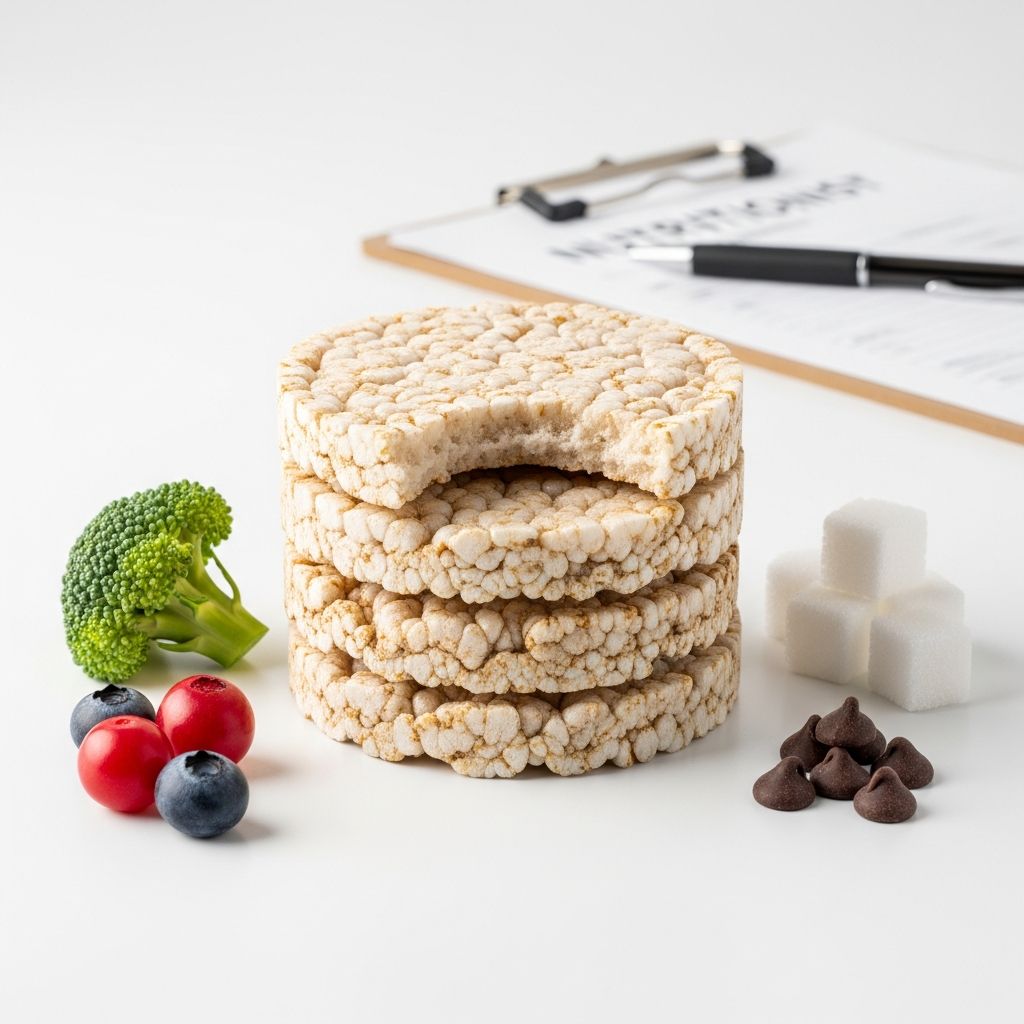
Rice cakes are a popular low-calorie snack often touted for weight loss and convenience, but their overall health value depends on type, portion, and pairings. While they provide minimal calories and are naturally gluten-free, they fall short in protein, fiber, and key nutrients, potentially leading to blood sugar spikes if eaten alone.
What Are Rice Cakes?
Rice cakes, also known as rice crackers or puffed rice snacks, are lightweight crisps made by puffing rice grains under high pressure and heat. This process creates an airy texture from simple ingredients like rice, water, and sometimes salt or flavorings. They come in plain, salted, flavored varieties, and versions made from white or brown rice.
Originating from Asian traditions where pounded rice cakes (mochi-like) are common, Western-style puffed rice cakes gained popularity in the 1980s as diet foods. Today, they’re shelf-stable, portable, and available in most grocery stores, making them a go-to for quick bites.
Rice Cakes Nutrition Facts
A single plain, unsalted brown rice cake (about 9 grams) typically contains modest nutrition. Here’s a breakdown based on reliable analyses:
| Nutrient | Amount per Cake | % Daily Value* |
|---|---|---|
| Calories | 35 | 2% |
| Carbohydrates | 7.3g | 3% |
| Protein | 0.7g | 1% |
| Fiber | 0.4g | 1% |
| Fat | 0.3g | 0% |
| Sodium | 2-80mg (varies) | 0-3% |
| Manganese | 0.3mg | 13-17% |
| Niacin | 0.7mg | 4% |
| Phosphorus | 32mg | 3% |
| Magnesium | 12mg | 3% |
*Based on a 2,000-calorie diet. Values from brown rice varieties; white rice cakes have even less fiber and nutrients.
These snacks derive nearly all calories from carbs, with trace minerals like selenium, iron, and B vitamins. Puffing reduces antioxidants compared to cooked rice, and flavored options add sugar, sodium, or artificial ingredients.
Health Benefits of Rice Cakes
- Low in Calories: At just 35 calories per cake, they help control intake versus higher-calorie crackers (124 calories per 28g) or bread (69 calories per slice). Swapping two bread slices for two rice cakes saves ~68 calories, aiding weight management if portions are controlled.
- Gluten-Free: Made from rice, they’re naturally gluten-free (check labels for barley additives), ideal for celiac disease or sensitivity. Widely available, they’re a convenient option on the go.
- Whole Grain Option: Brown rice cakes retain more fiber, protein, minerals, and vitamins than white rice versions, supporting better diet quality, glucose regulation, and bone health via manganese and selenium.
- Versatile and Convenient: Neutral flavor allows creative toppings; airy texture promotes fullness without density, satisfying carb cravings lightly.
Despite low nutrient density, when paired thoughtfully, rice cakes fit into balanced diets, especially for low-calorie or gluten-free needs.
Potential Downsides of Rice Cakes
While appealing for dieters, rice cakes have limitations that can undermine health goals.
- Low Fiber and Protein: With only 0.4g fiber and 0.7g protein per cake, they digest quickly, leading to hunger soon after. This can trigger overeating, negating calorie savings—two cakes (18g) provide less volume and nutrients than equivalent bread (56g).
- High Glycemic Index (GI): Rice cakes rank high on the GI scale (like white bread or donuts), causing rapid blood sugar spikes and crashes. This raises risks for diabetes, heart disease, and fatigue, especially for frequent consumers.
- Nutrient-Poor Alone: Minimal vitamins/minerals mean they don’t contribute much to daily needs unless topped. White rice cakes are essentially refined carbs; even brown offers little compared to whole grains.
- Sodium in Flavored Varieties: Salted or flavored cakes can pack 80mg+ sodium per cake, problematic for hypertension.
- Less Satisfying Long-Term: Calorie density by weight is higher (210 cal/56g) than bread (138 cal/56g), and lack of fats/protein reduces satiety.
Related Stories



Are Rice Cakes Good for Weight Loss?
Rice cakes can support weight loss due to low calories, but they’re not magic. Replacing denser snacks saves calories short-term, and their volume aids perceived fullness. However, low satiety from minimal fiber/protein often leads to more snacking. Studies show high-GI foods like these promote hunger and overconsumption.
For sustainable loss, pair with protein/fat/fiber toppings to stabilize blood sugar and enhance fullness. Moderation is key—treat as occasional, not staple.
How to Eat Rice Cakes the Healthy Way
Maximize benefits by choosing wisely and topping smartly. Opt for unsweetened, whole-grain brown rice cakes over flavored/white varieties for better nutrition.
Best Topping Ideas
- Avocado & Everything Bagel Seasoning: Healthy fats + fiber for creaminess and blood sugar balance.
- Nut Butter (Almond/Peanut) + Sliced Banana: Protein, fats, potassium; adds ~100-150 calories but sustains energy.
- Cottage Cheese + Tomato & Herbs: High protein (15g+ per serving) for muscle support and fullness.
- Hummus + Cucumber & Veggies: Plant protein, fiber; low-cal savory crunch.
- Smoked Salmon + Cream Cheese: Omega-3s, protein for heart health.
- Greek Yogurt + Berries: Probiotics, antioxidants; sweet without refined sugar.
These combos transform rice cakes into nutrient-dense meals/snacks, mitigating GI issues and boosting satisfaction. Aim for 1-2 cakes per serving with 10-20g protein.
Recipe: Loaded Veggie Rice Cake Snack
- Spread 2 tbsp hummus on two brown rice cakes.
- Top with sliced cucumber, cherry tomatoes, sprouts, and a sprinkle of feta.
- Drizzle olive oil and black pepper. (~150 calories, balanced macros)
Storage tip: Keep in airtight containers; pair with water or tea for hydration.
Frequently Asked Questions (FAQs)
Are rice cakes healthier than bread?
Not inherently—rice cakes are lower calorie but lack bread’s fiber/protein. Whole-grain bread is more nutritious overall; use rice cakes for gluten-free needs.
Do rice cakes make you gain weight?
No, if portioned; their low calories aid loss. But low satiety can lead to overeating. Pair with fillings.
Are all rice cakes gluten-free?
Most yes, but check labels for barley/rye. Pure rice versions are safe.
Can rice cakes help with diabetes?
Limited—high GI spikes blood sugar. Brown rice + protein toppings improve this; consult a doctor.
How many rice cakes a day is too many?
2-4 max, topped. More risks nutrient gaps and spikes.
Bottom Line
Rice cakes aren’t villains or superfoods—they’re neutral bases best as occasional, enhanced snacks. Choose brown rice, add protein/fiber/fats, and enjoy moderately for a low-cal, gluten-free option that fits healthy eating.
References
- What to Know About Rice Cake Nutrition — WebMD. 2023. https://www.webmd.com/diet/what-to-know-rice-cake-nutrition
- Are Rice Cakes Good for Health? Nutrition and Calories of Rice Cakes — Vinmec. 2023. https://www.vinmec.com/eng/blog/is-rice-cake-good-for-health-nutrition-calories-of-rice-cakes-en
- Are Rice Cakes Healthy? Pros, Cons, Nutrition, Calories, Recipes — DrAxe.com. 2023. https://draxe.com/nutrition/rice-cakes/
- Are Rice Cakes Healthy? What Nutrition Experts Recommend — Stix Asia. 2023. https://stixasia.com/are-rice-cakes-healthy-what-nutrition-experts-recommend/
- Are Rice Cakes a Healthy Snack? Nutrition, Calories, and More — Healthline. 2023-10-10. https://www.healthline.com/nutrition/are-rice-cakes-healthy
Similar Articles








Read full bio of medha deb