Are Rice Cakes Healthy? 10 Ways To Boost Their Nutrition
Rice cakes are low-calorie and gluten-free, but low in protein and fiber—discover if they're a smart snack choice with expert insights.
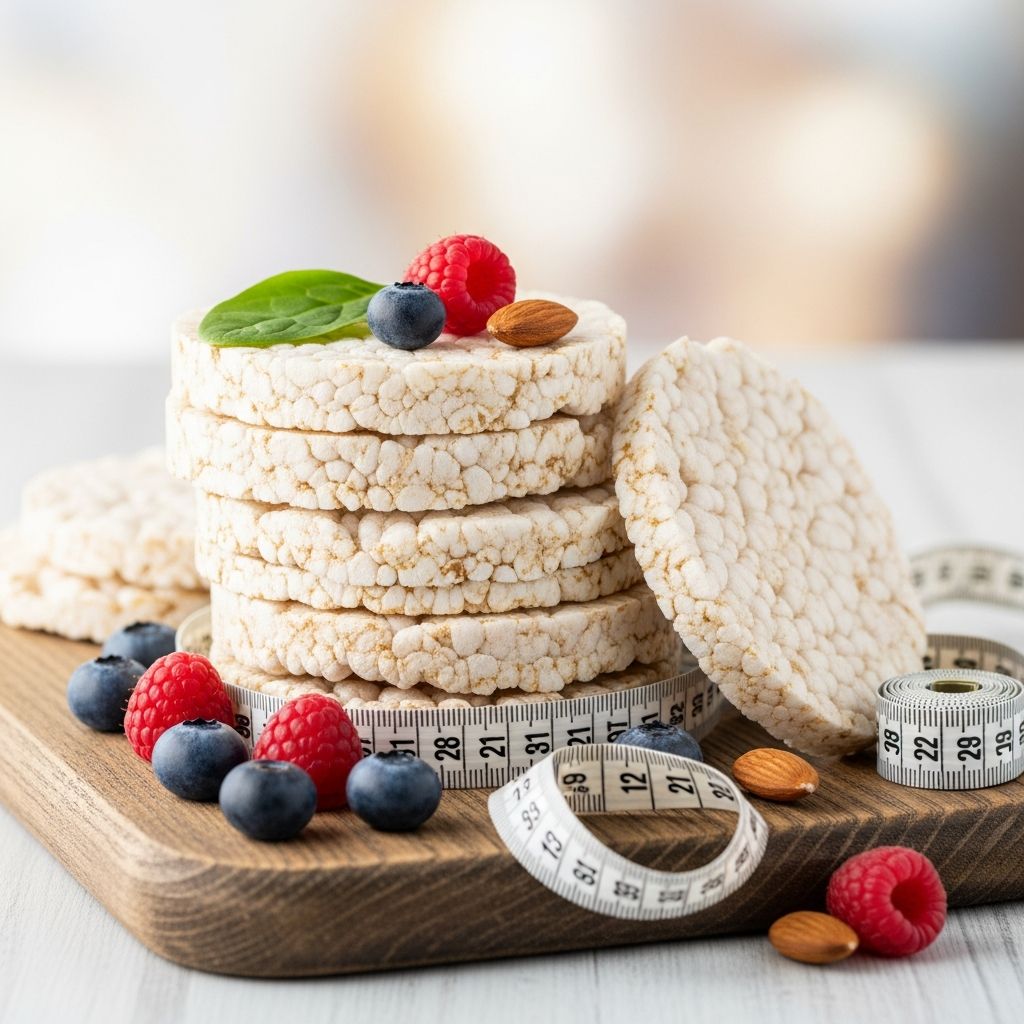
Rice cakes have long been touted as a go-to low-calorie snack, especially during the low-fat diet trends of the 1990s. But with modern nutrition emphasizing balanced macros, fiber, and sustained energy, the question arises: are rice cakes actually healthy? This article dives deep into their nutritional profile, potential benefits, drawbacks, suitability for specific diets like diabetes, and creative ways to make them a more nutritious choice. We’ll draw from credible sources to provide a balanced view, helping you decide if rice cakes deserve a spot in your pantry.
Rice Cakes Nutrition Facts
Rice cakes are primarily made from puffed rice, essentially rice and air, resulting in a lightweight, crispy texture. A standard plain rice cake (about 9 grams) made from brown rice provides the following nutrition:
- Calories: 35 kcal
- Carbohydrates: 7 grams
- Fiber: 0-0.4 grams
- Protein: 0.7-1 gram
- Fat: 0-0.3 grams
- Niacin: 4% of Daily Value (DV)
- Magnesium: 3% DV
- Phosphorus: 3% DV
- Manganese: 17% DV
- Trace amounts of vitamin E, riboflavin, vitamin B6, pantothenic acid, iron, potassium, zinc, copper, and selenium
Flavored varieties often add sugars, salt, or other ingredients, increasing sodium (check labels if monitoring intake) and calories. The puffing process reduces the rice’s natural antioxidants, further limiting nutritional density.
Compared to alternatives like bread or crackers, rice cakes are lower in calories but also lack substantial fiber, protein, or fats that promote fullness and nutrient absorption. Here’s a quick comparison table for one serving:
| Nutrient | Plain Rice Cake (9g) | Whole Wheat Cracker (9g) | Slice Bread (28g) |
|---|---|---|---|
| Calories | 35 | 40 | 80 |
| Carbs | 7g | 6g | 15g |
| Fiber | 0.4g | 0.7g | 2g |
| Protein | 0.7g | 1g | 3g |
Data synthesized from sources. Rice cakes win on calorie count but fall short on satiety nutrients.
Pros and Cons of Rice Cakes
Pros
- Low in Calories: At just 35 calories per cake, they’re ideal for weight management. The airy structure creates volume, helping you feel fuller without excess energy intake.
- Gluten-Free: Made solely from rice (check labels for barley additions), they’re a convenient option for those with celiac disease or gluten sensitivity. Widely available in stores.
- Versatile Base: Act as a neutral canvas for toppings, allowing customization for balanced nutrition.
- Potential for Enhancement: Studies show fiber-enriched rice cakes can improve metabolic health markers like blood glucose and pressure when supplemented appropriately.
Cons
- Low Nutrient Density: Minimal vitamins, minerals, protein, and fiber mean they offer little beyond empty carbs.
- High Glycemic Impact: Quickly digested carbs can spike blood sugar, leading to hunger soon after.
- Processing Losses: Puffing diminishes antioxidants present in whole rice.
- Sodium in Flavored Types: Salted versions may contribute to excess intake if overconsumed.
Are Rice Cakes Healthy for Weight Loss?
For weight loss, rice cakes shine as a low-calorie swap for denser snacks. Their 35 kcal per serving beats many crackers or bread slices, and the crunch satisfies without derailing calorie goals. However, their low fiber and protein content means they won’t keep you full long-term. Eating multiple to achieve satiety can inadvertently match higher-calorie options.
Related Stories



Tip: Portion control is key. Pair with satiating toppings to enhance thermogenesis and reduce overall intake. Research on fiber-supplemented rice cakes suggests they may support metabolic syndrome risk reduction, aiding weight management indirectly. Ultimately, they’re a tool, not a magic bullet—sustainability matters more than any single food.
Rice Cakes and Diabetes: Should You Eat Them?
Rice cakes are mostly rapidly digesting carbs (7g per cake), causing quick blood sugar rises, making them suboptimal alone for diabetes management. A single cake fits carb budgets, but multiples risk spikes.
Smart strategy: Limit to one, then add protein, fats, and fiber. Examples:
- Avocado slices (healthy fats slow absorption)
- Nut butter (protein + fats for stability)
- Hummus (fiber + protein)
Evidence from a 6-week study on fiber- and polyphenol-enriched rice cakes showed significant drops in fasting blood glucose (FBG), insulin resistance (HOMA-IR), and blood pressure in at-risk groups, outperforming plain fiber versions. This highlights potential when fortified, but plain varieties require caution for diabetics.
Healthier Alternatives to Rice Cakes
If rice cakes’ limitations concern you, consider these nutrient-dense swaps:
- Vegetable Slices: Cucumber, celery, or bell peppers—crisp, hydrating, ultra-low cal with vitamins.
- Popcorn (Air-Popped): Whole grain, higher fiber (3.5g per 3 cups), satisfying crunch.
- Whole Grain Crackers: More fiber/protein than rice cakes.
- Greek Yogurt: Protein-packed (15g+ per serving) for true fullness.
- Fortified Rice Cakes: Seek those with added fiber/resistant starch for better profile.
No need to ditch rice cakes entirely—enhance them instead.
10 Healthy Rice Cake Toppings and Recipes
Transform rice cakes by loading with balanced toppings. Here are 10 ideas (per rice cake, ~100-200 total calories):
- Classic PB&J: 1 tbsp almond butter + 1 tsp jam + banana slices. Protein + natural sweetness.
- Avocado Toast Upgrade: Mashed avocado, tomato, everything bagel seasoning. Heart-healthy fats.
- Hummus & Veggies: 2 tbsp hummus, cucumber, radish. Fiber boost.
- Smoked Salmon: 1 oz salmon, cream cheese, capers. Omega-3s.
- Greek Yogurt Parfait: 2 tbsp yogurt, berries, chia seeds. Probiotic protein.
- Tuna Salad: 2 oz tuna, celery, Greek yogurt dressing. Lean protein.
- Apple & Cheese: Thin apple slices, 1/2 oz cheddar. Balanced macros.
- Egg Salad: 1 hard-boiled egg mashed with mustard, greens. Filling classic.
- Pesto Chicken: Shredded chicken, pesto, cherry tomatoes. Savory delight.
- Sweet Potato Mash: 1/4 cup mashed sweet potato, cinnamon, nuts. Complex carbs.
These combos mitigate blood sugar spikes while boosting nutrition. Experiment for variety!
Frequently Asked Questions (FAQs)
Are rice cakes good for weight loss?
Yes, their low 35 calories per cake make them suitable in moderation, but pair with protein/fiber for lasting fullness.
Do rice cakes have any protein?
Very little—about 0.7-1g per cake. Toppings are essential for more.
Are all rice cakes gluten-free?
Plain rice ones are, but check labels for barley or wheat additions.
Can rice cakes spike blood sugar?
Yes, due to quick-digesting carbs; limit portions and add fats/protein.
What’s the healthiest type of rice cake?
Brown rice, whole grain, or fiber-enriched varieties offer slight edges.
The Bottom Line: Are Rice Cakes Healthy?
Rice cakes aren’t villainous but aren’t superfoods either. Their low calories and gluten-free nature appeal for light snacking or weight control, yet sparse protein, fiber, and nutrients demand pairings for balance. For diabetics or those seeking satiety, enhancements like nut butters or avocado are non-negotiable. Emerging research on fortified versions hints at metabolic benefits. Include them mindfully in a varied diet—enjoy the crunch without the crash.
References
- Are Rice Cakes a Healthy Snack? — Holland & Barrett. 2023. https://www.hollandandbarrett.com/the-health-hub/food-drink/food/are-rice-cakes-a-healthy-snack/
- Are Rice Cakes a Healthy Snack? Nutrition, Calories, and More — Healthline. 2023-10-12. https://www.healthline.com/nutrition/are-rice-cakes-healthy
- Rice Cakes Containing Dietary Fiber Supplemented with or without Polyphenols Decrease Metabolic Syndrome Risk Factors — PMC (National Library of Medicine). 2016-05-04. https://pmc.ncbi.nlm.nih.gov/articles/PMC4855044/
Similar Articles








Read full bio of medha deb