Are Smoothies Healthy? Benefits, Risks And 5 Expert Tips
Uncover the truth about smoothies: nutrient-packed powerhouses or sugar-laden traps? Learn how to craft truly healthy blends.
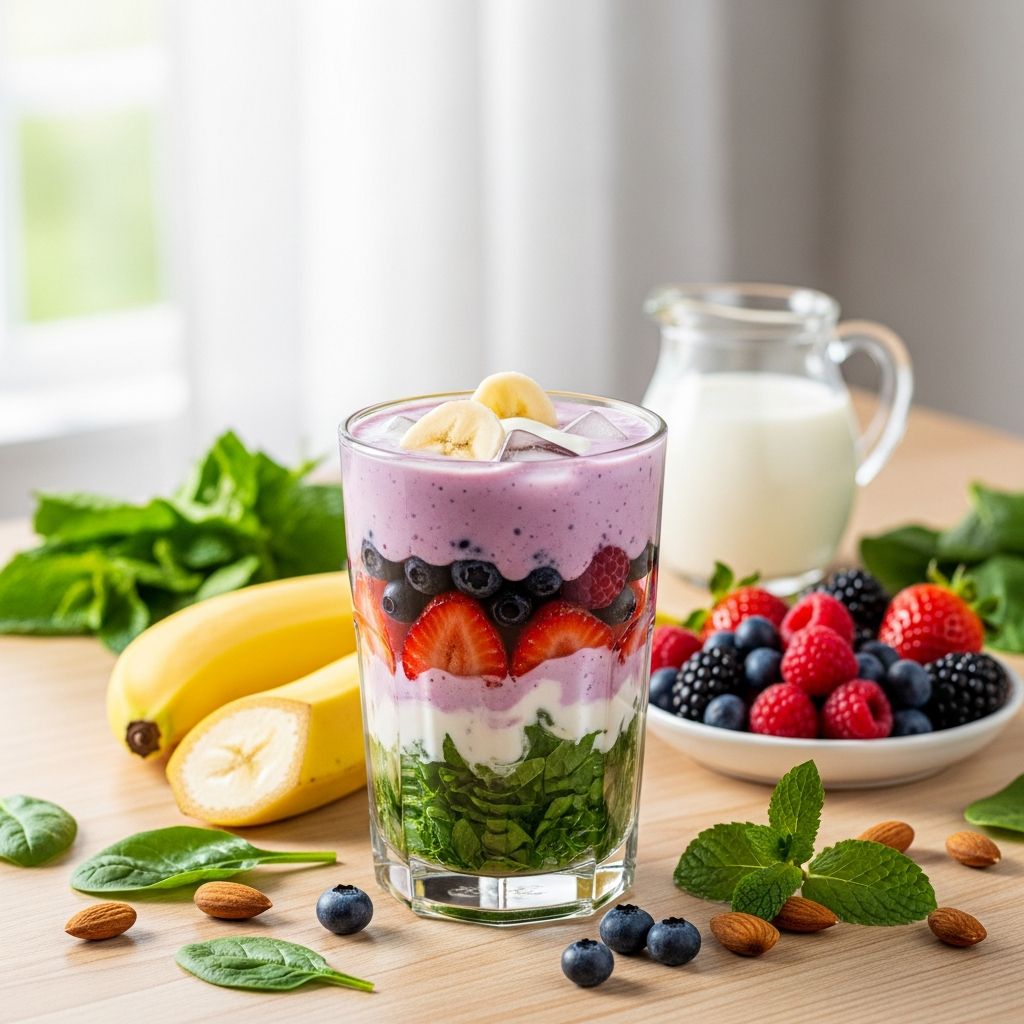
Smoothies can be a convenient way to pack fruits, vegetables, and other nutrients into your diet, but their healthiness depends heavily on ingredients and preparation. While they offer benefits like increased fiber intake and hydration, many commercial and homemade versions are loaded with added sugars and lack balanced macronutrients, potentially leading to blood sugar spikes and minimal satiety.
Benefits of Smoothies
Smoothies shine when made with whole foods, providing an easy path to essential vitamins, minerals, and antioxidants. Research shows blending fruits and vegetables preserves most nutrients while making them more accessible for quick consumption.
- Nutrient Density: Leafy greens like spinach and kale add vitamins A, C, and K without overpowering flavor. Berries deliver antioxidants that support heart health and immunity.
- Hydration and Digestion: High water content from fruits and veggies prevents dehydration, while soluble fiber aids bowel regularity and stabilizes blood sugar.
- Weight Management: Protein-rich smoothies with yogurt or nuts promote fullness, curbing cravings and supporting steady energy levels without meal skipping.
- Convenience for Busy Days: A well-balanced smoothie counts as a meal replacement, delivering liquid nutrition that’s easier to digest than solid foods.
Potential Downsides of Smoothies
Not all smoothies are created equal. Common pitfalls include excessive natural sugars from fruit, which can exceed daily recommendations, and enzymatic reactions that reduce key nutrients like flavanols.
- High Sugar Content: A large smoothie with multiple bananas or juices can pack 50-100 grams of sugar, rivaling soda and risking insulin resistance.
- Nutrient Loss from Blending: High polyphenol oxidase (PPO) fruits like bananas degrade flavanols in berries by 84%, slashing absorption of heart-healthy compounds.
- Lack of Satiety: Without protein or fats, smoothies digest too quickly, leading to hunger soon after and overeating later.
- Calorie Density Traps: Nut butters, seeds, and sweeteners add up fast, turning ‘healthy’ drinks into 800+ calorie bombs.
How to Make a Healthy Smoothie
Focus on balance: aim for a 1:1 ratio of fruits to veggies, include protein and healthy fats, and limit high-PPO ingredients when maximizing flavanols.
Key Ingredients for Balance
| Category | Examples | Benefits |
|---|---|---|
| Vegetables (Base) | Spinach, kale, zucchini, cucumber | Fiber, low calories, vitamins without sugar spike |
| Fruits (1/2 cup max) | Berries, pineapple, oranges (avoid excess banana) | Natural sweetness, antioxidants; low PPO preserves flavanols |
| Protein (15-25g) | Greek yogurt, protein powder, silken tofu | Satiety, muscle repair, blood sugar control |
| Healthy Fats | Avocado, chia seeds, almond butter (1 tbsp) | Nutrient absorption, fullness |
| Liquid | Almond milk, water, kefir | Hydration without added sugars |
Step-by-Step Recipe: Berry Green Power Smoothie
- Blend 1 cup spinach, ½ cup mixed berries, 1 cup unsweetened almond milk.
- Add 1 scoop protein powder, 1 tbsp chia seeds, blend smooth.
- Optional: Squeeze of lemon for vitamin C and PPO inhibition.
This yields ~300 calories, 25g protein, 10g fiber—ideal for breakfast.
Smoothie Myths Busted
- Myth: More Fruit = Healthier. Excess fructose burdens the liver; stick to whole fruits in moderation.
- Myth: Green Smoothies Detox You. Your liver and kidneys handle detox; smoothies just support with nutrients.
- Myth: All Blended Veggies Equal Eating Them. Blending breaks fiber structure, potentially raising glycemic impact.
Expert Tips for Smoothie Success
- Freeze produce to reduce liquid needs and enhance creaminess.
- Pair low-PPO bases like yogurt or pineapple with flavanol-rich berries for max absorption.
- Track portions: Use measuring cups to avoid calorie creep.
- Rotate ingredients for diverse nutrients; include omega-3 sources like flax for brain health.
- For weight loss, prioritize volume (e.g., more greens) over sweetness.
Related Stories



Healthy Smoothie Recipes
Post-Workout Recovery
1 frozen banana, 1 cup strawberries, 1 cup kefir, 1 tbsp peanut butter. Provides potassium, probiotics, and fats for muscle repair.
Immunity Booster
1 orange, ½ cup pineapple, handful kale, ginger shot, Greek yogurt. Vitamin C and anti-inflammatory compounds.
Digestion Aid
1 cup papaya, beets, spinach, chia seeds, water. Fiber and enzymes for gut health.
Frequently Asked Questions
Are smoothies good for weight loss?
Yes, if balanced with protein, fiber, and fats to promote fullness and stable blood sugar. Avoid juice-based versions.
Can smoothies replace meals?
Absolutely, when they match a meal’s calories and macros (400-600 kcal, 20g+ protein). They’re efficient for nutrient delivery.
Do smoothies count toward fruit/veggie intake?
Yes, but prioritize whole forms for chewing benefits. Blended counts if varied and portion-controlled.
Are store-bought smoothies healthy?
Often no—check for <10g added sugar per serving. Homemade is best for control.
What’s the best time to drink a smoothie?
Morning for energy, post-workout for recovery, or as a snack. Avoid late night due to natural sugars.
(Word count: 1678, excluding HTML tags and metadata)
References
- 23 Important Benefits of Drinking Healthy Smoothies — ThatsMyJamOK. 2023. https://thatsmyjamok.com/23-important-benefits-of-drinking-healthy-smoothies/
- Most Health Benefits From Fruit Smoothies — UC Davis Health. 2023-10-18. https://www.ucdavis.edu/health/news/right-combo-getting-most-health-benefits-fruit-smoothies
- Smoothies the Healthy Way — Health Plan of Nevada. 2024. https://www.healthplanofnevada.com/takingonhealthy/articles/smoothies-the-healthy-way
- Why Healthy Smoothies for Weight Loss and Energy Make Sense — Central Texas College. 2024. https://www.ctcd.edu/sites/myctcd/discover/?p=why-healthy-smoothies-for-weight-loss-and-energy-make-sense-and-what-public-health-actually-says-697394356ca53
- Why “Healthy Smoothies for Weight Loss” Became A Thing — Phil Hardin Center. 2024. https://www.philhardin.org/discover.html?p=why-healthy-smoothies-for-weight-loss-became-a-thing-and-what-public-health-actually-says-about-it-69738da95703f
Similar Articles








Read full bio of medha deb