Yams: 11 Essential Nutrition Facts And Health Benefits
Discover the impressive nutritional profile and health benefits of yams, from boosting brain function to supporting heart health.
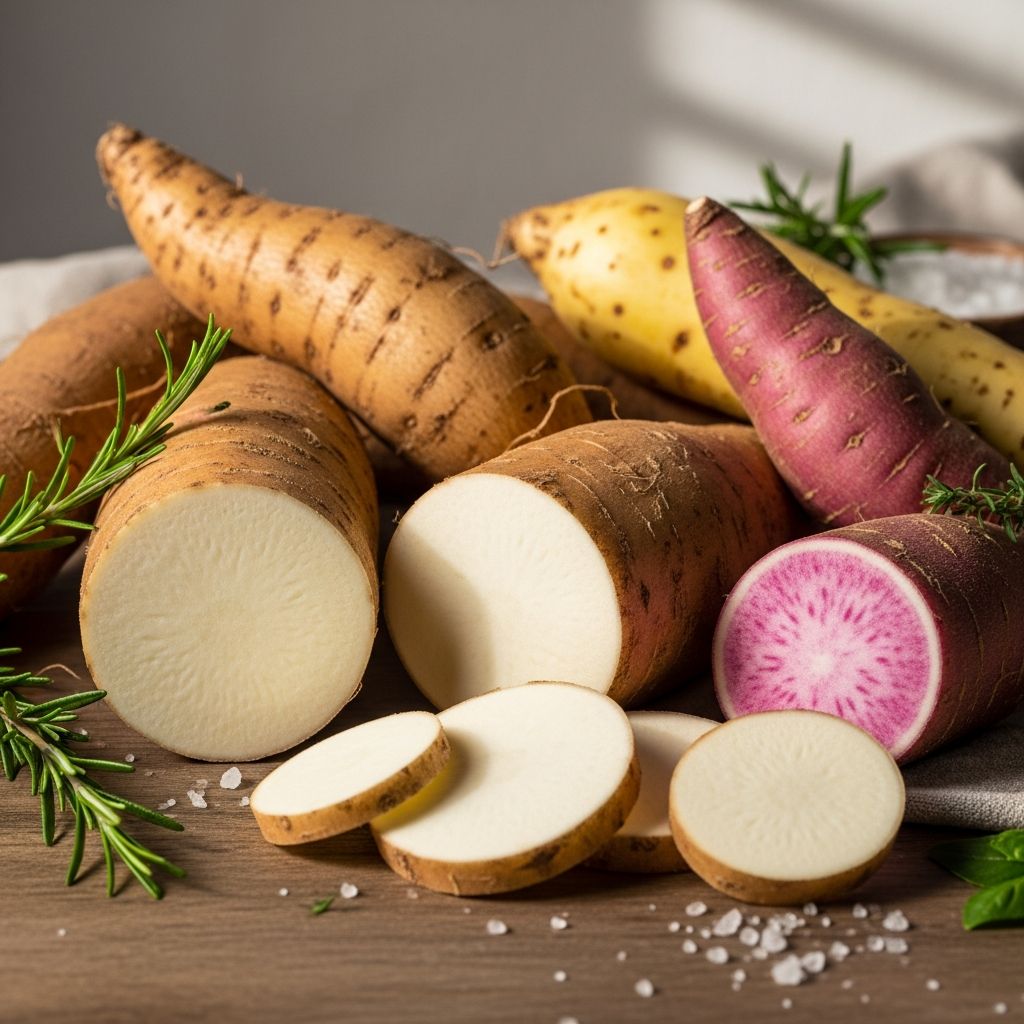
Yams are starchy tuber vegetables distinct from sweet potatoes, offering a wealth of nutrients that support overall health. Packed with fiber, vitamins, minerals, and antioxidants, yams provide benefits like improved digestion, better blood sugar management, and enhanced brain function. This article dives into their nutritional profile, health advantages, potential downsides, and practical ways to incorporate them into your diet.
What Are Yams?
Yams belong to the Dioscorea genus and are staple foods in many African, Asian, and Caribbean cuisines. Unlike sweet potatoes, true yams have rough, scaly skin and cylindrical shapes, growing up to several feet long. They come in white, yellow, purple, or pink varieties, with flavors ranging from mild to sweet. Nutritionally superior to many tubers, yams are mainly composed of starch (75-84% dry weight), proteins, and minerals. Their protein content averages 7.4% across cultivars, higher than other tropical roots, with a balanced amino acid profile ideal for human nutrition.
One cup (136 grams) of baked yams delivers essential nutrients: 158 calories, 37g carbs, 2g protein, 0g fat, and 5g fiber. Key micronutrients include 18% DV vitamin C, 19% DV potassium, 22% DV manganese, 23% DV copper, and smaller amounts of B vitamins, magnesium, and folate. These support bone health, metabolism, heart function, red blood cell production, and immune defense.
Nutrition Facts of Yams
Yams stand out for their nutrient density. Here’s a breakdown per 1 cup (136g) baked yam:
| Nutrient | Amount | % Daily Value |
|---|---|---|
| Calories | 158 | – |
| Carbohydrates | 37g | 13% |
| Protein | 2g | 4% |
| Fiber | 5g | 18% |
| Vitamin C | 16mg | 18% |
| Potassium | 670mg | 19% |
| Manganese | 0.5mg | 22% |
| Copper | 0.2mg | 23% |
| Vitamin B5 (Pantothenic Acid) | 0.9mg | 9% |
Data adapted from USDA via Healthline. Yams also provide resistant starch, which resists digestion and feeds gut bacteria, promoting microbiome health. Daily supplementation with 50g yam powder can supply up to 23.8% RI zinc, 55.6% RI iron, 32.5% RI copper, and significant selenium and chromium without exceeding upper limits.
Health Benefits of Yams
1. Packed with Nutrition
At their core, yams excel in fiber, potassium, manganese, copper, and vitamin C. Fiber (5g per cup) aids digestion by increasing good gut bacteria and enzymes. Potassium and manganese bolster bone health, growth, and heart function. Copper aids iron absorption, while vitamin C acts as an antioxidant boosting immunity.
2. May Enhance Brain Function
Yams contain diosgenin, a compound promoting neuron growth. A 12-week study showed participants taking yam extract scored higher on brain function tests than placebo groups. This suggests potential cognitive benefits, though more human trials are needed.
3. Support Digestive Health
Resistant starch in yams passes undigested, enhancing digestive enzymes and beneficial bacteria. One cup provides 18% DV fiber, linked to better microbiome health, weight management, and blood sugar regulation. Studies confirm fiber from yams promotes regular bowel movements and gut balance.
4. May Have Cancer-Fighting Properties
Antioxidants in yams, including polyphenols, exhibit anticancer effects. An animal study found a yam-rich diet reduced colon tumor growth, attributed to these compounds. Dioscorea species show benefits against cancer in preliminary research.
Related Stories



5. May Reduce Inflammation
Chronic inflammation raises risks for heart disease, diabetes, and obesity. Yam antioxidants combat this; purple yam extract reduced inflammation markers in rats. Regular intake may help manage inflammatory conditions.
6. Improve Blood Sugar Control
Yams’ resistant starch and fiber slow sugar absorption. Rat studies showed yam flour improved blood sugar and insulin sensitivity; purple yam extract aided weight loss and glucose control. Ideal for diabetes management.
7. Promote Weight Loss
Fiber and resistant starch increase satiety. Animal research indicated yam extract reduced appetite and food intake, supporting weight loss. Combined with low calories, yams aid sustainable dieting.
8. Antimicrobial Effects
Yam extracts combat drug-resistant bacteria, though mechanisms are unclear. Multiple studies observed protective effects.
9. Improve Cholesterol Levels
Women eating 390g yams daily for 30 days saw 6% lower blood cholesterol. Fiber binds cholesterol in the gut, enhancing excretion.
10. Boost Mineral Intake
Yam powder supplements provide antioxidant minerals: up to 55.6% RI iron for women, ample manganese, zinc, copper, selenium, and chromium. These support immunity, heart health, and osteoporosis prevention.
11. Heart Health and Immunity
Potassium regulates blood pressure; vitamins C, B5, and minerals like magnesium improve cardiovascular and immune function.
Are Yams Healthier Than Sweet Potatoes?
| Nutrient (per 100g baked) | Yams | Sweet Potatoes |
|---|---|---|
| Fiber | 4g | 3g |
| Potassium | 670mg | 475mg |
| Vitamin C | 12mg | 20mg |
| Manganese | 0.4mg | 0.3mg |
| Calories | 116 | 90 |
Yams edge out in fiber, potassium, and manganese but have more calories. Both are healthy; choose based on dietary needs.
Potential Downsides and Risks
Yams are safe for most, but excessive intake may cause gas from fiber. Those with yam allergies or on blood sugar meds should consult doctors. Raw yams contain diosgenin, potentially irritating in high doses—always cook thoroughly. Oxalates are low, minimizing kidney stone risk.
How to Add Yams to Your Diet
- Bake or roast: Cube, season, and roast at 400°F for 30-40 minutes.
- Mash: Boil and mash like potatoes for a nutrient boost.
- Fries: Cut into wedges, bake crisp.
- Soups/Stews: Add to African fufu or Caribbean dishes.
- Purple yams: Steam for desserts like ube ice cream.
Store in cool, dark places; use within weeks. Versatile for sweet or savory recipes.
Bottom Line
Yes, yams are exceptionally good for you. Their nutrient density supports digestion, brain health, inflammation reduction, blood sugar control, weight management, and more. Include them regularly for optimal health benefits.
Frequently Asked Questions (FAQs)
What is the difference between yams and sweet potatoes?
Yams (Dioscorea) are starchier with rough skin; sweet potatoes are smoother, sweeter, from Ipomoea batatas.
Are yams good for diabetics?
Yes, resistant starch and fiber improve blood sugar control.
Can yams help with weight loss?
Their fiber promotes satiety and reduces appetite per animal studies.
How many calories in a yam?
About 158 calories per cup baked.
Are purple yams healthy?
Yes, richer in antioxidants for inflammation and cancer protection.
References
- 11 Health and Nutrition Benefits of Yams — Healthline. 2023-10-12. https://www.healthline.com/nutrition/yam-benefits
- The Health Benefits of Yams — AANMC. 2024-01-15. https://aanmc.org/naturopathic-kitchen/yams/
- The Supplementation of Yam Powder Products Can Give the Implication of Health Benefits — NIH/PMC. 2013-12-01. https://pmc.ncbi.nlm.nih.gov/articles/PMC3866735/
Similar Articles








Read full bio of medha deb