Are Your Christmas Decorations Triggering Your Allergies?
Discover how festive holiday decorations like trees, ornaments, and scents can spark allergy symptoms and learn practical ways to enjoy the season symptom-free.
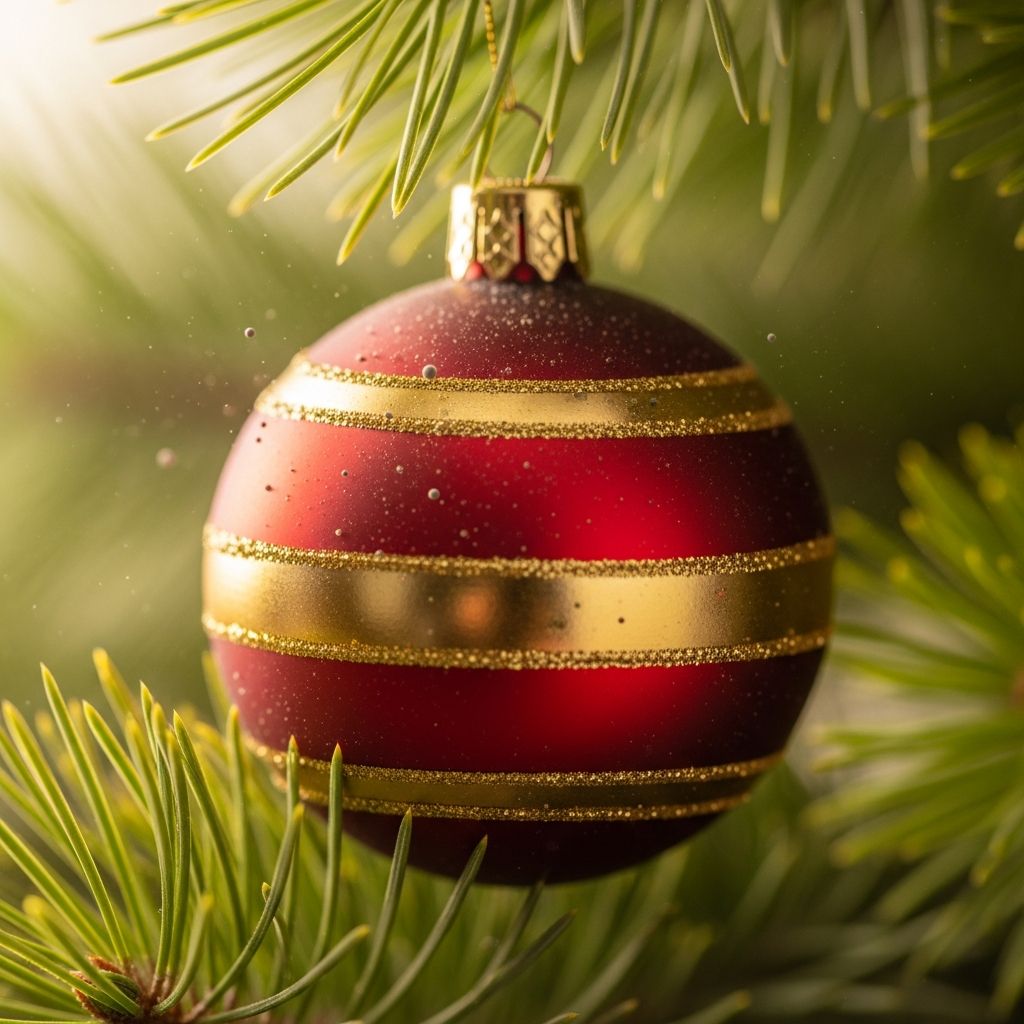
The holiday season fills homes with festive cheer, twinkling lights, and the scent of pine. But for many, it also brings unwelcome guests: sneezing, itchy eyes, coughing, and wheezing. If you’re wondering why your allergies flare up around Christmas decorations, you’re not alone. Often called ”Christmas Tree Syndrome,” these reactions stem from common allergens lurking in your holiday setup.
Real Christmas trees harbor mold spores, pollen, and terpenes—chemicals in the sap that irritate airways. Artificial trees and ornaments accumulate dust and mites during storage. Scented candles release synthetic fragrances, while poinsettias pose risks for latex-sensitive individuals. This comprehensive guide explores these triggers, their symptoms, and allergist-approved prevention strategies to help you deck the halls without the sniffles.
What is Christmas Tree Syndrome?
Christmas Tree Syndrome describes allergy-like symptoms triggered by holiday decorations, especially live evergreen trees. While true pine pollen allergies are rare, trees carry mold (over 50 species possible), pollen from weeds or other plants, terpenes, and even insects.
Symptoms mimic seasonal allergies but intensify indoors where allergens concentrate in dry, warm air:
- Sneezing and runny nose
- Itchy, watery eyes
- Coughing and wheezing
- Skin rashes or contact dermatitis from sap
- Asthma flare-ups in sensitive individuals
Terpenes, responsible for the pine scent, can provoke reactions via inhalation or skin contact, causing sinus issues or dermatitis. Artificial trees rarely cause pine-specific allergies but trigger dust mite responses when unpacked from attics.
Common Allergy Triggers in Christmas Trees
Live trees grown outdoors pick up environmental hitchhikers. Mold thrives on damp trunks and needles, especially after rain or in humid climates. A single tree can release thousands of spores into your home.
| Trigger | Source | Symptoms |
|---|---|---|
| Mold Spores | Trunk, needles, soil | Coughing, asthma, sinus congestion |
| Pollen | Weeds, other plants on branches | Sneezing, itchy eyes |
| Terpenes | Sap | Skin irritation, runny nose |
| Dust/Insects | Artificial trees, critters | Dust mite allergies, bites |
Studies from allergy clinics note symptoms peak 2-3 days after setup as mold proliferates indoors.
Holiday Decorations and Dust Mites
Garlands, wreaths, lights, ornaments, and tinsel sit boxed for 11 months, becoming dust mite havens. Unpacking stirs allergens airborne, worsening symptoms for the 20 million Americans with dust allergies.
Dust mites thrive in dark, humid storage, feeding on skin flakes. Fabric items like ribbons or old wreaths are worst offenders. Latex balloons and poinsettias add risks—poinsettias contain latex-like proteins triggering cross-reactions.
- Clean decorations outdoors before indoor use.
- Vacuum with HEPA filters.
- Replace non-washable fabric decor.
Scented Candles, Potpourri, and Fragrances
Pine, cinnamon, and berry scents evoke holidays but irritate airways. Synthetic fragrances in candles release volatile organic compounds (VOCs) and soot, aggravating asthma and allergies.
Related Stories



Even non-allergic people report eye/throat irritation. Allergists recommend unscented beeswax or soy alternatives that burn cleaner.
Pet Dander and Holiday Visitors
Family pets accompanying guests deposit dander on furniture and clothes. Combined with decorations, this amplifies reactions. HEPA vacuums and air purifiers help.
Food Allergens at Holiday Gatherings
Nutty desserts, shellfish buffets, and spiced treats heighten cross-contamination risks amid decor chaos.
How to Prevent Allergy Flare-Ups from Christmas Decorations
Allergists from Cleveland Clinic and UCLA Health offer these steps:
For Real Christmas Trees:
- Hose down trunk and branches outdoors to dislodge mold/pollen.
- Let dry fully (24+ hours) outside.
- Spray with fungicide or 1:10 bleach solution (ventilate after).
- Place away from vents; use air purifier nearby.
For Artificial Trees and Decor:
- Unpack outside; wipe with damp microfiber cloths.
- Wash washable items; store in airtight bins post-holiday.
General Tips:
- Use HEPA air purifiers and vacuum frequently.
- Skip latex balloons/poinsettias; choose paper alternatives.
- Ventilate rooms; avoid fireplace overuse.
- Wear gloves/long sleeves when handling trees.
Limit tree display to 5-7 days if symptoms persist.
Treatment Options if Symptoms Strike
Over-the-counter antihistamines (loratadine), nasal corticosteroids (fluticasone), and saline rinses provide relief. For persistent issues, consult an allergist for testing and immunotherapy.
Frequently Asked Questions (FAQs)
Can you really be allergic to Christmas trees?
Direct pine allergies are uncommon; most reactions come from mold, dust, or terpenes on the tree.
Are artificial trees safer for allergies?
Not always—they collect dust mites. Clean thoroughly before use.
Do scented holiday candles cause allergies?
They irritate airways with VOCs and soot, triggering symptoms.
How do I clean dusty ornaments safely?
Unpack outside, wipe with damp cloths, and use HEPA vacuum. Store airtight.
Can poinsettias trigger allergies?
Yes, due to latex proteins—opt for non-latex decor if sensitive.
Long-Term Strategies for Allergy-Free Holidays
Invest in hypoallergenic decor like metal ornaments or LED lights. Annual allergy testing identifies specific triggers. Pre-season antihistamines help high-risk individuals. With preparation, holidays can sparkle without sneezes.
This season, reclaim your festive joy. Simple cleaning and smart choices minimize allergens, letting you focus on family and traditions.
References
- Christmas Allergies: Common Holiday Triggers And How To Combat — McGovern Allergy. 2023. https://mcgovernallergy.com/christmas-allergies/
- Home for the Holidays – Allergy & Asthma Network — Allergy & Asthma Network. 2023. https://allergyasthmanetwork.org/news/home-for-the-holidays/
- How Christmas Trees and Holiday Decor Trigger Allergies — Cleveland Clinic Newsroom. 2025-12-01. https://newsroom.clevelandclinic.org/2025/12/01/how-christmas-trees-and-holiday-decor-trigger-allergies
- Managing Allergies During the Holidays: A Survival Guide — Aspire Allergy. 2023. https://www.aspireallergy.com/blog/allergies-during-the-holidays
- Do you have a Christmas tree allergy? — UCLA Health. 2023. https://www.uclahealth.org/news/article/do-you-have-a-christmas-tree-allergy
- What You Need to Know About Christmas Trees and Allergies — Nalent. 2023. https://nalent.com/what-you-need-to-know-about-christmas-trees-and-allergies/
- Contact Dermatitis and Your Christmas Tree — Dayton Skin Care. 2023. https://www.daytonskincare.com/contact-dermatitis-and-your-christmas-tree/
Similar Articles








Read full bio of medha deb