Argyria: What You Need To Know About Causes And Treatment
Understanding argyria: the rare, irreversible blue-gray skin discoloration from prolonged silver exposure and its causes, diagnosis, and management.
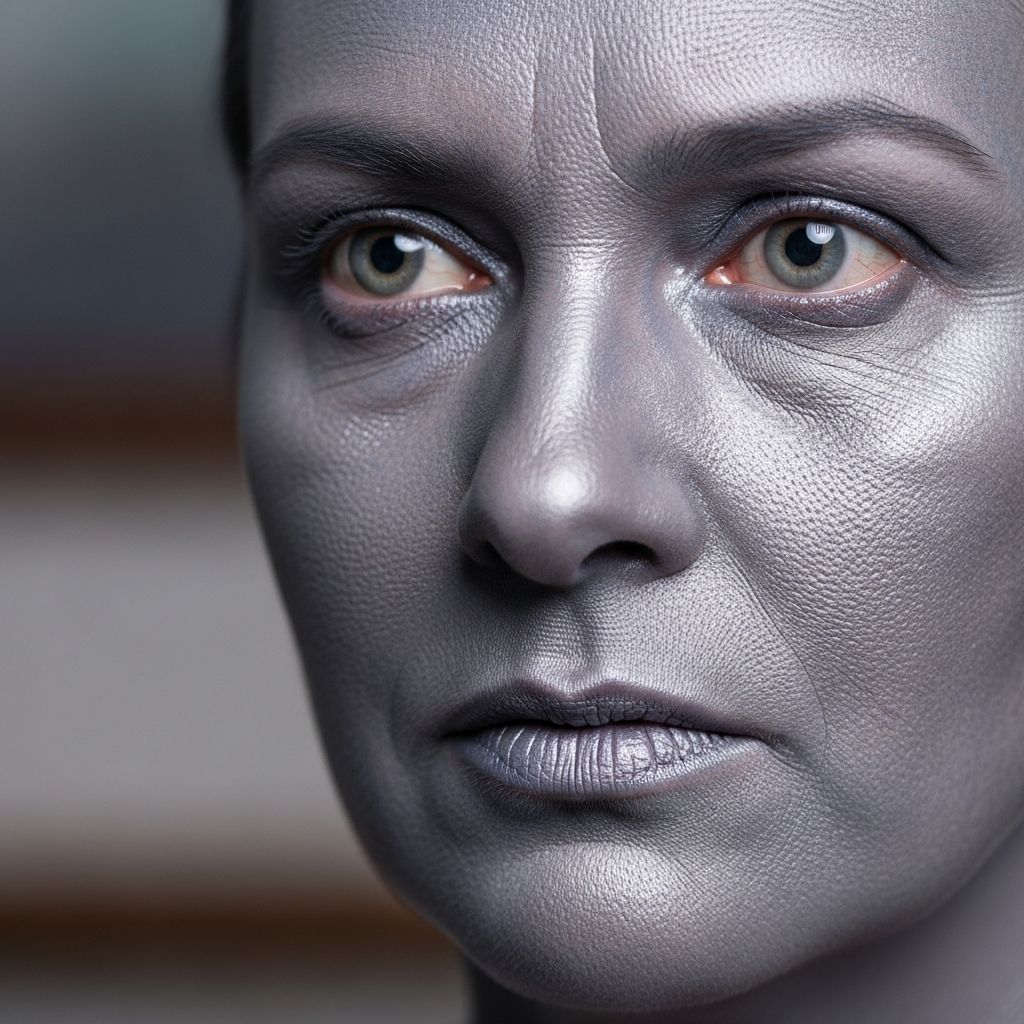
Argyria is a rare dermatological condition characterized by permanent blue-gray or slate-blue discoloration of the skin, mucous membranes, and nails due to prolonged exposure to silver or silver-containing compounds. This pigmentation results from silver particles depositing in tissues, particularly in sun-exposed areas, and is irreversible once established.
What is argyria?
Argyria, also known as argyrosis, occurs when silver accumulates in the body at toxic levels, leading to visible discoloration. The condition can be localized, affecting specific areas like the skin or conjunctiva, or generalized, involving large body surfaces. It is most prominent in sun-exposed regions because ultraviolet light reduces silver ions to metallic silver granules, enhancing the blue hue through interaction with melanin and selenium.
Historically rare, argyria has seen a resurgence with the popularity of unregulated colloidal silver supplements marketed for unproven health benefits such as treating infections or boosting immunity. The U.S. FDA has ruled colloidal silver “not generally recognized as safe and effective,” yet its use persists in alternative medicine.
Who gets argyria?
Individuals at risk include those with occupational exposure to silver, such as jewelry makers, silversmiths, or manufacturers using silver in electronics or photography. Medical and therapeutic exposures arise from prolonged use of silver-containing products like colloidal silver supplements, silver sulfadiazine creams for burns, acupuncture needles, dental amalgams, or orthopedic implants.
Consumer use of colloidal silver for self-treatment of conditions like sinusitis, arthritis, or as an immune booster is a leading cause in modern cases. A documented case involved a 79-year-old woman who developed severe chronic argyria after eight years of ingesting homeopathic silver supplements for chronic sinus congestion. Vulnerable populations include those with chronic illnesses seeking alternative remedies, particularly older adults or those with kidney disease, where silver clearance may be impaired.
Causes of argyria
Argyria develops from chronic, excessive absorption of silver via ingestion, inhalation, topical application, or mechanical implantation. Silver salts or nanoparticles enter the bloodstream, bind to proteins, and deposit in dermal macrophages, basement membranes, and elastic fibers.
- Ingestion: Colloidal silver supplements or nose drops are common culprits, as seen in cases of generalized pigmentation.
- Topical: Long-term use of silver sulfadiazine or other antimicrobial creams leads to localized argyria.
- Inhalation/Occupational: Silver dust in industrial settings causes pulmonary and systemic deposition.
- Iatrogenic: Silver sutures, implants, or acupuncture.
Silver ions reduce to elemental silver under light exposure, forming granules visible under microscopy (1-100 nm in size). No acute toxicity threshold exists; it accumulates over months to years.
Clinical features of argyria
The hallmark is slate-blue to gray-black pigmentation, most intense on the face, neck, hands, and sclera, sparing covered areas. Early signs may appear in the gums as brownish-gray patches before spreading.
Related Stories



- Skin: Permanent discoloration, freckle-like spots coalescing into sheets, worsened by sun.
- Eyes: Blue conjunctiva (oculocutaneous argyria), rarely affecting vision.
- Mucosa: Tongue, gums, nails show violet-blue hues.
- Systemic: Possible visceral involvement (liver, kidneys, heart).
Symptoms are primarily cosmetic, but associated fatigue, joint pain, or anemia may occur, as in a case with leukocytosis and vertebral lesions. Differentiate from cyanosis, methemoglobinemia, or chrysiasis (gold therapy).
Diagnosis of argyria
Diagnosis is clinical, based on history of silver exposure and characteristic pigmentation. Confirmed by:
- Biopsy: Silver granules in dermis via light/electron microscopy or energy-dispersive X-ray spectroscopy.
- Laboratory: Elevated silver levels in blood/urine (>1 mcg/g creatinine), though not always elevated in chronic cases.
- Imaging: Rules out differentials like tumors.
| Differential Diagnosis | Key Features | Distinguishing Test |
|---|---|---|
| Cyanosis | Central hypoxia, reversible | Arterial blood gas normal in argyria |
| Methemoglobinemia | Chocolate blood, acute | Co-oximetry shows metHb |
| Chrysiasis | Gold therapy history | Tissue gold deposits |
| Amiodarone pigmentation | Drug history, slate-gray | No silver on biopsy |
Treatment of argyria
No curative treatment exists; pigmentation is permanent. Management focuses on cessation of exposure and symptom mitigation.
- Prevention: Avoid unregulated silver products; sun protection (sunscreen, clothing).
- Chelation: Agents like DMSA or BAL ineffective for deposited silver.
- Laser/Q-switched lasers: Emerging for focal lesions, with variable success.
- Supportive: Monitor renal/hepatic function in chronic cases.
Acute silver poisoning (>50 mg colloidal silver) requires supportive care for organ failure.
What is the outcome of argyria?
Benign cosmetically distressing condition; no increased malignancy risk. Pigmentation persists lifelong, though intensity may fade slightly without exposure. Associated kidney decline speculated but unproven. Quality of life impacts from social stigma possible.
Prevention of argyria
- Discontinue all silver products immediately upon suspicion.
- Use FDA-approved alternatives for infections.
- Occupational: Ventilation, PPE.
- Educate on colloidal silver risks.
Blue toes
Localized argyria can mimic acrocyanosis; biopsy confirms silver deposits.
Chrysiasis
Similar to argyria but from gold salts; purple-gray hue.
Frequently Asked Questions
Q: Is argyria reversible?
A: No, skin discoloration is permanent, though stopping exposure prevents worsening.
Q: Can colloidal silver cause argyria?
A: Yes, chronic ingestion leads to generalized argyria; FDA warns against its use.
Q: Is argyria dangerous beyond appearance?
A: Primarily cosmetic, but monitor for renal, hepatic effects in long-term cases.
Q: How is argyria diagnosed?
A: History, exam, biopsy showing silver granules; blood silver levels supportive.
Q: Who should avoid silver supplements?
A: Everyone, especially those with kidney issues or using alternative therapies.
References
- Chronic Argyria Secondary to Silver Supplements — EMRA. 2023. https://www.emra.org/emresident/article/chronic-argyria
- Argyria Disease Overview — National Organization for Rare Disorders. 2024. https://rarediseases.org/mondo-disease/argyria/
- Argyria: a cause of pseudocyanosis — Oxford Academic (QJM). 2021-02-01. https://academic.oup.com/qjmed/article/114/5/341/6064843
- Argyria: Symptoms, Causes & Treatment — Cleveland Clinic. 2024. https://my.clevelandclinic.org/health/diseases/25163-argyria
- Argyria Overview — MD Searchlight. 2023. https://mdsearchlight.com/health/argyria/
- An Overview of Argyria — Dermatology Times. 2023. https://www.dermatologytimes.com/view/an-overview-of-argyria
- Argyria (Blue Skin from Colloidal Silver) — WebMD. 2024. https://www.webmd.com/skin-problems-and-treatments/argyria-overview
Similar Articles








Read full bio of medha deb