Armpit Rash: Causes, Symptoms, and Treatment Options
Complete guide to understanding armpit rashes, from causes to effective treatment strategies.
What Is an Armpit Rash?
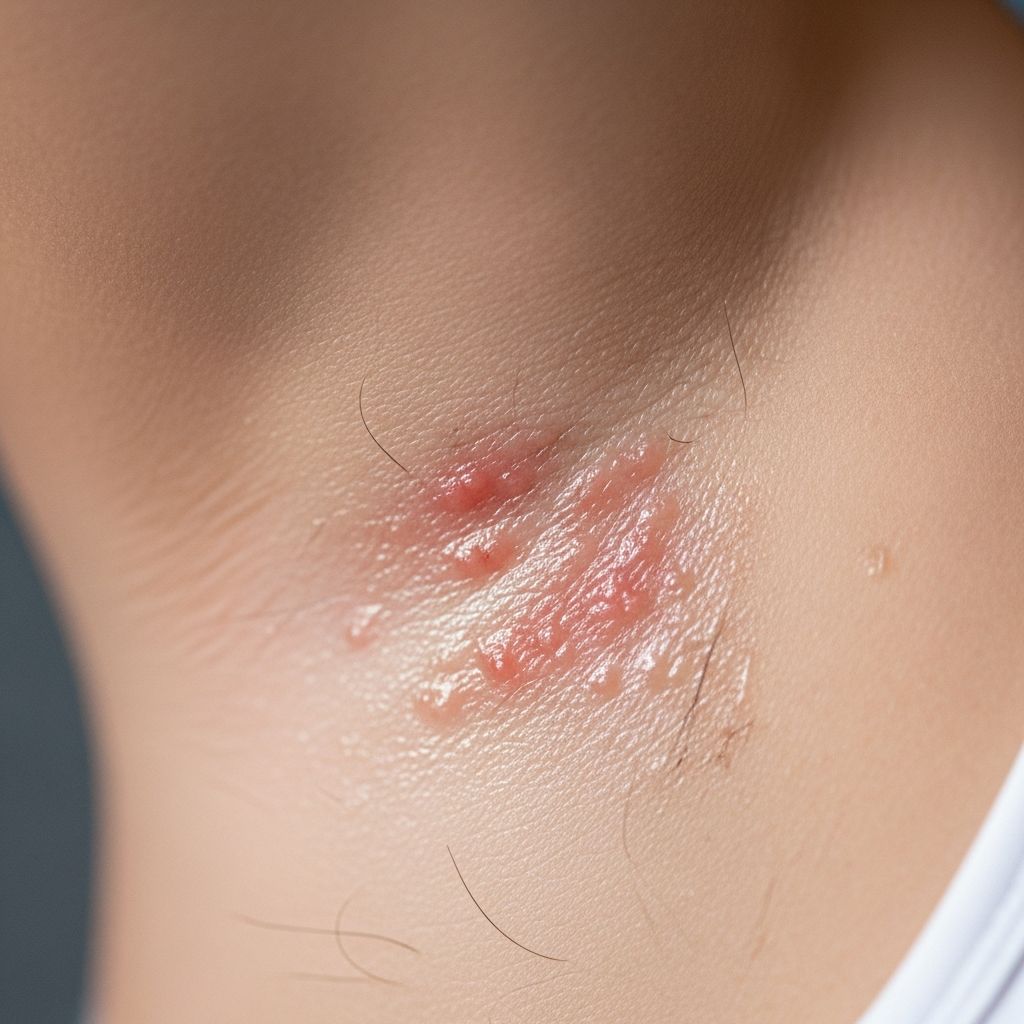
An armpit rash is an inflammatory skin condition affecting the underarm area, characterized by redness, irritation, and discomfort. The armpits are particularly susceptible to rashes due to their warm, moist environment, which creates ideal conditions for bacterial growth, fungal infections, and irritant accumulation. Unlike rashes on other parts of the body, armpit rashes can be especially bothersome because of the constant friction from arm movement and clothing, which can exacerbate symptoms and prolong healing.
The skin in the armpit region is thinner and more sensitive than other areas of the body, making it more reactive to irritants and allergens. This increased vulnerability means that substances that might not affect other areas can trigger significant reactions in the underarm area. Understanding the underlying causes of armpit rashes is essential for proper treatment and prevention of future occurrences.
Common Causes of Armpit Rash
Contact Dermatitis
Contact dermatitis is one of the most frequent causes of armpit rashes. This condition occurs when the skin comes into direct contact with an allergen or irritating substance. The reaction typically appears a few hours to several days after exposure, presenting as a visible rash with distinct borders that appear exactly where contact occurred with the irritating substance.
Common triggers for armpit contact dermatitis include:
- Deodorant and antiperspirant products containing fragrances, aluminum compounds, or preservatives
- Laundry detergents and fabric softeners with harsh chemicals or strong scents
- Synthetic fabrics that trap moisture and prevent skin breathing
- Body lotions and personal care products with irritating ingredients
- Latex from clothing elastic or bra components
- Nickel from jewelry or clothing fasteners
Symptoms of contact dermatitis include itchy, scaly, or raw skin that appears red in light skin tones and darker brown, purple, or gray in darker skin tones. Blisters may develop that weep, ooze, or become crusty. The condition typically resolves within 2 63 weeks once the offending substance is removed, though this timeframe can vary depending on the severity of exposure.
Fungal Infections
Fungal infections represent another significant cause of armpit rashes, with tinea corporis (ringworm) being particularly common in warm, humid environments like the underarm area. Fungi thrive in moist conditions and can cause a raised ring-shaped rash. Candida yeast infections may also develop in the armpits, creating red, itchy patches that may have a macerated or tender appearance.
Fungal rashes typically present with scaling, burning sensations, and sometimes a distinct border. They are contagious and can spread to other areas of the body through scratching or contact. Unlike bacterial infections, fungal infections require specific antifungal treatments and may persist without proper medical intervention.
Bacterial Infections
Bacterial infections in the armpit area can range from minor to serious. Folliculitis, caused by bacteria infecting hair follicles, produces small red bumps that may contain pus. More serious bacterial infections include MRSA (methicillin-resistant Staphylococcus aureus), which presents as a painful, raised, red bump that may drain pus and requires urgent medical attention.
Related Stories



Cellulitis is a spreading bacterial infection that causes a discolored, swollen rash that is painful and expands over time 6this is considered a medical emergency. Proper diagnosis and antibiotic treatment are essential for bacterial infections to prevent complications such as blood infections or systemic illness.
Irritant Dermatitis
Irritant dermatitis differs from contact dermatitis in that it results from repeated exposure to mild irritants rather than a single contact event. Factors contributing to irritant dermatitis in the armpit include excessive sweating, friction from clothing, poor personal hygiene, and prolonged moisture exposure. This type of rash develops gradually and can become chronic if the irritating factors persist.
Heat Rash and Sweat-Related Conditions
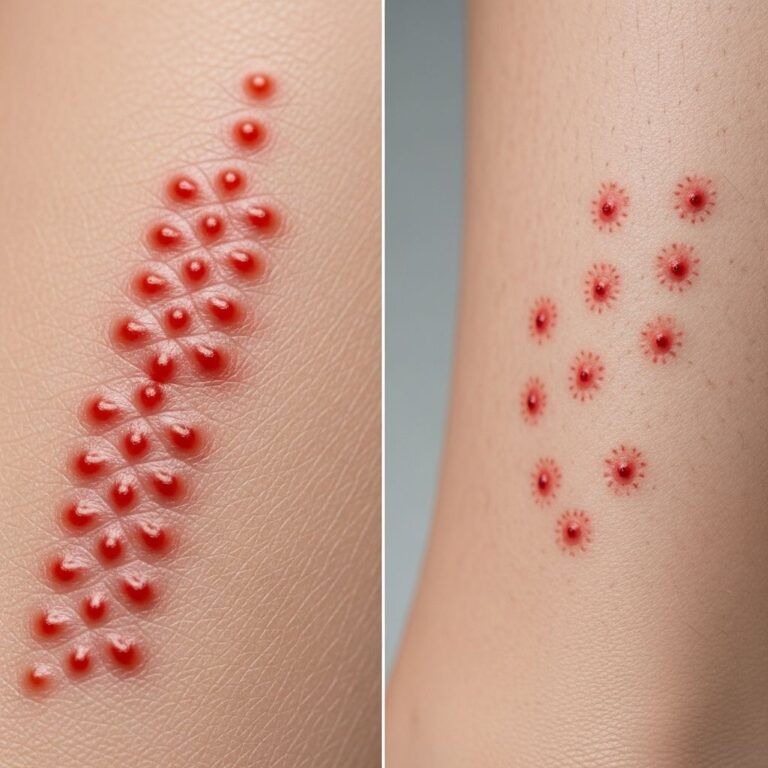
Heat rash (prickly heat) develops when sweat ducts become blocked in warm, humid conditions. The armpits are particularly prone to heat rash due to their anatomy and constant moisture accumulation. This condition causes small red bumps or blisters and is characterized by intense itching and burning sensations, especially during or after sweating.
Other Causes
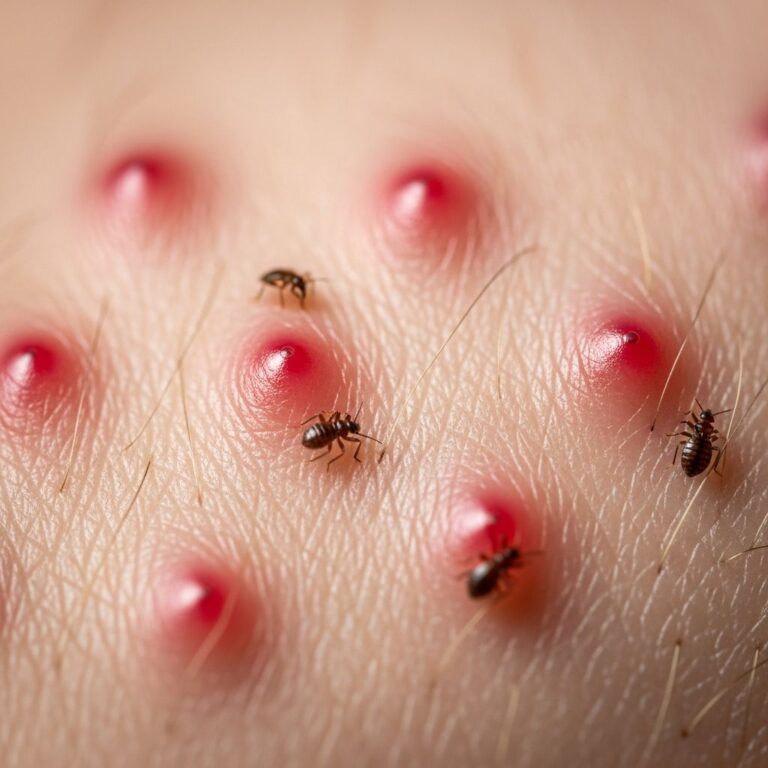
Additional causes of armpit rashes include allergic reactions to foods, pollen, or dust mites that manifest as hives, seborrheic keratosis (a benign growth with a “stuck-on” appearance), and dermatological conditions such as eczema or psoriasis. Scabies, a parasitic infestation, produces an extremely itchy rash that may appear pimple-like or as tiny blisters, with symptoms potentially taking 4 66 weeks to appear.
Recognizing Symptoms
The symptoms of armpit rashes vary depending on the underlying cause but commonly include:
- Visible redness or discoloration of the skin
- Itching or burning sensations
- Swelling or inflammation
- Scaling, peeling, or flaking skin
- Blisters, oozing, or crusting
- Pain or tenderness
- Raised bumps or pustules
- Unpleasant odor (in some bacterial or fungal cases)
- Skin thickening or darkening over time
Pay attention to any discharge, spreading patterns, or systemic symptoms like fever, which may indicate a more serious infection requiring urgent medical evaluation.
When to See a Doctor
Seek medical attention promptly if you experience:
- Severe pain or swelling that interferes with arm movement
- Signs of infection such as pus, warmth, or fever
- Rash that spreads rapidly or covers a large area
- Symptoms persisting longer than two weeks despite home treatment
- Difficulty breathing or swelling in the face or throat (signs of severe allergic reaction)
- Any indication of cellulitis or MRSA infection, which are medical emergencies
A healthcare provider can perform proper diagnosis through visual examination, cultures, or other testing and recommend appropriate treatment tailored to the specific cause.
Treatment and Management Options
Home Remedies
Several evidence-based home care strategies can alleviate armpit rash symptoms:
- Keep the area clean and dry: Gently wash with mild soap and water, then thoroughly dry the armpit area
- Apply cool compresses: Use a clean, damp cloth to reduce inflammation and itching
- Wear breathable clothing: Choose natural fabrics like cotton that allow air circulation
- Avoid irritants: Switch to hypoallergenic, fragrance-free deodorants and gentle laundry products
- Use moisturizer: Apply fragrance-free moisturizer to prevent excessive dryness, especially after bathing
- Limit sweating triggers: Avoid excessive heat and strenuous activity until the rash heals
Over-the-Counter Treatments
Non-prescription options include topical creams and ointments such as hydrocortisone cream for inflammation, antifungal creams for fungal infections, and antihistamine creams for itching. Oral antihistamines may provide relief from itching and allow better sleep. Always follow package directions and discontinue use if symptoms worsen.
Prescription Treatments
For bacterial infections such as MRSA, doctors prescribe powerful antibiotics. Severe fungal infections may require prescription-strength antifungal medications. Systemic corticosteroids or stronger topical steroids may be necessary for severe contact dermatitis or eczema-related rashes. Viral infections may be managed with recommended over-the-counter medications and home treatments, though conditions like herpes cannot be cured but can have symptoms eased with medications.
Prevention Strategies
Preventing armpit rashes involves minimizing exposure to triggers and maintaining optimal skin health:
- Test new products on a small area before full application
- Choose deodorants and personal care products designed for sensitive skin
- Wash workout clothes and bras after each use
- Change out of wet clothing promptly after sweating or swimming
- Maintain good personal hygiene with daily washing
- Avoid tight-fitting clothing that creates friction
- Keep the armpit area dry throughout the day
- Consider barrier products if you know you’re prone to rashes
Frequently Asked Questions
Q: Can armpit rash be contagious?
A: Some armpit rashes are contagious, particularly those caused by fungal infections like ringworm, bacterial infections, and scabies. Contact dermatitis and heat rash are not contagious. Consult a healthcare provider to determine if your specific rash is contagious and what precautions to take.
Q: How long does an armpit rash typically last?
A: Duration varies by cause. Contact dermatitis usually resolves within 2 63 weeks after removing the trigger. Fungal infections may take several weeks of treatment. Heat rash typically improves within days in a cooler environment. Bacterial infections require antibiotics and may take 1 62 weeks to resolve. Persistent rashes lasting more than two weeks warrant medical evaluation.
Q: What’s the difference between armpit rash and other skin conditions?
A: Armpit rashes are characterized by localized inflammation, redness, and irritation in the underarm area. While similar conditions like eczema or psoriasis can appear elsewhere on the body, armpit-specific rashes are typically triggered by moisture, friction, or product sensitivity unique to that area. A dermatologist can provide definitive diagnosis.
Q: Can diet affect armpit rash development?
A: While diet may trigger allergic reactions that manifest as hives in various areas including the armpits, diet typically doesn’t directly cause armpit rashes. However, foods causing histamine release could potentially worsen existing rashes. If you suspect food-related reactions, consult with an allergist.
Q: Is it safe to use deodorant if I have an armpit rash?
A: If your armpit rash is caused by deodorant sensitivity, discontinue use immediately. Once the rash heals, choose hypoallergenic, fragrance-free, aluminum-free products. During the acute phase, allow the area to breathe without any products unless specifically recommended by your healthcare provider.
References
- 25 Causes of Raised Skin Bumps (with Pictures) 6 Healthline. 2024. https://www.healthline.com/health/raised-skin-bump
- Contact Dermatitis 6 American Academy of Dermatology Association. Accessed January 2026. https://www.aad.org/public/diseases/eczema/contact-dermatitis
- Bacterial Skin Infections 6 Centers for Disease Control and Prevention (CDC). 2024. https://www.cdc.gov/groupastrep/diseases-public/strep/index.html
- Fungal Skin Infections 6 National Institute of Arthritis and Musculoskeletal and Skin Diseases (NIAMS). 2024. https://www.niams.nih.gov/health-topics/fungal-infections
- Cellulitis and Erysipelas 6 American Academy of Dermatology Association. Accessed January 2026. https://www.aad.org/public/diseases/contagious-skin-diseases/cellulitis
Similar Articles








Read full bio of medha deb