Armpit Rash From Deodorant: 5 Quick Remedies And Prevention
Discover why deodorants trigger underarm rashes, how to identify causes, and effective strategies for relief and prevention.
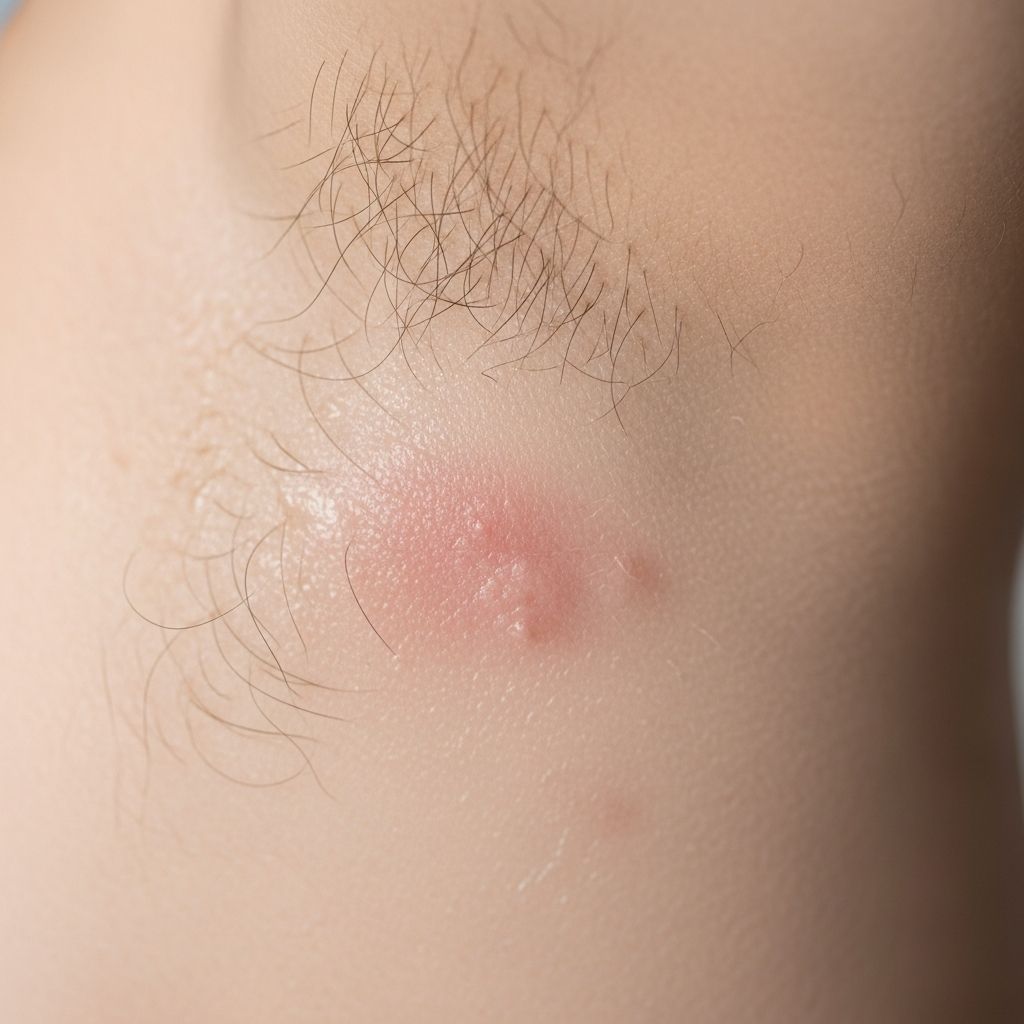
Underarm rashes linked to deodorant use affect many people, often stemming from sensitivity to ingredients like fragrances, preservatives, or aluminum compounds. These reactions manifest as redness, itching, or burning, disrupting daily comfort. Understanding the triggers and remedies empowers better skin care choices.
Understanding Underarm Skin Sensitivity
The armpit area features thin, delicate skin folded in a warm, moist environment ideal for irritation. Constant movement causes friction, while sweat traps potential allergens from personal care products. Deodorants, designed to combat odor and sweat, frequently contain irritants that compromise this sensitive barrier.
Skin in this region lacks the robustness of other body areas, making it prone to reactions. Factors like shaving remove protective layers, heightening vulnerability to chemical exposure. Hormonal changes, stress, or humidity can exacerbate responses, turning routine product application into a source of discomfort.
Primary Triggers in Deodorants
Deodorants and antiperspirants harbor several culprits behind rashes. Fragrances top the list, as synthetic scents provoke allergic contact dermatitis in susceptible individuals. Preservatives such as parabens or triclosan maintain product stability but irritate skin upon repeated use.
Aluminum salts in antiperspirants block sweat glands, occasionally leading to sensitivity reactions characterized by small bumps or inflammation. Alcohol-based formulas dry out skin, prompting itchiness, while propylene glycol acts as a humectant but doubles as an allergen for some.
| Ingredient | Role | Potential Reaction |
|---|---|---|
| Fragrances | Scent | Redness, itching |
| Aluminum compounds | Sweat blocker | Bumps, swelling |
| Preservatives (e.g., parabens) | Stability | Allergic dermatitis |
| Alcohol | Drying agent | Dryness, burning |
| Propylene glycol | Moisturizer | Contact irritation |
Recognizing Rash Symptoms
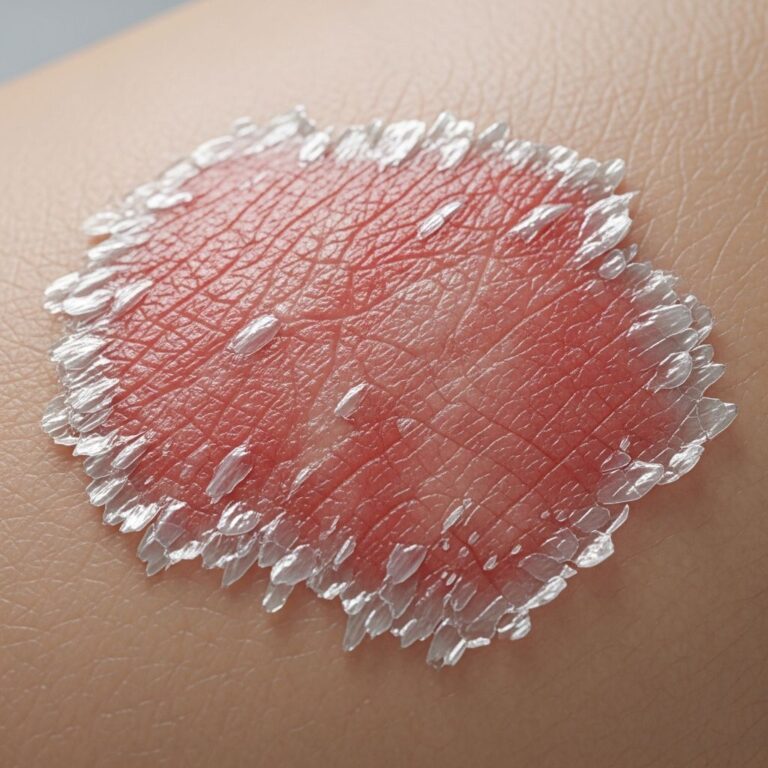
Early signs include mild redness or tingling post-application, progressing to intense itching, raised patches, or blistering. Allergic responses appear within hours to days, often with sharp boundaries matching application zones. Irritant reactions build gradually from cumulative exposure.
- Mild cases: Pink discoloration, slight itch.
- Moderate: Swollen, bumpy texture with persistent discomfort.
- Severe: Oozing, crusting, or widespread inflammation signaling possible infection.
Accompanying symptoms like odor or pustules hint at secondary issues such as yeast overgrowth, thriving in the damp conditions. Differentiating these aids targeted treatment.
Other Contributing Factors Beyond Deodorant
While deodorants often initiate problems, friction from tight clothing or skin-on-skin rubbing amplifies damage. Shaving introduces micro-cuts, inviting bacteria or fungi. Excessive sweating, or hyperhidrosis, creates a breeding ground for candida yeast, producing satellite pustules around red patches.
Bacterial culprits like corynebacterium cause erythrasma, with scaly, brownish patches. Hidradenitis suppurativa involves painful nodules in severe instances. Underlying conditions such as diabetes or eczema heighten risks by impairing skin integrity.
Step-by-Step Home Remedies
Immediate action involves halting deodorant use to allow skin recovery. Cleanse gently with lukewarm water and fragrance-free soap, patting dry thoroughly. Apply cool compresses for 10-15 minutes several times daily to calm inflammation.
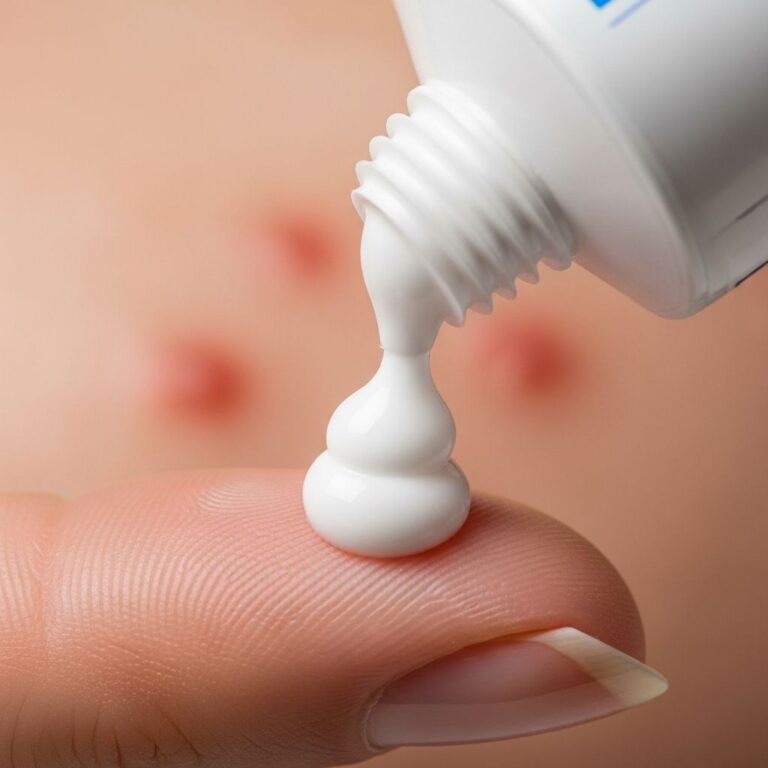
Over-the-counter hydrocortisone 1% cream reduces swelling and itch effectively for contact dermatitis. For suspected fungal involvement, clotrimazole or miconazole creams target candida. Zinc oxide ointments provide a protective barrier, mimicking diaper rash treatments.
- Discontinue suspect product.
- Apply OTC steroid cream sparingly twice daily.
- Moisturize with ceramide-based, unscented lotions.
- Use talc-free powder to absorb moisture.
- Avoid shaving until healed.
Antihistamines like loratadine offer oral relief from histamine-driven itch. Loose cotton clothing minimizes friction, promoting airflow.
Related Stories



Safe Deodorant Alternatives
Transition to hypoallergenic options free of fragrances, aluminum, and baking soda, which can irritate despite natural appeal. Crystal salts or glycopyrrolate wipes control sweat without pore blockage. Sensitive-skin lines from reputable brands emphasize minimal ingredients.
- Natural crystal deodorants using mineral salts.
- Fragrance-free roll-ons with probiotics.
- Aluminum-free sticks with arrowroot powder.
Patch-test new products on inner arm for 48 hours before underarm use. Gradually introduce to monitor tolerance.
Prevention Strategies for Long-Term Skin Health
Maintain dryness with breathable fabrics and post-shower drying. Shave at night allowing overnight recovery, using electric trimmers over razors when possible. Rotate products periodically to prevent sensitization buildup.
Incorporate gentle exfoliation weekly with soft cloths to remove dead skin without abrasion. Manage sweat through antiperspirant wipes applied sparingly. Stress reduction via exercise or mindfulness curbs flare-ups linked to immune overactivity.
When to Consult a Healthcare Professional
Seek dermatologist evaluation if rashes persist beyond two weeks, spread, or feature pus, fever, or lymph node swelling. Painful nodules or recurrent episodes warrant investigation for hidradenitis or psoriasis. Professionals may prescribe stronger topicals, oral antifungals, or antibiotics.
Biopsy or cultures confirm infections, while allergy patch testing identifies specific triggers. Early intervention prevents chronic issues.
Frequently Asked Questions
Can deodorant cause permanent skin damage?
Rarely, but repeated irritation may lead to post-inflammatory hyperpigmentation or thickened skin. Prompt treatment minimizes risks.
How long does a deodorant rash last?
Typically 3-7 days with proper care; infections extend to two weeks.
Is it safe to use natural deodorants?
Many are gentler, but baking soda content can still irritate. Choose truly hypoallergenic formulas.
Does shaving worsen armpit rashes?
Yes, by removing barriers and causing micro-trauma. Opt for alternatives during outbreaks.
Can diet influence underarm rashes?
Indirectly; high-sugar diets feed yeast, while anti-inflammatory foods support skin healing.
References
- Armpit Rash: Identify, Treat, and Prevent — Revival Research Institute. 2024. https://revivalresearch.org/blogs/armpit-rash/
- Dealing with an Armpit Rash? Here’s What You Need to Know — U.S. Dermatology Partners. 2023-10-15. https://www.usdermatologypartners.com/press-media/dealing-with-an-armpit-rash-heres-what-you-need-to-know/
- Armpit Rashes: Causes, Symptoms, Treatment, and Prevention — WebMD. 2025-01-12. https://www.webmd.com/skin-problems-and-treatments/armpit-rash
- Why Are My Armpits Itchy? Common Causes and How to Treat Them — Banner Health. 2024-05-20. https://www.bannerhealth.com/healthcareblog/better-me/common-causes-of-itchy-armpits-and-how-to-treat-them
- Armpit Yeast Infection: Symptoms, Causes, Treatment & Prevention — Cleveland Clinic. 2024-11-08. https://my.clevelandclinic.org/health/diseases/22908-armpit-yeast-infection
- Armpit Rash: 12 Possible Causes and How to Treat Them — Healthline. 2024-09-03. https://www.healthline.com/health/how-to-get-rid-of-an-armpit-rash
Similar Articles








Read full bio of Sneha Tete