Arnica Gel For Pain Relief: 5 Benefits And Uses
Discover how arnica gel may help ease muscle aches, joint pain, and inflammation as a natural remedy.
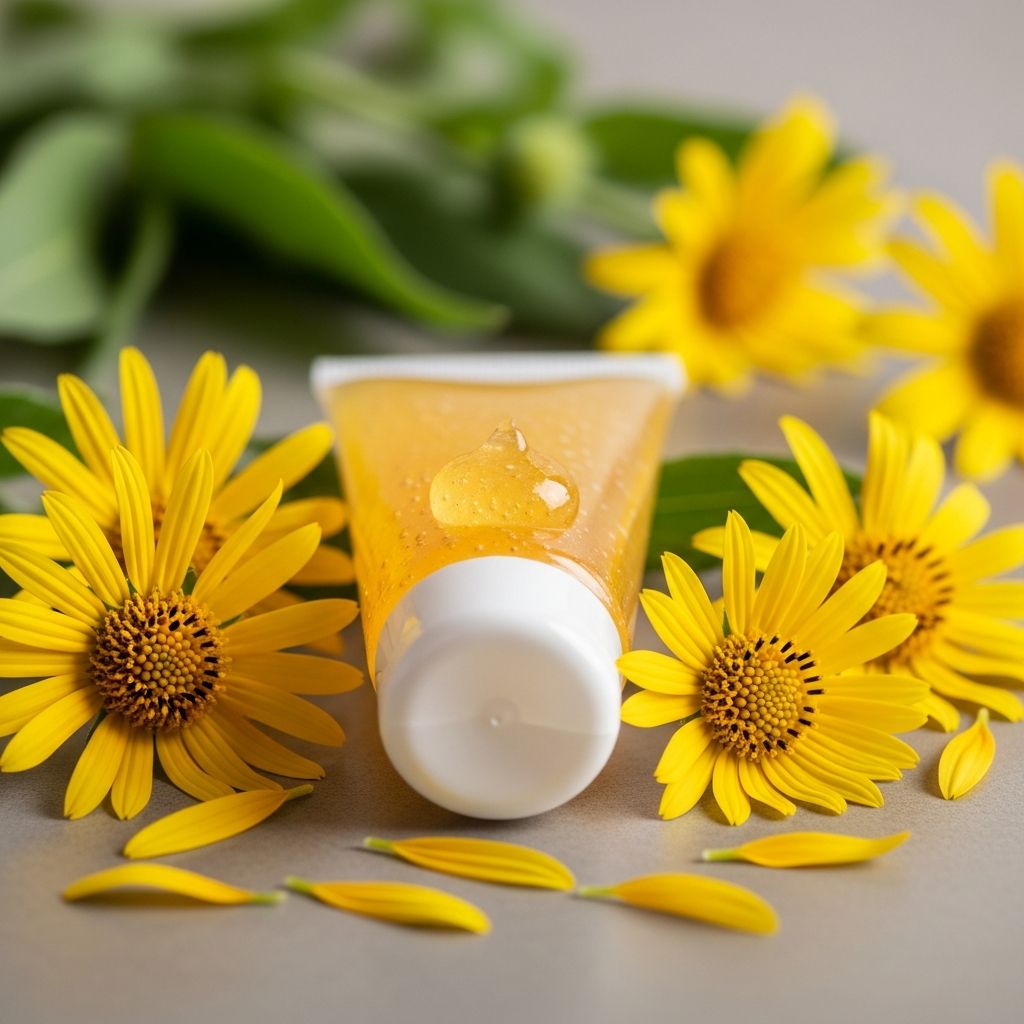
Arnica gel, derived from the Arnica montana plant, is a popular natural remedy used for centuries to alleviate pain, reduce swelling, and promote healing from injuries. This topical treatment is particularly sought after for chronic pain conditions like arthritis, muscle strains, and bruises, offering a plant-based alternative to conventional painkillers.
What Is Arnica Gel?
Arnica gel is a topical preparation made from extracts of Arnica montana, a perennial herb in the sunflower family (Asteraceae), related to daisies and chamomile. Traditionally used in folk medicine for wounds, inflammation, and pain, it contains bioactive compounds like helenalin, flavonoids, and polysaccharides that contribute to its anti-inflammatory and analgesic properties.
The gel form is unscented, non-greasy, and quickly absorbed, making it ideal for targeted application on affected areas. Homeopathic versions, such as those diluted to various potencies (1X to 30X), are common, though strengths vary by manufacturer. It’s widely available over-the-counter for self-care in managing minor injuries, overexertion, and stiffness.
How Does Arnica Gel Work?
Arnica’s potential pain-relieving effects stem from its chemical components, which exhibit anti-inflammatory, antioxidant, and antimicrobial activities. Helenalin, a key sesquiterpene lactone, inhibits inflammatory pathways, while polysaccharides and flavonoids reduce swelling and oxidative stress in animal and cell studies.
Although human trials show mixed results, mechanisms include suppressing pro-inflammatory cytokines, improving blood flow, and modulating immune responses. These actions may explain its use in reducing postoperative edema and muscle soreness, positioning it as a complementary therapy rather than a standalone cure.
Benefits of Arnica Gel
- Muscle Pain and Soreness: Effective for exercise-induced aches, with studies showing reduced pain scores after application post-strenuous activity.
- Bruises and Swelling: Promotes faster resolution of discoloration and edema from minor trauma.
- Joint Pain from Arthritis: Comparable to ibuprofen in reducing osteoarthritis pain in hands and knees.
- Postoperative Recovery: May lower opioid needs and match NSAIDs in pain control after surgery.
- Lower Back Pain: Low-quality evidence suggests improved flexibility and pain perception with twice-daily gel use.
Overall, arnica gel provides a gentle, natural option with fewer side effects than oral NSAIDs, making it suitable for long-term chronic pain management.
Scientific Evidence on Arnica Gel
Clinical trials yield promising yet inconsistent results. A 2021 review of trials found arnica gels and extracts significantly reduced pain in arthritis and back pain cases, with one study noting lower pain scores after six weeks of knee osteoarthritis treatment.
For postoperative pain, a meta-analysis of 18 trials showed arnica’s small but clinically relevant effect, comparable to diclofenac, especially in reducing opioid use post-mastectomy. In hand osteoarthritis, arnica gel matched ibuprofen’s efficacy over three weeks.
Related Stories



However, some trials reported no superiority over placebo for surgical pain or certain muscle strains. A Cochrane review on back pain deemed evidence low-quality due to small sample sizes. Larger, standardized studies are needed to confirm benefits.
| Condition | Key Findings | Comparison |
|---|---|---|
| Postoperative Pain | Mixed; reduced pain in hand surgery, opioids post-mastectomy | Similar to diclofenac/NSAIDs |
| Osteoarthritis (Hand/Knee) | Significant pain reduction after 3-6 weeks | Comparable to ibuprofen |
| Lower Back Pain | Low-quality evidence of pain/flexibility improvement | Vs. placebo gel |
| Muscle Soreness | Reduced post-exercise pain in some trials | Topical vs. placebo |
How to Use Arnica Gel
- Clean the Area: Wash and dry the skin thoroughly.
- Apply Sparingly: Squeeze a pea-sized amount and massage gently 2-3 times daily.
- Avoid Broken Skin: Do not use on open wounds or mucous membranes.
- Duration: Use for up to 3 weeks; consult a doctor for persistent pain.
- Combine if Needed: Pair with rest, ice, or physical therapy for best results.
Always follow product instructions, as concentrations differ. Homeopathic gels are typically safe for frequent use.
Safety and Side Effects
Arnica gel is generally safe for topical use, with the FDA regarding it as low-risk. Common side effects are mild: skin irritation, rash, or itching, especially in those allergic to Asteraceae plants like ragweed or chamomile.
Contraindications:
- Pregnant or breastfeeding individuals (insufficient data).
- Those on blood thinners (coumarin content may enhance effects).
- Open wounds or eyes/mouth.
Oral arnica can cause serious issues like vomiting or heart problems at high doses—stick to topical gels. Consult a healthcare provider if combining with medications or for children.
Arnica Gel vs. Other Pain Relievers
| Treatment | Pros | Cons | Best For |
|---|---|---|---|
| Arnica Gel | Natural, few systemic effects, affordable | Mixed evidence, topical only | Mild-moderate pain, inflammation |
| Ibuprofen Gel | Strong anti-inflammatory, proven | GI risks with oral form | Acute sprains |
| Opioids | Potent for severe pain | Addiction risk, side effects | Post-surgery (short-term) |
| CBD Cream | Relaxing, non-psychoactive | Less studied for pain | Neuropathic pain |
Arnica shines as a well-tolerated alternative, potentially reducing reliance on pharmaceuticals.
Frequently Asked Questions (FAQs)
Is arnica gel effective for chronic pain?
Clinical evidence suggests yes for conditions like osteoarthritis and muscle pain, with effects similar to NSAIDs, though results vary.
Can I use arnica gel every day?
Yes, for up to 3 weeks on intact skin, 2-3 times daily. Discontinue if irritation occurs.
Does arnica gel reduce bruising?
Studies indicate it speeds bruise healing by reducing swelling and improving circulation.
Is arnica gel safe for seniors with arthritis?
Generally safe topically; check for allergies and drug interactions first.
How long until arnica gel works?
Relief may start within hours for acute pain, building over days for chronic issues.
Who Should Consider Arnica Gel?
Ideal for those seeking natural remedies for everyday aches, athletes recovering from workouts, or arthritis sufferers wanting to minimize pill use. It’s not a substitute for medical advice—see a doctor for severe or persistent pain.
In summary, while more research is warranted, arnica gel’s track record in trials supports its role in pain management, offering a safe, accessible option rooted in tradition and science.
References
- Arnica: Relief from aches and pains? — Mickie Cathers, Pharmacist.com. 2021-10-09. https://www.pharmacist.com/Blogs/CEO-Blog/Article/arnica-relief-from-aches-and-pains
- Clinical Trials, Potential Mechanisms, and Adverse Effects of Arnica — A.G. Smith et al., PMC (PubMed Central). 2021-10-19. https://pmc.ncbi.nlm.nih.gov/articles/PMC8537440/
Similar Articles








Read full bio of medha deb