Aromatase Inhibitors: 3 Drugs, Uses, And Side Effects
Comprehensive overview of aromatase inhibitors: their role in breast cancer treatment, how they work, benefits, risks, and patient guidance.
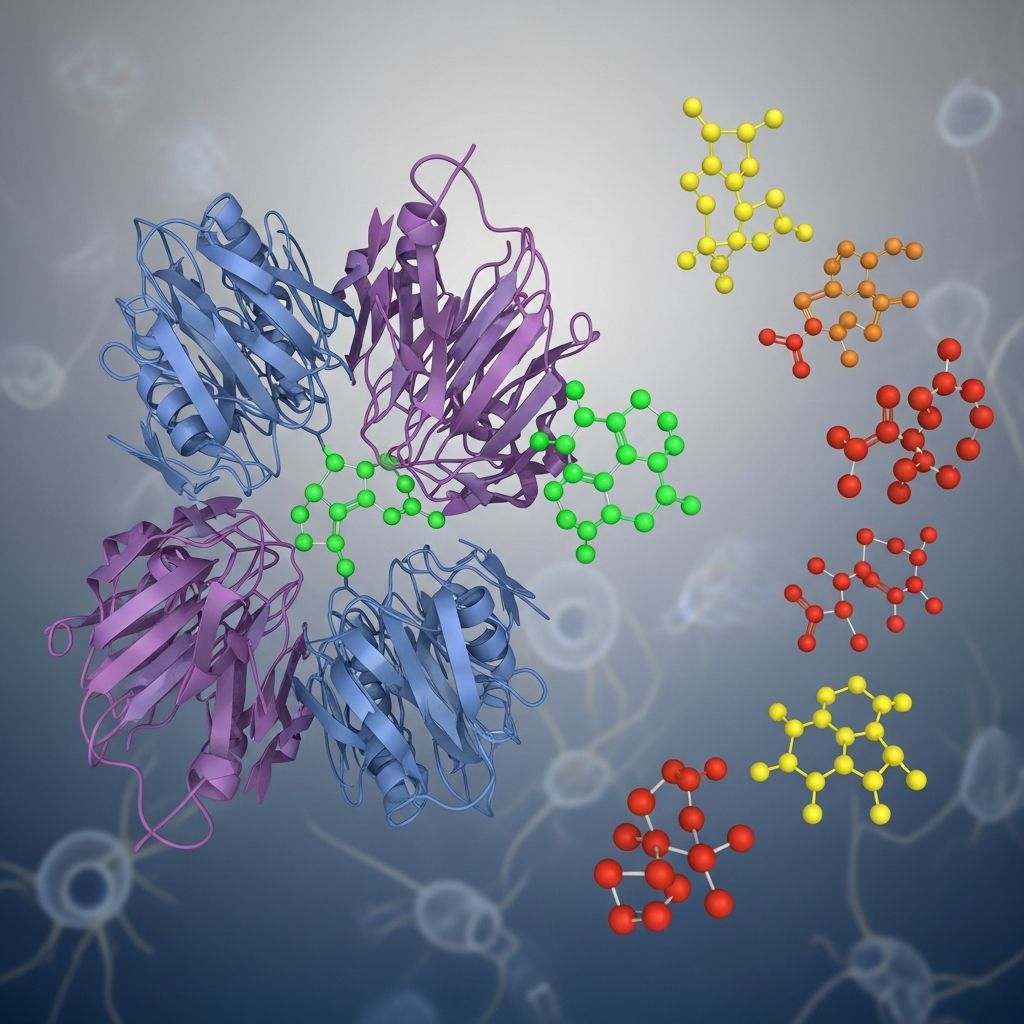
Aromatase inhibitors represent a cornerstone in the management of hormone-dependent cancers, particularly breast cancer in postmenopausal individuals. These medications work by disrupting the body’s estrogen production, thereby slowing or halting the growth of cancer cells that rely on this hormone for proliferation.
Understanding the Science Behind Aromatase Inhibitors
The human body produces estrogen through a complex enzymatic process involving aromatase, a cytochrome P450 enzyme that converts androgens like testosterone into estrogens such as estradiol. In premenopausal women, the ovaries are the primary estrogen source, but after menopause, peripheral tissues including fat, muscle, and skin take over this role via aromatase activity.
Aromatase inhibitors (AIs) specifically target this enzyme, preventing the aromatization of androgens to estrogens. This leads to a significant reduction in circulating estrogen levels, which is crucial for treating estrogen receptor-positive (ER+) breast cancers. By starving these cancer cells of their growth fuel, AIs promote tumor regression or stabilization.
There are two main classes of AIs: non-steroidal (reversible, competitive inhibitors like anastrozole and letrozole) and steroidal (irreversible, mechanism-based inhibitors like exemestane). Non-steroidal types bind to the enzyme’s active site, blocking substrate access, while steroidal ones are processed by the enzyme into reactive intermediates that permanently inactivate it.
Primary Clinical Applications
AIs are predominantly prescribed for postmenopausal women with early-stage or advanced ER+ breast cancer. They serve as adjuvant therapy post-surgery to prevent recurrence, neoadjuvant therapy to shrink tumors before surgery, and first-line treatment for metastatic disease.
- Adjuvant Setting: Following surgery, radiation, or chemotherapy, AIs reduce the risk of cancer returning by up to 50% compared to tamoxifen in some studies.
- Metastatic Breast Cancer: As initial endocrine therapy, offering superior progression-free survival over older agents.
- Extended Therapy: Continuation beyond five years in high-risk patients to further lower recurrence rates.
Emerging uses include combination with ovarian suppression in premenopausal women and off-label applications in conditions like endometriosis, where local estrogen production fuels tissue growth.
Common Medications and Dosing Regimens
Three third-generation AIs dominate clinical practice due to their potency and selectivity:
| Drug Name | Type | Standard Dose | Key Notes |
|---|---|---|---|
| Anastrozole (Arimidex) | Non-steroidal | 1 mg daily | Oral tablet; well-tolerated with rapid onset. |
| Letrozole (Femara) | Non-steroidal | 2.5 mg daily | Highest potency; effective in tamoxifen-resistant cases. |
| Exemestane (Aromasin) | Steroidal | 25 mg daily | Irreversible binding; androgenic properties may benefit bone health. |
These doses are typically taken orally once daily, with or without food, for durations ranging from 5 to 10 years depending on risk factors.
Managing Side Effects Effectively
While effective, AIs can cause estrogen deprivation symptoms. Common issues include:
- Musculoskeletal Pain: Joint stiffness and bone pain affect up to 50% of users, often improving with exercise or NSAIDs.
- Bone Density Loss: Increased osteoporosis risk; baseline DEXA scans and bisphosphonates are recommended.
- Hot Flashes and Fatigue: Vasomotor symptoms mimic menopause; lifestyle adjustments help.
- Cardiovascular Risks: Slight elevations in cholesterol; monitoring lipids is advised.
Rare but serious effects include fractures, cardiovascular events, and hypercholesterolemia. Regular monitoring with bone density tests every 1-2 years and lipid panels is standard.
Who Benefits Most from Aromatase Inhibitor Therapy?
Ideal candidates are postmenopausal women (natural or induced) with ER+ breast tumors. Premenopausal patients may qualify if ovaries are suppressed via GnRH agonists like goserelin. Contraindications include premenopausal status without suppression, pregnancy, and hypersensitivity.
Related Stories



Patient selection involves tumor hormone receptor status via biopsy, menopausal confirmation (FSH levels >30 IU/L), and comorbidity assessment.
Comparing Aromatase Inhibitors to Other Hormone Therapies
| Aspect | Aromatase Inhibitors | Tamoxifen (SERM) |
|---|---|---|
| Mechanism | Blocks estrogen synthesis | Blocks estrogen receptors |
| Patient Group | Postmenopausal | Premenopausal/Post |
| Efficacy in Adjuvant | Superior recurrence reduction | Effective but higher thrombosis risk |
| Side Effects | Bone loss, arthralgia | Endometrial cancer risk, clots |
Switching from tamoxifen to AIs after 2-3 years enhances outcomes in many protocols.
Overcoming Resistance to Treatment
Resistance develops in 20-30% of cases due to upregulated growth pathways (e.g., HER2, PI3K), estrogen-independent proliferation, or intratumoral aromatase mutations. Biomarkers like Ki-67 help predict response. Next-line options include fulvestrant, CDK4/6 inhibitors (palbociclib), or chemotherapy.
Lifestyle Tips for Patients on Aromatase Inhibitors
- Engage in weight-bearing exercises 150 minutes weekly to preserve bone health.
- Consume calcium (1200 mg/day) and vitamin D (800-2000 IU/day).
- Maintain a heart-healthy diet low in saturated fats.
- Monitor for mood changes; seek counseling if needed.
- Attend all follow-up appointments for adherence and side effect management.
Future Directions in Aromatase Inhibitor Research
Ongoing trials explore AI combinations with immunotherapies, PI3K inhibitors, and novel agents to combat resistance. Personalized medicine via genomic profiling promises tailored regimens. Long-term data emphasize cardiovascular and bone safety improvements.
Frequently Asked Questions (FAQs)
What if I experience severe joint pain on an AI?
Consult your oncologist; options include dose reduction, switching AIs, or duloxetine. Physical therapy often provides relief.
Can AIs be used in men with breast cancer?
Yes, though tamoxifen is more common; AIs effectively lower estrogen in male patients.
How long should I take an aromatase inhibitor?
Typically 5-10 years, guided by recurrence risk and tolerability.
Do AIs increase heart disease risk?
Slightly via lipid changes; statins or lifestyle measures mitigate this.
Are generic versions available?
Yes, all three are off-patent, ensuring affordability.
Aromatase inhibitors have revolutionized breast cancer care, offering durable remissions with manageable risks. Close collaboration with healthcare teams ensures maximal benefits.
References
- Aromatase Inhibitors – StatPearls — NCBI Bookshelf. 2023-08-08. https://www.ncbi.nlm.nih.gov/books/NBK557856/
- Aromatase inhibitor — Wikipedia. 2026-02-20. https://en.wikipedia.org/wiki/Aromatase_inhibitor
- Aromatase Inhibitors in the Treatment of Breast Cancer — Endocrine Reviews, Oxford Academic. 2005-05-01. https://academic.oup.com/edrv/article/26/3/331/2355224
- Definition of aromatase inhibitor — National Cancer Institute. Accessed 2026. https://www.cancer.gov/publications/dictionaries/cancer-terms/def/aromatase-inhibitor
- Aromatase inhibitors (anastrozole, exemestane and letrozole) — Breast Cancer Now. Accessed 2026. https://breastcancernow.org/about-breast-cancer/treatment/hormone-endocrine-therapy/aromatase-inhibitors-anastrozole-exemestane-and-letrozole
- Understanding the mechanisms of aromatase inhibitor resistance — PMC. 2012-10-25. https://pmc.ncbi.nlm.nih.gov/articles/PMC3496110/
Similar Articles








Read full bio of medha deb