Aromatherapy: Do Essential Oils Really Work?
Exploring the science behind essential oils and their effectiveness for health and wellness.
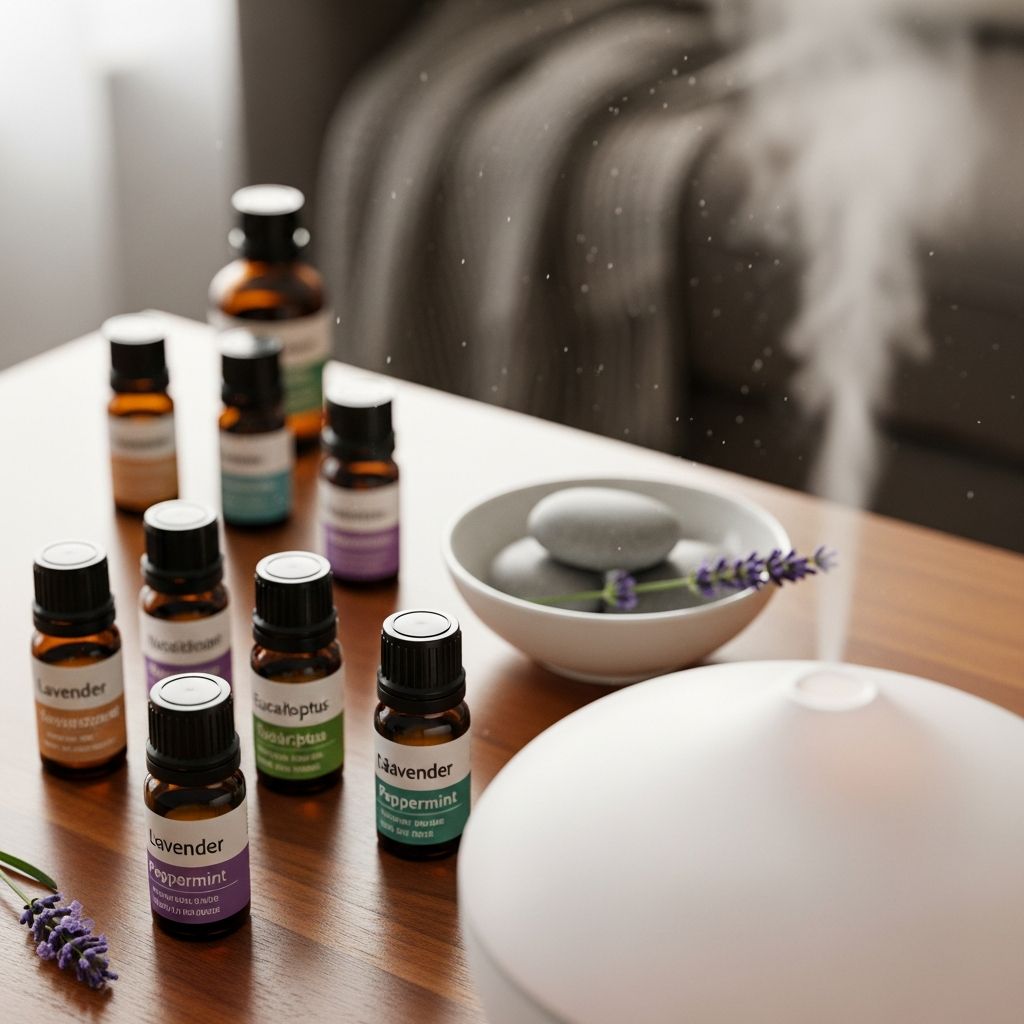
Essential oils have become increasingly popular in recent years, appearing in diffusers, personal care products, and wellness routines across the globe. Many people turn to these concentrated plant extracts seeking relief from stress, anxiety, sleep problems, and various other health concerns. However, the question remains: do essential oils actually work, or is the perceived benefit primarily placebo? Understanding the science behind aromatherapy, examining existing research, and learning proper usage guidelines can help you make informed decisions about incorporating essential oils into your wellness routine.
Understanding Essential Oils and Aromatherapy
Essential oils are concentrated plant extracts obtained through mechanical pressing or distillation of elements such as leaves, flowers, bark, roots, or fruit. These potent liquids capture the natural aromatic compounds of plants and have been used for centuries in traditional medicine practices across various cultures. The extraction process concentrates these compounds, making them significantly more powerful than the original plant material.
Aromatherapy refers to the practice of using essential oils as a complementary health approach. While essential oils can be applied to the skin in diluted form or used in other applications, aromatherapy specifically focuses on inhaling the scent molecules. Proponents of aromatherapy suggest that when scent molecules are diffused and inhaled, they travel through olfactory nerves directly to the brain, potentially impacting the amygdala—the emotional center of the brain. This mechanism theoretically allows essential oils to influence mood, emotions, and certain physiological responses.
The Proposed Mechanisms of Action
The theory behind how essential oils might work involves several pathways. When you inhale essential oils, the aromatic compounds enter your nasal passages and interact with olfactory receptors. These receptors send signals to the olfactory bulb, which is directly connected to the limbic system—the part of your brain responsible for emotions, memory, and stress responses. This direct neural pathway is why some researchers believe aromatherapy could influence mood and emotional states more rapidly than other interventions.
Additionally, some essential oils contain compounds with documented chemical properties. For example, lavender contains linalool and linalyl acetate, which have been studied for their potential calming effects. Peppermint contains menthol, which may help relieve certain types of pain and improve respiratory function. Tea tree oil contains terpineol and other compounds with antimicrobial properties. Understanding these individual chemical components is crucial to separating fact from marketing hype.
What Does the Research Say?
The scientific evidence regarding essential oils presents a mixed picture. While some studies show promising results, many have significant limitations in their methodology, sample size, or design. Research has shown inconsistent findings regarding the effectiveness of essential oils for various conditions.
Positive Findings: Some research suggests potential benefits in specific areas. Studies on lavender have shown it may help reduce anxiety and improve sleep quality in certain populations. One study found that participants who regularly inhaled rose water oil experienced significant decreases in anxiety levels after four weeks. However, much of the evidence remains anecdotal, with people reporting benefits such as enhanced relaxation, improved sleep, mood elevation, and general wellness support.
Mixed and Inconclusive Results: Other studies have produced less definitive outcomes. Research evaluating the effects of aromatherapy on medical office-induced anxiety in children showed no significant differences between groups receiving diffused bergamot essential oil and control groups. Additionally, studies examining the effects of aromatherapy massage on sleep onset, sleep duration, and waking from sleep reported no significant differences between nights when the aromatherapy massage was given and when it was not.
Research Limitations: A significant challenge in essential oil research is the lack of large-scale, rigorously controlled clinical trials. Many existing studies suffer from small sample sizes, inadequate control groups, or reliance on self-reported outcomes rather than objective measurements. Furthermore, the quality and composition of essential oils can vary significantly between manufacturers, making it difficult to replicate results across studies.
Commonly Cited Health Claims
Essential oils are marketed for numerous health benefits. The most commonly cited claims include:
- Stress and Anxiety Relief: Lavender and chamomile are frequently promoted for their calming properties
- Improved Sleep Quality: Several oils claim to enhance sleep onset and duration
- Pain Management: Peppermint and eucalyptus are often suggested for various types of pain
- Antimicrobial Properties: Tea tree and other oils are marketed for fighting bacteria and fungi
- Improved Mood: Citrus oils are commonly used for their uplifting potential
- Enhanced Focus and Concentration: Rosemary and peppermint are sometimes promoted for mental clarity
While some of these claims have preliminary research support, it’s important to recognize that marketed claims often exceed the strength of actual scientific evidence. Marketing materials may emphasize positive anecdotal reports while downplaying studies with negative or inconclusive results.
Specific Essential Oils and Their Properties
Lavender: Known for its calming properties, lavender essential oil is among the most researched. Some studies suggest it may reduce stress and anxiety, support relaxation, improve sleep, and soothe sensitive skin. However, the research base, while more robust than for other oils, still contains methodological limitations.
Peppermint: Research suggests peppermint may help relieve IBS symptoms in adults and reduce tension headaches. It offers diuretic and anti-inflammatory properties and contains antioxidants that protect mucous membranes. Some studies on topical peppermint application show more consistent positive results than diffusion-based aromatherapy.
Tea Tree Oil: This oil is recognized for antiseptic, antifungal, and antimicrobial properties. Research supports its effectiveness when applied topically for conditions like acne, dandruff, lice, and athlete’s foot. However, it should never be ingested due to toxicity risks.
Citrus Oils: Lemon and orange oils are often used for their mood-boosting potential and fresh scents. While anecdotal reports support their use for mood elevation, rigorous clinical evidence remains limited.
Other Popular Oils: Chamomile, frankincense, bergamot, and ylang-ylang are also frequently used in aromatherapy practices, though scientific evidence for their effectiveness varies considerably.
Important Safety Considerations
Before using essential oils, it’s critical to understand proper safety guidelines. Essential oils are potent substances that require careful handling and should never be used carelessly.
FDA Regulation: Essential oils are not regulated by the FDA in the same way as pharmaceutical drugs. This means quality, purity, and potency can vary significantly between manufacturers and even between batches from the same company. The lack of regulatory oversight means consumers cannot always be certain about what they’re purchasing.
Ingestion Risks: Essential oils should never be ingested unless under the supervision of a qualified healthcare provider. Many essential oils are toxic when swallowed, and this risk applies equally to
Similar Articles







Read full bio of Sneha Tete