Arrhythmogenic Right Ventricular Dysplasia & Cardiomyopathy
Understanding ARVD/C: Causes, symptoms, diagnosis, and treatment options for this rare genetic heart condition.
Arrhythmogenic Right Ventricular Dysplasia and Cardiomyopathy (ARVD/C)
Arrhythmogenic right ventricular dysplasia/cardiomyopathy (ARVD/C), also known as arrhythmogenic right ventricular cardiomyopathy (ARVC), is a rare genetic disorder that affects the heart muscle. This condition is characterized by the progressive deterioration of the heart muscle tissue in the right ventricle, one of the heart’s two lower chambers. Over time, the damaged muscle tissue is replaced by fat and scar tissue, which weakens the heart’s ability to pump blood effectively and disrupts the electrical signals that control heartbeat rhythm. ARVD/C typically manifests during adulthood, though symptoms may appear as early as the teenage years or as late as middle age.
Understanding the Heart and ARVD/C
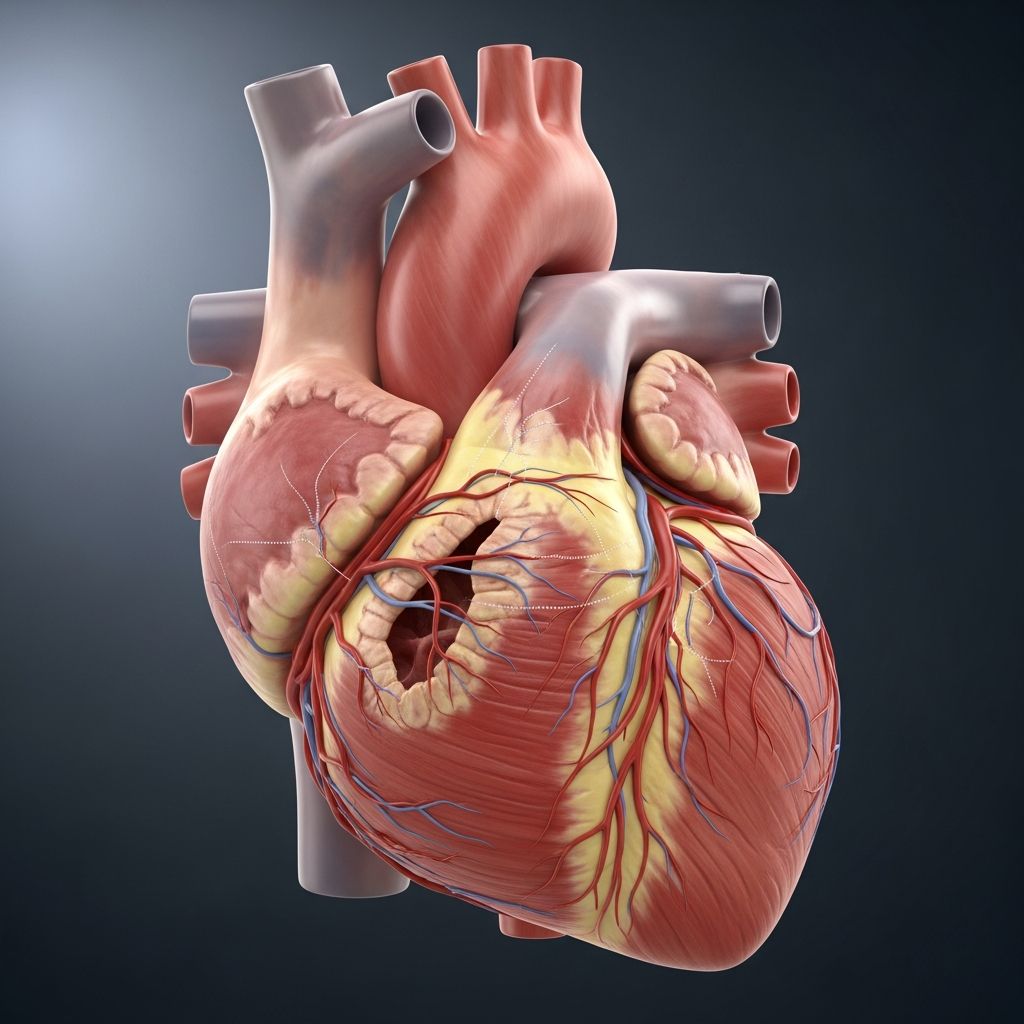
To comprehend ARVD/C, it is essential to understand the heart’s basic structure and function. The heart consists of four chambers: two upper chambers called atria and two lower chambers called ventricles. The right ventricle is responsible for pumping blood to the lungs, while the left ventricle pumps blood to the rest of the body. The heart muscle, known as the myocardium, is composed of specialized cells that contract in a coordinated manner to maintain steady blood flow throughout the body.
In ARVD/C, the myocardium of the right ventricle gradually breaks down and is replaced by fatty or fibrous (scar) tissue. This abnormal replacement tissue compromises the structural integrity of the heart wall, causing it to become thin and weak. Additionally, this process disrupts the electrical conduction system of the heart, which can lead to irregular heartbeats or arrhythmias. The progression of this disease can eventually result in heart failure if left untreated.
Prevalence and Epidemiology
ARVD/C is considered a rare condition, affecting fewer than 200,000 people in the United States. However, the actual prevalence may be underestimated due to difficulty in diagnosis and variable clinical presentation. The condition demonstrates a slight male predominance, with more men being affected than women. Most patients develop symptoms during early adulthood, with the average age at diagnosis occurring around 30 years old, though symptoms may first emerge between ages 10 and 50.
Causes of ARVD/C
Genetic Basis
ARVD/C is primarily a genetic disorder, with mutations in at least 13 different genes identified as causative factors. These genetic abnormalities are typically inherited in an autosomal dominant pattern, meaning that only one mutated copy of the gene is necessary to develop the disease. Almost half of all ARVD/C cases can be attributed to genetic mutations in specific heart muscle genes.
Desmosomal Gene Mutations
The most common cause of ARVD/C involves mutations in desmosomal genes. Desmosomes are cell structures that act as adhesive connections between heart muscle cells, providing structural strength to the myocardium and facilitating cell-to-cell communication. When mutations occur in desmosomal genes, the proteins that comprise these cell junctions become defective or insufficient, impairing their function. This leads to the detachment and death of heart muscle cells, particularly when the heart is subjected to stress, such as during vigorous exercise.
The most prevalent genetic mutation associated with ARVD/C occurs in the plakophilin-2 (PKP2) gene, which is responsible for producing a protein that supports heart muscle cell structure and communication. This mutation is found in approximately 45% of people diagnosed with genetic ARVD/C in the United States. Other desmosomal genes that can be mutated in ARVD/C include those encoding desmoglein, desmocollin, and desmoplakin proteins.
Related Stories



Non-Desmosomal Gene Mutations
Less commonly, mutations in non-desmosomal genes can cause ARVD/C. These genes have diverse functions, including cell signaling, providing structural support to heart muscle cells, and maintaining normal heart rhythm. Researchers continue to investigate how these mutations contribute to disease development.
Environmental and Acquired Factors
While genetic mutations are the primary drivers of ARVD/C, emerging evidence suggests that environmental and acquired factors may also influence disease development and progression. These factors may include repeated cardiac stress from intense physical activity, viral infections affecting the heart, and other systemic conditions. The interplay between genetic predisposition and environmental triggers remains an area of active research.
Pathophysiology of ARVD/C
The pathophysiological process in ARVD/C involves several interconnected mechanisms. Defective desmosomal proteins result in weak cell-to-cell connections within the myocardium. When the heart muscle experiences mechanical stress, such as during intense exercise or athletic activity, these weakened connections fail, causing heart muscle cells to separate and undergo programmed cell death (apoptosis).
As myocardial cells are progressively lost, the damaged tissue is replaced by fat and fibrous scar tissue in a process known as fibrofatty infiltration. This abnormal tissue accumulation causes the right ventricle walls to become stretched and thinned, impairing the chamber’s contractile function and ability to pump blood effectively. Additionally, the abnormal scar and fat tissue disrupts the electrical conduction pathways within the heart, leading to irregular electrical impulses that can trigger dangerous arrhythmias.
Clinical Presentation and Symptoms
Early-Stage Presentation
Many individuals with ARVD/C may not experience any symptoms during the early stages of the disease. However, even without noticeable symptoms, patients remain at significant risk of sudden cardiac death, particularly during strenuous physical activity. This silent presentation makes the condition particularly dangerous, as individuals may engage in intense exercise without awareness of their cardiac vulnerability.
Common Symptoms
When symptoms do develop, they typically include the following manifestations:
- Palpitations—sensations of heart fluttering, pounding, skipping beats, or racing
- Lightheadedness or dizziness
- Fainting (syncope), particularly after physical exertion
- Chest pain or discomfort
- Shortness of breath, especially with exertion or due to fluid accumulation in the lungs
- Fatigue or unusual tiredness
- Swelling in the feet, ankles, legs, or abdomen (peripheral or systemic edema)
Arrhythmias in ARVD/C
Ventricular arrhythmias are hallmark features of ARVD/C and frequently serve as the primary reason patients seek medical attention. These irregular heart rhythms originate in the ventricles and can range from minor palpitations to life-threatening conditions such as ventricular tachycardia or ventricular fibrillation. Episodes of arrhythmia are commonly triggered or worsened by physical exertion, emotional stress, or increased physical demands on the heart.
Disease Progression
In the later stages of untreated ARVD/C, the progressive deterioration of the myocardium can lead to severe heart failure. If both the right and left ventricles become involved, the prognosis becomes considerably more serious. The condition may also progress to involve the left ventricle, further compromising the heart’s ability to pump blood systemically and increasing the risk of atrial fibrillation and complete cardiac failure.
Diagnosis of ARVD/C
Clinical Evaluation
The diagnosis of ARVD/C begins with a thorough clinical history and physical examination. Healthcare providers will inquire about symptoms, their onset, triggers, and any family history of sudden cardiac death or heart disease. A family history of ARVD/C is particularly significant, as the condition is inherited, and family screening is recommended for relatives of affected individuals.
Electrocardiography (ECG)
The electrocardiogram is a fundamental diagnostic tool that records the heart’s electrical activity. In ARVD/C, characteristic ECG abnormalities may be present, including specific patterns such as epsilon waves and TWI (T-wave inversions) in the right precordial leads, which reflect the abnormal electrical conduction in the diseased right ventricle.
Imaging Studies
Echocardiography uses ultrasound to visualize the heart’s structure and function, allowing clinicians to assess the size, shape, and contractility of the ventricles. Cardiac magnetic resonance imaging (MRI) provides detailed images of the myocardium and is particularly useful for detecting the fatty and fibrous replacement tissue characteristic of ARVD/C. Right ventricular dysfunction, wall motion abnormalities, and fibrofatty infiltration can be clearly identified on MRI.
Genetic Testing
Genetic testing plays an increasingly important role in ARVD/C diagnosis. Identification of disease-causing mutations confirms the diagnosis and enables genetic counseling and family screening. Detection of an ARVC-related mutation is included in diagnostic criteria and highlights the importance of evaluating family members.
Signal-Averaged ECG
Signal-averaged electrocardiography can detect low-amplitude signals that indicate abnormal electrical activity in the heart, supporting the diagnosis of ARVD/C.
Differential Diagnosis
Several conditions can mimic ARVD/C and must be excluded during diagnostic evaluation, including sarcoidosis, congenital abnormalities, myocarditis, pulmonary hypertension, dilated cardiomyopathy, and athletic cardiac adaptation. Right ventricular outflow tract tachycardia is another important differential diagnosis that may require electrophysiological studies to distinguish from ARVD/C.
Management and Treatment
Lifestyle Modifications
Individuals diagnosed with ARVD/C should restrict participation in intense competitive sports and strenuous physical activity, as exercise-induced stress can trigger dangerous arrhythmias. Healthcare providers typically recommend moderate, low-intensity activity and guidance on appropriate exercise levels based on individual cardiac status.
Pharmacological Management
Antiarrhythmic medications are commonly prescribed to reduce the frequency and severity of irregular heart rhythms. Beta-blockers are often used as first-line agents due to their ability to slow heart rate and reduce the force of cardiac contractions. Other antiarrhythmic drugs may be added based on individual patient response and arrhythmia patterns.
Implantable Cardioverter-Defibrillator (ICD)
Patients at high risk for sudden cardiac death may benefit from ICD implantation. This device continuously monitors heart rhythm and delivers electrical therapy if dangerous arrhythmias develop, effectively preventing sudden cardiac death. ICD placement is considered an essential intervention for many patients with ARVD/C.
Monitoring and Follow-up
Regular cardiac monitoring through periodic ECGs, echocardiography, and Holter monitoring helps track disease progression and treatment efficacy. Ongoing communication with cardiologists specializing in arrhythmia management ensures optimal care.
Prognosis and Outcomes
The prognosis for individuals with ARVD/C varies depending on disease severity, extent of myocardial involvement, presence of ventricular arrhythmias, and treatment adherence. With appropriate medical management and lifestyle modifications, many patients can achieve a reasonable quality of life. However, without treatment, the progressive nature of the disease can lead to heart failure and increased mortality risk. The involvement of both ventricles generally indicates a worse prognosis than isolated right ventricular disease.
Frequently Asked Questions
Q: Is ARVD/C hereditary?
A: Yes, ARVD/C is primarily an autosomal dominant genetic disorder, meaning it is inherited in families. Approximately 45% of cases are linked to genetic mutations, particularly in the PKP2 gene. Family members of affected individuals should undergo genetic counseling and screening.
Q: Can ARVD/C be cured?
A: Currently, there is no cure for ARVD/C. However, with appropriate medical management, lifestyle modifications, and ICD therapy when indicated, patients can effectively manage symptoms and reduce the risk of sudden cardiac death.
Q: What is the life expectancy for someone with ARVD/C?
A: Life expectancy varies widely based on disease severity, treatment adherence, and individual factors. With modern management strategies, many patients live normal lifespans, though they require ongoing cardiac monitoring and care.
Q: Should people with ARVD/C exercise?
A: Strenuous exercise and intense competitive sports should be avoided, as they can trigger dangerous arrhythmias. However, moderate, low-intensity activity is often permitted under medical guidance. Patients should consult their cardiologist regarding appropriate activity levels.
Q: How is ARVD/C diagnosed in family members?
A: Family members should undergo screening that may include ECG, echocardiography, cardiac MRI, and genetic testing. Early detection allows for timely intervention and risk management.
References
- Arrhythmogenic right ventricular cardiomyopathy — National Institutes of Health (NIH) MedlinePlus. 2024. https://medlineplus.gov/genetics/condition/arrhythmogenic-right-ventricular-cardiomyopathy/
- Symptoms of Arrhythmogenic Right Ventricular Cardiomyopathy — Stanford Healthcare. 2024. https://stanfordhealthcare.org/medical-conditions/blood-heart-circulation/arrhythmogenic-right-ventricular-dysplasia-cardiomyopathy/symptoms.html
- Arrhythmogenic Right Ventricular Cardiomyopathy (ARVC) — Cleveland Clinic. 2024. https://my.clevelandclinic.org/health/diseases/16752-arrhythmogenic-right-ventricular-dysplasia-arvd
- Arrhythmogenic right ventricular cardiomyopathy, clinical manifestations and diagnosis — National Center for Biotechnology Information (NCBI) PubMed. 2015. https://pubmed.ncbi.nlm.nih.gov/26498164/
- Arrhythmogenic Right Ventricular Dysplasia — American Heart Association. 2024. https://www.heart.org/en/health-topics/cardiomyopathy/what-is-cardiomyopathy-in-adults/arrhythmogenic-right-ventricular-dysplasia
- About ARVC (Arrhythmogenic Right Ventricular Cardiomyopathy) — ARVC Studies. 2024. https://arvcstudies.com/about-arvc/
Similar Articles








Read full bio of Sneha Tete