Art Therapy For Children With Eczema: 4 Practical Ways To Help
Discover how creative art therapy transforms eczema management for kids by easing emotional stress, building coping skills, and fostering emotional expression.
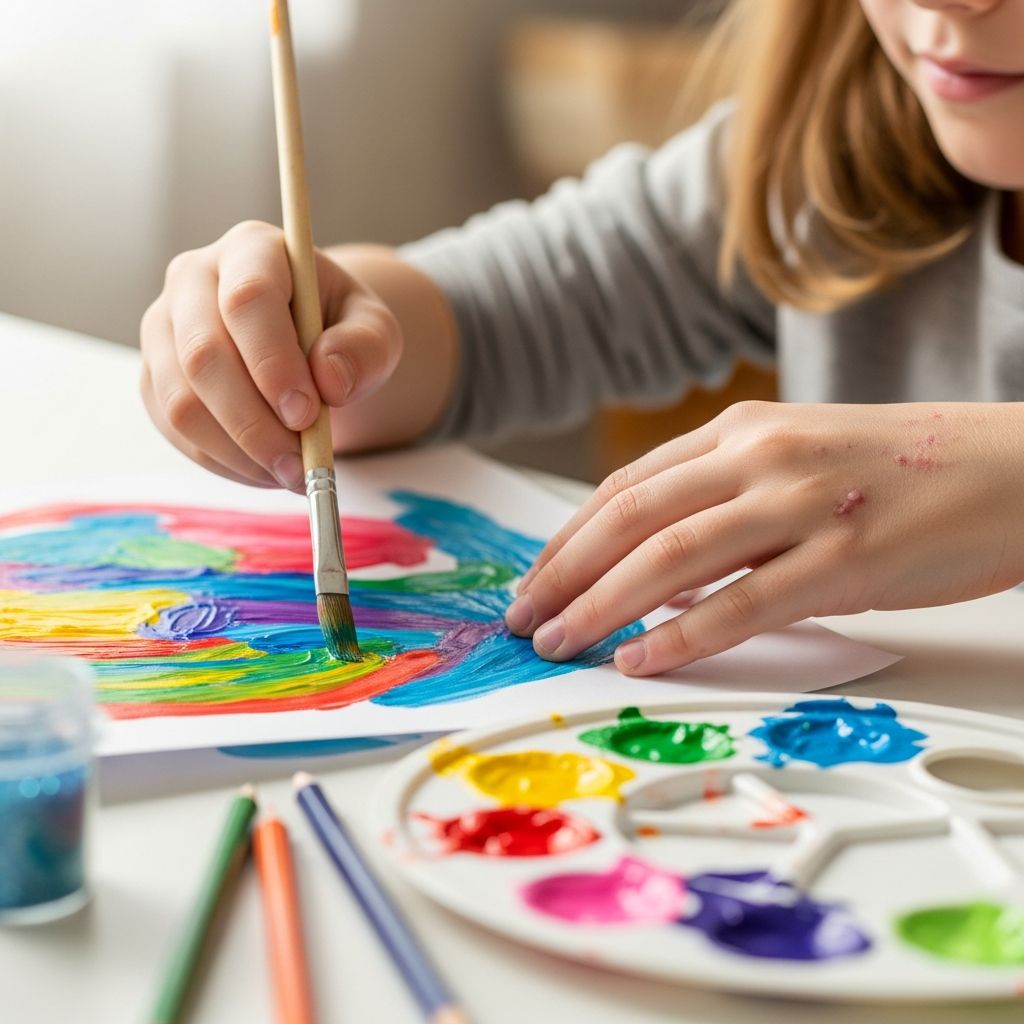
Children living with eczema often face more than just physical discomfort; the relentless itching, visible rashes, and disrupted sleep can lead to significant emotional challenges. Art therapy emerges as a powerful, non-invasive tool that allows young patients to channel their experiences creatively, promoting both mental and physical relief. By engaging in drawing, painting, and sculpting, kids can process complex feelings, reduce stress-induced flares, and develop healthier habits around their condition.
The Emotional Burden of Eczema on Young Minds
Eczema, or atopic dermatitis, affects millions of children worldwide, manifesting as dry, itchy skin that can flare up unpredictably. Beyond the physical symptoms, it imposes a heavy psychological toll. Kids may feel isolated due to missed school days, self-conscious about their appearance, or frustrated by constant discomfort. Studies show that psychological interventions, including creative therapies, can mitigate these effects by addressing the mind-skin connection.
Stress hormones like cortisol exacerbate inflammation, creating a vicious cycle where anxiety worsens itching and vice versa. For children, who lack the verbal skills to articulate distress, traditional talk therapy may fall short. Art provides a universal language, enabling expression without words and offering immediate sensory distraction from itch sensations.
Core Benefits of Integrating Art into Eczema Care
Art therapy stands out for its adaptability to pediatric needs, blending playfulness with therapeutic intent. Therapists guide children through activities tailored to their age and condition severity, ensuring sessions are engaging rather than clinical. Key advantages include emotional regulation, behavioral shifts, and strengthened family bonds.
Reducing Stress to Prevent Flare-Ups
High stress levels correlate directly with eczema severity, as evidenced by randomized trials showing that stress-reduction techniques lower clinical signs like SCORAD scores. Art therapy facilitates this by immersing children in calming, focused activities. Painting soothing colors or molding clay diverts attention from irritants, mimicking arousal reduction methods like progressive muscle relaxation, which have demonstrated efficacy in reducing itch intensity.
In practice, a child might create a ‘calm corner’ collage representing peaceful places, reinforcing mindfulness. Over time, this builds resilience against triggers like school pressures or family tensions, potentially decreasing long-term symptom reliance on medications.
Distracting from Itch and Building Awareness
Itch-scratch cycles dominate eczema management, but art interrupts this pattern through ‘habit reversal’ principles. Psychological therapies grouping distraction techniques show promise in diverting focus from pruritus. For instance, guided drawing sessions where kids illustrate their ‘superhero skin’ empower them to view their body positively, reducing unconscious scratching.
Evidence from related interventions, such as music and hypnotherapy, supports this: patients report perceived improvements and reduced topical steroid use after creative engagement. Art therapy extends these gains, with children learning to recognize early itch signals and respond with creative outlets instead of nails.
Enhancing Communication and Family Support
Related Stories



Eczema strains family dynamics, with parents often anxious about flares and children withdrawing emotionally. Art bridges this gap, allowing kids to share feelings via visuals. A family art session might involve collaborative murals depicting ‘our eczema journey,’ fostering empathy and united coping strategies.
This mirrors group education benefits, where shared experiences improve quality of life short-term. Parents gain insights into their child’s inner world, adjusting care routines collaboratively, which boosts adherence and reduces isolation.
Practical Ways to Implement Art Therapy at Home and Clinically
Accessibility makes art therapy viable beyond specialist settings. Parents can start with simple supplies like crayons, paper, and non-toxic paints, while clinicians integrate it into multidisciplinary care.
- Daily Journaling Sketches: Encourage 10-minute sessions drawing daily moods or skin feelings, tracking patterns alongside symptoms.
- Sensory Sculpting: Use playdough to create ‘itch monsters’ and ‘healing heroes,’ promoting narrative control over the condition.
- Color Emotion Mapping: Assign colors to feelings (e.g., red for itch, blue for calm), helping kids articulate needs.
- Group Playdates: Organize eczema peer art circles for social support, akin to effective group therapies.
In clinical environments, board-certified art therapists collaborate with dermatologists, using evidence-based protocols. Sessions typically last 45-60 minutes weekly, with progress measured via validated scales like POEM for symptoms and child anxiety inventories.
Evidence Supporting Creative Therapies in Pediatric Dermatology
| Intervention Type | Key Findings | Evidence Level | Source |
|---|---|---|---|
| Group Education & Psychological | Reduces SCORAD long-term (MD -7.22); improves QoL short-term | Moderate certainty | Cochrane Review |
| Habit Reversal & Arousal Reduction | Lowers itch, steroid use; enhances coping | Low-Moderate | Trials in PMC |
| Music/Hypno Therapy Analogues | 50-60% steroid reduction; better sleep/mood | Controlled trials | Systematic Review |
| Art-Inspired Emotional Coping | Builds confidence, reduces anxiety | Clinical observation | Pediatric Resources |
This table summarizes how art therapy aligns with proven psychological aids, filling gaps in direct studies with analogous benefits.
Getting Started: Tips for Parents and Providers
Begin by consulting a pediatric dermatologist to rule out barriers like allergies to art materials. Choose hypoallergenic supplies: watercolor pencils over oil paints, soft fabrics for collages. Track progress with a shared journal noting mood, itch levels (1-10 scale), and art themes.
For providers, train in basic art therapy modules; resources from child development centers emphasize integrating creativity with medical plans. Monitor for overuse—balance with rest to avoid fatigue-induced flares.
Frequently Asked Questions (FAQs)
Is art therapy safe for kids with severe eczema?
Yes, when using gentle materials. It complements treatments without side effects, focusing on emotional health.
How soon can benefits appear?
Short-term relief in weeks, with long-term gains after months, per psychological intervention data.
Does insurance cover art therapy?
Often under behavioral health; check pediatric plans for eczema-related therapies.
Can teens benefit too?
Absolutely—adapt for body image focus, building on child methods.
What if my child resists drawing?
Start with stickers or stamps; any creative act counts.
Long-Term Outlook: Holistic Eczema Management
Incorporating art therapy shifts eczema from a foe to a navigable challenge, empowering children with lifelong skills. Combined with emollients, education, and meds, it optimizes outcomes, reducing healthcare burdens. Families report not just clearer skin, but happier, more confident kids ready to thrive.
References
- Are education and psychological therapies effective for managing eczema? — Cochrane. 2024-10-10. https://www.cochrane.org/evidence/CD014932_are-education-and-psychological-therapies-effective-managing-eczema
- Alternative Psychotherapeutic Approaches to the Treatment of Eczema — PMC/NCBI. 2022-12-01. https://pmc.ncbi.nlm.nih.gov/articles/PMC9760032/
- Building Confidence in Children with Atopic Dermatitis — National University Hospital (NUH). 2023-01-15. https://www.nuh.com.sg/docs/nuhlibraries/content-document/care-at-nuh/specialties/paediatrics/child-development-resources/ktpnucmi_atopicdermatitis.pdf?sfvrsn=756d6448_1
- Kids Art Therapy, Practices & Emotional Health Benefits — National Jewish Health. 2024-05-20. https://www.nationaljewish.org/conditions/peds-emotional-health/emotional-health/art-therapy
Similar Articles








Read full bio of Sneha Tete