Arterial Ulcers: Causes, Symptoms, and Treatment
Comprehensive guide to arterial ulcers: Understanding ischemic wounds and evidence-based treatment approaches.
Understanding Arterial Ulcers
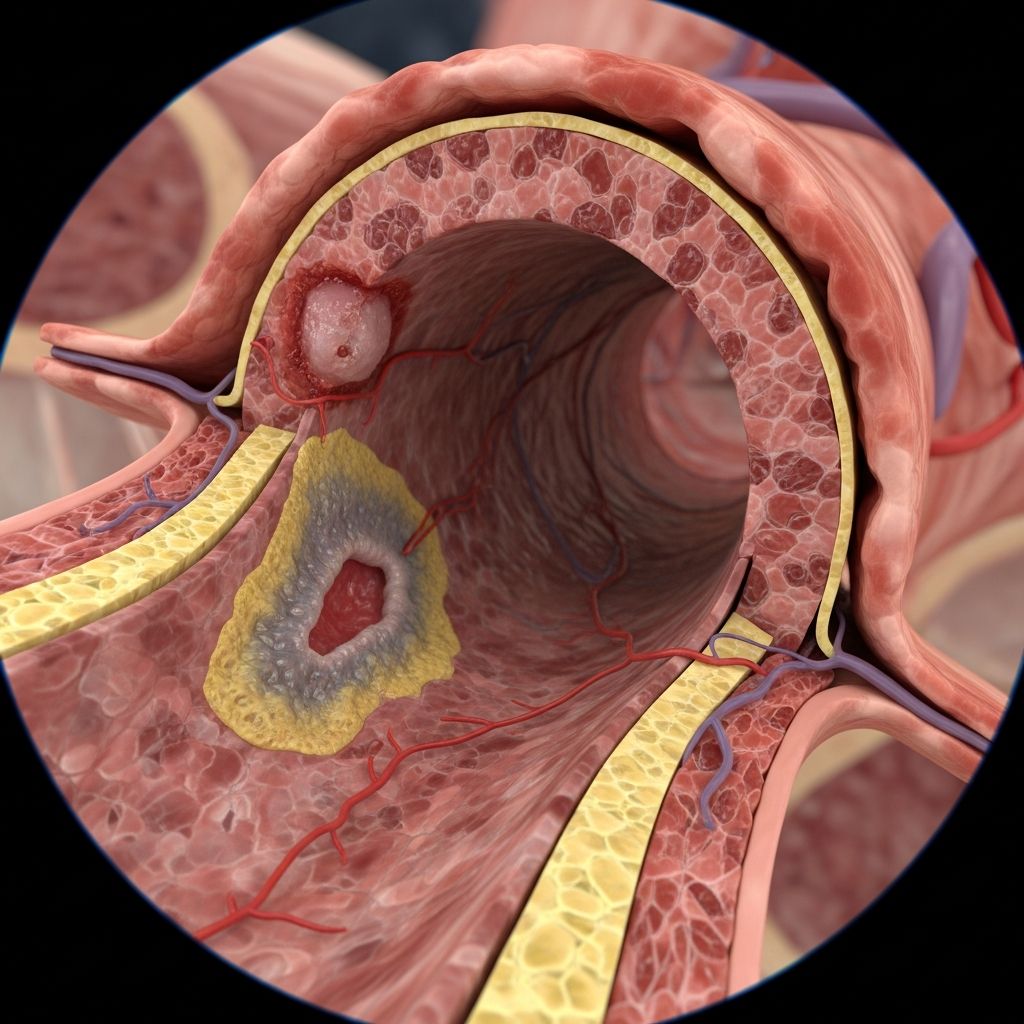
Arterial ulcers are open wounds that develop due to inadequate blood flow to the skin and underlying tissues, primarily affecting the lower extremities. Also known as ischemic ulcers or arterial wounds, these lesions occur when narrowed or blocked arteries prevent oxygen-rich blood from reaching affected areas. Unlike other types of leg ulcers, arterial ulcers present unique clinical challenges because the compromised circulation impairs the body’s natural healing mechanisms, making these wounds particularly difficult to manage without addressing the underlying vascular insufficiency.
Causes of Arterial Ulcers
Chronic Arterial Insufficiency
The primary cause of arterial ulceration is chronic reduction in arterial blood supply to the lower limbs. The most common underlying condition is atherosclerotic disease of medium and large-sized arteries, where fatty deposits accumulate within the arterial walls over time. This progressive narrowing of arteries, known as atherosclerosis, restricts blood flow and deprives tissues of essential oxygen and nutrients.
Risk Factors for Arterial Disease
Several modifiable and non-modifiable risk factors contribute to the development of arterial ulcers:
- Smoking: Significantly weakens arterial walls and accelerates atherosclerotic changes
- Diabetes: Both causes peripheral arterial disease and impairs wound healing capacity
- Hypertension: High blood pressure damages the intimal layer of arteries, increasing arterial vulnerability
- High Cholesterol: Elevated lipid levels promote atheroma formation within arteries
- Chronic Kidney Disease: Associated with accelerated vascular disease progression
- Advanced Age: Older individuals have increased susceptibility to arterial disease
- Limited Mobility: Prolonged immobility reduces circulation and increases ulcer risk
Acute Arterial Ischemia
While chronic atherosclerotic disease is most common, acute arterial occlusion can also precipitate arterial ulcers. Acute causes include arterial embolism from various sources, thrombosis, trauma, calciphylaxis, and frostbite. These acute events cause sudden cessation of blood flow, leading to rapid tissue damage if perfusion is not quickly restored.
Other Associated Conditions
Additional conditions that may contribute to arterial ulceration include thromboangiitis, vasculitis, pyoderma gangrenosum, thalassaemia, and sickle cell disease. Severe venous insufficiency can occasionally lead to arterial compression and small vessel occlusion, creating mixed ulcer pathology.
Clinical Presentation and Symptoms
Pain Characteristics
Pain is the most prominent symptom of arterial ulcers. Patients typically experience claudication—pain that occurs during ambulation and improves with rest. Notably, rest pain that is relieved when the foot is placed in a dependent (hanging) position is highly characteristic of arterial insufficiency. However, this pain pattern may be masked in diabetic patients with concurrent neuropathy who have lost protective sensation.
Skin Appearance and Trophic Changes
The skin overlying arterial ulcers displays distinctive features that aid in clinical diagnosis. Common findings include:
- Pale or shiny skin appearance
- Blue or dark discoloration of affected areas
- Cool or cold skin temperature compared to unaffected limbs[10]
- Reduced or absent pulses in distal arteries[10]
- Numbness or weakness in the affected leg
- Trophic changes including thin, atrophic skin
- Possible gangrene in severe cases
Wound Characteristics
Arterial ulcers typically present with a characteristic “punched out” appearance, indicating a well-demarcated lesion with sharp borders. These wounds are usually painful, deep sores and most commonly develop on the outer ankle, feet, heels, or toes. The location differs distinctly from venous ulcers, which typically appear below the knee or on the inner ankle.
Related Stories



Diagnosis and Assessment
Clinical Evaluation
Diagnosis of arterial ulcers begins with a thorough history and physical examination focusing on symptoms of arterial insufficiency. Clinical assessment includes evaluating the location and appearance of the ulcer, assessing skin temperature and color, palpating pulses, and documenting pain patterns.
Vascular Testing
Confirmation of arterial insufficiency typically requires vascular studies such as ankle-brachial pressure index (ABI) measurements, duplex ultrasonography, or other imaging modalities to assess the severity and location of arterial disease. These objective measures help guide treatment decisions and predict healing potential.
Distinguishing Arterial from Venous Ulcers
| Feature | Arterial Ulcers | Venous Ulcers |
|---|---|---|
| Location | Outer ankle, feet, heels, toes | Below knee, inner ankle |
| Cause | Poor arterial circulation; arterial damage | Impaired venous return; venous damage |
| Pain | Usually severe and painful | Usually painless or minimally painful |
| Appearance | Punched-out, well-demarcated borders | Irregular borders, shallow |
| Skin Changes | Trophic changes; possible gangrene | Venous eczema, lipodermatosclerosis |
| Associated Features | Cool skin, reduced pulses | Usually associated with limb edema |
| Treatment | Surgery for arterial insufficiency; drugs of limited value | Compression is mainstay of treatment |
Treatment Approaches for Arterial Ulcers
Primary Treatment Goal
The fundamental principle in managing arterial ulcers is restoring adequate arterial blood flow to the affected limb. If arterial perfusion can be successfully corrected, the prognosis for healing is very good. Conversely, if the underlying arterial disease cannot be corrected, the wound has a low likelihood of healing and may ultimately progress to amputation.
Surgical Interventions
Vascular surgery is often necessary to restore circulation. Treatment options include:
- Reconstructive Surgery: Indicated for diffuse arterial disease affecting multiple vessel segments
- Angioplasty: Used for localized stenosis or single-vessel occlusions
- Bypass Surgery: Creates an alternative pathway around blocked arteries to restore distal blood flow
Operative indications for vascular intervention include non-healing ulceration, gangrene, rest pain, and progression of disabling claudication.
Wound Management
While wound care alone cannot heal arterial ulcers without restored circulation, appropriate management is essential. General principles include:
- Keeping the wound clean and dry
- Using appropriate wound dressings
- Removing pressure from the affected limb
- Preventing infection through meticulous wound care
- Avoiding aggressive debridement, as this may promote further ischemia and enlarge the ulcer
Unlike venous ulcers, compression bandaging is not appropriate for arterial ulcers as it further compromises already inadequate circulation.
Infection Management
Infection can cause rapid deterioration of arterial ulcers and necessitates prompt treatment with systemic antibiotics. Close monitoring for signs of infection is critical given the impaired immune response associated with tissue ischemia.
Pain Management
Arterial ulcers are characteristically painful, and opioid analgesia may be necessary, particularly during the wait for vascular surgery in patients with rest pain or worsening claudication.
Medical Management and Lifestyle Modification
Comprehensive medical management addresses the underlying causes of arterial disease:
- Smoking Cessation: Essential for halting disease progression
- Diabetes Control: Optimal glycemic control reduces vascular complications
- Blood Pressure Management: Hypertension control prevents further arterial damage
- Lipid Management: Control of hyperlipidemia slows atherosclerotic progression
- Leg Elevation: Sleeping with the bed raised at the head end improves circulation
- Walking: Regular ambulation, as tolerated, promotes collateral circulation
- Foot and Leg Care: Patients should follow simple preventive measures to avoid trauma
Emerging Therapies
Hyperbaric oxygen therapy has emerged as a newer treatment option for some arterial ulcers, though its role remains complementary to primary vascular intervention.
Prognosis and Outcomes
The prognosis of arterial ulcers depends critically on the ability to restore adequate arterial perfusion. Patients whose arterial disease can be surgically corrected have excellent healing potential once blood flow is reestablished. However, those with uncorrectable arterial disease face poor outcomes, with non-healing ulcers and progressive tissue loss potentially leading to amputation if circulation cannot be improved.
Early recognition and aggressive management of arterial insufficiency are essential to prevent disease progression and preserve limb function. Referral to a vascular surgeon should occur promptly in patients with rest pain, non-healing ulcers, or worsening claudication.
Frequently Asked Questions
Q: What is the difference between arterial and venous ulcers?
A: Arterial ulcers result from poor arterial circulation and typically present as painful, well-demarcated wounds on the toes, feet, and outer ankles. Venous ulcers result from impaired venous return and typically appear below the knee on the inner ankle. Arterial ulcers are painful, while venous ulcers are usually painless. Treatment differs significantly, with arterial ulcers requiring vascular intervention and venous ulcers primarily treated with compression.
Q: Can arterial ulcers heal without surgery?
A: Healing of arterial ulcers without surgical restoration of blood flow is unlikely. While wound care and medical management are important, restoring adequate arterial perfusion is essential for healing. Some patients with mild disease may improve with medical optimization alone, but most require vascular intervention.
Q: What are the warning signs that an arterial ulcer is worsening?
A: Signs of deterioration include increased pain, spreading ulcer size, development of gangrene, signs of infection (warmth, redness, purulent drainage), and worsening claudication or rest pain. These symptoms warrant urgent evaluation by a vascular surgeon.
Q: Is compression appropriate for arterial ulcers?
A: No, compression bandages and dressings should not be used for arterial ulcers as they further restrict already compromised blood flow. Compression is the mainstay of treatment for venous ulcers, not arterial ulcers.
Q: How can I reduce my risk of developing arterial ulcers?
A: Key preventive measures include smoking cessation, tight diabetes control, blood pressure management, cholesterol control, regular physical activity, foot care, and avoiding trauma to the legs and feet. Regular monitoring by healthcare providers is important, especially for those with multiple risk factors.
References
- Arterial Ulcer – Symptoms, Diagnosis, and Treatment — Vohra Wound Care. https://vohrawoundcare.com/arterial-ulcer/
- Arterial Ulcers | Innovative Wound Care Specialists — Innovative Wound Care Specialists. https://innovativewoundspecialists.com/arterial-ulcers/
- Arterial Ulcer Treatment, Management and Wound Care — West Coast Wound. https://westcoastwound.com/arterial-ulcer-treatment-and-wound-care/
- Leg ulcers: causes, types and symptoms — Legs Matter. https://legsmatter.org/information-and-support/types-of-ulcers/arterial-leg-ulcers/
- Venous and arterial leg ulcers — National Center for Biotechnology Information (NIH). 2003. https://pmc.ncbi.nlm.nih.gov/articles/PMC1363917/
- Arterial Ulcers — Paducah Vascular Institute. https://www.paducahvascular.com/arterial-ulcers
- Leg ulcers — Better Health Channel, State Government of Victoria. https://www.betterhealth.vic.gov.au/health/conditionsandtreatments/leg-ulcers
Similar Articles








Read full bio of medha deb