Arthralgia: Understanding Joint Pain Causes and Treatments
Learn about arthralgia, its causes, symptoms, and effective treatment options for joint pain management.
Understanding Arthralgia: What Is Joint Pain?
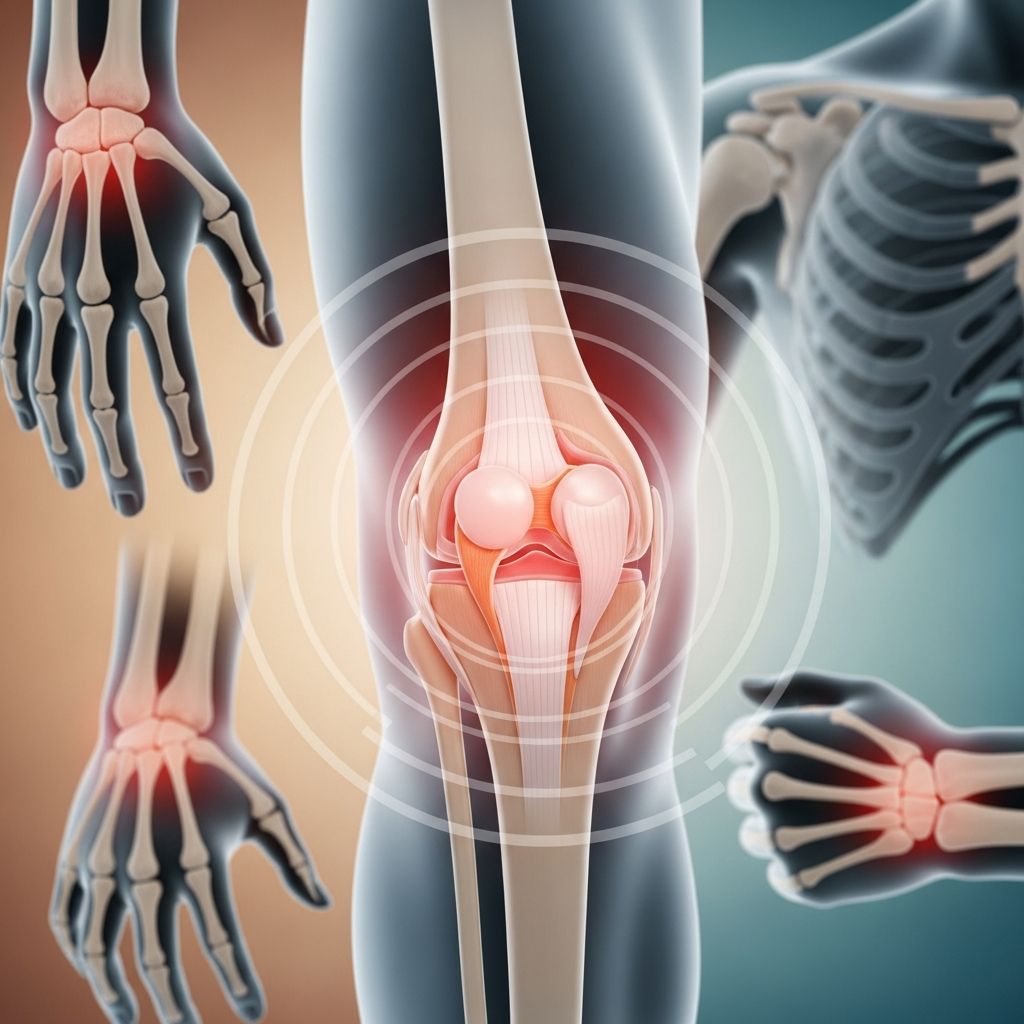
Arthralgia refers to pain in one or more joints, a condition that affects millions of people worldwide. The term comes from the Greek words “arthro” (joint) and “algia” (pain), literally meaning joint pain. Unlike arthritis, which is an inflammatory condition of the joints, arthralgia is simply the symptom of joint pain itself. Understanding the difference between these two conditions is crucial for proper diagnosis and treatment. Arthralgia can occur in a single joint, a condition known as monoarthralgia, or in multiple joints, which is called polyarthralgia. This condition can range from mild discomfort to severe pain that significantly impacts daily activities and quality of life.
Joint pain is one of the most common complaints people bring to their healthcare providers. It can develop suddenly or gradually, and may be acute or chronic. While arthralgia is often associated with arthritis, it can occur independently and may result from various causes including injury, overuse, infection, or underlying systemic diseases. Recognizing the nature and cause of your joint pain is the first step toward finding effective relief and preventing further complications.
Arthralgia vs. Arthritis: Key Differences
While the terms arthralgia and arthritis are often used interchangeably in casual conversation, they have distinctly different medical meanings. Arthralgia is pain in a joint, while arthritis is a diagnosable medical condition characterized by inflammation of the joint. A person with arthritis will experience arthralgia, but not all arthralgia is caused by arthritis.
The fundamental distinction lies in the pathology. Arthralgia is the symptom—the pain you feel—while arthritis is the disease causing inflammation and potential structural damage to the joint. Arthralgia may be temporary and resolve on its own, whereas arthritis typically requires ongoing management. In some cases, arthralgia may serve as an early warning sign or precursor symptom for developing arthritic conditions, making prompt evaluation important when joint pain persists.
Common Causes of Arthralgia
Arthralgia can develop from numerous different causes, ranging from minor injuries to serious systemic diseases. Understanding what triggers your joint pain is essential for determining the appropriate treatment approach.
Injury and Overuse
One of the most common causes of arthralgia is injury to the structures surrounding joints. Ligament sprains, tendon strains, bursitis (inflammation of the fluid sacs cushioning joints), and muscle tears can all cause significant joint pain. Sports injuries, repetitive stress from occupational activities, and traumatic accidents can result in acute arthralgia. Overuse injuries develop gradually when joints are subjected to repetitive motion without adequate rest and recovery time.
Arthritis and Inflammatory Conditions
Several types of arthritis commonly cause arthralgia. Osteoarthritis, a degenerative condition where cartilage gradually breaks down over time, leads to bones rubbing together and causing pain and inflammation. Rheumatoid arthritis, an autoimmune disorder where the body’s immune system attacks healthy joint tissue, produces chronic joint pain and inflammation. Psoriatic arthritis, which occurs in people with psoriasis, is another autoimmune condition causing joint pain. Gout, a form of inflammatory arthritis caused by uric acid crystal accumulation in joints, typically affects the base of the big toe and causes severe, sudden pain.
Infections and Systemic Diseases
Infections can cause arthralgia through various mechanisms. Septic arthritis, a serious joint infection that travels through the bloodstream, requires urgent medical attention. Lyme disease, transmitted by tick bites, commonly causes joint pain. Sexually transmitted infections like gonorrhea and chlamydia can lead to reactive arthritis with joint pain symptoms. Viral infections including influenza and HIV can cause temporary arthralgia.
Related Stories



Systemic diseases such as lupus, multiple sclerosis, and diabetes frequently present with joint pain symptoms. Hypothyroidism and hyperthyroidism can also trigger arthralgia. Complex regional pain syndrome, a rare but debilitating chronic pain condition, often develops after injury, surgery, or stroke and can severely affect limb function.
Other Contributing Factors
Dehydration from illness or excessive alcohol consumption can trigger joint pain. Pregnancy and the postpartum period are associated with temporary arthralgia due to hormonal changes and physical stress on joints. Allergic reactions to medications or foods may manifest as joint pain. Environmental factors such as changes in barometric pressure can exacerbate joint pain in people with existing joint conditions. Insect bites and nerve compression syndromes can also cause localized joint-related pain.
Recognizing Symptoms of Arthralgia
The primary symptom of arthralgia is pain in the affected joint or joints. This pain may be described as aching, throbbing, sharp, or dull depending on the underlying cause. Beyond the pain itself, people with arthralgia commonly experience additional symptoms that impact joint function and mobility.
Common Symptoms Include:
- Joint stiffness, particularly in the morning or after periods of inactivity
- Reduced range of motion in the affected joint
- Swelling around the joint
- Warmth or redness over the joint area
- Joint aches that worsen with movement or activity
- Weakness in muscles surrounding the joint
- Clicking or popping sensations when moving the joint
The severity and duration of symptoms vary greatly depending on the cause. Arthralgia from acute injury may resolve within days to weeks, while arthralgia from chronic conditions like rheumatoid arthritis persists and may progressively worsen without proper management. It is important to monitor your symptoms and seek medical evaluation if joint pain persists, worsens, or is accompanied by other concerning signs such as fever, severe swelling, or inability to bear weight.
When to See a Doctor
While many cases of mild joint pain can be managed at home with rest and over-the-counter medications, certain situations warrant professional medical evaluation. You should consult a healthcare provider if joint pain is severe, persists for more than a few weeks, is accompanied by fever or chills, involves significant swelling or redness, or is preventing you from performing daily activities. If you experience sudden severe pain, inability to move the joint, or signs of infection, seek immediate medical attention.
Diagnosis of Arthralgia
Diagnosing arthralgia involves a comprehensive evaluation by a healthcare provider. The diagnostic process typically begins with a detailed medical history and physical examination of the affected joint or joints.
Physical Examination
During the physical exam, your doctor will assess the range of motion, check for swelling or warmth, palpate the joint for tenderness, and evaluate surrounding muscles and ligaments. Your healthcare provider will ask about the onset of pain, aggravating and alleviating factors, and any associated symptoms.
Laboratory Tests
Several blood tests can help determine the cause of arthralgia:
- Erythrocyte sedimentation rate (ESR) and C-reactive protein (CRP) levels to assess inflammation
- Rheumatoid factor tests to screen for rheumatoid arthritis
- Anti-cyclic citrullinated peptide (anti-CCP) antibody tests for rheumatoid arthritis
- Anti-nuclear antibody (ANA) tests to screen for lupus and other autoimmune conditions
- Uric acid level testing for gout
Imaging Studies
X-rays, ultrasound, magnetic resonance imaging (MRI), and computed tomography (CT) scans can visualize joint structures and detect signs of damage, inflammation, or abnormalities. These imaging studies help identify osteoarthritis, fractures, or other structural problems.
Joint Fluid Analysis
In some cases, your doctor may perform arthrocentesis, removing a sample of fluid from the joint for laboratory analysis. This procedure can identify bacterial infections, crystal formation in gout, and other specific causes of joint inflammation.
Home Treatment Options
Many cases of arthralgia can be effectively managed with home-based interventions and lifestyle modifications. These approaches are particularly effective for mild to moderate joint pain and can be used alongside medical treatments.
Rest and Activity Modification
Adequate rest is fundamental to recovery from acute joint pain. Avoiding activities that aggravate symptoms allows the joint to heal. However, complete immobility is generally not recommended, as gentle movement helps maintain joint flexibility and prevents stiffness.
Temperature Therapy
Applying heat or cold to the affected joint can provide significant pain relief. Cold compresses reduce inflammation and numb pain, making them ideal for acute injuries or inflammatory conditions. Heat therapy improves blood circulation, reduces stiffness, and relaxes muscles, making it beneficial for chronic arthralgia. Alternating between heat and cold can sometimes provide optimal relief.
Exercise and Physical Activity
Regular exercise for at least 30 minutes daily strengthens muscles supporting the joints, improves flexibility, and enhances overall joint health. Water-based activities such as swimming and aquatic therapy are particularly beneficial because they reduce joint stress while providing resistance for muscle strengthening. Gentle stretching, yoga, and tai chi can improve range of motion and reduce pain.
Nutritional Approaches
Maintaining a healthy weight reduces stress on weight-bearing joints. Anti-inflammatory foods rich in omega-3 fatty acids, such as fish oils, can help reduce inflammation. Some people find relief with dietary supplements including turmeric, glucosamine, and chondroitin, though evidence for these supplements is mixed.
Over-the-Counter Medications
Nonsteroidal anti-inflammatory drugs (NSAIDs) such as ibuprofen and naproxen reduce pain and inflammation. Acetaminophen provides pain relief without the anti-inflammatory effect. These medications are available without prescription and can effectively manage mild to moderate joint pain.
Relaxation and Stress Management
Stress can exacerbate joint pain through muscle tension and inflammatory responses. Meditation, deep breathing exercises, progressive muscle relaxation, and mindfulness practices can help reduce pain perception and improve overall well-being. Joining support groups, either in-person or online, provides emotional support and practical tips from others managing similar conditions.
Medical Treatment Options
When home treatments are insufficient or arthralgia is severe, healthcare providers may recommend medical interventions tailored to the underlying cause.
Medications
Prescription-strength NSAIDs provide more potent anti-inflammatory effects than over-the-counter options. Corticosteroid injections administered directly into the joint can reduce inflammation and provide prolonged pain relief. Disease-modifying antirheumatic drugs (DMARDs) are used for rheumatoid arthritis to slow disease progression. Biologic drugs, including TNF inhibitors and interleukin inhibitors, target specific immune mechanisms in autoimmune arthritides. Antibiotics are necessary when arthralgia results from bacterial infections.
Physical Therapy
Professional physical therapists design customized exercise programs to improve joint mobility, strengthen supporting muscles, and reduce pain. Physical therapy is particularly valuable for rehabilitation after injury or surgery and for managing chronic conditions.
Surgical Interventions
In cases of severe joint damage or arthralgia unresponsive to conservative treatment, surgical options may be considered. Joint replacement surgery, arthroscopic repair, and joint reconstruction procedures can restore function and eliminate pain in severely damaged joints. Surgery is typically reserved for cases where other treatments have failed and joint damage is significant.
Frequently Asked Questions
Q: What is the difference between arthralgia and arthritis?
A: Arthralgia is pain in a joint, while arthritis is a disease causing joint inflammation. All arthritis causes arthralgia, but not all arthralgia results from arthritis.
Q: Can arthralgia go away on its own?
A: Yes, arthralgia from acute injuries or temporary causes often resolves with rest and conservative treatment. However, arthralgia from chronic conditions requires ongoing management.
Q: When should I see a doctor about joint pain?
A: Seek medical attention if joint pain persists more than a few weeks, is severe, is accompanied by fever or swelling, or interferes with daily activities.
Q: Are there lifestyle changes that help manage arthralgia?
A: Yes, maintaining a healthy weight, staying physically active, managing stress, eating an anti-inflammatory diet, and avoiding activities that aggravate pain all contribute to better arthralgia management.
Q: Can arthralgia be prevented?
A: While some causes cannot be prevented, maintaining joint health through regular exercise, proper nutrition, stress management, and injury prevention can reduce your risk of developing arthralgia.
References
- Arthralgia – Clinical Methods — National Center for Biotechnology Information (NCBI), U.S. National Library of Medicine. 2024. https://www.ncbi.nlm.nih.gov/books/NBK303/
- Arthritis – Symptoms and Causes — Mayo Clinic. 2024. https://www.mayoclinic.org/diseases-conditions/arthritis/symptoms-causes/syc-20350772
- Joint Pain: Causes & Treatment — Cleveland Clinic. 2024. https://my.clevelandclinic.org/health/symptoms/17752-joint-pain
- Arthritis vs. Arthralgia: What’s the Difference? — Healthline. 2024. https://www.healthline.com/health/rheumatoid-arthritis/arthralgia
- Joint Pain — Penn Medicine, University of Pennsylvania. 2024. https://www.pennmedicine.org/conditions/joint-pain
Similar Articles








Read full bio of Sneha Tete