Arthralgia: Symptoms, Causes, and Treatment
Understand arthralgia—joint pain without inflammation—and learn effective management strategies for relief.
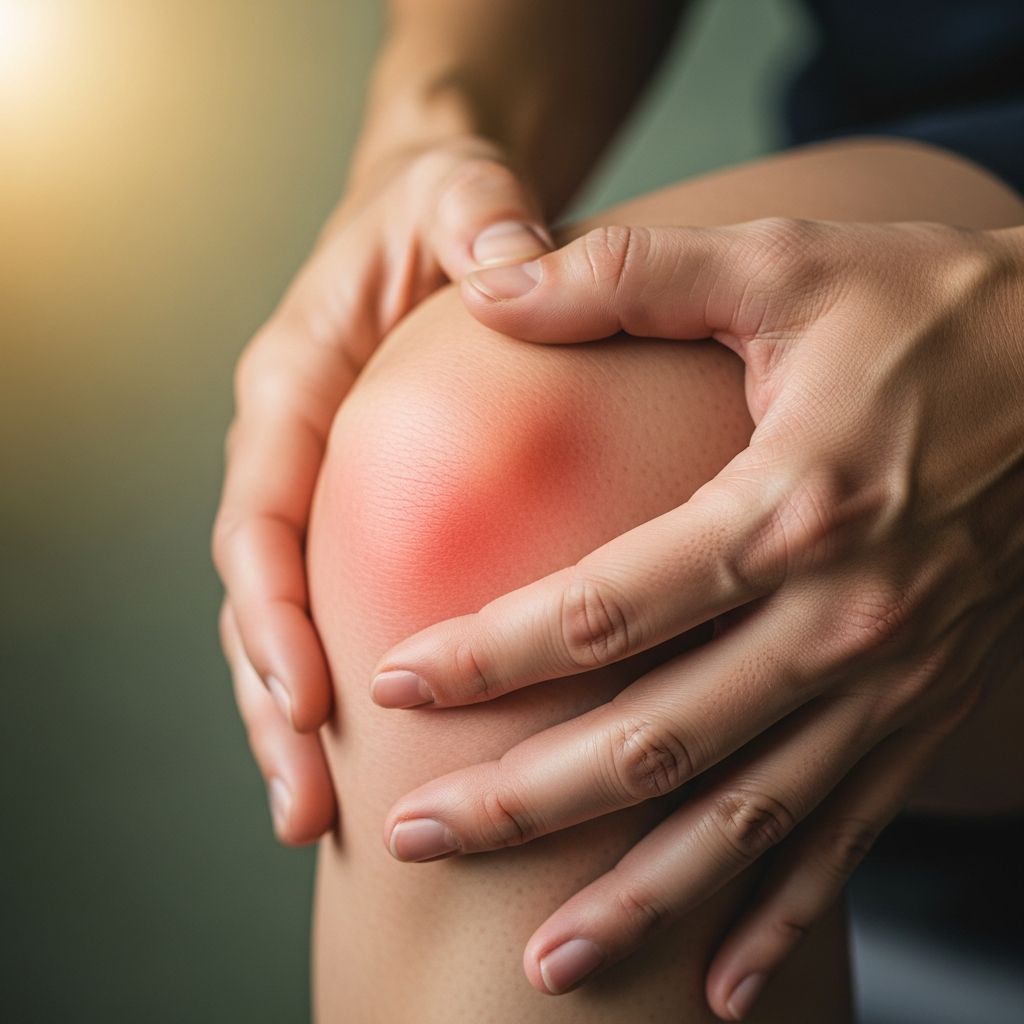
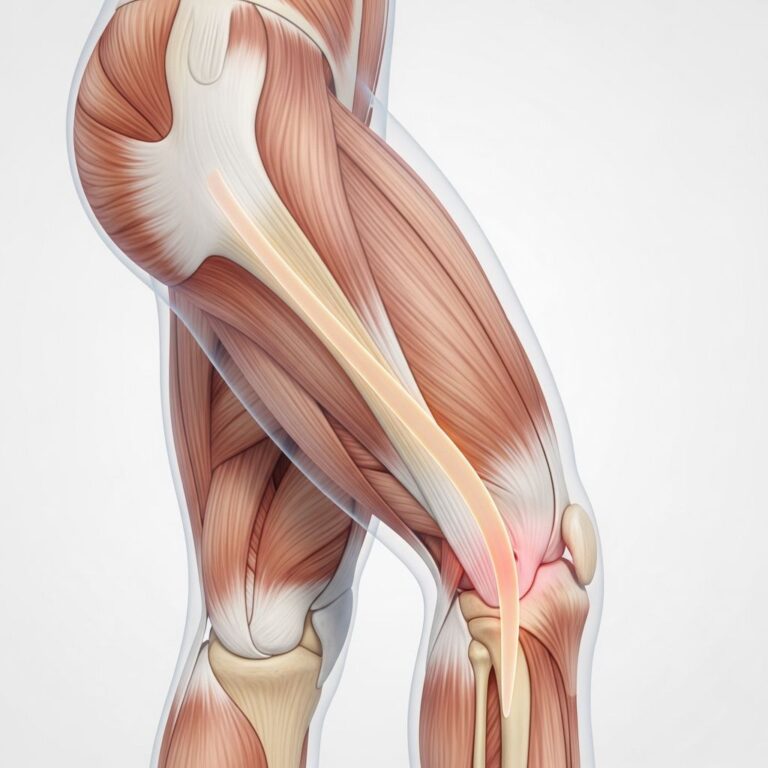
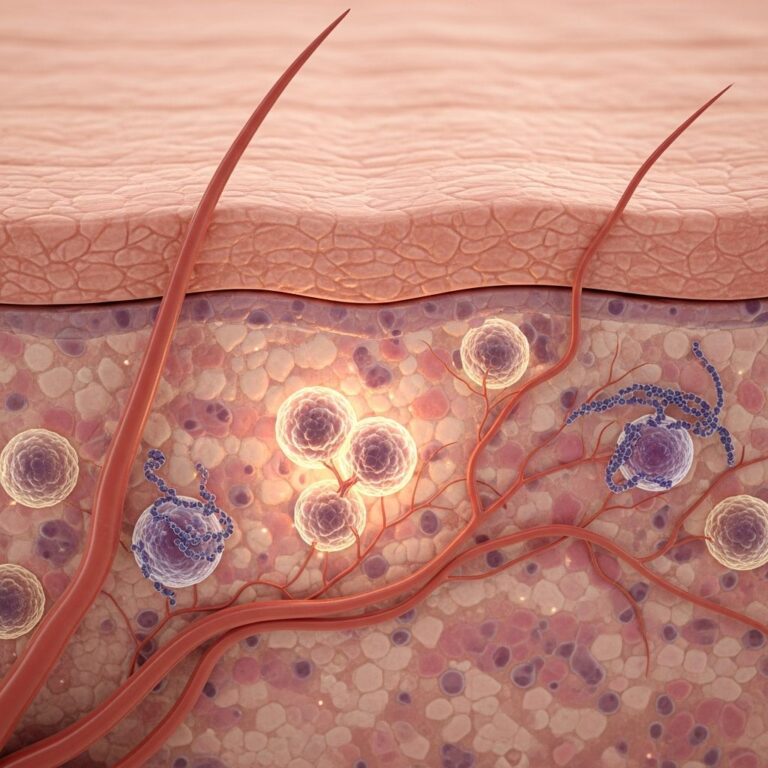
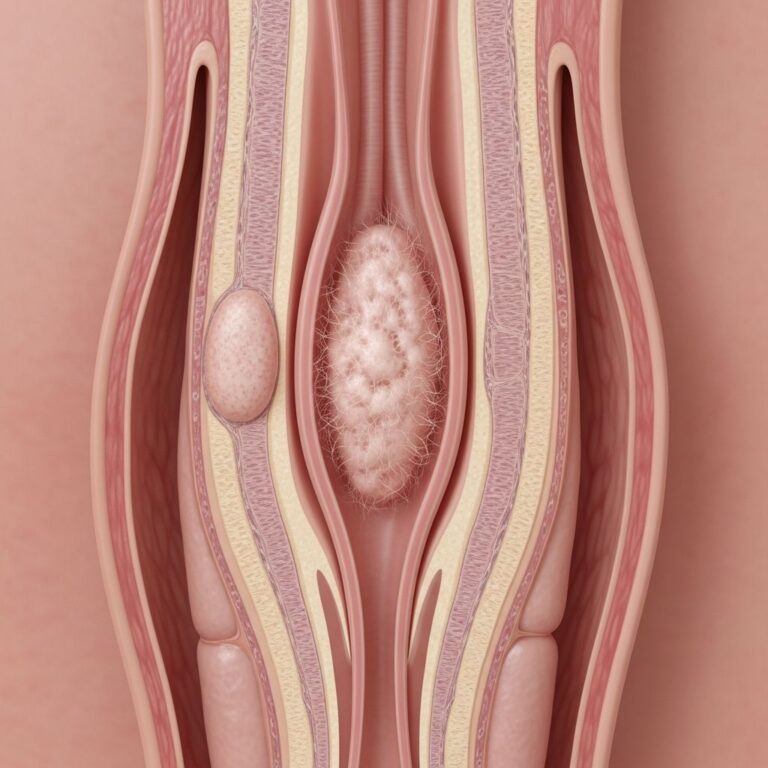
Arthralgia refers to pain in one or more joints without accompanying inflammation, swelling, or structural damage. Unlike arthritis, which involves inflammation (“itis”), arthralgia specifically denotes pain (“algia”) in the joints. This condition affects millions worldwide and can significantly impact daily activities, mobility, and quality of life. While not a disease itself, arthralgia often signals underlying issues ranging from mechanical stress to systemic conditions.
Joint pain from arthralgia can feel sharp, dull, aching, or throbbing and may worsen with movement or weather changes. It commonly affects larger joints like knees, hips, and shoulders but can occur anywhere. According to the Centers for Disease Control and Prevention (CDC), over 78 million U.S. adults are projected to have doctor-diagnosed arthritis by 2040, with arthralgia as a frequent precursor or companion symptom.1 Early recognition and management are crucial to prevent progression to more severe joint disorders.
Symptoms of Arthralgia
Arthralgia manifests primarily as joint pain, but symptoms vary by cause and severity. Pain is the hallmark, often described as:
- Aching or soreness: A persistent dull pain, especially after activity or at rest.
- Sharp or stabbing: Sudden pain triggered by specific movements.
- Throbbing: Pulsing discomfort that may intensify at night.
Other common symptoms include:
- Stiffness, particularly in the morning or after inactivity, lasting less than 30 minutes (distinguishing it from inflammatory arthritis).
- Reduced range of motion, making tasks like climbing stairs or gripping objects difficult.
- Tenderness when pressing on the joint.
- Fatigue or muscle weakness around the affected joint due to compensatory overuse.
- Creaking or popping sensations (crepitus) without swelling.
Symptoms can be acute (sudden onset, short duration) or chronic (lasting over three months). They may affect a single joint (monoarticular) or multiple joints (polyarticular). For instance, knee arthralgia might cause limping, while hand involvement could impair fine motor skills. If pain persists beyond two weeks, interferes with sleep, or spreads, medical evaluation is essential to rule out serious conditions like infections or fractures.
Causes of Arthralgia
Arthralgia arises from diverse etiologies, broadly classified as mechanical, infectious, metabolic, or systemic. Understanding the root cause guides effective treatment.
Mechanical and Degenerative Causes
Overuse or wear-and-tear is a leading trigger. Osteoarthritis (OA), the most common form of arthritis, causes cartilage breakdown leading to bone-on-bone friction and pain without significant inflammation in early stages.2 Repetitive motions in athletes or laborers (e.g., runners’ knee pain) exemplify mechanical arthralgia.
Infectious Causes
Viral infections like parvovirus B19, hepatitis B/C, or post-streptococcal reactive arthritis can induce arthralgia. Bacterial infections (e.g., Lyme disease from Borrelia burgdorferi) cause migratory joint pain. Fungal or parasitic infections are rarer but occur in immunocompromised individuals. These often resolve with infection treatment but may leave residual pain.
Systemic and Autoimmune Conditions
- Fibromyalgia: Widespread musculoskeletal pain affecting joints and soft tissues, accompanied by fatigue, sleep issues, and tender points.
- Hypothyroidism: Low thyroid hormone levels cause fluid retention and joint pain.
- Systemic lupus erythematosus (SLE): Though inflammatory, early SLE may present as arthralgia.
- Diabetes: High blood sugar damages nerves (diabetic neuropathy) and joints.
Related Stories



Other Causes
| Cause Category | Examples | Key Features |
|---|---|---|
| Cancer-Related | Leukemia, metastatic bone cancer | Night pain, weight loss, bone tenderness |
| Medications | Statins, chemotherapy drugs | Dose-dependent, reversible upon discontinuation |
| Psychogenic | Stress, depression, somatization | No physical findings, multifocal pain |
| Trauma | Sprains, minor fractures | History of injury, localized swelling |
Less common triggers include hyperparathyroidism (elevated calcium erodes joints), hemochromatosis (iron overload), and sickle cell disease (vaso-occlusive crises).
Diagnosis of Arthralgia
Diagnosing arthralgia involves a systematic approach since it’s a symptom, not a diagnosis. Primary care providers or rheumatologists start with:
- Medical History: Onset, duration, pain pattern, aggravating/relieving factors, family history, recent infections/travel.
- Physical Exam: Inspect for swelling (absent in true arthralgia), palpate for tenderness, assess range of motion and gait.
- Laboratory Tests:
- Complete blood count (CBC) for anemia/infection.
- Erythrocyte sedimentation rate (ESR)/C-reactive protein (CRP) to exclude inflammation.
- Rheumatoid factor (RF), anti-cyclic citrullinated peptide (anti-CCP), antinuclear antibody (ANA).
- Thyroid function, blood glucose, Lyme serology if indicated.
- Imaging:
- X-rays for bony changes or fractures.
- MRI/ultrasound for soft tissue evaluation.
- Dual-energy X-ray absorptiometry (DEXA) for osteoporosis.
- Synovial Fluid Analysis: If effusion present, to check for crystals, infection.
Differential diagnosis excludes arthritis, bursitis, tendinitis, or neuropathic pain. The American College of Rheumatology emphasizes ruling out red flags like fever, unexplained weight loss, or neurological deficits.3
Treatment for Arthralgia
Treatment targets the underlying cause while providing symptomatic relief. A multimodal approach is most effective.
Medications
- Nonsteroidal Anti-Inflammatory Drugs (NSAIDs): Ibuprofen (400-800 mg) or naproxen for pain and mild inflammation. Topical diclofenac gels minimize GI risks.
- Acetaminophen: Up to 4g/day for milder pain.
- Muscle Relaxants: Cyclobenzaprine for spasm-related pain.
- Duloxetine: SNRI for fibromyalgia-associated arthralgia.
- Opioids: Short-term for severe pain unresponsive to others; tramadol preferred.
Non-Pharmacological Therapies
- Physical Therapy: Strengthening exercises, stretching, low-impact aerobics like swimming.
- Heat/Cold Therapy: Moist heat for stiffness, ice for acute pain (20 min sessions).
- Weight Management: Losing 5-10% body weight reduces knee OA pain by 50% per studies.
- Bracing/Orthotics: Unloader braces for knee OA.
- Acupuncture/TENS: Moderate evidence for pain relief.
Interventional and Surgical Options
Corticosteroid injections for localized pain; hyaluronic acid for knee OA. Joint replacement (e.g., total knee arthroplasty) for end-stage degeneration.
Prevention of Arthralgia
Preventive strategies focus on modifiable risk factors:
- Maintain healthy weight (BMI <25).
- Exercise regularly: 150 min/week moderate activity.
- Ergonomic adjustments at work/home.
- Balanced diet rich in omega-3s, vitamin D, calcium.
- Avoid repetitive strain; use proper techniques in sports.
- Manage comorbidities like diabetes.
The World Health Organization recommends joint-protective behaviors to reduce OA burden globally.4
When to See a Doctor for Arthralgia
Seek immediate care for:
- Pain with fever, rash, or swelling.
- Inability to bear weight or use the joint.
- Joint deformity or locking.
- Pain lasting >2 weeks despite OTC meds.
- Accompanying chest pain, shortness of breath (possible endocarditis).
Early intervention prevents chronicity.
Frequently Asked Questions (FAQs)
What is the difference between arthralgia and arthritis?
Arthralgia is joint pain without inflammation; arthritis involves inflammation, swelling, and potential joint damage.
Can arthralgia go away on its own?
Yes, if caused by minor injury or virus, it often resolves in days-weeks; chronic cases need treatment.
Is arthralgia a sign of cancer?
Rarely, but bone pain with night awakening, weight loss warrants imaging and bloodwork.
What vitamins help with joint pain?
Vitamin D (1000-2000 IU/day) and C support cartilage; consult a doctor before supplements.
Does weather affect arthralgia?
Many report worse pain in cold/damp conditions due to barometric pressure changes affecting tissues.
References
- Prevalence of Doctor-Diagnosed Arthritis and Arthritis-Attributable Activity Limitation — United States, 2013–2015 — Centers for Disease Control and Prevention. 2018-10-02. https://www.cdc.gov/mmwr/volumes/67/wr/mm6724a1.htm
- Osteoarthritis — National Institute of Arthritis and Musculoskeletal and Skin Diseases. 2023-08-01. https://www.niams.nih.gov/health-topics/osteoarthritis
- 2020 Rheumatoid Arthritis Guidelines — American College of Rheumatology. 2021-07-13. https://rheumatology.org/rheumatoid-arthritis-guideline
- Chronic Rheumatic Conditions — World Health Organization. 2024-05-15. https://www.who.int/news-room/fact-sheets/detail/musculoskeletal-conditions
Similar Articles








Read full bio of medha deb