Arthritis And Hearing Loss: Expert Insights For Prevention
Understand the surprising connection between arthritis, its treatments, and hearing impairment, and learn proactive steps for protection.
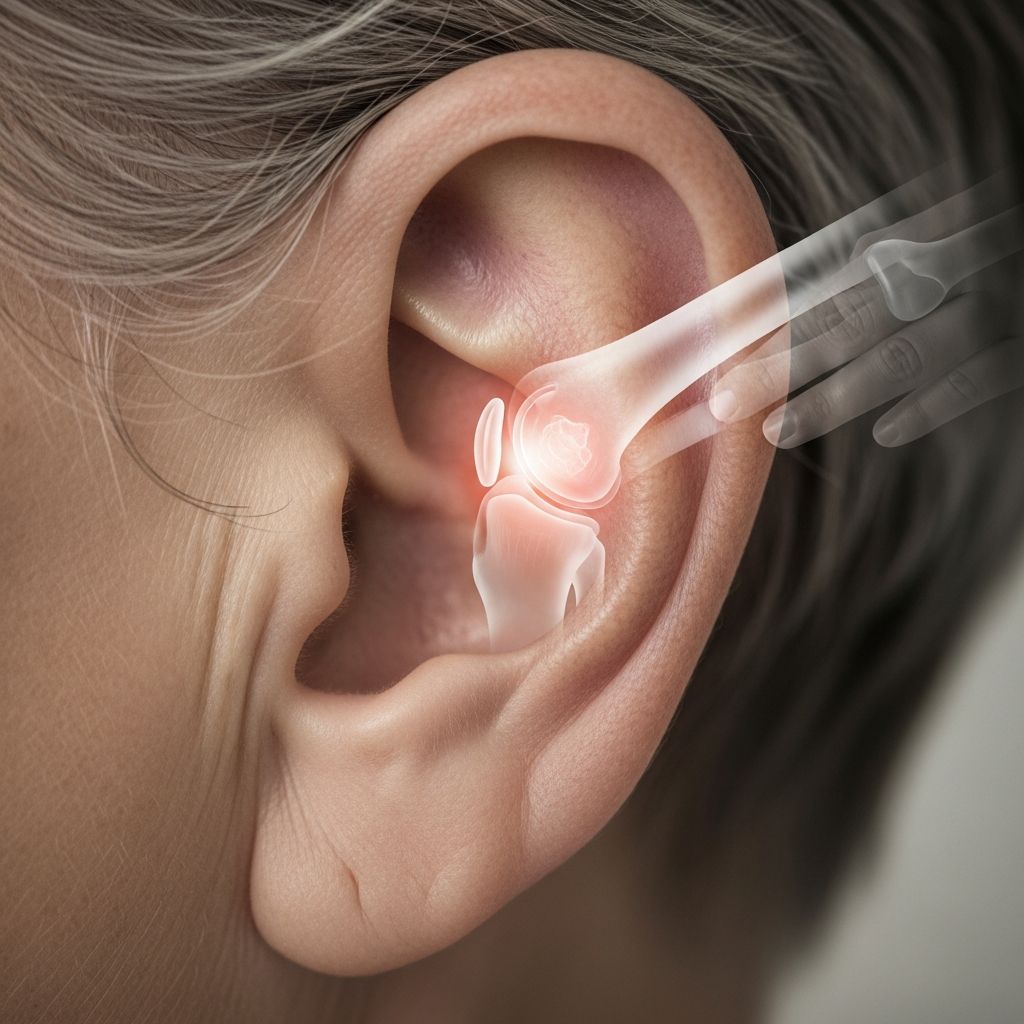
People with arthritis face an elevated risk of hearing loss, stemming from the disease’s inflammatory processes or the medications prescribed to manage it. Sensorineural hearing loss, affecting the inner ear’s hair cells or auditory nerve, is particularly prevalent among those with rheumatoid arthritis (RA).
The Connection Between Arthritis and Hearing Loss
Arthritis encompasses over 100 conditions characterized by joint inflammation, stiffness, and pain, impacting roughly 23.7% of U.S. adults, with higher rates among those with comorbidities like diabetes. While primarily joint-focused, its systemic effects extend to auditory health. Studies, including a 2018 analysis in Clinical Rheumatology, reveal elevated sensorineural hearing loss rates in RA patients compared to controls. A meta-analysis of 20,022 RA patients and 79,233 controls found RA patients four times more likely to develop sensorineural hearing loss, though not conductive or mixed types.
Psoriatic arthritis (PsA), juvenile idiopathic arthritis (JIA), systemic lupus erythematosus (lupus), and Sjogren’s syndrome also show associations. Inflammatory arthritis disrupts middle ear joints (ossicles like incudostapedial), cochlea function, and auditory nerves via extra-articular manifestations (EAMs). Prevalence of sensorineural hearing loss in RA ranges from 12% to 80%.
How Arthritis Causes Hearing Loss
Two primary mechanisms link arthritis to hearing impairment: direct autoimmune/inflammatory damage and ototoxic medications.
Direct Effects of Inflammatory Arthritis
Rheumatoid arthritis, an autoimmune disorder, triggers immune attacks on synovial tissues, extending to the inner ear. Inflammation targets the cochlea—where sound waves convert to neural signals—and auditory nerve, impairing hair cells that transmit sound to the brain. Vasculitis, a severe RA complication, further damages these structures by restricting blood flow.
Middle ear involvement causes conductive loss via ossicle arthritis, while inner ear immune complex deposition leads to sensorineural deficits. A Korean national study noted RA patients over 50 were 40% more prone to sudden deafness, a rapid unilateral loss linked to autoimmunity. Case reports document sudden-onset sensorineural hearing loss (SNHL) and tinnitus as RA-induced autoimmune inner ear disease.
Medication-Induced Ototoxicity
Arthritis treatments often include ototoxic drugs harming inner ear structures. High-dose salicylates (aspirin), NSAIDs, acetaminophen, antimalarials (e.g., hydroxychloroquine), and some disease-modifying antirheumatic drugs (DMARDs) reduce cochlear blood flow, damaging irreplaceable hair cells.
Over 200 ototoxic medications exist; common over-the-counter pain relievers for arthritis pose reversible or permanent risks, including tinnitus. Prolonged use exacerbates damage, with environmental factors like noise, smoking, and alcohol compounding effects in RA patients.
Symptoms of Hearing Loss
Hearing loss manifests gradually or suddenly. Key symptoms include:
- Difficulty understanding speech, especially in noisy environments.
- Frequent requests for repetition or louder volume.
- Ringing (tinnitus), muffled sounds, or balance issues.
- Sudden unilateral deafness, vertigo, or ear fullness in acute RA flares.
In arthritis patients, symptoms may coincide with joint flares, but progression can be insidious, delaying detection.
Diagnosis
Early screening via pure-tone audiometry is recommended for RA patients, assessing air and bone conduction to differentiate conductive, sensorineural, or mixed loss. Tympanometry evaluates middle ear function, while otoacoustic emissions and auditory brainstem response tests pinpoint cochlear/nerve issues.
Related Stories



Rheumatologists and otolaryngologists collaborate; high suspicion for autoimmune inner ear disease prompts RA serology (RF, anti-CCP) and imaging. Baseline audiograms before ototoxic drugs guide monitoring.
Treatment and Management
Addressing hearing loss improves quality of life, communication, and arthritis management adherence.
Medical Interventions
For autoimmune SNHL, high-dose oral or intratympanic steroids offer recovery potential, though RA responses vary; steroid-sparing immunosuppressants like DMARDs or biologics may help. Prompt rheumatology referral enhances prognosis.
Adjust ototoxic medications: switch to alternatives or lowest effective doses under supervision.
Hearing Aids and Rehabilitation
Amplification via digital hearing aids restores speech clarity; cochlear implants suit profound losses. Aural rehabilitation trains lip-reading and communication strategies.
| Type of Loss | Common in Arthritis | Treatment Options |
|---|---|---|
| Sensorineural | Most prevalent (up to 72% in RA) | Hearing aids, steroids, immunosuppressants |
| Conductive | Middle ear ossicle damage | Surgery (ossiculoplasty), aids |
| Mixed/Sudden | RA vasculitis or flares | Emergency steroids, biologics |
Prevention Strategies
Proactive measures mitigate risks:
- Regular Screening: Annual audiometry for arthritis patients, especially RA.
- Medication Vigilance: Monitor cumulative ototoxic exposure; discuss alternatives.
- Lifestyle Modifications: Avoid noise, quit smoking, limit alcohol.
- Early Intervention: Treat inflammation aggressively to curb EAMs.
- Hearing Protection: Use earplugs in loud settings.
Multidisciplinary care involving rheumatologists, audiologists, and ENT specialists optimizes outcomes.
Frequently Asked Questions
Is hearing loss common in rheumatoid arthritis?
Yes, sensorineural hearing loss affects 12-80% of RA patients, far higher than general population rates.
Can arthritis medications cause permanent hearing damage?
Ototoxic drugs like high-dose aspirin and NSAIDs can cause irreversible hair cell loss with prolonged use.
How is arthritis-related hearing loss diagnosed?
Pure-tone audiometry, tympanometry, and specialist evaluation distinguish types and causes.
Can hearing loss from arthritis be reversed?
Early steroid treatment for autoimmune cases improves prognosis; aids manage chronic loss.
Should I get a hearing test if I have arthritis?
Absolutely—routine screening detects subtle changes early.
Recognizing the arthritis-hearing loss nexus empowers patients to safeguard auditory health amid joint management. Consult specialists promptly for personalized strategies.
References
- The Link Between Rheumatoid Arthritis and Hearing Loss — EOENT. 2023. https://eoent.com/the-link-between-rheumatoid-arthritis-and-hearing-loss/
- What Is the Connection Between Arthritis and Hearing Loss — All Generations Audiology. 2023. https://allgenerationsaudiology.com/what-is-the-connection-between-arthritis-and-hearing-loss/
- Sudden-Onset Sensorineural Hearing Loss and Tinnitus in a Patient… — PMC (NCBI). 2023-05-29. https://pmc.ncbi.nlm.nih.gov/articles/PMC10247292/
- What to Know About the Connection Between Hearing Loss and Arthritis — ENT Salem. 2023. https://entsalem.com/what-to-know-about-the-connection-between-hearing-loss-and-arthritis/
- Idiopathic Inflammatory Arthritis in the Auditory Canal… — JRD (doi:10.4078/jrd.2022.29.2.116). 2022. https://www.jrd.or.kr/journal/view.html?doi=10.4078%2Fjrd.2022.29.2.116
- Can Inflammatory Arthritis Cause Hearing Loss? What You Must Know — CreakyJoints. 2023. https://creakyjoints.org/living-with-arthritis/complications/inflammatory-arthritis-hearing-loss/
- Arthritis and Hearing Loss — Arthritis Foundation. 2023. https://www.arthritis.org/health-wellness/about-arthritis/related-conditions/other-diseases/arthritis-and-hearing-loss
Similar Articles








Read full bio of Sneha Tete