Arthritis and Complementary Health Approaches
Evidence-based complementary approaches for managing osteoarthritis and rheumatoid arthritis.
Arthritis and Complementary Health Approaches: What the Science Says
Arthritis affects millions of people worldwide, significantly impacting quality of life and functional ability. While conventional medical treatments remain the cornerstone of arthritis management, complementary health approaches have garnered increasing research attention as potential adjunctive therapies. This comprehensive guide examines the current scientific evidence surrounding various complementary approaches for both osteoarthritis (OA) and rheumatoid arthritis (RA), providing healthcare professionals and patients with evidence-based information to inform treatment decisions.
Understanding Complementary Health Approaches
Complementary health approaches encompass a diverse range of therapies that can be classified based on their primary therapeutic input mechanism. Understanding these classifications helps healthcare providers and patients identify appropriate treatment modalities for their specific needs.
Classification of Complementary Approaches
The National Center for Complementary and Integrative Health (NCCIH) organizes complementary approaches into several categories:
- Nutritional approaches: Include special diets, dietary supplements, herbs, probiotics, and microbial-based therapies designed to support joint health and reduce inflammation.
- Psychological approaches: Encompass meditation, hypnosis, music therapies, and relaxation techniques that address the mental and emotional components of chronic pain.
- Physical approaches: Feature acupuncture, massage therapy, and spinal manipulation targeting specific physical symptoms.
- Combined approaches: Integrate multiple therapeutic inputs, such as yoga and tai chi combining psychological and physical elements, or mindful eating combining psychological and nutritional aspects.
Osteoarthritis: Evidence-Based Complementary Approaches
Osteoarthritis represents the most common form of arthritis, affecting joints through cartilage degradation. Clinical practice guidelines from the American College of Rheumatology and the Arthritis Foundation recommend both conventional and complementary modalities for managing OA symptoms.
Tai Chi: Strongly Recommended for OA Management
Tai chi has emerged as one of the most well-researched and strongly recommended complementary approaches for osteoarthritis. A 2021 systematic review and meta-analysis examining 11 randomized controlled trials involving 603 participants found that tai chi was associated with improved walking function and posture control in older adults with knee osteoarthritis. The evidence demonstrating tai chi’s effectiveness is particularly robust, with findings showing consistent benefits across multiple studies.
Research from a 2020 systematic review and meta-analysis of 20 randomized controlled trials and 2 case series revealed that exercise interventions, including tai chi and yoga, demonstrated small-to-high effect sizes for improving pain, physical function, quality of life, and stiffness compared to control groups. Particularly impressive results emerged from a 2016 randomized, 52-week, single-blind comparative effectiveness study involving 204 participants, which found that tai chi produced beneficial effects comparable to standard physical therapy courses in treating knee osteoarthritis.
A more recent 2021 systematic review and meta-analysis of 16 randomized controlled trials involving 986 participants with knee osteoarthritis demonstrated that tai chi practice significantly improved pain, physical function, dynamic balance, and physiological and psychological health markers. These comprehensive findings have led clinical practice guidelines to strongly recommend tai chi as a first-line complementary intervention for managing knee and hip osteoarthritis.
Yoga: Conditional Recommendation for Knee OA
Yoga incorporates several exercise elements potentially beneficial for arthritis management, including activities that enhance strength and flexibility while promoting overall wellbeing. A 2018 meta-analysis of 13 trials involving 1,557 participants with knee osteoarthritis and rheumatoid arthritis found that regular yoga training effectively reduced knee arthritic symptoms, promoted physical function, and enhanced general wellbeing in arthritic patients.
Despite these positive findings, yoga remains conditionally recommended for individuals with knee osteoarthritis, reflecting the need for additional research compared to tai chi. The distinction between strong and conditional recommendations typically relates to the volume and quality of available evidence, as well as consistency of results across studies.
Acupuncture: Evidence for Multiple Joint Sites
Acupuncture has demonstrated effectiveness in managing osteoarthritis pain across multiple joint locations. A 2018 review analyzing data from 10 studies encompassing 2,413 participants showed that acupuncture was more effective than no treatment for osteoarthritis pain. Furthermore, data from 9 studies involving 2,376 participants demonstrated that acupuncture was more effective than sham acupuncture, indicating genuine therapeutic benefit beyond placebo effects.
These findings have led clinical practice guidelines to conditionally recommend acupuncture for individuals experiencing knee, hip, and hand osteoarthritis. The consistent efficacy across different joint sites suggests that acupuncture may offer a valuable treatment option for patients seeking non-pharmacological pain management strategies.
Massage Therapy: Conditional Recommendation
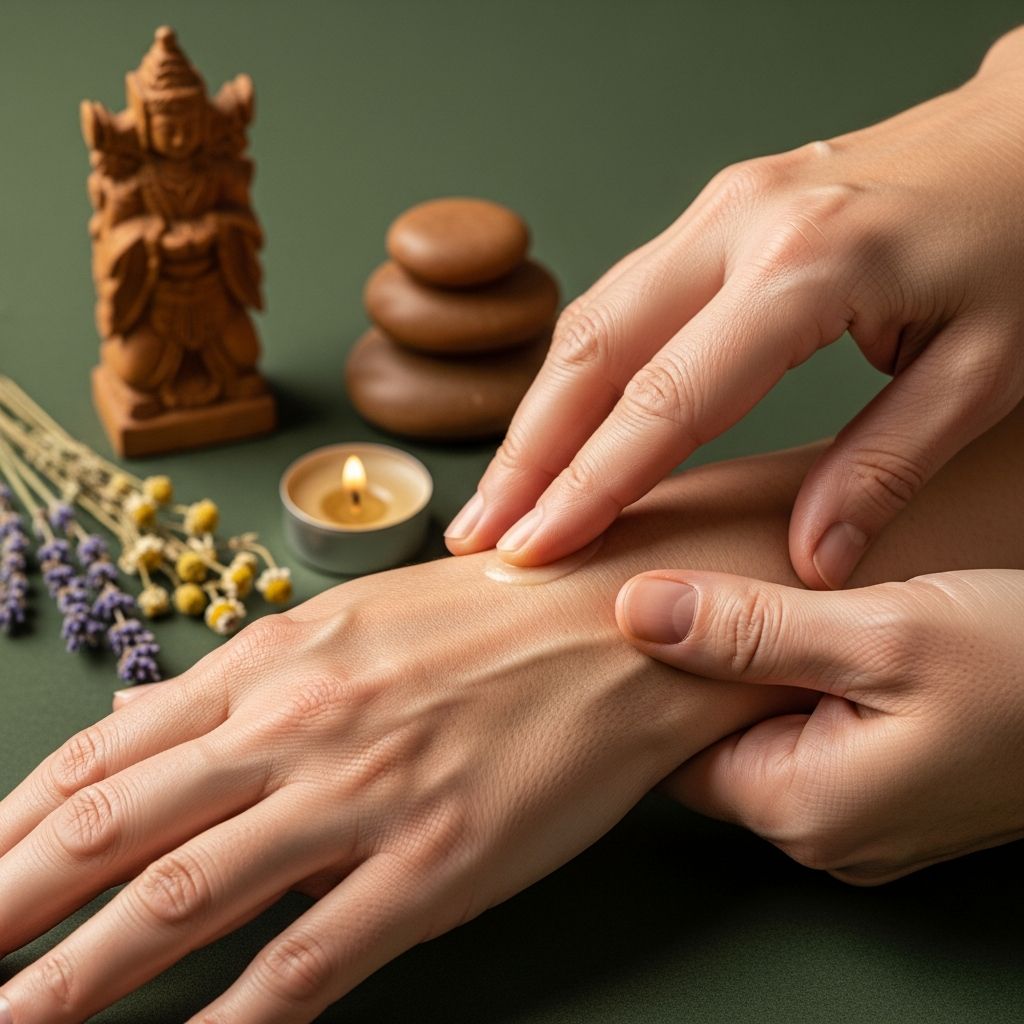
Massage therapy is conditionally recommended for osteoarthritis management, though current evidence remains limited compared to other complementary approaches. Additional research is needed to establish definitive efficacy and identify optimal treatment protocols for different patient populations and osteoarthritis presentations.
Additional Recommendations for OA Management
Beyond specific complementary approaches, clinical practice guidelines strongly recommend aerobic exercise and strength training, weight loss for overweight individuals, and various pharmacologic and nonpharmacologic modalities. Self-management programs and balance exercises are also conditionally recommended for managing knee osteoarthritis effectively.
Rheumatoid Arthritis: Complementary and Integrative Approaches
Rheumatoid arthritis, an autoimmune condition involving systemic inflammation, requires a comprehensive treatment approach addressing both inflammatory processes and symptom management. Complementary approaches show promise as beneficial additions to conventional treatment plans.
Mind and Body Practices for RA
Clinical trials suggest that psychological and physical approaches—including relaxation techniques, mindfulness meditation, tai chi, and yoga—may provide beneficial additions to conventional RA treatment plans. However, research indicates that these practices may predominantly improve broader aspects of patients’ health and quality of life rather than directly relieving joint pain. This distinction is important for setting realistic expectations when incorporating complementary approaches into RA management.
Mindfulness Meditation
Four studies involving 401 total participants have examined mindfulness-based interventions in individuals with rheumatoid arthritis, with all studies finding evidence of improvement in subjective symptoms such as pain and enhanced ability to cope with illness. Mindfulness meditation typically involves maintaining one position for extended periods, which can present challenges for individuals with arthritis-related mobility limitations.
Individuals interested in practicing mindfulness meditation should communicate their physical limitations to instructors, allowing for appropriate modifications to ensure comfort and accessibility. Tailored practice modifications can maximize benefits while minimizing discomfort for arthritic patients.
Nutritional Supplements for RA
Specific nutritional supplements have demonstrated potential for alleviating rheumatoid arthritis symptoms through anti-inflammatory mechanisms. Supplements containing omega-3 fatty acids, gamma-linolenic acid (GLA), or the herb thunder god vine may help relieve RA symptoms. Fish oil supplements, in particular, may help alleviate tender joints and morning stiffness in individuals with rheumatoid arthritis while potentially reducing the need for pain medications.
Glucosamine and Chondroitin: Uncertain Evidence
Despite extensive research investigations, the effectiveness of glucosamine and chondroitin supplements remains uncertain for osteoarthritis management. While these supplements are widely marketed and consumed, current evidence does not conclusively demonstrate whether they have meaningful impacts on osteoarthritis symptoms or joint structure. Healthcare professionals should discuss this uncertainty with patients considering these supplements, emphasizing the need for additional research to clarify their role in arthritis management.
Clinical Considerations and Integration
Healthcare providers should recognize that complementary health approaches can provide valuable additions to conventional arthritis treatment plans. The strongest evidence supports physical practices such as tai chi and acupuncture for osteoarthritis, while mind and body practices show promise for enhancing quality of life in rheumatoid arthritis patients. Treatment recommendations should be individualized based on patient preferences, physical capabilities, and specific arthritis presentation.
Safety Considerations
When recommending or discussing complementary approaches for arthritis, healthcare providers should ensure that patients understand the importance of combining these approaches with proven conventional treatments rather than substituting them. Patients should maintain open communication with their healthcare team about all treatments they are using, enabling comprehensive care coordination and monitoring for potential interactions or adverse effects.
Frequently Asked Questions
Q: Is tai chi suitable for all arthritis patients?
A: While tai chi is strongly recommended for osteoarthritis management, its suitability depends on individual health status and physical capabilities. Patients should consult with healthcare providers before beginning tai chi practice to ensure appropriateness and receive guidance on modifications if needed.
Q: Can complementary approaches replace conventional arthritis medications?
A: No. Complementary approaches should be used as additions to conventional treatment rather than replacements. Most evidence supports combining complementary approaches with prescribed medications and physical therapy for optimal outcomes.
Q: How long does it take to see benefits from complementary arthritis treatments?
A: Timeline varies by approach and individual. Some patients experience symptom improvement within weeks of beginning practices like tai chi or yoga, while others may require longer periods. Consistency and regular practice typically enhance benefits.
Q: Are there side effects associated with complementary arthritis approaches?
A: Most mind and body practices carry minimal risk when performed correctly. However, modifications may be necessary for individuals with severe joint involvement. Nutritional supplements may interact with medications, making discussion with healthcare providers essential before starting any supplement regimen.
Q: Is acupuncture painful, and is it safe for arthritis patients?
A: Acupuncture typically involves minimal discomfort and is generally considered safe when performed by qualified practitioners. The evidence supports its effectiveness for arthritis pain management without serious adverse events in most patients.
Q: Should I try glucosamine and chondroitin for osteoarthritis?
A: The evidence for these supplements remains inconclusive. Discuss potential benefits and limitations with your healthcare provider before using them, particularly considering cost and potential interactions with other medications.
Q: Can yoga help with both osteoarthritis and rheumatoid arthritis?
A: Research suggests yoga can benefit both conditions by improving strength, flexibility, and quality of life. However, modifications may be necessary based on disease severity and current symptoms. Instructors should be informed about arthritis to provide appropriate guidance.
References
- Arthritis and Complementary Health Approaches: What the Science Says — National Center for Complementary and Integrative Health (NCCIH), National Institutes of Health. 2025. https://www.nccih.nih.gov/health/providers/digest/arthritis-and-complementary-health-approaches-science
- Osteoarthritis: In Depth — National Center for Complementary and Integrative Health (NCCIH), National Institutes of Health. 2025. https://www.nccih.nih.gov/health/osteoarthritis-in-depth
- Rheumatoid Arthritis: In Depth — National Center for Complementary and Integrative Health (NCCIH), National Institutes of Health. 2025. https://www.nccih.nih.gov/health/rheumatoid-arthritis-in-depth
- Complementary Health Approaches for Chronic Pain — National Center for Complementary and Integrative Health (NCCIH), National Institutes of Health. 2025. https://www.nccih.nih.gov/health/providers/digest/complementary-health-approaches-for-chronic-pain-science
- Things To Know About Complementary Health Approaches for Osteoarthritis — National Center for Complementary and Integrative Health (NCCIH), National Institutes of Health. 2025. https://www.nccih.nih.gov/health/tips/things-to-know-about-complementary-health-approaches-for-osteoarthritis
- Things To Know About Complementary Health Approaches for Rheumatoid Arthritis — National Center for Complementary and Integrative Health (NCCIH), National Institutes of Health. 2025. https://www.nccih.nih.gov/health/tips/6-things-to-know-about-complementary-health-approaches-for-rheumatoid-arthritis
Similar Articles








Read full bio of medha deb