Arthritis: Causes, Symptoms, And Treatment Comprehensive Guide
Understand arthritis: causes, symptoms, types like osteoarthritis and rheumatoid arthritis, diagnosis, and effective treatments.
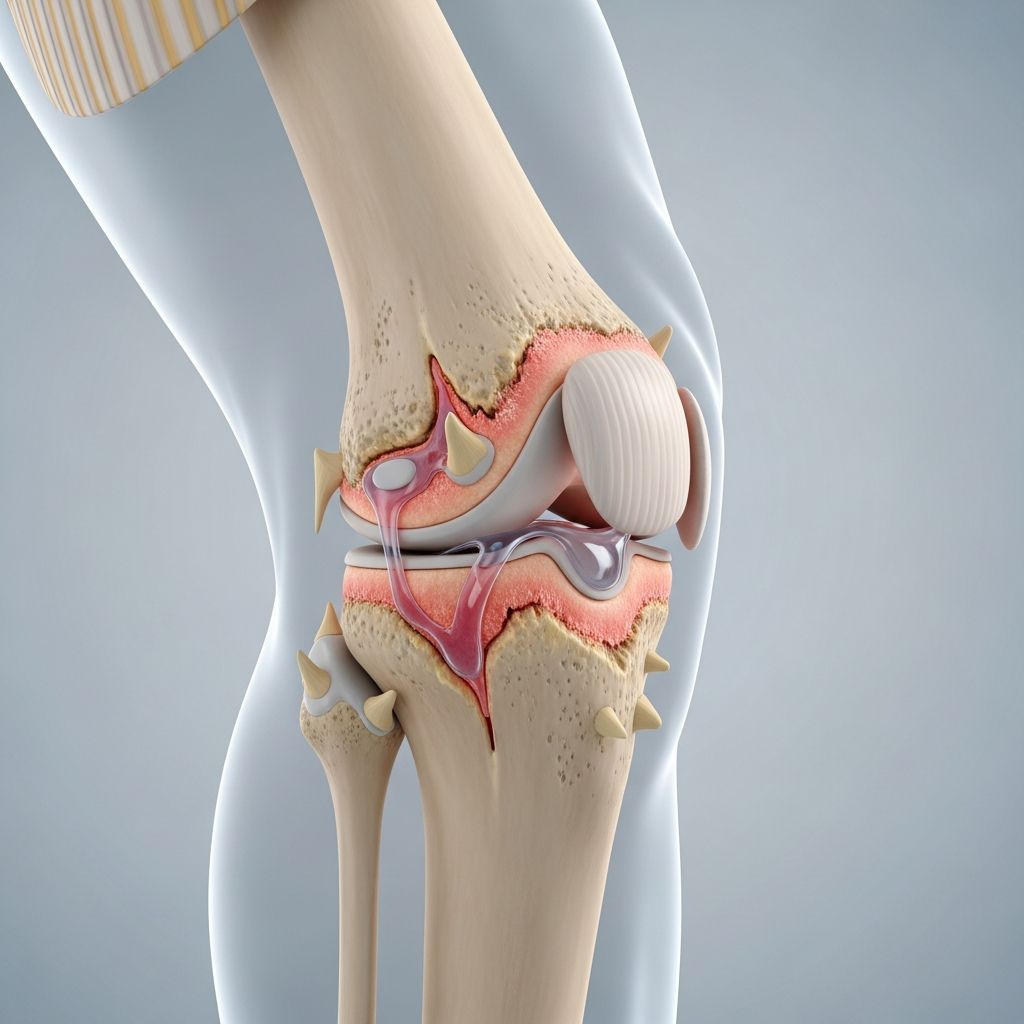
Arthritis means inflammation in a joint (like your knee, hip, elbow or fingers). It is a common problem and generally affects older people, although there are some rare conditions that cause arthritis in children and teenagers. There are lots of types of arthritis. Some give you short-term aches in the joints and then resolve completely, others can cause long-term problems and permanently affect how your joints move. This leaflet will explain a bit about how joints work and then go through the main causes of arthritis in easy-to-read language.
How joints work
Joints are where two bones meet. Most joints are held together by ligaments and are cushioned by cartilage which is a thin layer of tissue that prevents bones from rubbing together. The joint capsule is a tough membrane that encloses the joint and contains synovial fluid, which lubricates the joint and nourishes the cartilage. Muscles around the joint allow movement. When inflammation occurs in a joint, it causes pain, swelling, stiffness, and reduced movement.
What causes arthritis?
The two most common types of arthritis are osteoarthritis and rheumatoid arthritis. However, there are many different causes of arthritis. The following list includes some of the common conditions that mainly affect joints.
- Osteoarthritis: the most common type, caused by wear and tear on joints over time.
- Rheumatoid arthritis: an autoimmune disease causing inflammation and damage to joints.
- Gout: caused by uric acid crystals in joints, often affecting the big toe.
- Psoriatic arthritis: linked to psoriasis, affecting skin and joints.
- Ankylosing spondylitis: affects the spine, causing fusion of vertebrae.
- Reactive arthritis: triggered by infection elsewhere in the body.
- Septic arthritis: joint infection, often bacterial.
- Juvenile idiopathic arthritis: affects children under 16.
For further information on each, separate leaflets are available. This article focuses on osteoarthritis and rheumatoid arthritis as the primary types.
Osteoarthritis
Osteoarthritis is a degenerative joint disease that causes pain and stiffness in joints. It is the most common form of arthritis in the UK. In joints with osteoarthritis, the joint cartilage becomes damaged and worn. The bone tissue next to the cartilage can also be affected and bony growths called osteophytes can develop around the joint edges, visible on X-rays. The joints and surrounding tissues can become inflamed, known as synovitis.
Symptoms of osteoarthritis
Symptoms develop gradually. Common signs include joint pain (worse with activity, better with rest), stiffness (especially morning or after inactivity, lasting <30 minutes), swelling, reduced range of motion, and grating sensation (crepitus). Commonly affected joints: knees, hips, hands, spine.
Factors contributing to osteoarthritis
- Age (risk increases over 50).
- Obesity (extra weight stresses weight-bearing joints).
- Previous joint injury or surgery.
- Genetics/family history.
- Repetitive joint use (e.g., in certain occupations or sports).
- Muscle weakness around joints.
Osteoarthritis treatment
No cure exists, but treatments ease symptoms and improve function. Aims: understand the condition, reduce pain/stiffness, maintain mobility.
- Education and self-management: Learn about the condition to manage it effectively.
- Exercise: Strengthens muscles, improves joint function (e.g., swimming, walking).
- Weight loss: Reduces load on joints if overweight.
- Pain relief: Paracetamol, NSAIDs (e.g., ibuprofen), topical gels.
- Physiotherapy: Tailored exercises, manual therapy.
- Supports/aids: Braces, walking sticks, shoe insoles.
- Steroid injections: For short-term relief in inflamed joints.
- Surgery: Joint replacement (hip/knee) if severe.
Related Stories



Rheumatoid Arthritis
Rheumatoid arthritis (RA) is a common chronic inflammatory autoimmune disease characterised by inflammation of the synovial joints leading to joint and periarticular tissue destruction, as well as extra-articular features. It causes symmetrical inflammation, pain, and swelling, primarily small joints (hands, wrists, feet), progressing to larger ones. Persistent inflammation damages joints over time.
What causes rheumatoid arthritis?
The exact cause is unknown, but risk factors include genetics (HLA-DR4 gene), female sex (3:1 ratio), age (peak 40-60), smoking, environmental exposures (air pollutants), infections. The immune system attacks joint synovium.
Which joints are affected?
Typically symmetrical: metacarpophalangeal (MCP), proximal interphalangeal (PIP) joints, wrists, metatarsophalangeal (MTP) joints, knees, shoulders, elbows, ankles.
Rheumatoid arthritis symptoms
Joint pain, swelling, heat, redness, morning stiffness >1 hour, fatigue, low-grade fever, weight loss. Later: nodules, deformities (swan-neck, boutonniere), tendon ruptures.
How does rheumatoid arthritis develop and progress?
Symptoms develop gradually over weeks: initial stiffness in hands/wrists/feet, then pain/swelling. More joints involved. Untreated, leads to cartilage erosion, bone thinning, ligament damage, deformities, disability. Extra-articular: lungs, heart, eyes, vasculitis.
| Feature | Rheumatoid Arthritis | Osteoarthritis |
|---|---|---|
| Cause | Autoimmune | Wear and tear |
| Symmetry | Symmetrical | Unilateral or asymmetrical |
| Morning stiffness | >1 hour | <30 minutes |
| Systemic symptoms | Fatigue, fever | Local only |
| Age | 40-60 peak | >50 |
How is rheumatoid arthritis diagnosed?
Clinical history/exam, blood tests (rheumatoid factor, anti-CCP antibodies, ESR/CRP), X-rays (erosions), ultrasound/MRI for synovitis. Criteria: 2010 ACR/EULAR classification.
Other associated diseases and complications
- Extra-articular: Rheumatoid nodules, lung fibrosis, pericarditis, scleritis, Felty’s syndrome (splenomegaly, neutropenia).
- Complications: Osteoporosis, cardiovascular disease, infections, joint replacement need.
Importance of early diagnosis and treatment
Early intervention prevents joint damage, improves outcomes, reduces disability/mortality. Treat-to-target: remission/low disease activity.
Rheumatoid arthritis treatment
Aims: reduce inflammation/pain, prevent damage, minimize disability, treat extras.
Treatment aim 1: Decrease disease activity/prevent damage
- DMARDs: Methotrexate (first-line), sulfasalazine, hydroxychloroquine, leflunomide.
- Biologics: TNF inhibitors (etanercept, adalimumab), IL-6 inhibitors (tocilizumab), B-cell (rituximab), T-cell (abatacept).
- JAK inhibitors: Tofacitinib, baricitinib.
Treatment aim 2: Reduce pain/stiffness
- NSAIDs, COX-2 inhibitors, low-dose corticosteroids (bridge therapy).
- Rest during flares, splints, heat.
Treatment aim 3: Minimize disability
- Physiotherapy, occupational therapy, exercise (swimming).
- Podiatry, aids.
Side effects: Monitor for infections, liver toxicity, etc.
What is the outlook for rheumatoid arthritis?
With early DMARDs/biologics, many achieve remission/low activity, preventing damage. Some have flares; severe cases lead to disability/surgery. Comorbidities increase risks.
Frequently Asked Questions (FAQs)
Q: What is the difference between osteoarthritis and rheumatoid arthritis?
A: Osteoarthritis is wear-and-tear degeneration, asymmetrical, short stiffness; RA is autoimmune inflammation, symmetrical, prolonged stiffness, systemic.
Q: Can arthritis be cured?
A: No cure, but treatments control symptoms, slow progression, improve quality of life.
Q: How can I prevent arthritis from worsening?
A: Maintain healthy weight, exercise regularly, protect joints, quit smoking, early treatment.
Q: When should I see a doctor for joint pain?
A: If persistent pain, swelling, stiffness >6 weeks, affects daily activities, or with systemic symptoms.
Q: Are there home remedies for arthritis pain?
A: Heat/cold packs, gentle exercise, weight management, OTC pain relievers; consult doctor.
References
- Rheumatoid Arthritis: Symptoms and Treatment | Doctor — Patient.info. 2023-01-15. https://patient.info/doctor/rheumatology/rheumatoid-arthritis-pro
- Rheumatoid Arthritis: A Brief Overview of the Treatment — PMC (NCBI). 2019-03-13. https://pmc.ncbi.nlm.nih.gov/articles/PMC6422329/
- Rheumatoid Arthritis: Symptoms, Treatment, & Medications — Patient.info. 2023-05-20. https://patient.info/bones-joints-muscles/rheumatoid-arthritis-leaflet
- Arthritis: Causes, Symptoms, and Treatment — Patient.info. 2024-02-10. https://patient.info/bones-joints-muscles/arthritis
- Osteoarthritis: Causes, Symptoms, and Treatment — Patient.info. 2024-01-05. https://patient.info/bones-joints-muscles/arthritis/osteoarthritis
- Arthritis: Symptoms, Causes, Types, Treatment & Prevention — Cleveland Clinic. 2023-11-28. https://my.clevelandclinic.org/health/diseases/12061-arthritis
- Rheumatoid Arthritis Management & Treatment | Doctor — Patient.info. 2023-08-12. https://patient.info/doctor/rheumatology/management-of-rheumatoid-arthritis
Similar Articles








Read full bio of Sneha Tete