Arthrodesis (Joint Fusion): Complete Guide to Procedure & Recovery
Comprehensive guide to joint fusion surgery: indications, procedure, recovery, and long-term outcomes.
Arthrodesis (Joint Fusion): What It Is, Procedure & Recovery
Arthrodesis, commonly known as joint fusion, is a surgical procedure designed to permanently fuse two bones in a joint together. Healthcare providers recommend this treatment option for patients experiencing severe joint pain, stiffness, and other debilitating symptoms that significantly impact quality of life. Unlike temporary pain management solutions, joint fusion offers a lasting remedy when conservative treatments have proven ineffective. This comprehensive guide explores the essential aspects of arthrodesis, including what it involves, why it may be necessary, how the procedure is performed, and what patients can expect during recovery.
Understanding Arthrodesis: The Basics
Arthrodesis is a surgical intervention that permanently joins two bones in a joint together to create a single, stable unit. Joints are locations in your body where two bones meet, enabling movement across nearly every part of your anatomy. When joints become severely damaged due to arthritis, injury, or degenerative conditions, the protective cartilage that normally cushions and lubricates the joint wears away. This deterioration causes bones to rub directly against each other, resulting in pain, inflammation, and loss of function.
Your healthcare provider typically considers arthrodesis only after exhausting nonsurgical treatment options such as physical therapy, medications, injections, and other conservative approaches. The decision to proceed with joint fusion is made collaboratively between you and your surgical team to ensure it aligns with your health goals and lifestyle expectations.
Common Indications for Arthrodesis
While severe arthritis is the most frequent reason patients undergo joint fusion, several other conditions may warrant this surgical approach:
Primary Indications:
Severe Arthritis: When osteoarthritis or rheumatoid arthritis has significantly damaged joint cartilage, causing chronic pain and reduced mobility
Post-Traumatic Arthritis: Joint damage resulting from previous injuries that have led to progressive deterioration
Joint Instability: Cases where ligament or bone damage has compromised joint stability
Hallux Rigidus: Severe arthritis of the great toe joint causing pain and restricted movement
Inflammatory Arthropathies: Conditions such as rheumatoid arthritis that cause widespread joint damage
End-Stage Deformities: Severe structural abnormalities that impair function and cause pain
Joints That Can Be Fused
Surgeons can perform joint fusions on numerous joints throughout the body. Common sites for arthrodesis include:
| Joint Location | Common Condition Treated | Typical Recovery Time |
|---|---|---|
| Spine (Cervical, Thoracic, Lumbar) | Degenerative disc disease, spondylolisthesis | 3-6 months |
| Ankle | Severe ankle arthritis, post-traumatic arthritis | 2-3 months |
| Subtalar Joint (foot) | Foot arthritis, hindfoot deformities | 2-3 months |
| Great Toe Joint | Hallux rigidus, hallux valgus | 4-6 weeks |
| Sacroiliac Joint | Severe sacroiliac joint dysfunction | 6-12 weeks |
| Wrist | Wrist arthritis, post-traumatic changes | 2-3 months |
| Fingers | Finger joint arthritis | 2-4 weeks |
The Arthrodesis Procedure Explained
Pre-Operative Preparation
Before your surgery, you’ll meet with your healthcare provider and surgical team to discuss your symptoms, treatment history, and medical background. This consultation helps your surgeon understand how your condition affects your daily life and which nonsurgical treatments you’ve already tried. Your provider will also review any medications you’re taking and provide specific pre-operative instructions, including fasting requirements and activity restrictions.
Anesthesia Administration
On the day of your surgery, an anesthesiologist will administer anesthesia to ensure you remain comfortable and pain-free throughout the procedure. You may receive general anesthesia, which puts you to sleep completely, and/or regional anesthesia, which numbs the area around the joint needing fusion. Your anesthesiologist will determine the best approach based on the location of your joint fusion and your overall health status.
Surgical Steps
The exact surgical technique varies depending on which joint requires fusion. However, the general surgical approach includes:
Incision: Your surgeon makes one or more incisions to access the affected joint. The size and location of incisions depend on the joint being treated and the surgical approach chosen (open surgery versus minimally invasive).
Cartilage Removal: The surgeon carefully removes the damaged cartilage from both bone surfaces within the joint.
Surface Preparation: The bone surfaces are cleaned and prepared to promote fusion by creating micro-fractures that encourage new bone growth.
Bone Graft or Implant Placement: The surgeon may place bone graft material (from your own body, donor bone, or synthetic material) between the bone surfaces to facilitate fusion and promote healing.
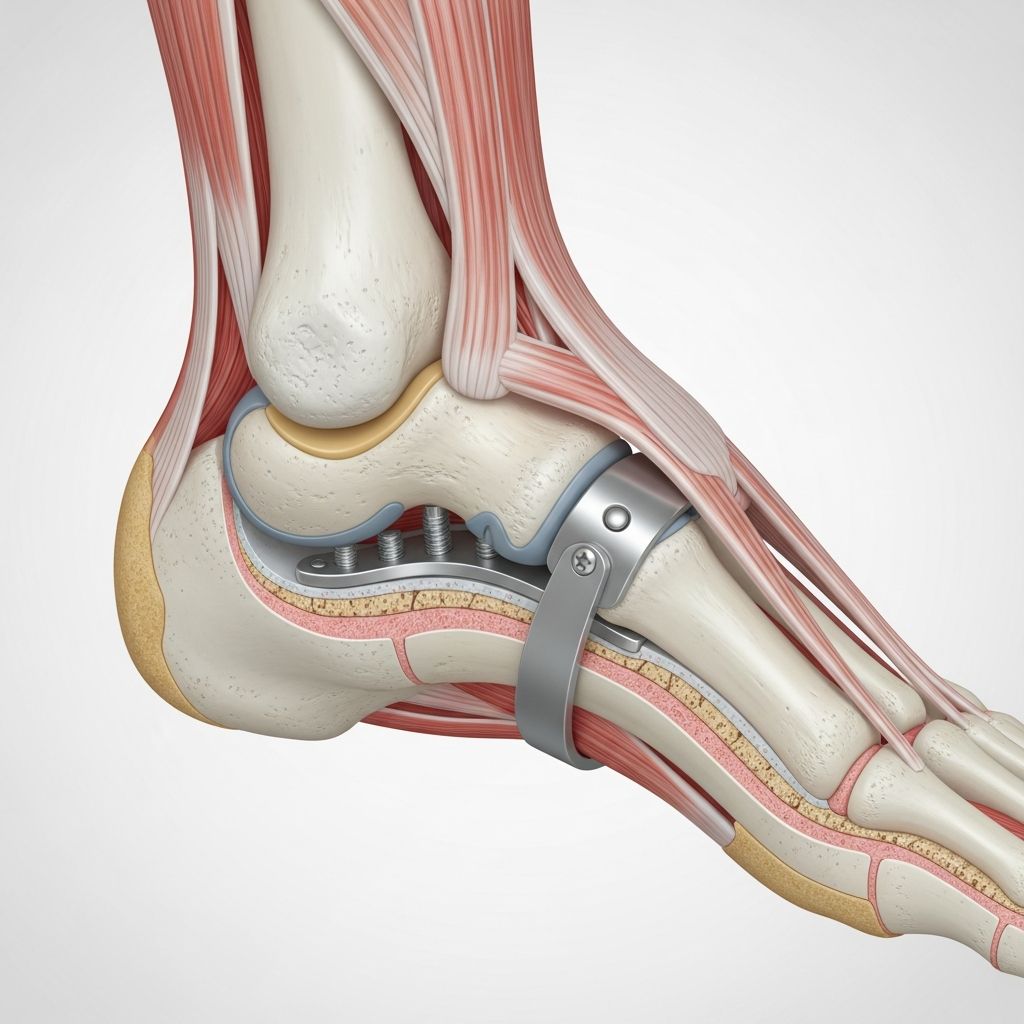
Fixation: Hardware such as screws, plates, or rods may be used to hold the bones in the correct position while they heal and fuse together.
Closure: The incision is closed with sutures or staples, and a sterile dressing is applied.
Procedure Duration
The length of arthrodesis surgery varies significantly depending on the joint location and complexity. Spinal fusions may take up to five hours due to the intricate nature of spinal anatomy. Smaller joints, such as finger fusions, typically require 30-60 minutes. Your surgeon will provide specific timing estimates for your particular procedure.
The Fusion Process: What Happens After Surgery
Following arthrodesis, your body initiates a natural healing response. The two bones gradually grow together over weeks and months, eventually becoming a single, unified structure. This fusion process strengthens the joint, eliminates abnormal motion, and reduces friction between bone surfaces. As the bones fuse, pain typically decreases significantly, and stability improves. The fusion becomes progressively more solid over time, with complete bone healing typically occurring within 3-6 months, depending on the location and complexity of the fusion.
Recovery Timeline and Expectations
Immediate Post-Operative Period
In the immediate hours after surgery, you’ll spend time in the recovery room where nursing staff monitor your vital signs and pain levels. Most patients can return home within 24 hours, though some may require an overnight hospital stay depending on the extent of surgery and overall health status.
Early Recovery Phase (Weeks 1-6)
During the first few weeks following arthrodesis, your primary focus should be pain management, wound care, and gradual activity resumption. You may experience swelling, bruising, and discomfort at the surgical site. Your surgeon may recommend ice, elevation, and prescribed pain medications to manage symptoms. Physical therapy typically begins within the first few weeks to promote gentle movement and prevent stiffness in surrounding joints.
Intermediate Recovery Phase (Weeks 6-12)
As weeks progress, most patients experience gradual improvement in pain and increasing comfort with daily activities. Sutures or staples are typically removed around 10-14 days post-operatively. Physical therapy intensifies with more comprehensive exercises designed to restore strength and mobility in adjacent joints. Most patients can resume light activities and modified exercise by 6-8 weeks post-operatively.
Long-Term Recovery (3-6 Months and Beyond)
Complete bone fusion typically requires 3-6 months, depending on individual healing factors and the joint involved. However, most patients report significant pain relief within the first few weeks as surgical trauma heals. By 3-6 months post-operatively, the vast majority of patients can resume normal physical activities, including exercise and sports participation. Return to work timelines vary based on job demands and activity requirements.
Benefits of Arthrodesis
Joint fusion offers substantial advantages for patients with severe joint pathology:
Permanent Pain Relief: Most patients experience lasting symptom improvement, often for decades or life-long pain relief in many cases.
Improved Stability: Fusion eliminates abnormal motion and instability, creating a more solid and dependable joint structure.
Enhanced Function: Many patients can return to all routine physical activities, including recreation and sports.
Quality of Life Improvement: Reduced pain and improved stability often dramatically enhance overall quality of life and functional capacity.
High Success Rates: Studies demonstrate excellent outcomes, with fusion rates exceeding 90% and patient satisfaction rates greater than 80% in most cases.
Potential Risks and Complications
Like all surgical procedures, arthrodesis carries certain risks that should be discussed with your surgeon:
Infection: Surgical site infections are possible but relatively uncommon when proper sterile techniques are employed.
Bleeding and Blood Clots: Excessive bleeding or blood clot formation can occur post-operatively.
Anesthesia Complications: Reactions to anesthesia medications are rare but possible.
Nerve or Blood Vessel Injury: Surgical manipulation near nerves or blood vessels may occasionally cause injury.
Delayed Fusion: In some cases, bones may fuse more slowly than expected or incompletely, requiring additional intervention.
Non-Union: Occasionally, bones fail to fuse completely, necessitating revision surgery.
Reduced Range of Motion: Because two bones are permanently joined, motion in that joint becomes permanently limited or eliminated. This is an expected outcome rather than a complication.
Adjacent Segment Degeneration: Particularly with spinal fusions, increased stress on adjacent joints may accelerate degeneration in surrounding segments.
Need for Revision Surgery: Some patients may require additional surgeries in the future to address complications or progressive degeneration in adjacent joints.
Range of Motion Considerations
It’s important to understand that arthrodesis permanently reduces or eliminates movement in the fused joint. Since two bones are surgically joined to become one unit, normal joint motion is no longer possible. However, adjacent joints typically compensate for this loss of motion. For example, a fused ankle joint may result in slightly reduced ankle motion, but the subtalar joint and other foot joints remain flexible. Your surgeon will discuss specific motion expectations for your particular fusion before surgery.
Distinguishing Arthrodesis and Joint Fusion
Arthrodesis and joint fusion refer to identical surgical procedures. Arthrodesis is the medical terminology, while joint fusion is the common term used in patient education. Healthcare providers and surgeons often use these terms interchangeably when discussing this treatment option. Understanding both terms helps ensure clear communication with your medical team.
Frequently Asked Questions (FAQs)
Q: How long does a joint fusion surgery take?
A: Surgery duration varies by joint location. Spinal fusions typically require up to five hours, while smaller joints like fingers may take only 30-60 minutes. Your surgeon will provide specific timing expectations for your procedure.
Q: When can I return to work after arthrodesis?
A: Return-to-work timelines depend on your job type and activity requirements. Desk jobs may be possible within 2-4 weeks, while jobs requiring physical labor may require 2-3 months or more. Your surgeon can provide specific recommendations based on your occupation.
Q: Will I need physical therapy after joint fusion?
A: Yes, physical therapy is typically recommended to optimize healing, maintain strength in surrounding muscles, and restore function in adjacent joints. Your surgeon will prescribe an appropriate therapy program.
Q: How permanent is joint fusion?
A: Joint fusion is a permanent procedure. Once bones fuse, they remain joined. However, some patients may require revision surgery years later if complications develop or adjacent joints deteriorate significantly.
Q: Can I exercise after joint fusion?
A: Yes, most patients can resume regular exercise and sports activities within 3-6 months post-operatively. However, you should follow your surgeon’s and physical therapist’s guidelines regarding activity progression.
Q: Is joint fusion the only treatment option for severe arthritis?
A: No, joint fusion is typically considered after other treatments like medications, injections, and physical therapy have been tried. Your surgeon will discuss all available options before recommending fusion.
Q: What happens if my bones don’t fuse?
A: Non-union (incomplete fusion) is rare but can occur. If this happens, your surgeon may recommend revision surgery to promote fusion, potentially using different techniques or additional bone graft material.
Q: Can I drive after arthrodesis?
A: Most patients can resume driving once they’ve weaned off narcotic pain medications and have adequate strength and range of motion. This typically occurs 4-6 weeks post-operatively, but depends on the joint fused and your individual recovery.
References
- Arthrodesis (Joint Fusion): What It Is, Procedure & Recovery — Cleveland Clinic. Last updated 2024-03-22. https://my.clevelandclinic.org/health/procedures/arthrodesis-joint-fusion
- Great Toe Pain: First Metatarsophalangeal Joint Fusion Has Excellent Outcomes — Cleveland Clinic. https://consultqd.clevelandclinic.org/great-toe-pain-first-metatarsophalangeal-joint-fusion-has-excellent-outcomes
- SI (Sacroiliac) Joint Fusion: Procedure, Recovery & Restrictions — Cleveland Clinic. https://my.clevelandclinic.org/health/procedures/si-sacroiliac-joint-fusion
- Subtalar Fusion Surgery: Procedure & Recovery — Cleveland Clinic. https://my.clevelandclinic.org/health/procedures/subtalar-fusion
- Ankle Fusion (Arthrodesis) Surgery: Procedure & Recovery — Cleveland Clinic. https://my.clevelandclinic.org/health/procedures/ankle-fusion
- Tibiotalocalcaneal Fusion for Severe Deformity and Bone Loss — National Institutes of Health/PubMed. 2016. https://pubmed.ncbi.nlm.nih.gov/26829585/
- Post-Traumatic Arthritis: What It Is, Symptoms & Treatment — Cleveland Clinic. https://my.clevelandclinic.org/health/diseases/14616-post-traumatic-arthritis
Similar Articles








Read full bio of Sneha Tete