Arthrography: Advanced Joint Imaging Diagnosis
Comprehensive guide to arthrography imaging for detailed joint diagnosis and evaluation.
Understanding Arthrography: A Comprehensive Guide to Joint Imaging
Arthrography is an advanced medical imaging technique that provides physicians with detailed, high-resolution images of joint structures and tissues. This specialized diagnostic procedure combines contrast material injection with various imaging modalities to visualize the internal anatomy of joints such as the shoulder, knee, hip, and ankle. When standard X-rays fail to reveal sufficient detail about joint structure and function, arthrography becomes an invaluable diagnostic tool for identifying the underlying causes of joint pain, instability, and dysfunction.
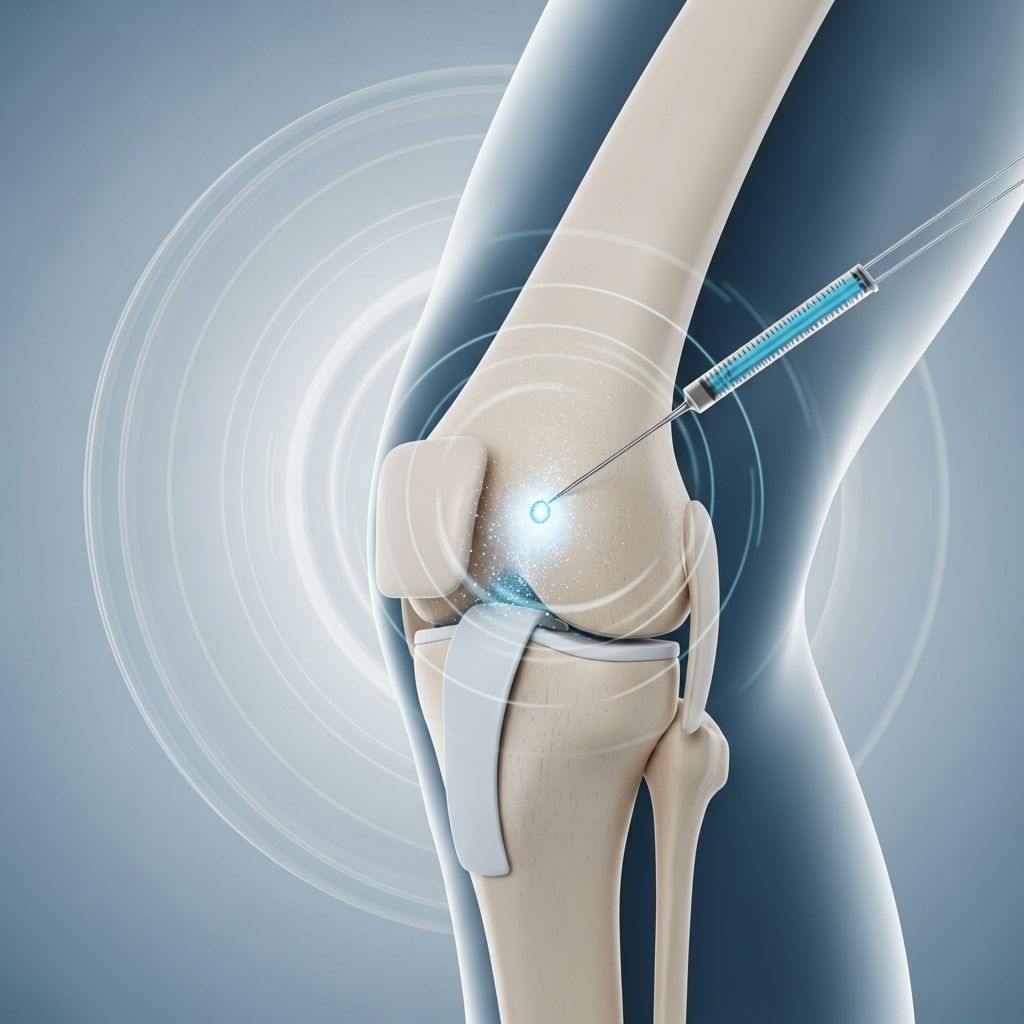
The procedure works by introducing a contrast medium directly into the joint space, which highlights soft tissue structures that would otherwise be invisible on conventional imaging. This allows radiologists to obtain clear, detailed images of ligaments, tendons, cartilage, and other critical joint components. As a result, arthrography has become essential in modern orthopedic medicine for diagnosing complex joint conditions that require precise visualization before treatment planning.
What Is Arthrography?
Arthrography is a type of imaging examination that combines contrast material injection with radiological imaging to evaluate joint conditions and diagnose unexplained pain or dysfunction. The procedure involves injecting a contrast substance—typically iodine-based liquid or air—directly into the joint space under sterile conditions. Once the contrast material disperses throughout the joint, radiologists can visualize the joint structures with exceptional clarity using fluoroscopy, X-rays, MRI, or CT scanning.
The contrast medium coats the inner lining of joint structures and appears bright white on imaging, allowing radiologists to study the detailed anatomy and function of the affected joint. This enhanced visualization reveals information about joint stability, integrity, and any abnormalities that might not be apparent on conventional imaging studies.
Types of Arthrography
Arthrography can be classified into two primary categories based on how the contrast material is administered:
Direct Arthrography
In direct arthrography, contrast material is injected directly into the joint space using a long, thin needle. This method allows for precise visualization of intra-articular structures and is the most commonly performed type of arthrography. Direct arthrography may be performed using several imaging modalities:
- Fluoroscopic Arthrography: Uses real-time X-ray imaging (fluoroscopy) to guide needle placement and visualize the contrast distribution throughout the joint.
- Ultrasound-Guided Arthrography: Employs ultrasound technology to guide the contrast injection and ensure accurate needle positioning.
- CT Arthrography: Combines direct contrast injection with computed tomography scanning for enhanced three-dimensional visualization of joint structures, particularly useful for examining the patellofemoral joint.
- MR Arthrography: Uses magnetic resonance imaging following contrast injection to examine articular cartilage and soft tissue structures with exceptional detail.
Indirect Arthrography
In indirect arthrography, contrast material is injected intravenously into the bloodstream rather than directly into the joint space. The contrast gradually accumulates in the joint tissues, allowing for imaging evaluation. This method is less commonly used than direct arthrography but may be considered when direct injection is contraindicated.
Why Might You Need Arthrography?
Arthrography is performed for several clinical indications when patients present with joint-related concerns that require detailed visualization for accurate diagnosis:
- Persistent and unexplained joint pain that does not respond to conservative treatment
- Loss of motion or restricted joint mobility
- Suspected ligament tears or injuries
- Cartilage damage or degenerative joint disease
- Tendon tears or inflammation
- Joint instability or recurrent subluxation
- Evaluation of joint capsule integrity
- Assessment of joint fluid abnormalities when infection is suspected
- Preoperative planning for arthroscopic or open surgical procedures
- Evaluation of unexplained changes in joint function
Related Stories



Arthrography may be performed as a standalone diagnostic test when the site and nature of the injury are clearly apparent from the images obtained. In other cases, it serves as the first phase of a comprehensive diagnostic process that also includes CT or MRI scans for additional anatomical detail.
How Is Arthrography Performed?
Pre-Procedure Preparation
Before undergoing arthrography, patients typically receive specific instructions regarding preparation. You should inform your healthcare provider of any allergies, particularly to iodine or contrast materials, and provide a complete medical history. Most arthrography procedures are performed on an outpatient basis, allowing patients to return home the same day.
On the day of the procedure, you will be instructed to remove any clothing or jewelry near the joint being examined. Wearing comfortable, loose-fitting clothing is recommended for ease of access to the affected area. If you are taking blood-thinning medications, discuss this with your healthcare provider beforehand, as it may affect your care.
The Procedure Steps
Positioning and Baseline Imaging: You will be positioned on an examination table in the procedure room. X-rays of the joint may be obtained prior to contrast injection to provide a baseline examination for later comparison with arthrogram images. If recent X-rays are available, the physician may use these for reference.
Skin Preparation: The skin around the joint will be covered with sterile drapes and cleaned thoroughly with an antiseptic solution to maintain a sterile field and reduce infection risk.
Local Anesthetic Application: A small needle is used to inject local anesthetic (numbing medicine) around the joint area. You may experience a brief burning sensation before the numbing effect takes hold. Tell the healthcare provider if you continue to feel discomfort so additional anesthetic can be administered.
Needle Insertion and Contrast Injection: Once the area is thoroughly numb, a longer needle is inserted into the joint space. The radiologist uses fluoroscopy or ultrasound to guide the needle into the correct anatomical position. The physician may use a syringe to aspirate (drain) joint fluid, which may be sent to a laboratory for analysis, particularly when infection is suspected.
The contrast material—approximately 10 milliliters, adjusted based on age and joint size—along with air in some cases, is injected into the joint space while the radiologist observes with fluoroscopy or ultrasound. In some cases, additional medications such as anti-inflammatory steroids may be injected along with the contrast material.
Joint Movement and Imaging: After needle removal, you will be asked to move the affected joint to distribute the contrast material evenly throughout the joint space. The radiologist may assist in moving the joint while evaluating joint motion under fluoroscopy. Multiple X-rays are then taken with the joint positioned in various positions. In some cases, a special frame or traction device may be used to stretch the joint for a wider view. Positioning aids such as pillows or sandbags may help maintain optimal positioning during imaging.
Procedure Duration
A conventional direct arthrography examination is usually completed within 30 minutes, though examinations involving MRI may take longer, exceeding one hour.
What to Expect After Arthrography
Following the arthrography procedure, you will be monitored briefly before discharge. Some patients may experience mild discomfort, swelling, or a sensation of pressure in the joint immediately after the procedure. These symptoms typically resolve within a few hours to days with rest and ice application.
Most patients can resume normal activities the following day, though strenuous exercise should be avoided for at least 48 hours. Your healthcare provider will provide specific activity restrictions based on your individual circumstances and the joint examined.
In most cases, you will undergo an MRI or, less commonly, a CT scan after the arthrogram has been completed. These additional imaging studies provide complementary information and enhance diagnostic accuracy.
Advantages of Arthrography
Arthrography offers several significant advantages for joint evaluation and diagnosis:
- Enhanced Visualization: Provides superior visualization of soft tissue structures compared to standard X-rays
- High Sensitivity: Highly effective at detecting disease within ligaments, tendons, and cartilage
- Early detection of abnormalities that may not be apparent on conventional imaging
- Accurate assessment of joint stability and integrity
- Precise identification of cartilage tears and other internal injuries
- Useful in preoperative planning and surgical decision-making
- Minimally invasive outpatient procedure
- Quick procedure duration in most cases
Potential Risks and Considerations
While arthrography is generally a safe procedure, like all medical interventions, it carries potential risks that patients should understand:
- Infection: Rare risk of joint infection, though strict sterile technique minimizes this possibility
- Allergic Reaction: Potential allergic reaction to contrast material, particularly in patients with iodine sensitivity
- Bleeding: Minor bleeding or hematoma formation at the injection site
- Nerve or Vessel Damage: Uncommon risk of inadvertent puncture of nerves or blood vessels
- Radiation Exposure: Minimal radiation exposure from fluoroscopy or X-ray imaging
- Temporary Discomfort: Mild to moderate discomfort during or after the procedure
These risks are generally minimal when the procedure is performed by experienced radiologists using appropriate sterile techniques and advanced imaging guidance.
Frequently Asked Questions
Is arthrography painful?
Arthrography is minimally uncomfortable when proper anesthesia is administered. Local anesthetic effectively numbs the injection area, so you should feel pressure but not significant pain. Communicate with your healthcare provider if you experience pain during the procedure.
How long does recovery take after arthrography?
Most patients recover quickly, with complete recovery occurring within 24 to 48 hours. You may resume normal daily activities the following day, though strenuous exercise should be avoided temporarily.
Can arthrography be performed on any joint?
Arthrography can be performed on most major joints, including the shoulder, knee, hip, ankle, elbow, and wrist. Your physician will determine whether arthrography is appropriate for your specific joint concern.
Are there contraindications to arthrography?
Relative contraindications include active joint infection, severe coagulopathy (bleeding disorder), and known allergies to contrast material. Discuss any medical conditions or allergies with your healthcare provider before the procedure.
How accurate is arthrography for diagnosis?
Arthrography demonstrates high sensitivity and specificity for detecting joint pathology, particularly soft tissue abnormalities. Combined with other imaging modalities like MRI or CT, diagnostic accuracy is significantly enhanced.
Will I need additional imaging after arthrography?
In most cases, MRI or CT scanning follows the arthrography procedure to provide additional detail and confirmation of findings. Your radiologist will determine whether additional imaging is necessary based on initial arthrography results.
References
- What Is Arthrography? — Intermountain Medical Imaging. 2024. https://aboutimi.com/what-is-arthrography/
- Direct Arthrography — Radiology Info, American College of Radiology. 2024. https://www.radiologyinfo.org/en/info/arthrog
- What to Expect during an Arthrogram Procedure — RAYUS Radiology. 2024. https://www.youtube.com/watch?v=NQ0L_U_vplA
- Arthrography — WVU Medicine Health Library. 2024. https://healthlibrary.wvumedicine.org/Library/DiseasesConditions/Adult/92,P07653
- Arthrogram — Medical Encyclopedia, University of Rochester Medical Center. 2024. https://www.urmc.rochester.edu/encyclopedia/Content?contentTypeID=92&ContentID=P07653
- Arthrogram: What It Is, Purpose, Procedure, Risks & Types — Cleveland Clinic. 2024. https://my.clevelandclinic.org/health/diagnostics/arthrogram
- Arthrography: Advanced Imaging Solutions — Centreville Imaging. 2024. https://www.centrevilleimaging.com/services/arthrogram/
Similar Articles








Read full bio of Sneha Tete