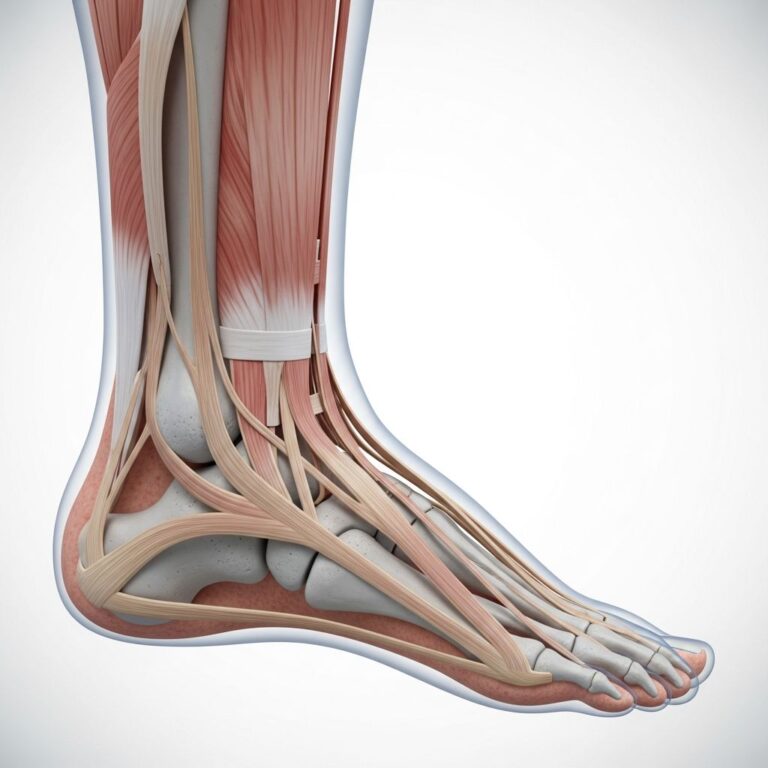
Arthropathy: Types, Causes, and Treatment Options
Comprehensive guide to arthropathy: Understanding joint disease, symptoms, and evidence-based treatments.
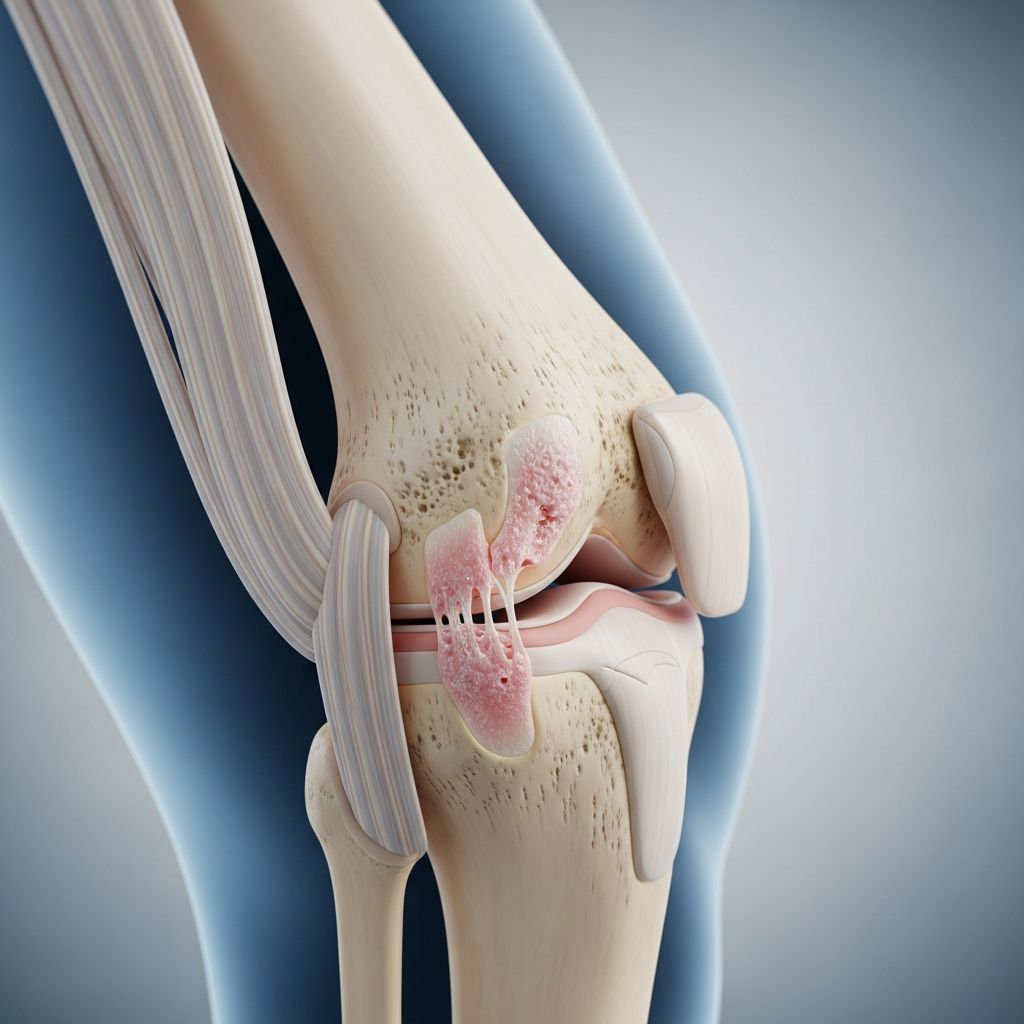
Understanding Arthropathy: A Comprehensive Overview
Arthropathy refers to any disease or abnormality affecting one or more joints in the body. The term encompasses a wide range of joint conditions that can develop from various causes, including inflammatory responses, degenerative processes, infections, or metabolic disorders. Joint diseases represent one of the most common health concerns affecting millions of people worldwide, impacting quality of life, mobility, and overall well-being. Understanding the nature of arthropathy, its different manifestations, and available treatment options is essential for managing these conditions effectively.
The human body contains over 200 joints, each designed to provide flexibility, stability, and movement. When these joints become diseased or damaged, it can result in pain, swelling, stiffness, and reduced functionality. Arthropathy can affect people of all ages, though certain types are more common in specific age groups. Early recognition and appropriate medical intervention can significantly improve outcomes and help maintain joint health and mobility.
Types of Arthropathy
Arthropathy encompasses numerous joint conditions, each with distinct characteristics and underlying causes. Understanding the different types helps healthcare providers develop appropriate treatment strategies and helps patients make informed decisions about their care.
Osteoarthritis
Osteoarthritis is the most common form of joint disease, characterized by the progressive degeneration of cartilage that cushions the joints. This degenerative condition typically develops over time as the protective cartilage wears away, allowing bones to rub together. Osteoarthritis most frequently affects weight-bearing joints such as the knees, hips, and spine, but can also impact the hands, feet, and other joints. The condition is more prevalent in older adults, though it can develop earlier in individuals who have experienced joint injuries or have specific risk factors.
Rheumatoid Arthritis
Rheumatoid arthritis is an autoimmune inflammatory arthropathy where the body’s immune system mistakenly attacks the synovial lining of joints. This chronic inflammatory condition causes persistent joint pain, swelling, stiffness, and progressive joint damage if left untreated. Rheumatoid arthritis typically affects multiple joints symmetrically, often impacting the hands, wrists, feet, and other areas. The condition can develop at any age but is more common in middle-aged and older adults, with women being affected more frequently than men.
Psoriatic Arthritis
Psoriatic arthritis is an inflammatory arthropathy associated with psoriasis, a skin condition characterized by red, scaly patches. Approximately 10-30% of individuals with psoriasis develop psoriatic arthritis. This condition can affect any joint in the body and may cause joint pain, swelling, and stiffness similar to rheumatoid arthritis. Some individuals experience skin symptoms before joint symptoms appear, while others develop arthritis symptoms concurrently or even before skin manifestations.
Ankylosing Spondylitis
Ankylosing spondylitis is a form of inflammatory arthropathy primarily affecting the spine. This chronic condition causes inflammation of the spinal joints and can result in increasing stiffness and reduced mobility over time. In advanced cases, the vertebrae may fuse together, limiting spinal flexibility. The condition typically begins in the lower back and may progress upward toward the neck. Males are affected more frequently than females, and the condition often develops in young to middle-aged adults.
Gout
Gout is a metabolic arthropathy caused by the accumulation of uric acid crystals in joints, most commonly affecting the big toe. This condition causes sudden, severe pain, redness, swelling, and warmth in the affected joint. Gout attacks can be triggered by dietary factors, alcohol consumption, dehydration, and certain medications. While often acute and episodic, gout can become chronic and destructive if hyperuricemia (elevated uric acid levels) remains untreated.
Related Stories



Charcot Joint Disease
Charcot joint disease, also known as diabetic neuropathic osteoarthropathy, is a potentially disabling complication of diabetes that creates a local osteopenic reaction with weakened bone. As bones collapse under the stress of weight-bearing, the condition can lead to deformity and instability of the foot and ankle. The active phase presents with sudden, unexpected inflammation, while the chronic inactive phase shows resolution of inflammation and ossification. Without proper management, Charcot joint disease can progress to ulceration, infection, and potentially amputation.
Infectious Arthropathy
Infectious arthropathy, also known as septic arthritis, develops when bacteria, viruses, or other pathogens invade the joint space and cause inflammation. This condition requires prompt medical attention as bacterial infections can rapidly damage joint cartilage. Symptoms typically include severe pain, swelling, warmth, and redness in the affected joint, often accompanied by fever. Lyme arthritis, caused by spirochete infection from tick bites, represents another important infectious arthropathy requiring specific treatment approaches.
Causes and Risk Factors
Arthropathy develops through various mechanisms, and understanding contributing factors helps identify at-risk individuals and implement preventive measures.
Age-Related Factors
The risk of developing most types of arthropathy increases with age. Cartilage naturally degenerates over time, making older individuals more susceptible to osteoarthritis. Additionally, lifetime exposure to joint stress, cumulative micro-injuries, and age-related changes in immune function contribute to arthropathy development in older populations.
Genetic Predisposition
Genetic factors play significant roles in determining arthropathy susceptibility. Individuals with family histories of rheumatoid arthritis, psoriatic arthritis, and ankylosing spondylitis face elevated risk. Specific genetic markers, such as the HLA-B27 gene associated with ankylosing spondylitis, can predispose individuals to these conditions.
Lifestyle and Environmental Factors
Obesity places excessive stress on weight-bearing joints, accelerating cartilage degeneration and increasing osteoarthritis risk. Occupational activities involving repetitive joint stress, previous joint injuries, and sedentary lifestyles all contribute to arthropathy development. Additionally, smoking has been associated with increased rheumatoid arthritis risk.
Metabolic and Systemic Conditions
Metabolic disorders such as hyperuricemia leading to gout, diabetes contributing to Charcot joint disease, and hormonal imbalances can precipitate arthropathy. Infections, particularly untreated bacterial or spirochete infections, may also trigger joint disease.
Symptoms and Clinical Presentation
While symptoms vary depending on arthropathy type and severity, common manifestations include:
– Joint pain ranging from mild to severe- Swelling and inflammation in affected joints- Stiffness, particularly after periods of inactivity or in the morning- Reduced range of motion and flexibility- Warmth and redness around affected joints- Fatigue and general malaise in inflammatory conditions- Deformity in advanced cases
The onset and progression of symptoms vary. Some conditions develop gradually over months or years, while others may present acutely. Early recognition of symptoms enables timely intervention and better management outcomes.
Diagnosis and Assessment
Accurate diagnosis is essential for developing appropriate treatment plans. Healthcare providers employ multiple diagnostic tools and approaches.
Medical History and Physical Examination
Physicians begin by gathering detailed medical histories and conducting thorough physical examinations, assessing joint function, range of motion, and signs of inflammation. They inquire about symptom onset, progression, family history, and potential triggering factors.
Laboratory Testing
Blood tests can detect inflammatory markers such as erythrocyte sedimentation rate (ESR) and C-reactive protein (CRP). Rheumatoid factor and anti-CCP antibodies help diagnose rheumatoid arthritis. Uric acid measurements assess gout risk, and genetic testing for HLA-B27 aids ankylosing spondylitis diagnosis. Synovial fluid analysis obtained through arthrocentesis can identify infections or crystal deposits.
Imaging Studies
X-rays provide information about bone structure and cartilage damage. Magnetic resonance imaging (MRI) offers detailed soft tissue visualization, while ultrasound assesses joint inflammation and synovial involvement. These imaging modalities help stage disease severity and monitor progression.
Treatment Approaches
Treatment strategies depend on arthropathy type, severity, and individual patient factors. A comprehensive approach often combines multiple modalities.
Pharmacological Treatments
Nonsteroidal anti-inflammatory drugs (NSAIDs) reduce pain and inflammation in various arthropathies. For inflammatory conditions like rheumatoid arthritis, disease-modifying antirheumatic drugs (DMARDs) slow disease progression. Biologic agents targeting specific immune pathways have revolutionized treatment of inflammatory arthropathies. Corticosteroids provide short-term inflammation relief in acute situations. Medications for gout management include xanthine oxidase inhibitors and uricosuric agents to reduce uric acid levels.
Non-Pharmacological Interventions
Physical therapy and exercise programs strengthen muscles supporting joints, improve flexibility, and maintain mobility. Heat and cold therapy provide symptomatic relief. Weight management reduces stress on weight-bearing joints. Assistive devices such as canes, braces, and splints support affected joints and reduce pain during daily activities.
Lifestyle Modifications
Dietary changes, particularly reducing purines in gout and maintaining anti-inflammatory diets in rheumatoid arthritis, support medical treatment. Stress reduction techniques, adequate sleep, and avoiding activities that exacerbate symptoms contribute to overall management success. Smoking cessation improves outcomes in inflammatory arthropathies.
Surgical Interventions
When conservative treatments fail to provide adequate relief, surgical options may be considered. Joint replacement surgery replaces severely damaged joints with prosthetic alternatives. Arthroscopic procedures can address specific joint problems, while fusion surgery may stabilize unstable joints.
Complementary Approaches
Evidence-based complementary therapies support conventional treatment. Yoga practice, when performed safely with appropriate modifications, provides health benefits for individuals with arthritis, including improved joint mobility and reduced pain when guided by instructors familiar with arthropathy. Acupuncture and mindfulness-based stress reduction offer additional supportive benefits for some patients.
Prognosis and Long-Term Management
Prognosis varies significantly depending on arthropathy type and early intervention. Early diagnosis and aggressive treatment of inflammatory arthropathies can prevent or slow joint damage. Osteoarthritis progression varies, with some individuals experiencing rapid degeneration while others progress slowly over decades. Infectious arthropathy prognosis depends on prompt appropriate antibiotic therapy. Long-term management involves regular monitoring, medication adjustments as needed, and lifestyle modifications to maintain optimal joint health and function.
Prevention and Risk Reduction
While not all arthropathy types are preventable, several strategies reduce risk or delay onset. Maintaining healthy weight, staying physically active with appropriate exercise, protecting joints from injury, and avoiding smoking all contribute to joint health. Managing underlying conditions such as diabetes and hyperuricemia reduces arthropathy risk. Individuals with family histories of arthropathy should discuss preventive strategies with healthcare providers.
When to Seek Medical Attention
Consultation with healthcare providers is warranted when experiencing joint pain lasting more than two weeks, significant swelling or stiffness, reduced joint mobility affecting daily activities, or signs suggesting infectious arthropathy such as severe pain with fever. Early medical evaluation enables timely diagnosis and treatment initiation, improving long-term outcomes.
Frequently Asked Questions
Q: What is the difference between arthritis and arthropathy?
A: Arthropathy is a broad term describing any joint disease or abnormality, while arthritis specifically refers to inflammation of joints. All arthritis conditions are arthropathies, but not all arthropathies involve inflammation.
Q: Can arthropathy be cured?
A: Cure depends on the specific type. Infectious arthropathy caused by bacteria may be cured with appropriate antibiotics. Degenerative arthropathies like osteoarthritis cannot be cured but can be effectively managed. Inflammatory arthropathies can be controlled with modern treatments, achieving remission in many cases.
Q: Is exercise safe for people with arthropathy?
A: Yes, appropriately designed exercise programs benefit most arthropathy patients by strengthening supporting muscles, improving flexibility, and maintaining joint function. Patients should consult healthcare providers to develop personalized exercise programs suited to their specific condition.
Q: What dietary changes help manage arthropathy?
A: Anti-inflammatory diets rich in omega-3 fatty acids, fruits, and vegetables benefit inflammatory arthropathies. Gout patients should limit purine-rich foods and alcohol. Weight management through appropriate nutrition reduces stress on weight-bearing joints in all arthropathy types.
Q: How does early treatment affect arthropathy outcomes?
A: Early diagnosis and treatment significantly improve outcomes, particularly in inflammatory arthropathies. Prompt intervention can prevent progressive joint damage, reduce long-term disability, and maintain better quality of life compared to delayed treatment.
References
- Johns Hopkins Arthritis Center Overview — Johns Hopkins Medicine. 2024. https://www.hopkinsarthritis.org
- Living with Rheumatoid Arthritis: Understanding and Coping Guide — Johns Hopkins Press Health Books. Updated 2024. https://www.hopkinsmedicine.org
- Charcot Joint Disease (Diabetic Neuropathic Osteoarthropathy) — Johns Hopkins Diabetes Guide, authored by Shin, Laura D.P.M., Ph.D., Armstrong, David D.P.M., M.D., Ph.D., and Sanders, Lee D.P.M. Last updated 2020-07-04. https://www.hopkinsguides.com/hopkins/view/Johns_Hopkins_Diabetes_Guide/547027
- Johns Hopkins ABX Guide: Infectious Arthropathies — Johns Hopkins Guides. 2024. https://www.hopkinsguides.com/hopkins/index/Johns_Hopkins_ABX_Guide
- Yoga for Arthritis: An Introduction — Johns Hopkins Medicine. Instructed by Dr. Steffany Moonaz. 2024. https://www.hopkinsmedicine.org
- Guidelines for Treating Arthritis Caused by New Cancer Therapies — Johns Hopkins Rheumatology and Oncology Collaborative Guidelines. 2017-07. https://www.hopkinsrheumatology.org/2017/07/recommendations-inflammatory-arthritis-caused-cancer-treatment/
Similar Articles








Read full bio of medha deb