Arthroplasty: Joint Replacement Surgery Guide
Complete guide to arthroplasty procedures: understand joint replacement surgery options and recovery.
What is Arthroplasty?
Arthroplasty is a surgical procedure in which an artificial joint is used to replace a damaged or diseased joint. This orthopedic intervention is designed to relieve pain, restore function, and improve quality of life for patients suffering from severe joint conditions. The procedure involves removing the damaged portions of the joint and replacing them with prosthetic components made of metal, plastic, or ceramic materials. Arthroplasty is commonly performed on joints that bear significant weight or are heavily used, such as the hip, knee, shoulder, and ankle. When conservative treatments fail to provide adequate relief from joint pain and dysfunction, arthroplasty becomes an effective solution for restoring mobility and reducing discomfort.
Types of Arthroplasty
There are several types of arthroplasty procedures, each tailored to address specific joint problems and patient needs. Understanding the different types helps patients and healthcare providers determine the most appropriate intervention.
Total Joint Arthroplasty
Total joint arthroplasty involves the complete replacement of a damaged joint with artificial components. This is the most common type of arthroplasty and is performed when the joint is severely damaged by osteoarthritis, rheumatoid arthritis, or other degenerative conditions. In total joint replacement, both sides of the joint are replaced with prosthetic materials. The procedure is particularly effective for weight-bearing joints like the hip and knee, where the entire joint surface has been compromised.
Partial Joint Arthroplasty
Partial arthroplasty, also known as unicompartmental replacement, involves replacing only the damaged portion of the joint while preserving healthy bone and cartilage. This approach is often used in knee replacements when arthritis affects only one compartment of the knee. Partial replacement procedures can offer several advantages, including shorter surgical time, reduced blood loss, and faster recovery compared to total joint replacement. However, not all patients are candidates for partial arthroplasty, as it requires adequate healthy joint tissue remaining.
Surface Replacement Arthroplasty
Surface replacement arthroplasty preserves more of the natural bone structure while resurfacing the damaged joint surfaces with prosthetic materials. This technique is particularly used in hip replacements, where the femoral head is capped with a metal prosthesis rather than being completely removed. Surface replacement can be an appealing option for younger, more active patients who wish to preserve bone stock for potential future revision surgeries. Research comparing surface replacement with traditional total hip replacement has shown comparable clinical outcomes in intermediate-term follow-up studies.
Common Arthroplasty Procedures
Total Hip Arthroplasty
Total hip arthroplasty is one of the most frequently performed joint replacement procedures. In this surgery, the femoral head (thighbone ball) and acetabulum (hip socket) are replaced with prosthetic components. The artificial hip joint typically consists of a metal ball attached to a metal or ceramic stem inserted into the thighbone, combined with a plastic or ceramic cup fitted into the pelvic socket. Hip replacement is indicated for patients with severe osteoarthritis, avascular necrosis, hip fractures, or rheumatoid arthritis who have not benefited from conservative treatment options.
Total Knee Arthroplasty
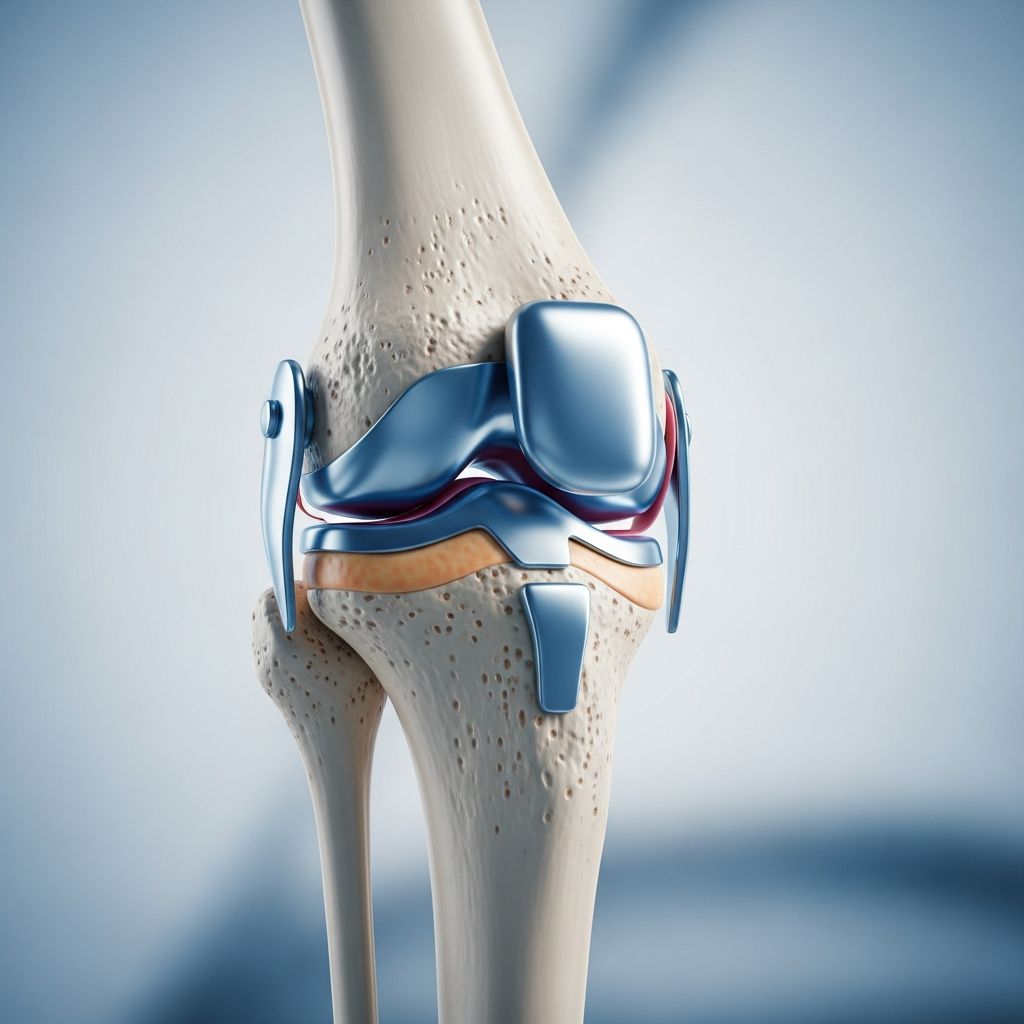
Total knee arthroplasty involves replacing the damaged surfaces of the thighbone, shinbone, and kneecap with metal and plastic components. The procedure reshapes deformed or arthritic bone and places smooth metal caps and plastic pieces to create a new knee joint. The metal cap on the thighbone sits on a plastic piece that functions as the new joint surface, while another metal cap sits on the leg bone. Knee replacement is effective for patients with severe knee pain who cannot walk without significant discomfort and have not responded to other treatments. After recovery, patients can engage in various low-impact activities such as walking, swimming, golfing, or biking, with artificial joints typically lasting 15 to 20 years.
Related Stories



Why Arthroplasty is Needed
Arthroplasty becomes necessary when joint damage reaches an advanced stage and conservative treatments no longer provide adequate relief. Several conditions warrant consideration for joint replacement surgery:
- Osteoarthritis: The most common reason for arthroplasty, causing progressive cartilage deterioration
- Rheumatoid arthritis: An autoimmune condition that damages joint tissue and requires surgical intervention
- Traumatic injury: Severe joint injuries that result in permanent damage may require replacement
- Avascular necrosis: Death of bone tissue due to loss of blood supply
- Joint fractures: Complex fractures that cannot be adequately repaired through conventional means
- Failed previous surgery: Patients who have undergone unsuccessful joint repair procedures
Before recommending arthroplasty, surgeons evaluate the knee’s range of motion, stability, strength, and the extent of damage. The decision to proceed with surgery considers multiple factors including age, weight, activity level, joint size and shape, and overall health status.
The Arthroplasty Procedure
Preoperative Preparation
Before undergoing arthroplasty, patients undergo comprehensive preoperative evaluation. This includes physical examination, imaging studies such as X-rays or MRI scans, blood tests, and cardiac assessment if needed. Patients meet with their surgical team to discuss the procedure, anesthesia options, and expected outcomes. Physical therapy instruction begins before surgery to prepare patients for postoperative rehabilitation. Patients receive guidance on medication management, fasting requirements, and arrangements for postoperative care at home.
The Surgical Procedure
During arthroplasty, the surgeon makes an incision to access the damaged joint. The damaged bone and cartilage are removed and replaced with artificial joints made of metal and plastic. In hip replacement, bone grows into the rough surface of the metal implants, creating a stable fixation. The surgeon carefully positions the prosthetic components to ensure proper alignment and function. The incision is then closed with sutures or staples. The entire procedure typically takes one to three hours, depending on the complexity and type of joint being replaced.
Anesthesia and Pain Management
Arthroplasty procedures are typically performed under general anesthesia or regional anesthesia with sedation. During surgery, multimodal pain control is employed, utilizing a combination of agents such as anti-inflammatories rather than relying on a single pain management approach. This comprehensive pain management strategy helps minimize postoperative discomfort and facilitates faster recovery.
Benefits of Arthroplasty
Arthroplasty offers numerous benefits for patients suffering from severe joint damage:
- Pain relief: Significant reduction or elimination of chronic joint pain
- Improved mobility: Restoration of joint function and range of motion
- Enhanced quality of life: Ability to participate in daily activities and recreational pursuits
- Better sleep: Reduced nighttime pain allows for improved rest
- Increased independence: Patients can perform self-care and household activities without assistance
- Long-term durability: Modern prosthetic joints can function for 15 to 20 years or longer
- Bone preservation: Surface replacement techniques preserve natural bone stock for future procedures
Risks and Complications
While arthroplasty is generally a safe procedure, potential risks and complications should be understood before surgery. These may include infection, blood clots, prosthetic component loosening, dislocation of the artificial joint, nerve or blood vessel injury, and heterotopic ossification (abnormal bone formation). Some patients may experience persistent pain or stiffness despite surgery. In rare cases, additional surgery may be necessary to address complications. Most serious complications occur in less than 2-3% of cases, and modern surgical techniques and protocols continue to minimize these risks.
Recovery and Rehabilitation
Hospital Stay
Most arthroplasty patients remain hospitalized for one to three days following surgery, depending on the procedure complexity and individual circumstances. During hospitalization, medical staff monitor the surgical site, manage pain, administer antibiotics, and initiate early mobilization and physical therapy.
Physical Therapy
Physical therapy is crucial for successful recovery and optimal outcomes. Before leaving the hospital, in-home physical therapy is arranged to help patients continue rehabilitation at home. Outpatient physical therapy is recommended two to three times per week, possibly continuing for 10 to 12 weeks after surgery. Specialized equipment is used during therapy sessions to rebuild strength, restore range of motion, and improve functional mobility. Patients are taught exercises to perform at home to facilitate continuous progress.
Return to Activities
The timeline for returning to normal activities varies depending on the type of joint replaced and individual healing rates. Initially, patients should avoid heavy lifting, strenuous exercise, and high-impact activities. Gradual progression to low-impact activities such as walking, swimming, and cycling is encouraged. Most patients can return to light work within 6-8 weeks and resume most normal activities within 3-6 months. After recovery, patients can engage in various low-impact activities, with artificial joints typically lasting 15 to 20 years.
Activity Levels and Long-Term Outcomes
Research demonstrates that arthroplasty outcomes are influenced by postoperative activity levels and patient characteristics. Studies comparing different prosthetic designs show that higher activity levels correlate with increased incidence of certain radiographic changes, though clinical outcomes including pain relief and function often remain excellent. Younger, more active patients undergoing surface replacement techniques show comparable or superior outcomes compared to traditional total joint replacement when matched for age and activity level. The status of the patient before surgery, including their baseline activity level and overall health, significantly impacts postoperative success and longevity of the prosthetic joint.
Frequently Asked Questions
Q: Who is a candidate for arthroplasty?
A: Candidates for arthroplasty typically have severe joint pain that limits daily activities, significant joint damage visible on imaging, and inadequate relief from conservative treatments such as physical therapy, medications, or injections. Age alone is not a limiting factor; candidacy depends on overall health status and functional goals.
Q: How long do artificial joints last?
A: Modern artificial joints typically last 15 to 20 years or longer. Longevity depends on the prosthetic design, surgical technique, patient age, activity level, and adherence to postoperative guidelines. Some patients may require revision surgery if the prosthesis becomes loose or damaged.
Q: Can I play sports after arthroplasty?
A: After sufficient recovery, patients can participate in low-impact sports and recreational activities such as walking, swimming, golfing, and biking. High-impact activities like running, basketball, or tennis are generally not recommended as they can accelerate prosthetic wear and increase revision risk.
Q: What is the recovery timeline after arthroplasty?
A: Most patients return to light activities within 6-8 weeks and resume normal daily activities within 3-6 months. Full recovery typically takes 6-12 months. Physical therapy and gradual progression of activities are essential for optimal outcomes.
Q: Are there alternatives to arthroplasty?
A: Before considering arthroplasty, conservative treatments such as physical therapy, anti-inflammatory medications, corticosteroid injections, and weight management are typically attempted. Some patients benefit from arthroscopic procedures or other minimally invasive interventions. Arthroplasty is reserved for advanced joint damage unresponsive to these alternatives.
Q: What complications can occur after arthroplasty?
A: Potential complications include infection, blood clots, prosthetic loosening, dislocation, nerve injury, and heterotopic ossification. Most serious complications occur in less than 2-3% of cases. Modern surgical protocols and prophylactic measures significantly minimize these risks.
References
- Treatment of primary osteoarthritis of the hip: A comparison of total hip arthroplasty and hip articular surface replacement — Johns Hopkins University School of Medicine. 1984. https://pure.johnshopkins.edu/en/publications/treatment-of-primary-osteoarthritis-of-the-hip-a-comparison-of-to-3
- Total Knee Replacement: A Lifechanging Procedure — Johns Hopkins Al Hasa Health Center. 2024. https://www.jhah.com/en/news-events/news-articles/total-knee-replacement-a-lifechanging-procedure/
- Johns Hopkins Medicine Joint Replacement Education Video — Johns Hopkins Medicine Department of Orthopaedic Surgery. 2024. https://www.youtube.com/watch?v=Idyasf-0Jow
- Knee Replacement Surgery — Johns Hopkins Orthopaedic Surgery. 2024. https://www.youtube.com/watch?v=CoGVoc4J94Y
Similar Articles








Read full bio of medha deb