Artichoke Allergy: Causes, Symptoms And Prevention Guide
Explore the globe artichoke: its botany, culinary uses, and potential to cause allergic contact dermatitis in handlers.
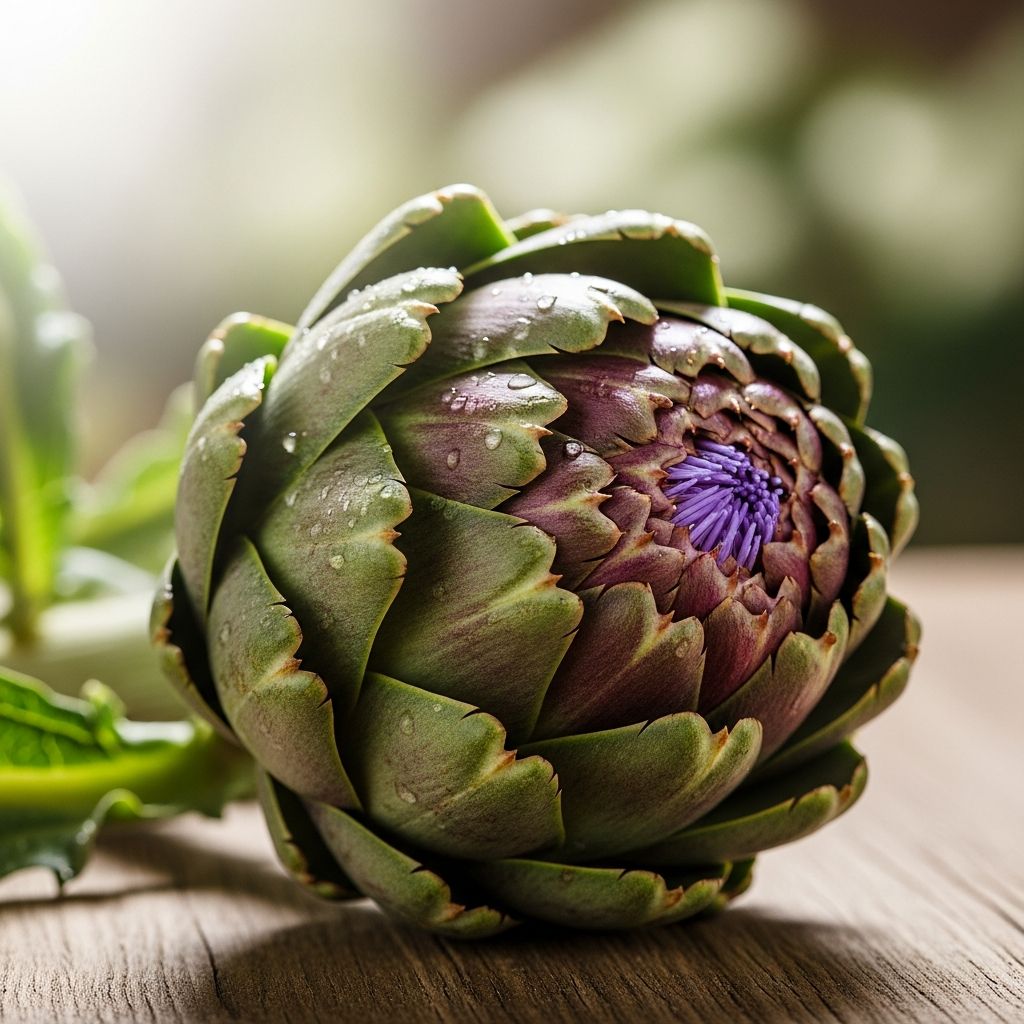
The globe artichoke, scientifically known as Cynara scolymus, is a popular perennial plant cultivated for its edible flower buds. While widely appreciated in culinary dishes and floral arrangements, it poses dermatological risks, particularly allergic contact dermatitis among handlers such as pickers, market gardeners, and florists. This article details its botany, uses, allergens, clinical manifestations, and management strategies based on documented cases and research.
What is artichoke?
Artichoke belongs to the Asteraceae (Compositae) family, native to the Mediterranean region where it is extensively cultivated. The plant features large, thistle-like flower heads reaching up to 15 cm in diameter, surrounded by thick, fleshy bracts that are harvested as a delicacy. These buds are harvested before full bloom to maintain tenderness and flavor.
Historically, artichokes have been consumed since ancient times, valued not only for nutrition but also for potential medicinal properties. Recent research highlights extracts like silymarin, a flavonoid, for its chemo-preventive potential against cancer, though dermatological concerns dominate occupational exposure scenarios.
| Common name | Globe artichoke |
|---|---|
| Botanical name | Cynara scolymus |
| Family | Asteraceae (Compositae) |
| Origin | Mediterranean (widely cultivated) |
| Description | Large thistle-like flower heads (up to 15 cm) surrounded by fleshy bracts |
Uses of artichoke
The immature flower buds are primarily consumed as a vegetable, steamed, boiled, grilled, or used in salads and dips. They offer nutritional benefits, rich in polyphenols, flavonoids, anthocyanins, phenolic compounds, inulin, coumarins, terpenes, dietary fiber, enzymes, polysaccharides, and minerals. These bioactive compounds contribute to antioxidant, anti-inflammatory, and digestive health properties.
Beyond cuisine, artichoke heads serve in flower arranging due to their striking appearance. Pharmacologically, extracts are explored for liver protection and cancer prevention, with silymarin showing promise in preclinical studies. However, handling the plant, especially cut stems and roots, releases allergens posing risks to workers.
Allergens in artichoke
The primary allergen is cynaropicrin, a sesquiterpene lactone released from cut stems and roots. Sesquiterpene lactones are well-known sensitizers in the Asteraceae family, capable of penetrating skin and eliciting type IV hypersensitivity reactions. While concentrations in edible portions are unclear, processing can aerosolize allergens, leading to airborne exposure.
Irritant properties from plant juices may also contribute to non-immunologic dermatitis, distinguishing irritant contact dermatitis (ICD) from allergic variants.
Allergic reactions to artichoke
Artichoke is a recognized cause of occupational hand dermatitis, affecting pickers, market gardeners, and flower arrangers through direct contact. Reactions manifest as erythematous, eczematous lesions on palms, fingers, and forearms.
Contact urticaria occurs via immediate type I hypersensitivity, presenting as hives post-exposure. Severe cases include phytocontact dermatitis with bullae, as in a 45-year-old farmer who developed haemorrhagic bullae on palms and fingertips after harvesting wild artichokes without gloves. Lesions spread bilaterally during preparation, confirming potent irritant and allergenic effects.
Ingestion can provoke allergic rhinitis and asthma, indicating systemic sensitization. Airborne allergic contact dermatitis is documented in greengrocers, with angioedema-like swelling from volatilized allergens. Occupational series report irritant contact dermatitis (ICD), allergic contact dermatitis (ACD), and protein contact dermatitis (PCD).
Related Stories



Cross-reactions
Sensitization to artichoke often cross-reacts with other Asteraceae members due to shared sesquiterpene lactones. Common culprits include:
- Chrysanthemum
- Dahlia
- Jerusalem artichoke (Helianthus tuberosus, distinct species but related)
- Lettuce
- Ragweed
- Sunflower
Patients with Compositae allergy should avoid these to prevent flare-ups. Patch testing with sesquiterpene lactone mix aids diagnosis.
Other information
Jerusalem artichoke (Helianthus tuberosus) is unrelated botanically despite the name, belonging to a different genus but sharing family risks. Artichoke dermatitis is rare outside occupational settings but underreported in consumer handling. Preventive measures include gloves, thorough washing post-exposure, and avoidance in sensitized individuals.
Patch testing for artichoke allergy
Diagnosis involves patch testing with fresh artichoke extract or sesquiterpene lactone mix (0.1% in petrolatum). Positive reactions (D2+ or D4+) confirm ACD. In occupational cases, testing plant parts directly correlates with clinical history.
For airborne dermatitis, oxidized extracts simulate real-world exposure. Guidelines from the European Society of Contact Dermatitis recommend Compositae mix screening.
Management and prevention
Acute management: Topical corticosteroids (e.g., clobetasol for severe bullous cases), emollients, and barrier creams. Systemic antihistamines for urticaria; short-course oral steroids for widespread eczema.
Prevention:
- Wear protective gloves during harvesting/handling.
- Avoid rubbing eyes or face post-exposure.
- Ventilate areas to minimize airborne particles.
- Career counseling for sensitized workers.
Long-term: Allergen avoidance is key. Desensitization is ineffective for type IV allergies.
Frequently Asked Questions (FAQs)
Can eating artichokes cause allergies?
Yes, though rare, ingested artichoke has triggered rhinitis and asthma in sensitized individuals. Edible buds may contain trace allergens.
Is artichoke dermatitis contagious?
No, it is a contact allergy or irritant reaction, not infectious.
How common is artichoke allergy?
Rare overall, but prevalent in occupational groups like farmers and florists.
What does artichoke rash look like?
Eczema, vesicles, bullae on hands; hives for urticaria; airborne cases affect face/neck.
Can I test for artichoke allergy at home?
No, consult a dermatologist for professional patch testing.
References
- Artichoke – DermNet — DermNet NZ. 1999 (updated). https://dermnetnz.org/topics/artichoke
- Phytocontact dermatitis caused by artichoke: an exceptionally rare case — C. Pipili et al. Clinical and Experimental Dermatology. 2009-06-01. https://doi.org/10.1111/j.1365-2230.2008.02987.x
- Occupational Contact Dermatitis Caused by Artichokes — Mary Beth M. Bregman et al. Dermatitis. 2021. https://doi.org/10.1097/DER.0000000000000825
- Airborne allergic contact dermatitis to artichoke (Cynara cardunculus L.) in a greengrocer — Giulia Gasparini et al. Contact Dermatitis. 2023-04-30. https://doi.org/10.1111/cod.14328
- Bioactive Compounds from Artichoke and Application Potential — Latifeh Majidishora et al. Foods (PMC). 2023. https://pmc.ncbi.nlm.nih.gov/articles/PMC10666951/
Similar Articles








Read full bio of medha deb