Arugula Benefits: 8 Health Reasons To Eat It Daily
Discover the impressive health benefits of arugula, from cancer-fighting properties to heart health and bone strength.
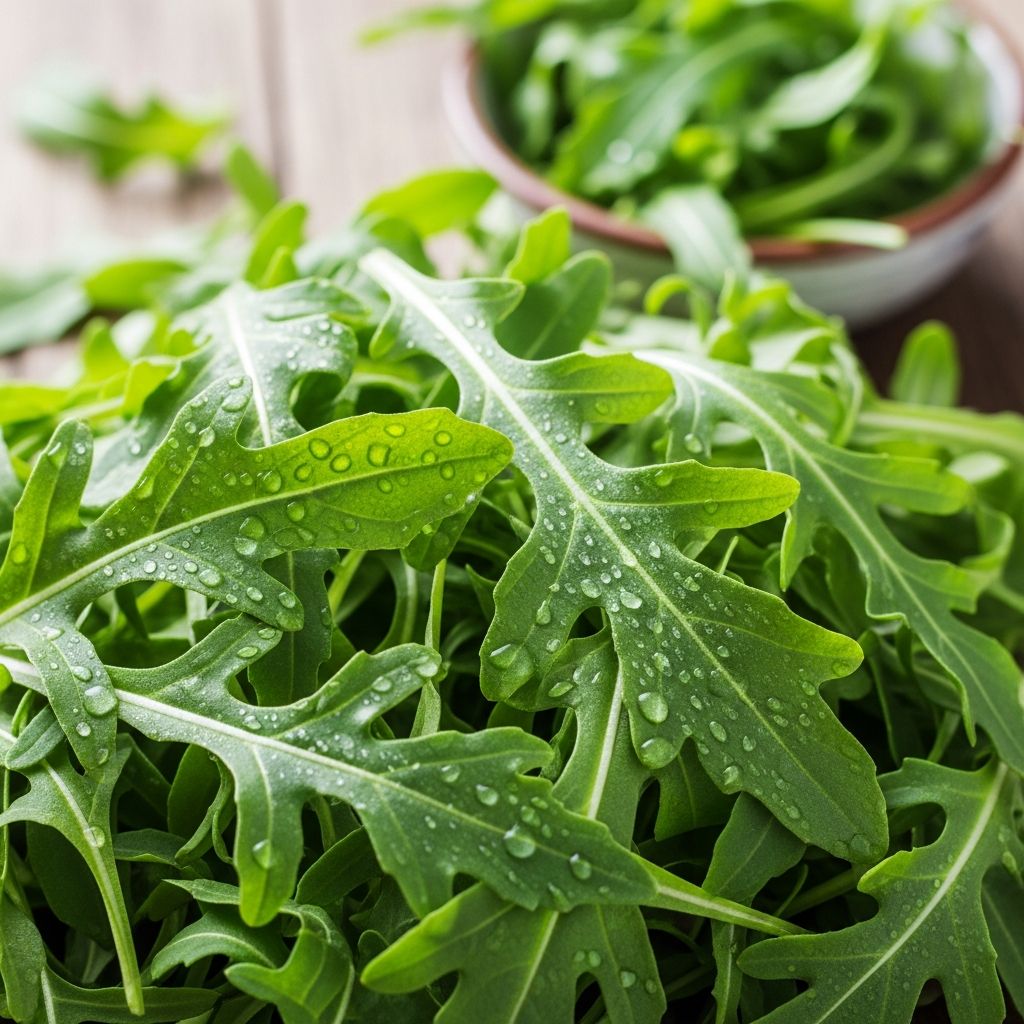
Arugula, also known as rocket or rucola, is a peppery leafy green from the cruciferous vegetable family, celebrated for its nutrient density and low calorie count. This versatile green packs a powerful punch of vitamins, minerals, and phytonutrients that support overall health, making it a staple in salads, smoothies, and more.
What Is Arugula?
Arugula (Eruca sativa) is a bright green, leafy vegetable with a distinctive mustardy, nutty flavor that adds zest to dishes. Native to the Mediterranean region, it has been cultivated for centuries and is now widely available fresh or as baby arugula in grocery stores. Unlike milder lettuces, arugula’s bold taste comes from glucosinolates, sulfur-containing compounds also found in broccoli and kale.
Nutritionally, a 100-gram serving of raw arugula provides just 25 calories but delivers over 100% of the daily value for vitamin K, significant amounts of vitamin A, vitamin C, folate, calcium, potassium, and magnesium. It also contains antioxidants like lutein, zeaxanthin, and beta-carotene, which combat oxidative stress.
Arugula Nutrition Facts
Arugula stands out for its impressive nutrient profile relative to its minimal calories. Here’s a breakdown of key nutrients in a 2-cup (about 40g) serving of raw arugula:
| Nutrient | Amount | % Daily Value* |
|---|---|---|
| Calories | 10 | 0% |
| Vitamin K | 43 mcg | 36% |
| Vitamin A | 2373 IU | 47% |
| Vitamin C | 3.3 mg | 4% |
| Folate | 97 mcg | 24% |
| Calcium | 160 mg | 12% |
| Potassium | 369 mg | 8% |
| Magnesium | 47 mg | 11% |
| Iron | 2.3 mg | 13% |
*Based on a 2,000-calorie diet. Data approximated from USDA sources via reliable analyses.
These nutrients make arugula an alkaline-forming food that supports pH balance, hydration, and detoxification.
Health Benefits of Arugula
1. May Help Fight Cancer
Arugula belongs to the cruciferous family, rich in glucosinolates that the body converts into isothiocyanates—compounds with potent anticancer properties. These help detoxify carcinogens, inhibit tumor growth, and induce cancer cell death. Studies link cruciferous vegetable consumption to reduced risk of breast, bladder, colorectal, lung, prostate, and other cancers.
The National Cancer Institute recommends cruciferous veggies for cancer prevention, noting arugula’s role in neutralizing free radicals and slowing cellular damage.
2. Supports Eye Health
Loaded with carotenoids like lutein, zeaxanthin, and beta-carotene, arugula protects the eyes from age-related macular degeneration (AMD), a leading cause of vision loss. These antioxidants filter harmful blue light, reduce oxidative stress in the retina, and safeguard the cornea.
Regular intake may lower AMD risk by up to 25%, per research on carotenoid-rich diets.
3. Promotes Heart Health
Arugula’s potassium, magnesium, fiber, and nitrates improve blood vessel function, lower blood pressure, and reduce cholesterol. It acts as an anti-inflammatory, decreasing homocysteine levels—a risk factor for heart disease. Diets high in these greens correlate with lower stroke and heart attack incidence.
Related Stories



Fiber binds toxins and cholesterol, while magnesium prevents atherosclerosis. Cleveland Clinic experts note arugula’s potassium helps counter sodium’s effects on hypertension.
4. Helps Build Strong Bones
With ample vitamin K, calcium, and magnesium, arugula enhances bone mineralization and density. Vitamin K activates osteocalcin, a protein that binds calcium to bones, outperforming calcium alone in fracture prevention. Studies show higher vitamin K intake reduces osteoporosis risk and fracture rates.
Magnesium aids calcium absorption, making arugula ideal for skeletal health, especially in women.
5. Boosts Immune Function
Vitamin C in arugula supports white blood cell production, wound healing, and antioxidant defense. It shortens cold duration and bolsters immunity against viruses. Folate and other phytonutrients further enhance immune response.
6. Supports Gut Health and Digestion
Arugula’s fiber nourishes the gut microbiome, promotes regularity, and prevents constipation. As an alkaline food, it balances pH for optimal digestion and reduces inflammation in the gut lining. Hydrating properties soothe the digestive tract.
7. Aids Weight Loss and Blood Sugar Control
Low in calories and carbs but high in volume and fiber, arugula promotes satiety without spiking blood sugar. Animal studies show arugula extracts improve insulin sensitivity, lower cholesterol, and reduce hyperglycemia—beneficial for diabetes prevention.
A meta-analysis in the British Medical Journal links leafy greens like arugula to lower type 2 diabetes risk.
8. Additional Benefits: Skin Protection and More
Antioxidants protect skin from UV damage and aging. Historically used as an aphrodisiac, recent reviews suggest immune-boosting, anti-inflammatory effects.
How to Add More Arugula to Your Diet
- Salads: Base with baby arugula, tomatoes, cheese, nuts, and vinaigrette.
- Smoothies: Blend with fruits for a nutrient boost.
- Pizzas and Sandwiches: Top with fresh leaves post-baking.
- Pesto: Swap basil for arugula with garlic, pine nuts, olive oil.
- Sautés: Wilt with garlic and lemon—retains most nutrients raw but cooked works too.
Aim for 2–3 cups daily. Wash thoroughly to remove grit.
Arugula Risks and Considerations
Arugula is safe for most, but high vitamin K may interact with blood thinners like warfarin—consult a doctor if on medication. Those with thyroid issues should moderate cruciferous intake due to goitrogens, though cooking reduces them. Oxalates are low, posing minimal kidney stone risk.
Pregnant individuals benefit from folate but ensure moderation.
Frequently Asked Questions (FAQs)
Is arugula healthier than spinach?
Both are nutrient powerhouses; arugula edges out in vitamin K and flavor, while spinach has more iron. Rotate for variety.
Can you eat arugula every day?
Yes, 2–3 cups daily supports health without issues for most people.
Does cooking arugula destroy nutrients?
Raw preserves more vitamin C, but cooking enhances digestibility and glucosinolate activation.
Is arugula good for weight loss?
Absolutely—low calories, high fiber promote fullness and stable blood sugar.
Does arugula lower blood pressure?
Its potassium and nitrates help relax blood vessels, supporting healthy pressure.
References
- Arugula Benefits for Fighting Cancer & Weight Loss — Dr. Axe. 2023-05-15. https://draxe.com/nutrition/arugula/
- 5 Health Benefits of Arugula — Cleveland Clinic. 2024-02-20. https://health.clevelandclinic.org/arugula-benefits
- Arugula: Benefits and Nutrition — Healthline. 2023-11-10. https://www.healthline.com/health/food-nutrition/arugula
- Arugula: Health Benefits and Nutrition of This Leafy Green — WeightWatchers. 2024-01-05. https://www.weightwatchers.com/us/blog/food/arugula
- Health Benefits of Arugula [PDF] — Coos County Friends of Public Health. 2020-07-01. https://ccfoph.org/wp-content/uploads/2020/07/35-Aug-Arugula-handout.pdf
Similar Articles








Read full bio of Sneha Tete