Ascites: Causes, Symptoms, and Treatment
Understand ascites: fluid buildup in the abdomen linked to liver disease, its symptoms, diagnosis, and effective management strategies.
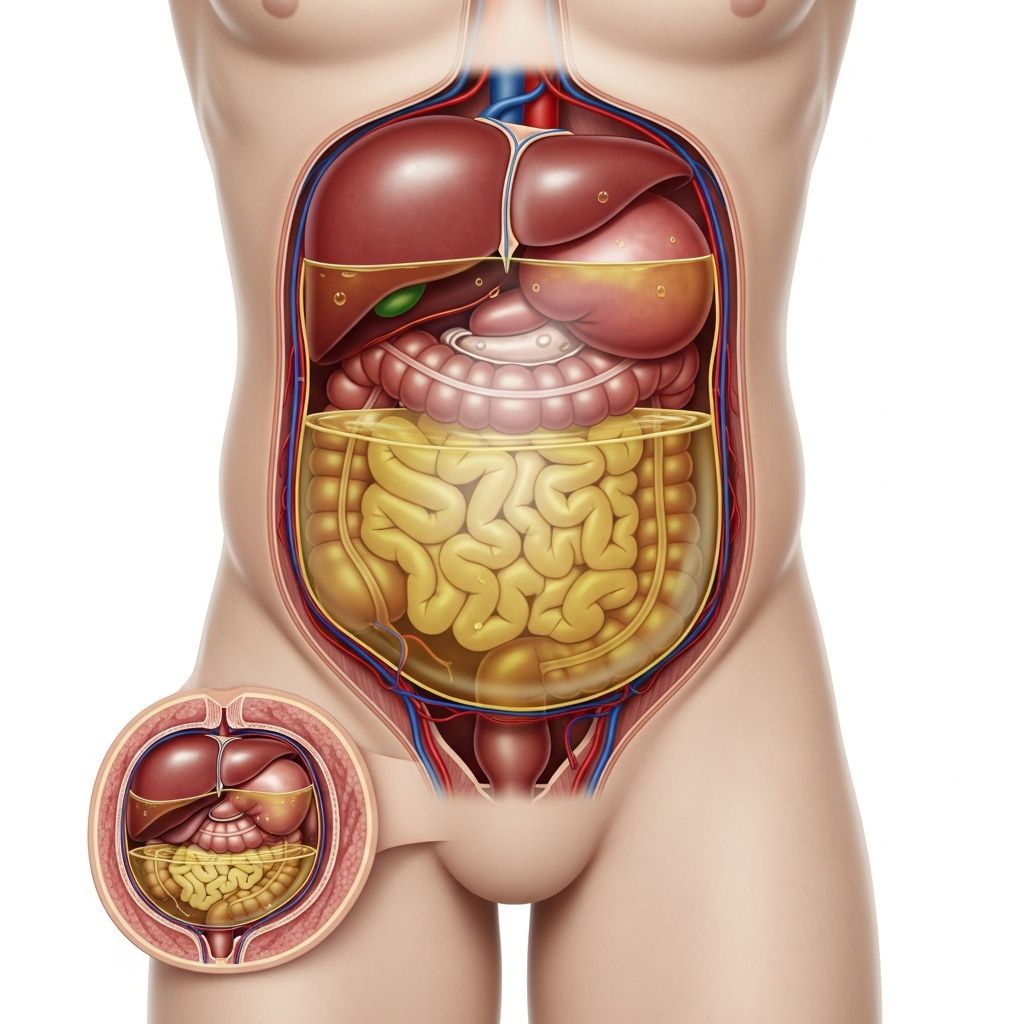
Ascites refers to the abnormal accumulation of fluid in the peritoneal cavity, the space within the abdomen that houses organs like the liver, intestines, and stomach. This condition most frequently arises as a complication of advanced liver disease, particularly cirrhosis, affecting about 50% of patients with decompensated cirrhosis within 10 years. The buildup occurs when the liver fails to function properly, leading to increased pressure in the portal vein and fluid leakage into the abdomen.
While small amounts of fluid may go unnoticed, moderate to large volumes cause noticeable abdominal distension, discomfort, and other symptoms that significantly impact quality of life. Early diagnosis and management are crucial, as ascites signals a transition to decompensated liver disease, with associated mortality risks ranging from 15% in one year to 44% over five years due to complications like spontaneous bacterial peritonitis and hepatorenal syndrome.
What Is Ascites?
Ascites is defined as the pathologic accumulation of more than 25 milliliters of fluid in the peritoneal cavity. Normally, a thin layer of fluid lubricates the abdominal organs, but in ascites, this volume expands dramatically—sometimes to 20 liters or more—causing the abdomen to swell. The fluid is primarily a transudate (low protein content) in liver-related cases, resulting from portal hypertension, where high pressure in the portal vein (which carries blood from the digestive organs to the liver) impairs kidney and liver function, promoting fluid retention.
In medical classification, ascites is categorized by the serum-ascites albumin gradient (SAAG). A high SAAG (>1.1 g/dL) indicates portal hypertension, common in cirrhosis, while low SAAG points to other causes like infection or malignancy. This distinction guides diagnosis and treatment.
Symptoms of Ascites
Symptoms develop gradually over weeks or abruptly, depending on the underlying cause and fluid volume. Small amounts may be asymptomatic, but as fluid accumulates, patients experience:
- Abdominal swelling and distension: The belly becomes taut, enlarged, and protrudes, with the navel flattening or everting. This painless swelling worsens over time and doesn’t resolve spontaneously.
- Weight gain: Rapid increase due to fluid retention, often 5-10 pounds or more.
- Abdominal discomfort or pain: A sense of fullness, tightness, or pressure.
- Shortness of breath: Fluid pushes against the diaphragm, reducing lung expansion, especially when lying flat.
- Loss of appetite and early satiety: Pressure on the stomach limits food intake, leading to nausea or indigestion.
- Fatigue and weakness: From overall fluid imbalance and organ strain.
- Other signs: Ankle swelling (edema), constipation, frequent urination, back pain, or heartburn.
In complicated cases, such as spontaneous bacterial peritonitis (SBP), additional symptoms include fever, abdominal tenderness, chills, and confusion. Patients with massive ascites may struggle with daily activities, sleep, or mobility.
What Causes Ascites?
Ascites stems from disruptions in the body’s fluid balance, primarily due to liver dysfunction. The most common cause is cirrhosis, scarring of the liver from chronic alcohol abuse, viral hepatitis (B or C), nonalcoholic fatty liver disease (NAFLD), or autoimmune conditions. Cirrhosis leads to portal hypertension, hypoalbuminemia (low blood protein), and sodium retention by the kidneys.
Other causes include:
- Heart failure: Right-sided failure causes backup of blood, leading to fluid leakage (congestive hepatopathy).
- Cancer: Peritoneal carcinomatosis from ovarian, colon, or pancreatic cancers; malignant ascites has higher protein content.
- Infections: Tuberculosis peritonitis or bacterial peritonitis.
- Kidney disease: Nephrotic syndrome or dialysis-related.
- Other: Pancreatitis, biliary obstruction, hypothyroidism, or ovarian disease.
Related Stories



Risk factors amplify susceptibility: chronic alcohol use, obesity, viral hepatitis, and metabolic syndrome. In cirrhosis patients, ascites marks decompensation, worsening prognosis.
How Is Ascites Diagnosed?
Diagnosis begins with a clinical exam: physical inspection reveals abdominal girth increase, shifting dullness (fluid shifts with position), and fluid wave on palpation. History assesses liver disease risks, symptoms onset, and comorbidities.
Key tests include:
- Imaging: Ultrasound detects even small fluid volumes, characterizes it (e.g., echoes suggest infection), and identifies liver nodularity or tumors. CT/MRI for detailed etiology.
- Diagnostic paracentesis: Gold standard—needle aspiration of fluid for analysis: cell count (PMN >250/μL indicates SBP), culture, albumin (SAAG calculation), total protein, amylase, cytology for malignancy.
- Laboratory tests: Liver function (bilirubin, albumin, INR), renal panel, electrolytes, AFP for hepatocellular carcinoma.
| Test | Purpose | Key Findings |
|---|---|---|
| Serum-Ascites Albumin Gradient (SAAG) | Differentiate portal HTN vs. other | >1.1 g/dL: Portal HTN (cirrhosis); <1.1: Peritoneal disease |
| Ascitic Fluid PMN Count | Detect SBP | >250 cells/μL: Infection likely |
| Ultrasound | Confirm fluid, etiology | Echo-free space; liver texture |
Treatment for Ascites
Treatment targets the underlying cause while managing fluid overload. For cirrhosis-related ascites (80-85% of cases), a stepwise approach is used:
- Sodium restriction: Limit to 2,000 mg/day (88 mmol) to reduce fluid retention. Compliance improves with education.
- Diuretics: First-line; spironolactone (100-400 mg/day) ± furosemide (40-160 mg/day). Monitor for hyponatremia, renal failure.
- Paracentesis: Therapeutic removal of large-volume fluid (>5L) with albumin infusion to prevent circulatory dysfunction.
- Advanced therapies: TIPS (transjugular intrahepatic portosystemic shunt) for refractory cases; liver transplant for end-stage disease.
For non-cirrhotic causes: antibiotics for infection, chemotherapy for malignancy, or heart failure meds. Refractory ascites (10%) resists diuretics, requiring serial paracentesis or TIPS.
Complications of Ascites
Untreated ascites leads to:
- Spontaneous bacterial peritonitis (SBP): 10-30% risk; treat with cefotaxime.
- Hepatorenal syndrome: Kidney failure; poor prognosis without transplant.
- Hernias: Umbilical/incisional from pressure.
- Respiratory compromise: Pleural effusion (hepatic hydrothorax).
Mortality is high in decompensated cirrhosis; ascites independently predicts death.
Prevention and Prognosis
Prevent by managing liver disease: vaccinate against hepatitis, limit alcohol, control NAFLD with diet/exercise. Once ascites recurs, prognosis is guarded—median survival 2 years without transplant. Early intervention improves quality of life.
Lifestyle: Low-sodium diet, weight monitoring, avoid NSAIDs. Prognosis varies: excellent for reversible causes (infection), poor for malignancy or advanced cirrhosis.
Frequently Asked Questions (FAQs)
What is ascites, and is it dangerous?
Ascites is fluid buildup in the abdomen, often from liver cirrhosis. It’s serious, signaling advanced disease, with risks of infection and organ failure.
How do you get rid of ascites fluid?
Via low-sodium diet, diuretics (e.g., spironolactone), paracentesis, or TIPS. Treat the cause for best results.
Can ascites be cured?
Yes, if due to treatable causes like infection; in cirrhosis, it’s managed, not cured, until transplant.
Does ascites mean end-stage liver disease?
It indicates decompensated cirrhosis but not always end-stage; many live years with management.
What foods to avoid with ascites?
High-sodium foods: processed meats, canned soups, fast food. Aim for <2g sodium/day.
References
- Ascites: Causes, symptoms, and risk factors — Medical News Today. 2023-10-12. https://www.medicalnewstoday.com/articles/318775
- Ascites – StatPearls — NCBI Bookshelf. 2023-09-04. https://www.ncbi.nlm.nih.gov/books/NBK470482/
- Ascites: What It Is, Risk Factors, Causes, and More — Healthline. 2023-11-15. https://www.healthline.com/health/ascites
- Ascites – Liver and Gallbladder Disorders — Merck Manuals. 2024-01-08. https://www.merckmanuals.com/home/liver-and-gallbladder-disorders/manifestations-of-liver-disease/ascites
- Ascites matters — PMC – PubMed Central – NIH. 2017-05-26. https://pmc.ncbi.nlm.nih.gov/articles/PMC5438051/
Similar Articles








Read full bio of Sneha Tete