Ascites: Symptoms, Causes & Treatment Options
Understanding ascites: fluid buildup in the abdomen, causes, symptoms, diagnosis, and treatment options.
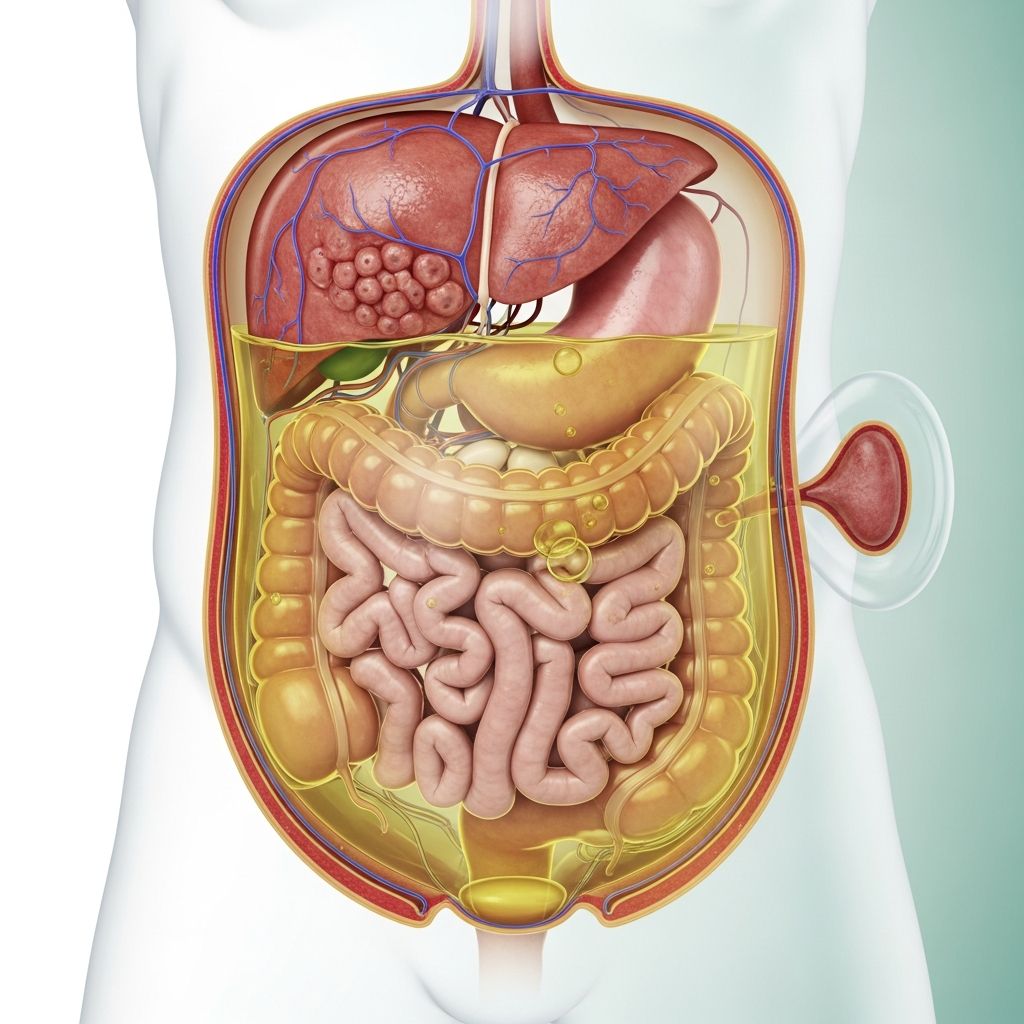
What Is Ascites?
Ascites is a medical condition characterized by the abnormal accumulation of fluid within the abdominal cavity, specifically within a membrane called the peritoneum. This fluid buildup causes the abdomen to become swollen and distended, often resulting in noticeable weight gain and physical discomfort. The peritoneum is a thin tissue that lines the inner wall of the abdomen and covers most of the abdominal organs, creating a potential space where fluid can accumulate when conditions are right.
Ascites represents a common clinical finding in patients with various underlying medical conditions, though it is most frequently associated with liver disease. The condition can develop gradually or more rapidly depending on the underlying cause, and its severity can range from mild fluid accumulation that may not cause significant symptoms to severe cases requiring immediate medical intervention.
Understanding the Peritoneum and How Ascites Develops
The peritoneum serves as a protective lining for abdominal organs, and under normal circumstances, only a small amount of fluid exists within this space to facilitate movement of organs. When the balance between fluid production and absorption is disrupted, excess fluid can accumulate, leading to ascites. This imbalance typically occurs due to changes in blood pressure within the liver’s blood vessels, decreased albumin levels (a protein that helps retain fluid in blood vessels), or increased inflammation within the peritoneal cavity.
Common Causes of Ascites
Several conditions can lead to the development of ascites, with certain causes being more prevalent than others:
Liver Cirrhosis
Cirrhosis, or scarring of the liver, represents the most common cause of ascites. When liver tissue becomes scarred and damaged, it disrupts normal blood flow through the liver, increasing pressure in the portal vein. This elevated pressure forces fluid out of blood vessels into the peritoneal cavity. Cirrhosis can result from chronic alcohol consumption, viral hepatitis, fatty liver disease, or other progressive liver conditions.
Cancer
Malignant tumors, particularly those affecting the peritoneum, liver, or surrounding organs, can cause ascites by blocking lymphatic drainage or directly irritating the peritoneal lining. Cancerous cells may also produce substances that increase peritoneal permeability, allowing fluid to leak into the abdominal space.
Heart Failure
When the heart cannot effectively pump blood, fluid backs up into various body tissues, including the peritoneal cavity. Congestive heart failure significantly increases venous pressure, promoting fluid accumulation in the abdomen alongside swelling in other parts of the body.
Kidney Disease
Kidney dysfunction can lead to ascites by reducing the body’s ability to excrete sodium and water, as well as by decreasing albumin production and increasing peritoneal permeability. Severe nephrotic syndrome, in particular, is associated with significant protein loss and fluid retention.
Infections
Infections within the peritoneal cavity, such as spontaneous bacterial peritonitis (SBP), can cause inflammation and fluid accumulation. Tuberculosis affecting the peritoneum can also lead to ascites development. Additionally, certain systemic infections can increase capillary permeability and promote fluid extravasation into the abdomen.
Related Stories



Other Conditions
Pancreatic disease, particularly chronic pancreatitis, can obstruct lymphatic vessels and cause ascites. Thyroid disorders, lupus and other autoimmune conditions, and malnutrition can also contribute to ascites formation through various mechanisms affecting fluid balance and protein metabolism.
Recognizing Symptoms of Ascites
The symptoms of ascites develop progressively as fluid accumulates in the abdominal cavity. Early-stage ascites may cause minimal symptoms, but as the condition advances, patients typically experience:
- Abdominal swelling and distention, making clothes feel tighter
- Unexplained weight gain over a short period
- Abdominal discomfort, pain, or a feeling of fullness
- Nausea and decreased appetite
- Shortness of breath due to compression of the lungs
- Difficulty standing or walking comfortably
- Swelling in the legs and ankles (edema)
- Fatigue and general malaise
The severity of symptoms correlates with the amount of fluid present and how rapidly it has accumulated. Some patients may have significant ascites with relatively mild symptoms, while others experience substantial discomfort from smaller fluid volumes.
Diagnosis of Ascites
Physical Examination
Healthcare providers typically begin by performing a thorough physical examination, which may include assessing for abdominal distention, performing percussion (tapping) to detect fluid, and checking for shifting dullness or a fluid wave. These clinical signs help confirm the presence of ascites, though imaging studies are generally required for confirmation.
Blood Tests
Blood tests measure liver function, kidney function, albumin levels, and other markers that help identify the underlying cause of ascites. These tests provide crucial information about organ dysfunction and the severity of the patient’s condition.
Imaging Studies
Ultrasound and CT scans are highly effective at detecting ascites, even in small amounts. Ultrasound is often the initial imaging modality due to its accessibility and lack of radiation exposure, while CT scans provide more detailed anatomical information when needed. These imaging techniques can also help identify the underlying cause, such as liver cirrhosis, tumors, or organ damage.
Paracentesis
Paracentesis represents the definitive diagnostic procedure for ascites. This minimally invasive procedure involves inserting a needle through the abdominal wall, under local anesthesia, to withdraw a sample of ascitic fluid. Ultrasound guidance is strongly recommended, as it reduces bleeding complications by 68% compared to non-guided procedures. The fluid sample is then analyzed in the laboratory for various parameters.
Peritoneal Fluid Analysis
Analysis of ascitic fluid includes assessment of:
- Color and consistency
- Cell count and differential
- Albumin and total protein levels
- Gram stain and culture (if infection is suspected)
- Glucose and lactate levels
- Amylase levels
- Triglycerides
These tests help differentiate between portal hypertension-related ascites and other causes, including infection, cancer, or organ dysfunction. The serum-to-ascites albumin gradient (SAAG) can be calculated to determine whether ascites results from portal hypertension.
Treatment Approaches for Ascites
Conservative Management
Initial treatment typically focuses on lifestyle modifications and medical management. Patients are advised to minimize alcohol consumption, avoid nonsteroidal anti-inflammatory drugs (NSAIDs), and significantly restrict dietary sodium intake to approximately 2 grams daily. These measures help reduce fluid retention and slow the progression of ascites.
Diuretic Therapy
Sodium restriction and diuresis represent the mainstay of initial ascites management. Diuretic therapy typically begins with spironolactone, an aldosterone antagonist, starting at 100 to 200 mg daily. Dose adjustments should be made at intervals of at least 72 hours, up to a maximum daily dose of 400 mg. For recurrent ascites, combination therapy with furosemide and spironolactone is recommended to enhance fluid removal more effectively than diuretics alone.
Large-Volume Paracentesis
Patients with extensive and tense ascites should be treated initially with large-volume paracentesis, as this has been shown to predictably remove fluid more effectively than diuretics. When removing more than 5 liters of ascitic fluid, albumin administration of 8 grams for every liter removed is recommended to maintain albumin levels and prevent complications.
Tunneled Peritoneal Drainage Catheter
If ascites frequently return after paracentesis, healthcare providers may place a tunneled peritoneal drainage catheter at the drainage site. Part of this tube remains inside the abdomen while the other end extends outside, attaching to a bottle that continuously collects fluid. Patients can drain the bottle at home, eliminating the need for repeated hospital visits.
Transjugular Intrahepatic Portosystemic Shunt (TIPS)
For patients with refractory ascites, a transjugular intrahepatic portosystemic shunt (TIPS) may be considered. This procedure involves inserting a self-expanding shunt between the portal and hepatic veins through the jugular vein to reduce portal pressure to less than 12 mm Hg, the threshold at which ascites begins to accumulate.
Liver Transplantation
For end-stage liver disease causing severe ascites, orthotopic liver transplantation may be the definitive treatment option. This surgical intervention addresses the underlying liver dysfunction and can completely resolve ascites in transplant recipients.
Safety and Complications of Paracentesis
Paracentesis is generally a safe procedure with minimal risk of serious complications. Reported complication rates include abdominal wall hematoma (1%), hemoperitoneum (less than 0.1%), bowel perforation (less than 0.1%), and infection (less than 0.1%). Using ultrasound guidance during the procedure significantly reduces these risks, making it the recommended approach whenever possible.
Classifying Ascites Response to Treatment
Based on treatment response, ascites can be classified into three categories:
- Responsive ascites: Ascites that resolves with medical management and dietary sodium restriction
- Recurrent ascites: Ascites that returns after initial resolution with conservative treatment
- Refractory ascites: Ascites that does not resolve despite maximal medical therapy and requires invasive interventions
When to Seek Medical Attention
Patients with known cirrhosis or liver disease should undergo diagnostic paracentesis if they experience unexplained fever, abdominal pain, encephalopathy, or are admitted to the hospital for any reason. These symptoms may indicate complications such as spontaneous bacterial peritonitis, requiring prompt diagnosis and treatment.
Prognosis and Long-Term Management
The frequency of paracentesis needed depends on individual patient conditions and how rapidly ascites returns. Some patients may only require a single paracentesis to resolve their ascites, while others need treatment every few weeks or months. Healthcare providers can advise patients on expected frequency based on their specific condition and underlying cause.
Long-term management focuses on addressing the underlying cause while managing symptoms and preventing complications. Regular follow-up appointments, adherence to dietary restrictions, medication compliance, and monitoring for signs of complications are essential components of comprehensive ascites management.
Frequently Asked Questions
Q: Can ascites be cured permanently?
A: The permanence of ascites treatment depends on the underlying cause. If cirrhosis or another progressive condition caused the ascites, symptom management and complications prevention are often the primary goals. However, if the underlying cause can be treated or reversed (such as in infection or heart failure), ascites may resolve completely.
Q: How long does paracentesis take?
A: A typical paracentesis procedure usually takes 15 to 30 minutes, depending on the amount of fluid being removed and whether ultrasound guidance is used. Diagnostic paracentesis removing small amounts of fluid takes less time than large-volume therapeutic paracentesis.
Q: What should I eat if I have ascites?
A: A low-sodium diet (around 2 grams of sodium daily) is recommended for ascites management. Working with a dietitian to plan meals that are low in salt while maintaining adequate nutrition is beneficial. Alcohol should be avoided entirely, particularly in patients with liver disease.
Q: Is paracentesis painful?
A: Paracentesis is performed under local anesthesia, so patients should not experience significant pain during the procedure. Some mild pressure or discomfort may be felt during needle insertion, but serious pain is uncommon and should be reported to the healthcare provider.
Q: Can ascites return after treatment?
A: Yes, ascites can return in some patients, particularly those with underlying cirrhosis or other chronic conditions. The frequency of recurrence varies depending on the underlying cause and how well the condition is managed. Some patients may need repeated treatments over time.
References
- Paracentesis: What It Is, Procedure & Complications — Cleveland Clinic. 2024. https://my.clevelandclinic.org/health/procedures/paracentesis
- Ascites: Symptoms, Causes, Diagnosis & Treatment — Cleveland Clinic Abu Dhabi. 2024. https://www.clevelandclinicabudhabi.ae/en/health-hub/health-resource/diseases-and-conditions/ascites
- A Guide to Diagnosing and Managing Ascites in Cirrhosis — MDedge. 2023. https://blogs.the-hospitalist.org/content/guide-diagnosing-and-managing-ascites-cirrhosis
- Cirrhotic Ascites — Cleveland Clinic. 2024. https://my.clevelandclinic.org/departments/digestive/medical-professionals/hepatology/cirrhosis-ascites
- Diagnosis and Management of Ascites, Spontaneous Bacterial Peritonitis — Cleveland Clinic Journal of Medicine. 2023. https://www.ccjm.org/content/90/4/209
Similar Articles








Read full bio of medha deb