Ascorbic Acid Tablets (Vitamin C): Uses & Dosage
Complete guide to vitamin C supplements for preventing deficiency and supporting health.
About Ascorbic Acid
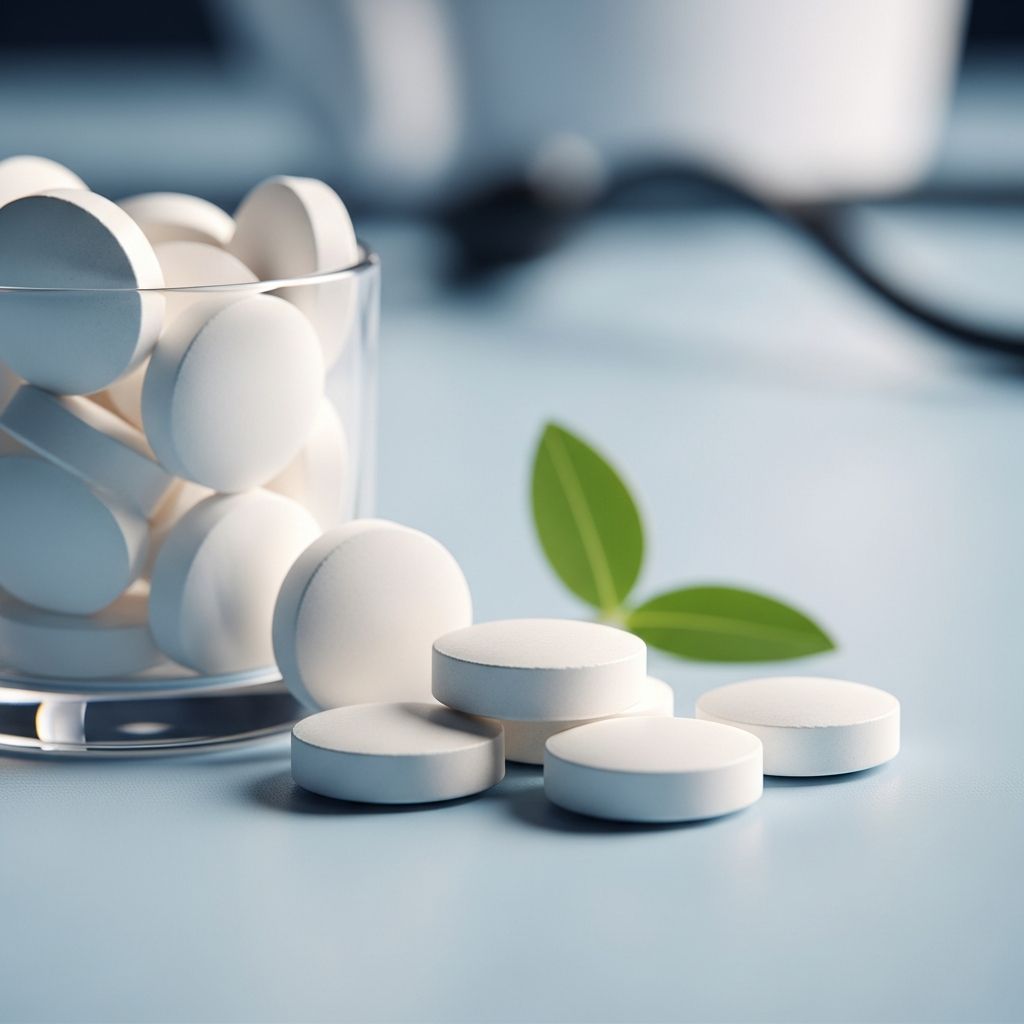
Ascorbic acid is another name for vitamin C, an essential water-soluble vitamin that your body cannot produce on its own. This means you must obtain vitamin C entirely through your diet or through supplementation. Ascorbic acid tablets provide a reliable way to ensure you receive adequate amounts of this critical nutrient, helping to protect against vitamin C deficiency and supporting various bodily functions.
Your body needs vitamin C to make a substance called collagen, which is required for the health and repair of your skin, bones, teeth, and cartilage. Additionally, vitamin C plays a crucial role as an antioxidant, protecting your cells against free radicals that may contribute to heart disease, cancer, and other diseases. The vitamin also strengthens blood vessel walls and helps your body use carbohydrates, fats, and proteins effectively.
Type and Forms of Ascorbic Acid
| Characteristic | Details |
|---|---|
| Type of Medicine | A vitamin |
| Used For | Preventing and treating vitamin C deficiency |
| Also Called | Vitamin C, Ascur®, Ascorb®, AscorbDose®, Biocare®, Haliborange®, Vodexo® |
| Available Forms | Tablets, chewable tablets, soluble tablets, capsules |
Ascorbic acid is an ingredient in numerous vitamin preparations and some cough and cold remedies available from retail outlets. The variety of available forms makes it easy for different individuals to find a delivery method that suits their preferences and needs.
How Ascorbic Acid Works
Ascorbic acid functions as a
cofactor
andcoenzyme
in multiple metabolic pathways throughout your body. Its primary mechanism involves acting as a reducing agent in several biological processes essential for optimal health.One of vitamin C’s most important functions is its role in
collagen formation
. The vitamin acts as a cofactor in the posttranslational formation of 4-hydroxyproline in collagen and other proteins, making it absolutely necessary for creating the stable triple-helical structure of mature collagen. Without adequate vitamin C, the structural integrity of your skin, mucous membranes, blood vessels, and bones becomes compromised.Additionally, ascorbic acid:
- Functions as a
powerful antioxidant
, neutralizing free radicals and toxins in your body - Stabilizes
vitamin E and folic acid
, enhancing their effectiveness - Enhances
iron absorption
from plant-based foods - Supports
immune system function
- Attenuates inflammatory response, including reducing sepsis syndrome risk
- Is involved in
tyrosine metabolism
, conversion of folic acid to folinic acid, and carbohydrate metabolism - Supports the
synthesis of lipids and proteins
- Contributes to
cellular respiration
and resistance to infections
Who Should Take Ascorbic Acid
Ascorbic acid tablets are prescribed as a dietary supplement when the amount of vitamin C in your diet is insufficient. Certain groups of people face a higher risk for ascorbic acid deficiency:
- Individuals with a
limited variety of food
in their diet - People with
intestinal malabsorption problems
resulting from cancer or kidney disease - Those unable to obtain adequate vitamin C from natural food sources
- Patients being treated for
scurvy
, though this is rare in developed countries
Most people can obtain sufficient vitamin C through a balanced diet that includes fruits and vegetables. However, supplements become necessary when dietary intake is inadequate or when medical conditions interfere with nutrient absorption.
Related Stories



Dosage Information
The recommended dosage of ascorbic acid depends on your age, gender, and specific health needs. According to medical guidelines, the recommended daily intake of vitamin C is 40 to 120 mg, depending on these factors.
For prevention of vitamin C deficiency, one dose a day of 25–75 mg is typically sufficient. This dosage helps maintain adequate vitamin C levels for normal bodily functions when dietary intake alone is insufficient.
For treating scurvy, higher doses are sometimes prescribed by doctors. The typical treatment regimen involves ascorbic acid doses of 100 to 300 mg daily until symptoms resolve. Clinical improvement is generally noted within the first 1 to 2 weeks, with resolution of fatigue, joint swelling, bruising, and gum healing. Complete recovery frequently occurs within three months.
When taking ascorbic acid tablets, it is essential to check the label on the container and follow the specific directions provided, as different formulations may have varying instructions for administration.
How to Take Ascorbic Acid Tablets
Ascorbic acid tablets come in several different forms, and the method of administration varies depending on the specific product:
- Standard tablets: Swallowed with water
- Chewable tablets: Should be chewed before being swallowed
- Soluble tablets: Need to be dissolved in water first
- Capsules: Swallowed whole with water
Always read the label carefully and follow the directions given for your specific product. Taking the tablet as directed ensures optimal absorption and effectiveness.
Absorption and Metabolism
Your body absorbs vitamin C through an
energy-dependent process
involving two mechanisms: simple diffusion and active transport. Two types of transporters facilitate this process: SVCTs (sodium-dependent vitamin C transporters) and hexose transporters.The primary site for vitamin C absorption is the distal small intestine, and absorption is regulated by renal excretion. Although most vitamin C is completely absorbed in the small intestine, the percentage of absorbed vitamin C decreases as the concentration within the intestinal lumen increases. Typical dietary doses of up to 100 mg per day are almost completely absorbed, with absorption rates between 70% to 90%.
Once absorbed, vitamin C is distributed throughout your body, with the highest concentrations accumulating in the
pituitary gland, adrenal gland, brain, leukocytes, and eyes
. The vitamin is reversibly oxidized to dehydroascorbic acid within the body, and both forms are physiologically active. Some ascorbic acid is metabolized to inactive compounds, including ascorbic acid-2-sulfate and oxalic acid.Vitamin C Deficiency and Scurvy
A prolonged lack of vitamin C in your diet can lead to a condition called scurvy, although this is rare in developed countries like the UK. Scurvy represents a serious deficiency state that affects multiple body systems due to the critical role of collagen in maintaining tissue integrity.
Symptoms of scurvy include:
- Bleeding from the gums
- Bruising
- Joint and muscle pains
- Fatigue
- Joint swelling
- Poor wound healing
- Problems fighting infection
- Hyperkeratosis and hematological abnormalities
- Hemorrhage and general weakness
The condition develops because collagenous structures are primarily affected, leading to lesions in bones and blood vessels. Without adequate vitamin C for collagen formation, the body cannot maintain the integrity of these critical structural components.
Treatment of scurvy is remarkably effective with vitamin C supplementation. Administration of ascorbic acid completely reverses the symptoms of ascorbic acid deficiency. Patients typically experience clinical improvement within 1 to 2 weeks, including resolution of fatigue, joint swelling, ecchymoses (bruising), and gum healing. Most individuals achieve complete recovery within three months of beginning appropriate vitamin C supplementation.
Natural Dietary Sources
While ascorbic acid tablets provide an effective supplement, obtaining vitamin C from natural food sources remains an excellent approach. Excellent dietary sources of vitamin C include:
- Citrus fruits (oranges, lemons, limes, grapefruit)
- Berries (strawberries, blueberries, raspberries)
- Tomatoes
- Potatoes
- Green leafy vegetables (spinach, kale, broccoli)
Including a variety of these foods in your daily diet can provide sufficient vitamin C to meet your recommended intake without requiring supplementation in most cases.
Benefits of Ascorbic Acid
Beyond preventing deficiency, ascorbic acid offers multiple health benefits through its various physiological roles:
- Wound healing: Vitamin C is essential for proper wound healing processes
- Immune support: The vitamin supports immune system function and resistance to infections
- Antioxidant protection: Acts as an antioxidant to protect cells against free radicals that may contribute to heart disease and cancer
- Iron absorption: Enhances the absorption of iron from plant foods
- Tissue health: Maintains the health of skin, bones, teeth, ligaments, tendons, and blood vessel walls
- Cellular function: Supports cellular respiration and various metabolic processes
Frequently Asked Questions (FAQs)
Q: How much vitamin C do I need daily?
A: The recommended daily intake of vitamin C is 40 to 120 mg, depending on your age and gender. For prevention of deficiency, 25–75 mg daily is typically sufficient.
Q: Can I get enough vitamin C from food alone?
A: Most people can obtain adequate vitamin C from a balanced diet that includes fruits and vegetables such as citrus fruits, berries, tomatoes, potatoes, and leafy greens. However, individuals with limited food variety or certain medical conditions may require supplementation.
Q: What is scurvy and how is it treated?
A: Scurvy is a disease caused by severe vitamin C deficiency, resulting in symptoms like bleeding gums, bruising, and joint pain. It is treated with ascorbic acid doses of 100–300 mg daily, with clinical improvement typically noted within 1–2 weeks and complete recovery within three months.
Q: Do different forms of ascorbic acid tablets require different administration methods?
A: Yes, different formulations have varying instructions. Some tablets should be chewed before swallowing, while others need to be dissolved in water first. Always follow the label directions for your specific product.
Q: Is ascorbic acid safe to take long-term?
A: Ascorbic acid is generally safe at recommended doses. However, very high doses may cause side effects in some individuals. Always follow the recommended dosage and consult your healthcare provider if you have concerns.
Q: Who is most at risk for vitamin C deficiency?
A: People at highest risk include those with a limited variety of food in their diet and individuals with intestinal malabsorption problems from conditions like cancer or kidney disease.
Q: How long does it take for ascorbic acid to work?
A: For treating scurvy, clinical improvement is typically noted within the first 1 to 2 weeks, with complete recovery often occurring within three months.
Q: Can ascorbic acid improve immune function?
A: Yes, vitamin C supports immune system function and helps your body resist infections. It is needed to maintain the health of cells and support immune response.
References
- Vitamin C (Ascorbic Acid) — NCBI Bookshelf / StatPearls. 2023. https://www.ncbi.nlm.nih.gov/books/NBK499877/
- Ascorbic Acid (Vitamin C): MedlinePlus Drug Information — U.S. National Library of Medicine. https://medlineplus.gov/druginfo/meds/a682583.html
- Vitamin C: Uses, Interactions, Mechanism of Action — DrugBank. https://go.drugbank.com/drugs/DB00126
- Ascorbic acid (oral route) – Side effects & dosage — Mayo Clinic. https://www.mayoclinic.org/drugs-supplements/ascorbic-acid-oral-route/description/drg-20068031
- Ascorbic acid tablets (vitamin C) — Patient.info. https://patient.info/medicine/ascorbic-acid-tablets-vitamin-c
- Vitamin C Deficiency: Symptoms and Treatment — Patient.info. https://patient.info/healthy-living/vitamin-c-deficiency-leaflet
- Ascorbic Acid (patient information) — WikiDoc. https://www.wikidoc.org/index.php/Ascorbic_Acid_(patient_information)
- Ascorbic Acid (Vitamin C) Chewable Tablets — Cleveland Clinic. https://my.clevelandclinic.org/health/drugs/19266-vitamin-c-chewable-tablets
Similar Articles








Read full bio of Sneha Tete