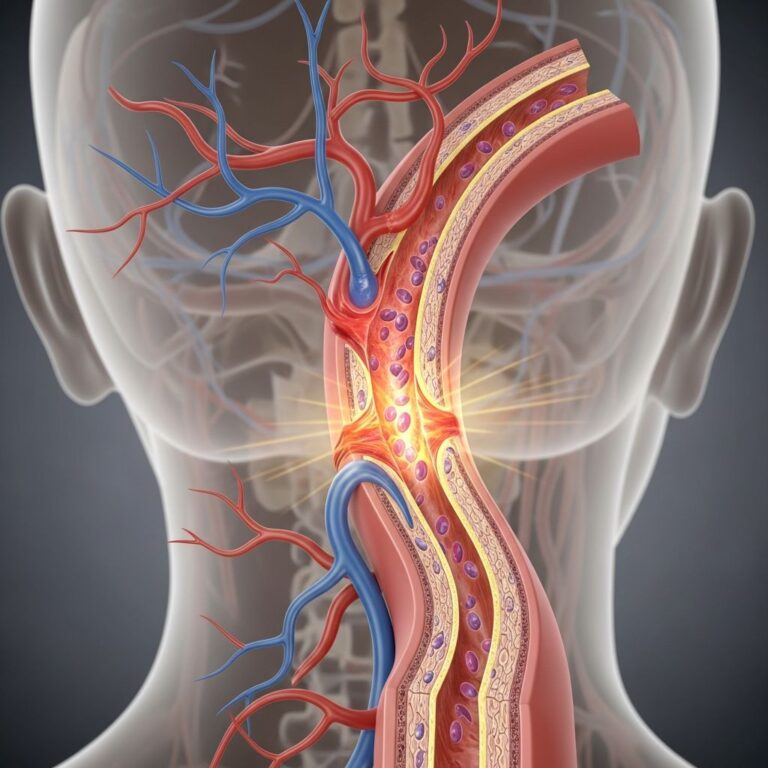
Asenapine Tablets (Sycrest): Uses, Dosage & Side Effects
Complete guide to asenapine (Sycrest) for bipolar disorder treatment: dosage, administration, and safety information.
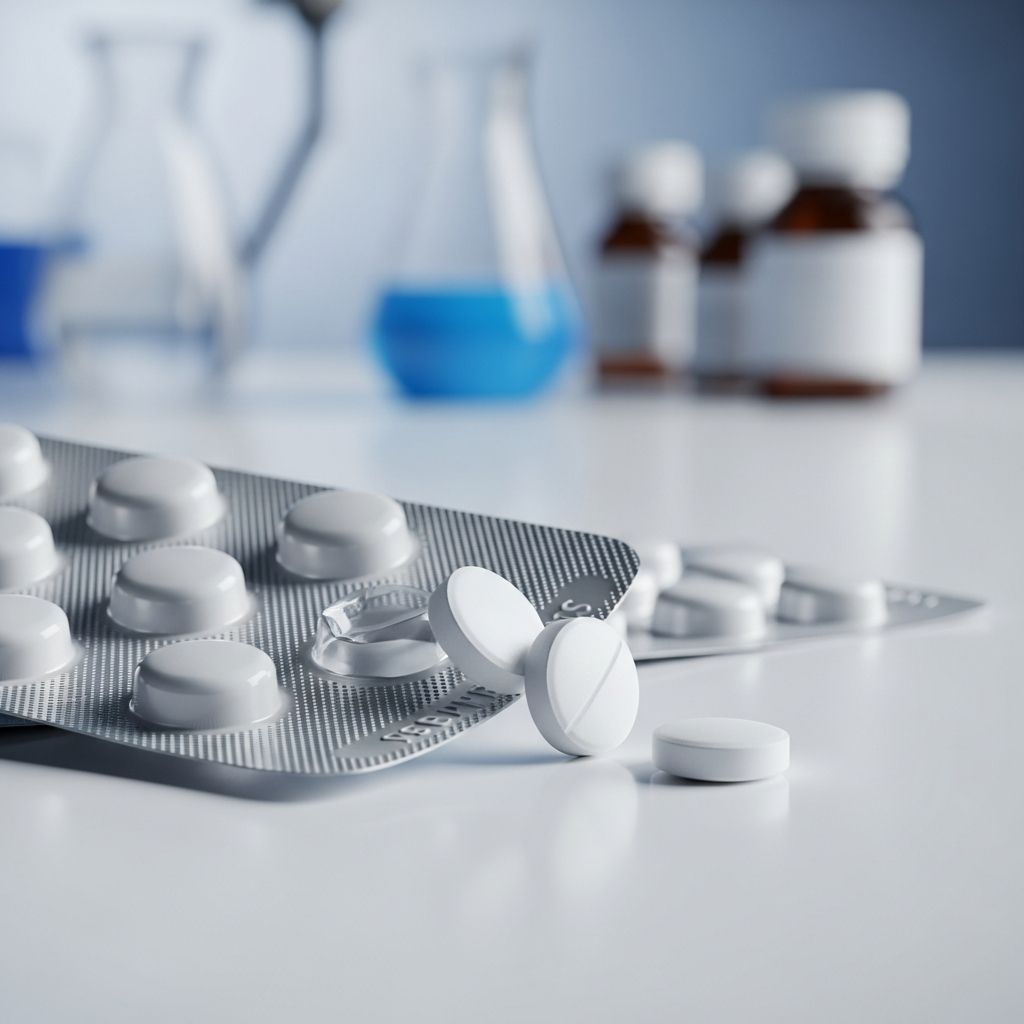
What is Asenapine (Sycrest)?
Asenapine, commonly known by the brand name Sycrest, is an antipsychotic medication that belongs to a class of drugs called psycholeptics. This medicine is specifically designed to treat moderate to severe manic episodes associated with bipolar I disorder in adults. Antipsychotic medications like asenapine work by affecting the chemicals in the brain that allow communication between nerve cells, known as neurotransmitters. Understanding how this medication works and how to use it properly is essential for achieving the best therapeutic outcomes.
Therapeutic Indications
Sycrest is indicated for the treatment of moderate to severe manic episodes associated with bipolar I disorder. Bipolar I disorder is a mental health condition characterized by extreme mood swings, ranging from periods of intense elation or irritability (manic episodes) to periods of depression. During manic episodes, individuals may experience increased energy, racing thoughts, impulsive behavior, and decreased need for sleep. Asenapine helps stabilize these mood fluctuations by modulating neurotransmitter activity in the brain, reducing the severity of manic symptoms.
How to Take Asenapine Tablets
Dosage Information
The recommended starting dose of Sycrest as monotherapy is 5 mg twice daily, with one dose taken in the morning and one dose taken in the evening. The dose can be increased to 10 mg twice a day depending on your individual response to the medication and your doctor’s assessment. There are two tablet strengths available: 5 mg and 10 mg tablets.
Your doctor may start you on one strength and adjust to another based on how your symptoms respond to treatment. It is crucial to take asenapine tablets exactly as your doctor instructs, as improper dosing may reduce effectiveness or increase side effects.
Administration Instructions
Asenapine tablets are sublingual tablets, meaning they dissolve under the tongue. The proper administration method is essential for the medication to work effectively:
- Place the tablet under your tongue and allow it to dissolve completely
- Do not eat or drink for 10 minutes after taking the tablet
- If you are taking other medicines at the same time of day, take your other medicines first and asenapine tablets last
- The tablet should not be swallowed whole or chewed; it must dissolve sublingually for proper absorption
Missed Doses
If you forget to take a dose, take it as soon as you remember, unless it is nearly time for your next dose, in which case skip the missed dose. Never take two doses together to make up for a forgotten dose, as this may lead to overdose or increased side effects.
Before Taking Asenapine Tablets
Before starting asenapine treatment, it is important that your doctor has complete information about your medical history and current medications. Certain conditions require special consideration or caution when using this medication.
Important Medical Conditions to Discuss
Inform your doctor if you have any of the following conditions:
- Pregnancy or breastfeeding status
- Heart conditions or blood vessel disease
- Liver, kidney, or prostate problems
- Breathing problems or respiratory conditions
- Epilepsy or seizure disorders
- Dementia or cognitive decline
- Parkinson’s disease (physicians should weigh risks versus benefits in this population)
- Depression or other mental health conditions
- Raised pressure in the eye (glaucoma)
- Myasthenia gravis or other muscle weakness conditions
- Blood disorders or abnormalities
- Previous jaundice (yellowing of skin and eyes)
- Phaeochromocytoma (a tumor on the adrenal gland)
- Allergic reactions to other medications
Related Stories



Medication Interactions
Always inform your doctor about all medicines you are currently taking, including over-the-counter medications, herbal supplements, and complementary medicines. Some medications may interact with asenapine, potentially reducing effectiveness or increasing the risk of adverse effects.
Dosage Adjustments for Special Populations
Renal Impairment
For patients with severe renal impairment (creatinine clearance less than 15 mL/min), asenapine is not recommended. Patients with mild to moderate kidney problems should be monitored carefully by their healthcare provider.
Hepatic Impairment
No dose adjustment is required for patients with mild hepatic impairment. However, the possibility of elevated asenapine plasma levels cannot be excluded in some patients with moderate hepatic impairment (Child-Pugh B), and caution is advised. For patients with severe hepatic impairment (Child-Pugh C), close supervision is necessary.
Side Effects and Adverse Reactions
Common Side Effects
The most common side effects of asenapine are drowsiness and anxiety. Additional common side effects that may occur include:
- Increased appetite and weight gain
- Unusual movements or tremors
- Shaking or trembling
- Feeling weak or fatigued
- Changes in the way things taste or feel in your mouth
- Producing too much saliva
These side effects should be discussed with your doctor if they become troublesome or persist.
Serious Side Effects
Certain serious side effects require immediate medical attention. Contact your doctor immediately if you experience any of the following:
- Muscle stiffness with high temperature
- Confusion or altered mental state
- Fast heartbeat or palpitations
- Excessive sweating
These symptoms may indicate neuroleptic malignant syndrome, a rare but serious condition.
Orthostatic Hypotension and Syncope
Asenapine may induce orthostatic hypotension (sudden drops in blood pressure when standing) and syncope (fainting), especially early in treatment. This effect is probably due to the medication’s α1-adrenergic antagonist properties. Dizziness, lightheadedness, or fainting may occur, particularly when getting up from a lying or sitting position. Getting up slowly may help prevent this problem.
Elderly patients are particularly at risk for experiencing orthostatic hypotension. In clinical trials, cases of syncope were occasionally reported during treatment with Sycrest. If this problem continues or gets worse, check with your doctor immediately, as your dose may need adjustment.
Fall Risk and Injury
Asenapine may cause sleepiness, sudden drops in blood pressure when standing, dizziness, and changes in your ability to move and balance, which may lead to falls and consequently fractures or other injuries. Patients at risk for falls should be evaluated prior to prescribing asenapine.
Infection Risk
Asenapine can temporarily lower the number of white blood cells in your blood, increasing the chance of getting an infection. If possible, avoid people with infections. Check with your doctor right away if you think you are getting an infection, or if you have a fever, chills, cough, hoarseness, lower back or side pain, or painful or difficult urination.
Movement Disorders
In clinical trials, cases of tardive dyskinesia (involuntary movements, particularly of the face, tongue, jaw, and extremities) were occasionally reported during treatment with asenapine. The onset of extrapyramidal symptoms is a risk factor for tardive dyskinesia. If signs and symptoms of tardive dyskinesia appear in a patient on Sycrest, discontinuation should be considered.
Getting the Most from Your Treatment
Regular Medical Monitoring
Your treatment with asenapine will require careful monitoring to ensure you receive the best possible benefit from the medication. Keep your regular doctor’s appointments so that your progress can be checked. You may need to have some tests from time to time to assess how well the medication is working and to monitor for any adverse effects.
Long-term Treatment Considerations
Treatment with asenapine is usually long-term unless you experience an adverse effect that makes continuation impossible. Keep taking the tablets until your doctor tells you otherwise. It is important not to stop taking asenapine suddenly, as this can cause problems. Your doctor will want you to reduce your dose very gradually if discontinuation becomes necessary.
Blood Sugar Monitoring
If you have diabetes, you may need to check your blood sugar (glucose) more frequently, as asenapine may affect the levels of sugar in your blood. Your doctor will be able to advise you about appropriate monitoring intervals and any necessary adjustments to your diabetes management plan.
Dental and Surgical Procedures
If you are having any dental treatment or an operation, tell the person carrying out the treatment which medicines you are taking. This is important because asenapine may interfere with any anesthetic you receive, potentially affecting how your body responds to anesthesia.
Over-the-Counter Medications
If you buy or take any over-the-counter medicines, check with a pharmacist that they are safe to take with asenapine. Some over-the-counter products may interact with asenapine or exacerbate side effects.
Special Warnings and Precautions
Cardiovascular Considerations
Sycrest should be used with caution in elderly patients and in patients with known cardiovascular disease such as heart failure or myocardial infarction. The medication’s potential to cause orthostatic hypotension makes it particularly important to monitor cardiovascular function in these populations.
Dementia and Parkinson’s Disease
Physicians should weigh the risks versus the benefits when prescribing Sycrest to patients with Parkinson’s disease or dementia with Lewy Bodies (DLB), since both groups may be at increased risk of neuroleptic malignant syndrome as well as having increased sensitivity to antipsychotics. Manifestation of this increased sensitivity can include confusion, obtundation, and postural instability.
Frequently Asked Questions
Q: How long does it take for asenapine to work?
A: The timeline for asenapine to show therapeutic effects can vary between individuals. Your doctor will monitor your progress at regular appointments and may adjust your dose based on how your symptoms respond. Some patients may notice improvement within days, while others may require several weeks to experience the full benefits of treatment.
Q: Can I drink alcohol while taking asenapine?
A: It is generally recommended to avoid or minimize alcohol consumption while taking asenapine, as alcohol may increase drowsiness and dizziness and may worsen the medication’s side effects. Discuss alcohol use with your doctor for specific guidance based on your individual circumstances.
Q: What should I do if I experience side effects?
A: If you experience mild side effects like drowsiness or anxiety, discuss them with your doctor. For serious side effects such as muscle stiffness with high temperature, confusion, fast heartbeat, or excessive sweating, contact your doctor immediately or seek emergency medical attention.
Q: Can asenapine be used during pregnancy?
A: The safety of asenapine during pregnancy has not been fully established. If you are pregnant or planning to become pregnant, discuss this with your doctor before starting or continuing asenapine treatment. Your doctor will help you weigh the risks and benefits of treatment during pregnancy.
Q: Is asenapine safe while breastfeeding?
A: It is unclear whether asenapine passes into breast milk. If you are breastfeeding or planning to breastfeed, inform your doctor before taking asenapine. Your healthcare provider can advise you on whether continuing asenapine is appropriate while breastfeeding.
Q: Can I stop taking asenapine whenever I want?
A: No, you should not stop taking asenapine suddenly without consulting your doctor. Abruptly stopping the medication can cause withdrawal problems. If you and your doctor decide to discontinue treatment, your doctor will gradually reduce your dose over time to minimize adverse effects.
Q: What should I do if I miss a dose?
A: If you miss a dose, take it as soon as you remember, unless it is nearly time for your next dose. In that case, skip the missed dose and continue with your regular schedule. Never take two doses together to make up for a missed dose.
References
- SYCREST, INN-asenapine maleate: Product Information — European Medicines Agency (EMA). 2024. https://www.ema.europa.eu/en/documents/product-information/sycrest-epar-product-information_en.pdf
- Asenapine Tablets – Sycrest: Patient Information Guide — Patient.info. 2025. https://patient.info/medicine/asenapine-tablets-sycrest
- Sycrest 5mg Sublingual Tablets – Patient Information Leaflet — Medicines and Healthcare products Regulatory Agency (MHRA). 2024. https://www.medicines.org.uk/emc/product/2807/pil
- Asenapine (Sublingual Route): Description, Side Effects & Dosage — Mayo Clinic. 2024. https://www.mayoclinic.org/drugs-supplements/asenapine-sublingual-route/description/drg-20073429
- Sycrest: Product Overview and Assessment History — European Medicines Agency (EMA). 2024. https://www.ema.europa.eu/en/medicines/human/EPAR/sycrest
Similar Articles








Read full bio of Sneha Tete