Daily Protein Goal: Complete Guide To Calculate And Achieve It
Discover how much protein you need daily based on age, activity level, and health goals for optimal wellness.
Protein is essential for building and repairing tissues, producing enzymes and hormones, and supporting overall health. But how much do you really need each day? The answer depends on factors like your age, sex, body weight, activity level, and health goals. While the Recommended Dietary Allowance (RDA) provides a baseline, individual needs can vary significantly.
In this comprehensive guide, registered dietitians break down protein requirements, explain how to calculate your personal target, and share practical tips for meeting your goals through food. Whether you’re an athlete aiming to build muscle, a senior focused on preserving strength, or simply want to maintain good health, understanding your daily protein goal is key to optimal nutrition.
How Much Protein Do You Need Per Day?
The amount of protein you need daily is primarily determined by your body weight and activity level. Health experts use grams of protein per kilogram of body weight (g/kg) as the standard metric for personalized recommendations.
- Sedentary adults: 0.8 g/kg body weight (RDA baseline)
- Moderately active adults: 1.0–1.2 g/kg
- Highly active/athletes: 1.2–2.0 g/kg
- Muscle building: 1.6–2.2 g/kg
- Weight loss: 1.2–1.6 g/kg to preserve muscle
- Older adults (65+): 1.0–1.2 g/kg to combat sarcopenia
To calculate your needs: Multiply your weight in kilograms by the appropriate g/kg factor. For pounds, divide by 2.2 first. Example: A 70kg (154lb) moderately active woman needs 70–84g protein daily (1.0–1.2 × 70).
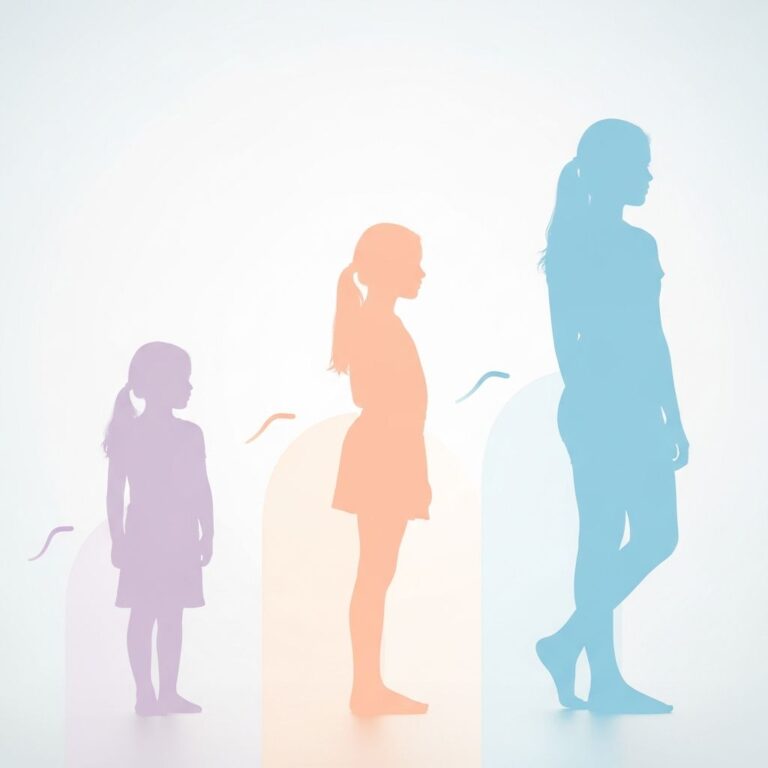
Protein Needs by Age Group
Children and Teens
Younger children (4–13 years) need about 19–34g daily, while teens (14–18 years) require 46–52g, per Dietary Guidelines for Americans. Growing bodies demand adequate protein for development, but excess isn’t beneficial.
Adults (19–64 years)
The RDA of 0.8g/kg meets basic needs for 97–98% of healthy adults, equating to 46g for women and 56g for men. However, many experts recommend 1.0–1.2g/kg for optimal health, especially with regular exercise.
Older Adults (65+)
Aging reduces muscle protein synthesis efficiency, increasing needs to 1.0–1.2g/kg. Some research suggests up to 1.6g/kg for those over 80 or with frailty. Protein timing matters too—spreading intake across meals helps maximize utilization.
| Age Group | Weight (kg) | RDA (g) | Optimal Range (g) |
|---|---|---|---|
| Women 19–30 | 60kg | 48 | 60–72 |
| Men 19–30 | 75kg | 60 | 75–90 |
| Women 65+ | 60kg | 48 | 60–72 |
| Men 65+ | 75kg | 60 | 75–90 |
Protein for Athletes and Muscle Building
Those engaging in resistance training or endurance sports have elevated protein needs. The American College of Sports Medicine recommends:
- Endurance athletes: 1.2–1.4 g/kg
- Strength athletes: 1.6–1.7 g/kg
- Muscle hypertrophy: 1.6–2.2 g/kg (upper end for advanced trainees)
Related Stories



A 2023 meta-analysis confirmed that intakes above 1.6g/kg provide no additional muscle gains in most cases. Timing is crucial—consume 20–40g protein within 2 hours post-workout, rich in leucine (2–3g per serving).
Special Considerations: Pregnancy, Weight Loss, and Health Conditions
- Pregnancy: Add 25g/day in 2nd/3rd trimesters (1.1g/kg total)
- Vegetarians/Vegans: May need 10–20% more due to lower digestibility
- Kidney disease: Consult doctor; may need restriction
- Weight loss: Higher protein (1.2–1.6g/kg) preserves lean mass during calorie deficit
How to Meet Your Protein Goals
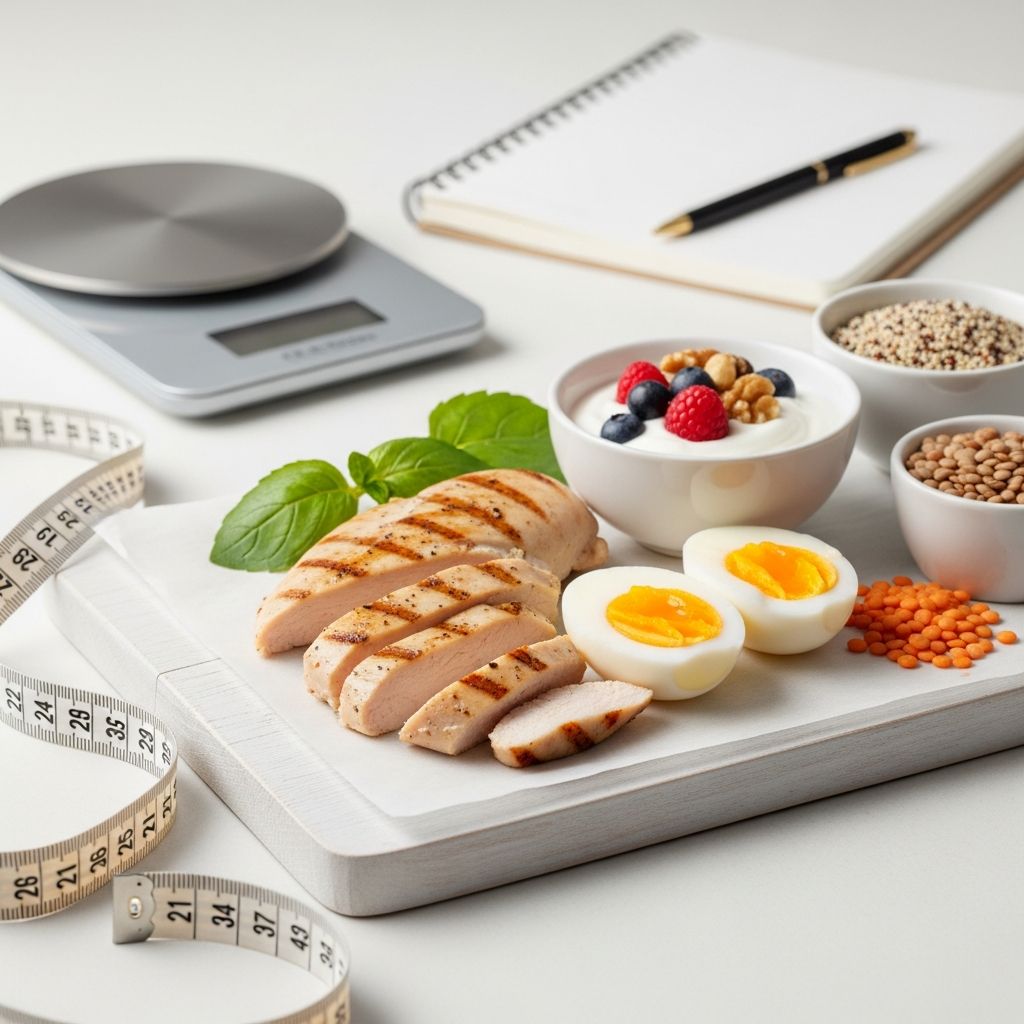
Focus on whole foods first. Aim for 20–30g per main meal and 10–15g per snack.
High-Protein Food Sources
| Food | Serving Size | Protein (g) |
|---|---|---|
| Chicken breast | 3oz cooked | 26 |
| Salmon | 3oz cooked | 22 |
| Greek yogurt | 6oz plain | 17 |
| Eggs | 2 large | 12 |
| Lentils | 1 cup cooked | 18 |
| Tofu | 4oz | 10 |
| Almonds | 1oz (23 nuts) | 6 |
Sample Day (75g target): Breakfast: 2 eggs + Greek yogurt (29g); Lunch: Chicken salad (30g); Snack: Apple + almonds (6g); Dinner: Salmon + quinoa (25g); Evening: Cottage cheese (10g).
Signs You’re Not Getting Enough Protein
- Muscle loss or weakness
- Slow recovery from exercise
- Frequent hunger/cravings
- Hair loss, brittle nails
- Weak immune function
Can You Have Too Much Protein?
Healthy kidneys can handle up to 2.0g/kg safely. Concerns arise mainly with pre-existing kidney issues or extreme intakes (>3g/kg chronically). Balance with fiber, hydration, and varied nutrients.
Frequently Asked Questions (FAQs)
What’s the minimum protein intake for adults?
The RDA is 0.8g/kg body weight, or about 46g for women and 56g for men, meeting basic needs for most sedentary healthy adults.
How much protein for muscle gain?
Aim for 1.6–2.2g/kg body weight, spread across 4+ meals/snacks with 20–40g leucine-rich protein per serving post-workout.
Do I need protein supplements?
Not if you meet goals through food. Supplements like whey are convenient for athletes but whole foods provide additional nutrients.
Is more protein better as you age?
Yes—older adults benefit from 1.0–1.2g/kg (or higher) to prevent muscle loss (sarcopenia). Include protein at every meal.
Can plant-based eaters meet protein needs?
Absolutely. Combine sources like beans + rice, or use soy, quinoa, seitan. May need slightly higher total intake due to digestibility.
References
- Dietary Reference Intakes for Energy, Carbohydrate, Fiber, Fat, Fatty Acids, Cholesterol, Protein, and Amino Acids — National Academies Press (Institute of Medicine). 2005 (authoritative standard, remains current reference). https://nap.nationalacademies.org/catalog/10490
- Dietary Guidelines for Americans, 2020-2025 — U.S. Department of Agriculture and HHS. 2020. https://www.dietaryguidelines.gov
- International Society of Sports Nutrition Position Stand: protein and exercise — JISSN (peer-reviewed). 2017-06-19. https://doi.org/10.1186/s12970-017-0177-8
- Evidence-based recommendations for optimal dietary protein intake in older people — American Journal of Clinical Nutrition. 2020-04-29. https://doi.org/10.1093/ajcn/nqaa152
- Protein for Life: Review of Optimal Protein Intake — The Lancet Healthy Longevity. 2022-11. https://doi.org/10.1016/S2666-7568(22)00180-1
Similar Articles








Read full bio of Sneha Tete