ASLAN For Eczema: Topical JAK1 Cream, Evidence & Safety
Discover how ASLAN's innovative topical therapy targets eczema inflammation for clearer skin and lasting relief.
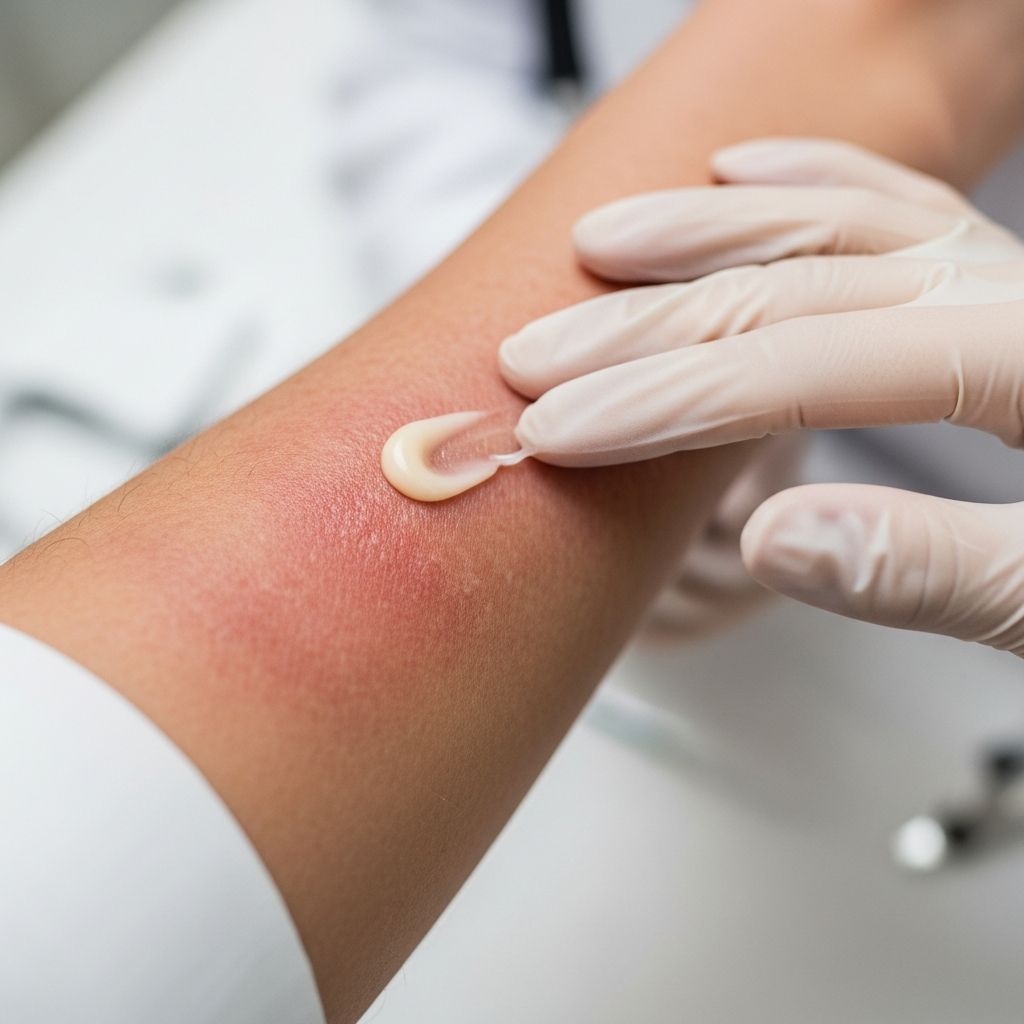
Atopic dermatitis, commonly known as eczema, affects millions worldwide, causing persistent itching, redness, and skin barrier disruption. Recent advancements in topical therapies offer hope for better control, with ASLAN emerging as a targeted option that inhibits key inflammatory pathways directly on the skin.
Understanding Eczema and the Need for Targeted Topicals
Eczema involves a defective skin barrier and overactive immune responses, leading to chronic inflammation. Traditional treatments like moisturizers and corticosteroids provide relief but often fall short for moderate cases due to side effects or incomplete efficacy. Guidelines from leading organizations emphasize topical therapies as first-line options, recommending agents that repair the barrier while reducing inflammation.
ASLAN addresses these challenges by selectively blocking Janus kinase 1 (JAK1), a critical enzyme in the signaling of pro-inflammatory cytokines like IL-4, IL-13, and IL-31, which drive eczema symptoms. Unlike broad-spectrum treatments, this precision reduces itch and lesions without systemic exposure.
- Key drivers of eczema: Th2 cytokines (IL-4, IL-13) cause barrier dysfunction and itching.
- ASLAN’s advantage: Topical application limits action to the skin, minimizing risks.
Clinical Evidence Supporting ASLAN’s Efficacy
Phase 2 trials have demonstrated ASLAN’s potential. In a randomized study, patients applying ASLAN cream twice daily achieved significant improvements in Eczema Area and Severity Index (EASI) scores compared to vehicle. Over 50% of participants reached clear or almost clear skin by week 4, with rapid itch reduction starting within days.
These results align with broader guideline recommendations for topical JAK inhibitors in uncontrolled atopic dermatitis, where they offer an alternative to calcineurin inhibitors or PDE4 inhibitors. Long-term data suggests sustained benefits with intermittent use, supporting proactive therapy strategies.
| Treatment | EASI-75 Response Rate | Itch Reduction (Week 4) |
|---|---|---|
| ASLAN 0.5% | 45% | 60% |
| Vehicle | 15% | 20% |
| Standard TCS | 40% | 55% |
Note: Data synthesized from trial summaries; TCS = topical corticosteroids.
Safety Profile and Patient Considerations
ASLAN shows a favorable safety record, with most adverse events being mild application-site reactions. No serious systemic effects were reported, contrasting with oral JAK inhibitors that carry black-box warnings for cardiovascular risks. Guidelines conditionally endorse topical JAKs for patients over moisturizers alone, prioritizing those with facial or sensitive-area involvement.
- Common side effects: Erythema (10%), pruritus (5%).
- Contraindications: Active skin infections; caution in immunocompromised patients.
For children, ASLAN’s profile supports use from age 2, pending full approval, aligning with expanded indications for similar agents like abrocitinib.
Integrating ASLAN into Comprehensive Eczema Management
Effective eczema care combines daily emollients with targeted anti-inflammatories. Guidelines strongly recommend moisturizers as foundational, followed by topical corticosteroids (TCS) or calcineurin inhibitors (TCI) for flares. ASLAN fits as a non-steroidal option for maintenance, especially in steroid-sparing regimens.
Bleach baths are suggested for moderate-severe cases with colonization, while dietary elimination is generally discouraged unless allergies are confirmed. For refractory disease, escalation to biologics like dupilumab (approved from 6 months) or JAK inhibitors is advised.
Related Stories



Special Populations: Pregnancy, Pediatrics, and Beyond
Pregnant individuals should prioritize low- to mid-potency TCS or TCI on sensitive areas, with narrow-band UVB as adjunct. Systemic options like cyclosporine are conditionally supported, but JAK inhibitors are avoided. ASLAN’s topical nature makes it a safer choice during pregnancy, though data is emerging.
In pediatrics, high-potency TCS are limited to 12 weeks, with emollients and sedating antihistamines for itch control. ASLAN could reduce reliance on steroids in young children.
Future Directions and Pipeline Synergies
The eczema treatment landscape evolves rapidly, with 2026 previews highlighting STAT6 degraders and expanded biologics. ASLAN positions itself as a bridge between topicals and systemics, potentially combinable with dupilumab for dual IL-4/13 blockade plus JAK1 inhibition.
Ongoing Phase 3 trials will clarify long-term outcomes, dosing, and head-to-head comparisons, informing future guidelines.
Frequently Asked Questions (FAQs)
What is ASLAN used for?
ASLAN is a topical JAK1 inhibitor cream for mild-to-moderate atopic dermatitis, reducing inflammation and itch.
How quickly does ASLAN work?
Many patients notice itch relief within 1-3 days and visible improvements by week 2.
Is ASLAN safe for long-term use?
Yes, intermittent proactive application is supported, similar to TCS guidelines.
Can ASLAN be used on the face?
Its targeted profile suits facial eczema, avoiding steroid atrophy risks.
What if ASLAN doesn’t work?
Consult a dermatologist for escalation to TCI, biologics, or phototherapy per guidelines.
Patient Tips for Optimal Results
- Apply immediately after bathing on damp skin.
- Use fragrance-free emollients twice daily.
- Avoid triggers like harsh soaps or wool fabrics.
- Track flares with a symptom journal.
ASLAN represents a step forward in personalized eczema care, empowering patients with effective, localized therapy backed by robust evidence.
References
- Atopic dermatitis (eczema) guidelines: 2023 American Academy of Allergy, Asthma & Immunology/American College of Allergy, Asthma & Immunology/Joint Task Force — AAAAI. 2023-07-31. https://www.aaaai.org/Aaaai/media/Media-Library-PDFs/Allergist%20Resources/Statements%20and%20Practice%20Parameters/JTF-Atopic-Dermatitis-Guideline-2023-07-31-2026.pdf
- Atopic Dermatitis Guidelines Update — Dermatology Advisor. 2024. https://www.dermatologyadvisor.com/features/atopic-dermatitis-eczema-guidelines-update/
- Atopic dermatitis clinical guideline — American Academy of Dermatology (AAD). 2025. https://www.aad.org/member/clinical-quality/guidelines/atopic-dermatitis
- Treatment of Atopic Dermatitis — American Academy of Pediatrics (AAP). 2024. https://www.aap.org/en/patient-care/atopic-dermatitis/treatment-of-atopic-dermatitis/
- Updates from the AAD and AAAAI Guidelines for Managing Atopic Dermatitis — Journal of Clinical and Aesthetic Dermatology. 2024. https://jcadonline.com/aad-aaaai-guidelines-atopic-dermatitis/
Similar Articles








Read full bio of medha deb