Asparagus Allergy: 6 Reactions, Diagnosis & Management
Exploring asparagus allergies: from fingertip dermatitis in pickers to urticaria and cross-reactions in consumers.
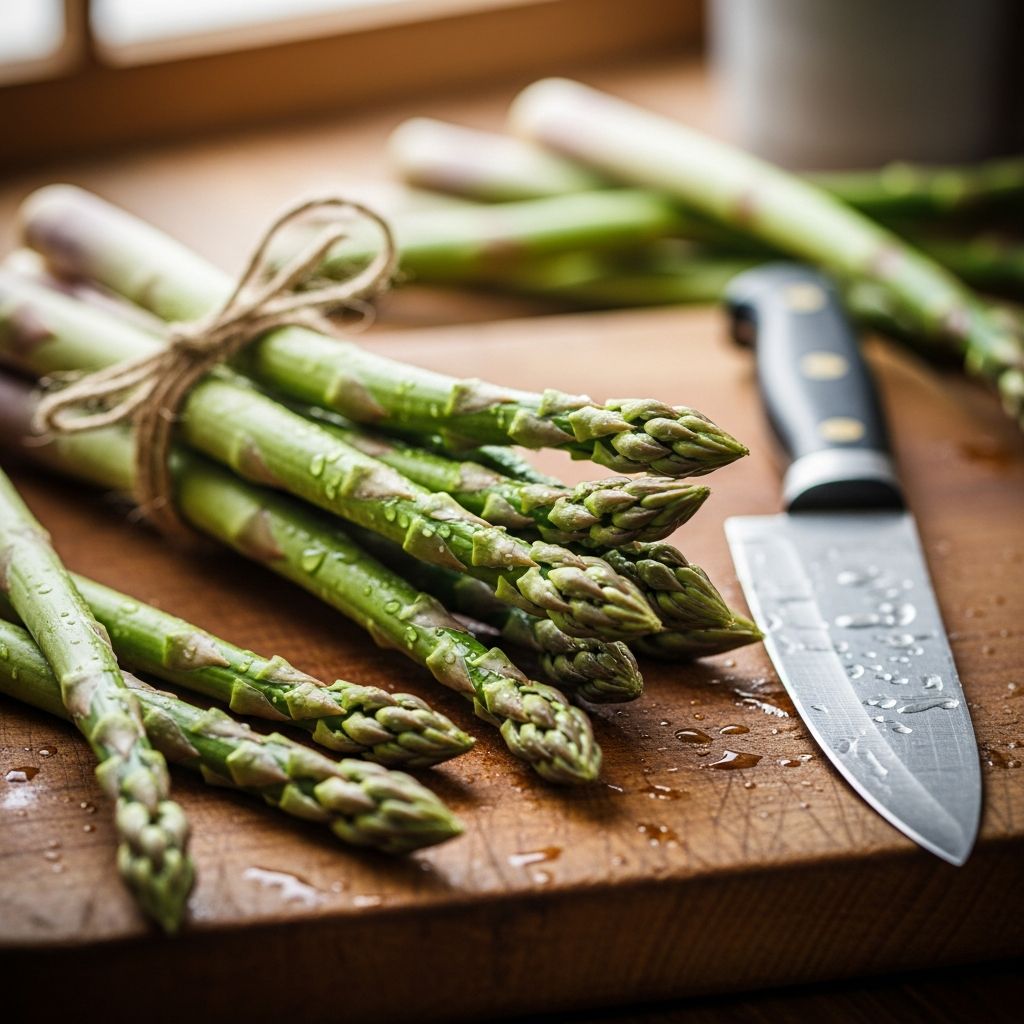
What is asparagus?
Asparagus officinalis is a widely cultivated perennial plant prized for its edible young shoots, known as spears. Belonging to the Liliaceae family—which also includes tulips, onions, and garlic—this vegetable originates from the Mediterranean region and has been enjoyed for centuries in various cuisines worldwide.
Perennial asparagus plants can produce separate male and female specimens for over 20 years. The underground portion consists of robust stems from which the tender, edible spears emerge each spring. Male plants typically yield the highest-quality spears due to their superior vigor and productivity. In Europe, particularly Germany and France, white asparagus—grown underground to prevent photosynthesis and bitterness—is preferred, while green and emerging red cultivars dominate in New Zealand, Australia, and North America.
Beyond culinary use, several asparagus species hold horticultural value. For instance, Asparagus sprengeri, A. plumosus, and A. medeoloides are popular for their feathery foliage in flower arrangements, adding delicate greenery to bouquets. Nutritionally, asparagus spears are low-calorie, rich in fiber, folate, vitamins A, C, E, and K, and antioxidants, contributing to their status as a healthy vegetable.
| Common name | Asparagus |
|---|---|
| Botanical name | Asparagus officinalis |
| Family | Liliaceae (tulips, onions, garlic) |
| Origin | Mediterranean |
| Description | Perennial; male plants yield best spears; underground stems produce spring shoots |
| Uses | Edible vegetable; ornamental foliage (A. sprengeri, A. plumosus, A. medeoloides) |
Allergens in asparagus
Asparagus contains several potential allergens, including asparagin, coniferin, and the glucoside vanillin. However, the primary culprit in allergic reactions is 1,2,3-Trithiane-5-carboxylic acid, a sulfur-containing growth inhibitor concentrated mainly in the early growth phase of young shoots. This compound’s volatility and presence in fresh spears make them particularly allergenic.
Young shoots are the most potent triggers, explaining higher allergy rates among seasonal pickers handling fresh produce. Processing like canning may reduce allergenicity, but raw or minimally processed asparagus poses the greatest risk. Related species like Asparagus racemosus show antifungal properties against skin pathogens such as Malassezia, linked to seborrheic dermatitis, due to saponin-enriched extracts with MIC values of 190–300 μg/mL and MFC up to 780 μg/mL. While not directly causative of dermatitis, this highlights asparagus’s bioactive compounds affecting skin health.
Allergy to asparagus
The first documented case of asparagus-related contact dermatitis dates to 1880. Today, it is well-recognized, especially in Germany among asparagus pickers, canners, and vegetable preparers. Occupational exposure affects workers handling large volumes of fresh spears during harvest season.
Primary presentation: Fingertip dermatitis. This manifests as itchy, red, scaly, or vesicular eruptions on fingertips, often spreading to the entire hand. Chronic exposure leads to lichenified, hyperkeratotic skin with fissuring. Symptoms peak in spring when young shoots abound.
Other reactions include:
- Contact urticaria: Hives on lips from eating raw spears; resolves quickly but recurs on re-exposure.
- Conjunctivitis and rhinitis: Eye redness, tearing, nasal congestion from handling or inhaling vapors.
- Asthma: Wheezing and shortness of breath in sensitized individuals.
- Ingestion-induced urticaria: One reported case of acute generalized hives post-consumption.
- Fixed food eruptions (FFE): Rare, recurrent erythematous patches at fixed sites (e.g., lips, genitals) 12–24 hours after ingestion, mimicking drug eruptions. Asparagus alongside strawberries, seafood.
Related Stories



Prevalence is low in consumers but elevated occupationally. At-risk groups: farmworkers, food processors, chefs. Children rarely affected unless genetically predisposed.
Differential diagnosis
Fingertip dermatitis from asparagus mimics other irritant or allergic contact dermatoses:
- Irritant contact dermatitis: From repeated wet work, detergents, or other vegetables (e.g., onion, garlic).
- Allergic contact dermatitis: To metals (nickel), fragrances, or Compositae plants.
- Tulip fingers: Similar fingertip eczema from tulip handling (Liliaceae family cross-sensitivity possible).
- Protein contact dermatitis: To seafood, fruits in food handlers.
- Fungal infections: e.g., Tinea manuum; rule out with KOH prep.
- Psoriasis or eczema: Chronic hand dermatitis patterns.
History of asparagus exposure and patch testing confirm diagnosis.
Cross reactions
No major cross-reactivity within Liliaceae (tulips, garlic) reported specifically for asparagus, but shared family allergens warrant caution.
FFE links to foods like cashews, kiwi, lentils, peanuts, strawberries, seafood, tartrazine. Occupational cases may overlap with other plant saps (e.g., Alstroemeria, arnica). Nickel-sensitive children may have compounded hand dermatitis.
Patch testing for asparagus allergy
Diagnosis relies on patch testing with:
- 10% ether extract of asparagus
- 10% aqueous extract
Positive reactions (erythema, vesicles) at 48–96 hours confirm allergy. Test fresh plant material diluted to avoid irritation. European baseline series plus plant allergens recommended for occupational cases.
Management of asparagus allergy
Prevention
- Avoidance: Primary strategy. Gloves (nitrile, not latex) for handlers; cover skin during harvest.
- Hygiene: Wash hands post-exposure; use barrier creams.
- Substitution: Automated harvesting where possible.
Treatment
- Topical corticosteroids: Medium-potency (e.g., clobetasol 0.05%) for dermatitis; potent for fingertips.
- Emollients: Petrolatum-based to repair barrier.
- Antihistamines: Oral for urticaria, rhinitis (loratadine 10mg daily).
- Inhaled bronchodilators: For asthma.
- Severe cases: Systemic steroids (prednisone 0.5mg/kg taper); phototherapy or immunosuppressants rarely.
Diet: Avoid raw spears; cooked may be tolerated by some. Occupational change if severe.
Diet and skin health context
While allergenic, asparagus benefits non-allergic skin via antioxidants reducing inflammation, unlike psoriasis where vegetable-rich diets aid but supplements do not. Probiotics may prevent atopic dermatitis in offspring.
Frequently Asked Questions
Q: Who is most at risk for asparagus allergy?
A: Asparagus pickers, canners, and cooks handling fresh young shoots, particularly in high-production areas like Germany.
Q: What does asparagus fingertip dermatitis look like?
A: Red, itchy, scaly, or blistered fingertips spreading to palms; chronic cases show thickening and cracks.
Q: Can eating asparagus cause skin reactions?
A: Yes, contact urticaria on lips or rare fixed eruptions 12–24h post-ingestion.
Q: How is asparagus allergy diagnosed?
A: Patch testing with 10% ether or water extracts; history of exposure key.
Q: Does cooking asparagus eliminate allergens?
A: It reduces risk but does not fully eliminate; avoidance best for sensitized individuals.
Q: Are there cross-allergies with other foods?
A: Possible in fixed eruptions with strawberries, nuts, seafood; monitor Liliaceae family.
References
- Asparagus – DermNet — DermNet NZ (Hon A/Prof Marius Rademaker). Updated 1999, accessed 2026. https://dermnetnz.org/topics/asparagus
- Herbal Therapy for the Treatment of Seborrhea Dermatitis — PMC (Onlom C et al.). 2022-11-01. https://pmc.ncbi.nlm.nih.gov/articles/PMC9651010/
- From ‘Oh, no!’ to glow: Does diet boost skin health? — Healthy Food Guide. Accessed 2026. https://www.healthyfood.com/advice/from-oh-no-to-glow-does-diet-boost-skin-health/
- Fixed drug eruption – DermNet — DermNet NZ. Updated 2026. https://dermnetnz.org/topics/fixed-drug-eruption
- Fixed Eruptions: Drug, Food, and What More? — Ovid (Waton J et al.). 2022. https://www.ovid.com/journals/cddr/pdf/10.4103/cdr.cdr_79_22
- Plants that cause skin problems – DermNet — DermNet NZ. Accessed 2026. https://dermnetnz.org/topics/plants-that-cause-skin-problems
Similar Articles








Read full bio of Sneha Tete