Aspergillosis Pathology: Fungal Infection Analysis
Understanding aspergillosis pathology: histological features, diagnostic methods, and clinical manifestations.
Aspergillosis Pathology: Understanding Fungal Infection Characteristics
Aspergillosis represents a significant pathological condition caused by Aspergillus species, which can manifest as invasive cutaneous infections particularly in immunosuppressed hosts. The organism may be introduced through local inoculation or can disseminate to the skin following infection originating from the lungs. Understanding the pathological features of aspergillosis is essential for accurate diagnosis and appropriate clinical management.
Introduction to Aspergillosis Pathology
Aspergillus species are ubiquitous environmental fungi capable of causing various clinical manifestations depending on the host’s immune status and the depth of fungal invasion. The pathological presentation varies significantly based on whether the infection occurs in immunocompromised or immunocompetent individuals. In immunocompromised patients, particularly those with hematologic malignancies, transplant recipients, or those receiving intensive chemotherapy, invasive aspergillosis represents a serious clinical concern.
The inflammatory response to aspergillosis depends critically on several factors including the depth of invasion into tissue layers and the immunological status of the affected patient. This relationship between host immunity and fungal pathology explains the diverse histological presentations observed in clinical practice.
Histological Features and Inflammatory Patterns
The histological appearance of aspergillosis varies considerably depending on the patient’s immune competence. In immunocompromised hosts, the inflammatory response tends to be less organized, whereas immunocompetent patients typically demonstrate more structured immune reactions.
Acute Infiltrate and Tissue Response
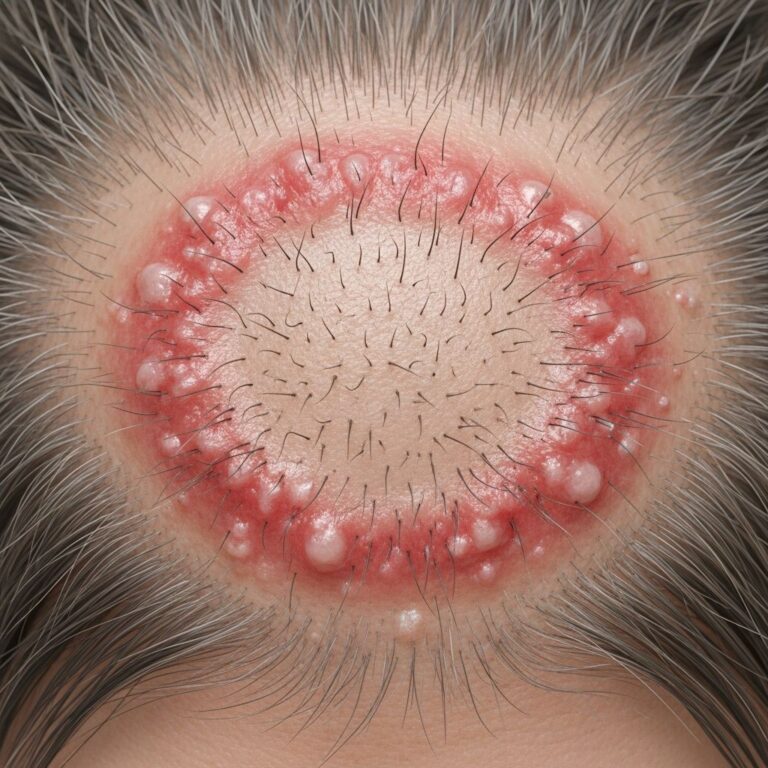
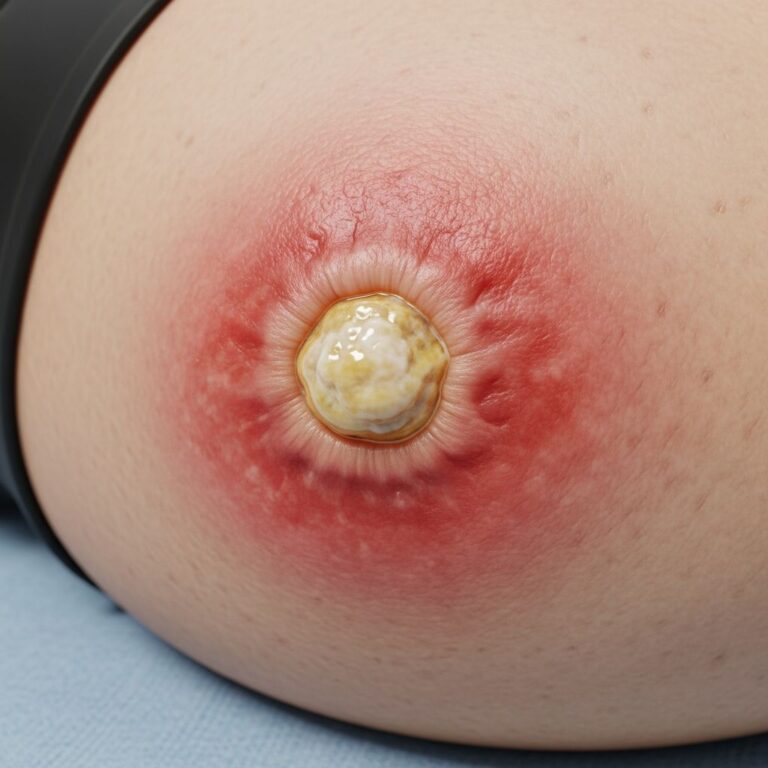
In most cases of invasive aspergillosis, there is a dense acute infiltrate present in the dermis and deep soft tissue. This inflammatory infiltrate may be associated with several tissue complications including necrosis and scarring. The organisms themselves may sometimes be visualized on routine histological examination using standard haematoxylin and eosin (H-E) staining, though special staining techniques provide superior visualization.
The depth of fungal penetration often correlates with the severity of the inflammatory response. When aspergillosis invades deeply into soft tissues, the associated inflammation and tissue damage become more pronounced, potentially leading to significant morbidity if left untreated.
Granulomatous Response in Immunocompetent Patients
A distinguishing feature in immunocompetent patients is the development of a dense granulomatous response to the fungal infection. This organized immune reaction represents the host’s attempt to wall off and contain the infection. Additionally, primary cutaneous aspergillosis resulting from direct skin inoculation can cause a marked epidermal response, further distinguishing this presentation from disseminated disease.
Severe Tissue Complications
In cases of invasive aspergillosis, several serious tissue complications may develop:
- Angioinvasion, where the fungus invades blood vessel walls
- Ulceration of overlying skin and epidermis
- Extensive necrosis of surrounding tissue
- Scarring and permanent tissue damage
Morphological Characteristics of Aspergillus
Related Stories



Accurate identification of Aspergillus species relies on understanding their distinctive morphological features, particularly when viewed under microscopic examination with special staining techniques.
Hyphal Structure and Branching Patterns
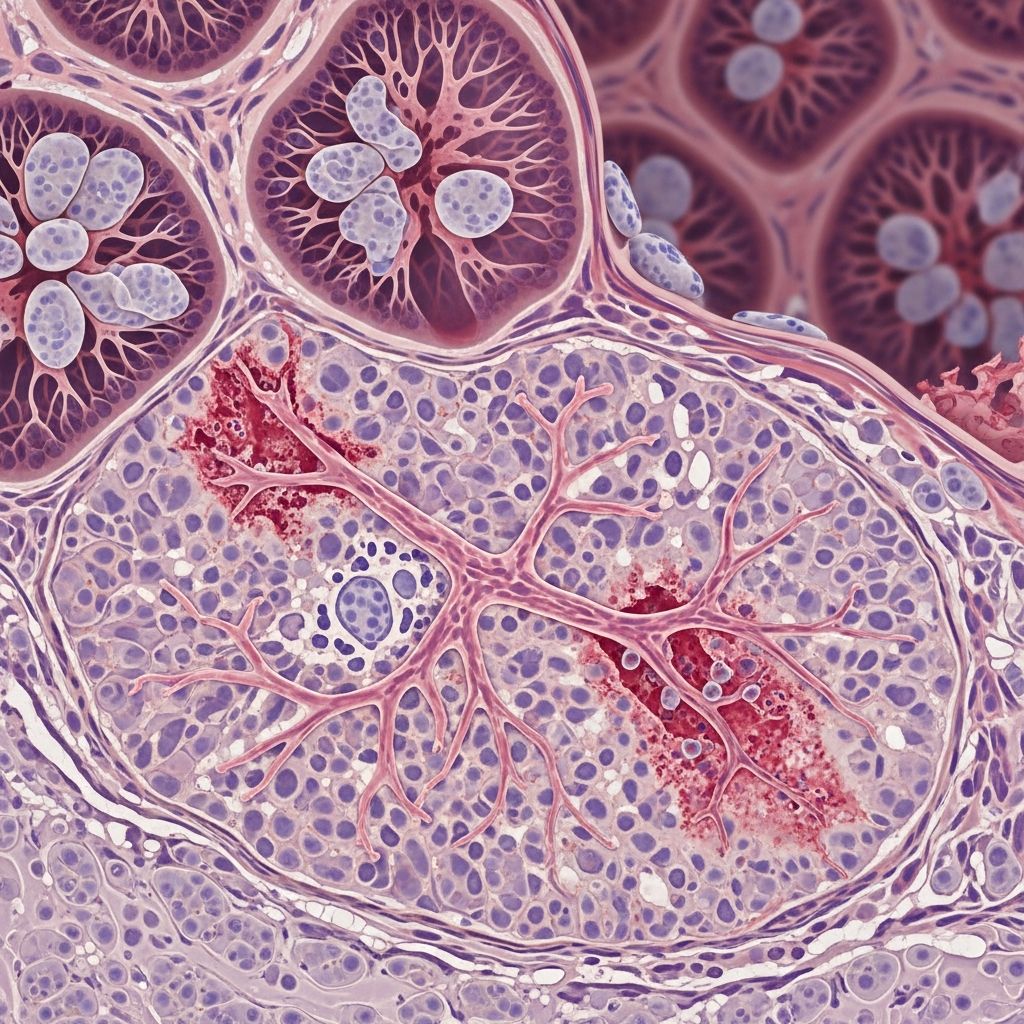
Aspergillus organisms display characteristic morphology that distinguishes them from other fungal pathogens. The organisms are thin and septate, meaning they possess cross-walls dividing the fungal filaments into individual cells. Most notably, Aspergillus species demonstrate regular branching of their hyphae at characteristic angles of approximately 45 degrees.
This regular branching pattern at acute angles represents a key diagnostic feature that differentiates Aspergillus from morphologically similar fungal pathogens. The consistency and regularity of this branching pattern can be appreciated more clearly with appropriate staining techniques.
Diagnostic Techniques and Special Stains
While routine H-E staining may allow visualization of organisms in some cases, special staining methods provide superior clarity and allow more accurate assessment of fungal morphology.
Primary Staining Methods
Two primary special stains are commonly employed in the diagnosis of aspergillosis:
- PAS (Periodic Acid-Schiff) stain: Highlights fungal cell walls and provides excellent visualization of organism morphology
- GMS (Grocott’s Methenamine Silver) stain: Produces dark staining of fungal elements against a light background, allowing clear assessment of hyphal structure and branching patterns
Both staining methods allow pathologists to clearly visualize the thin, septate hyphae with their characteristic regular branching patterns, facilitating accurate identification.
Correlation with Culture
Correlation with tissue cultures is particularly helpful in confirming the diagnosis and identifying the specific Aspergillus species involved. Culture allows for species identification and susceptibility testing, which has become increasingly important given emerging resistance patterns in some regions. Recent studies indicate that azole-resistance is present in approximately 6.5% of Aspergillus fumigatus isolates in some geographic regions, emphasizing the importance of susceptibility testing.
Differential Diagnosis and Distinction from Similar Organisms
Several fungal organisms can present with morphologically similar features to Aspergillus, requiring careful histological and microbiological evaluation for accurate differentiation.
Mucormycosis
Mucormycosis represents one of the most important differential diagnoses, as it can clinically mimic aspergillosis in immunocompromised patients. However, the organisms of mucormycosis can be distinguished from Aspergillus through several key morphological features:
- Mucormycosis organisms are typically thicker than Aspergillus hyphae
- Mucormycosis organisms are usually non-septate or sparsely septate, whereas Aspergillus is regularly septate
- Most distinctively, mucormycosis branches at right angles (approximately 90 degrees), whereas Aspergillus branches at acute angles of approximately 45 degrees
These morphological differences are crucial for accurate identification and appropriate treatment selection, as mucormycosis typically requires different antifungal therapy.
Fusariosis and Pseudallescheriosis
Both Fusariosis and Pseudallescheriosis can display morphology similar to aspergillosis, and these organisms usually require culture for precise distinction. While histological examination may suggest a fungal infection, culture and molecular techniques are often necessary to definitively identify these organisms and guide appropriate therapy.
Clinical Context and Pathological Significance
The pathological findings in aspergillosis must always be interpreted within the clinical context of the patient’s immune status and predisposing factors.
Risk Factors and Patient Populations
Invasive aspergillosis is estimated to occur in significant proportions of high-risk patients:
- 5–13% of bone marrow transplant recipients
- 5–25% of heart or lung transplant recipients
- 10–20% of patients receiving intensive chemotherapy for leukemia
However, contemporary epidemiological data demonstrates that invasive aspergillosis is increasingly recognized in patients with mild immunosuppression or even no underlying comorbidity, suggesting a changing disease landscape.
Routes of Infection
The pathological features of aspergillosis are influenced by the route through which the infection is acquired. On rare occasions, the fungus may enter directly via the skin, particularly in patients with thermal burns or trauma. Primary cutaneous aspergillosis most commonly develops at sites of medical intervention, such as intravenous cannula insertion or venipuncture sites. Occasionally, outbreaks of primary cutaneous aspergillosis result from contaminated biomedical equipment.
Alternatively, Aspergillus can spread to the skin via the bloodstream following dissemination from primary infection sites, typically the lungs. This hematogenous spread to cutaneous sites indicates systemic invasive disease with significant clinical implications.
Histopathological Interpretation Guidelines
When interpreting histopathological findings in suspected aspergillosis, pathologists should consider several key elements.
Specimen Preparation and Examination
Adequate tissue sampling is essential for diagnosis. Histopathology contributes significantly to diagnosis of fungal infections across the spectrum from superficial to life-threatening systemic disease. When examining tissue samples, particular attention should be paid to the depth of fungal invasion, the nature and intensity of the inflammatory response, and the presence or absence of specific morphological features.
Relationship to Clinical Presentation
The histopathological features must be correlated with the clinical presentation and the patient’s immune status. A dense granulomatous response suggests an immunocompetent host, whereas minimal granulomatous inflammation with predominantly neutrophilic infiltrate may indicate immunocompromise. Cutaneous manifestations are most commonly a consequence of widespread aspergillosis infection in patients with impaired immunity, often indicating systemic disease requiring urgent systemic antifungal therapy.
Frequently Asked Questions (FAQs)
Q: How can Aspergillus be distinguished from Mucormycosis on histology?
A: The key distinguishing features include hyphal thickness, septation patterns, and branching angles. Aspergillus is thin, regularly septate, and branches at acute angles (approximately 45 degrees), whereas Mucormycosis is thicker, non-septate or sparsely septate, and branches at right angles (approximately 90 degrees).
Q: What is the significance of angioinvasion in aspergillosis?
A: Angioinvasion, where the fungus invades blood vessel walls, is a serious pathological feature that indicates aggressive infection and may lead to tissue necrosis, ulceration, and extensive tissue damage.
Q: Can Aspergillus be identified with routine H-E staining?
A: Yes, Aspergillus organisms may sometimes be visible on routine H-E staining, though special stains such as PAS or GMS provide superior visualization and allow clearer assessment of hyphal morphology and branching patterns.
Q: What is the clinical significance of finding a granulomatous response in aspergillosis?
A: A dense granulomatous response is common in immunocompetent patients and represents an organized immune reaction attempting to contain the infection, which generally indicates a better prognosis than the minimal inflammatory response seen in severely immunocompromised hosts.
Q: Why is culture important in diagnosing aspergillosis?
A: Culture allows for species identification, which is increasingly important given emerging resistance patterns and the fact that approximately 23.5% of clinical isolates may be non-A. fumigatus species complex. Susceptibility testing guides appropriate antifungal therapy selection.
Q: What does primary cutaneous aspergillosis indicate about disease severity?
A: Primary cutaneous aspergillosis may indicate localized infection from direct inoculation, particularly at sites of medical intervention, though it can progress if left untreated. In contrast, skin involvement from hematogenous dissemination indicates systemic invasive disease.
References
- Aspergillosis Pathology — DermNet NZ. Updated 2024. https://dermnetnz.org/topics/aspergillosis-pathology
- Invasive Aspergillosis in Adult Patients in Australia and New Zealand: A Multicenter Retrospective Cohort Study — National Center for Biotechnology Information (NCBI). Published 2023. https://pmc.ncbi.nlm.nih.gov/articles/PMC10494171/
- Aspergillosis: Clinical Features and Epidemiology — DermNet NZ. Updated 2024. https://dermnetnz.org/topics/aspergillosis
- Dermatopathology and the Diagnosis of Fungal Infections — National Center for Biotechnology Information (NCBI). Published 2023. https://pmc.ncbi.nlm.nih.gov/articles/PMC10282148/
Similar Articles








Read full bio of Sneha Tete