Aspirin and Other Antiplatelet Medicines
Understanding aspirin and antiplatelet drugs for preventing heart attacks, strokes, and blood clots in cardiovascular care.
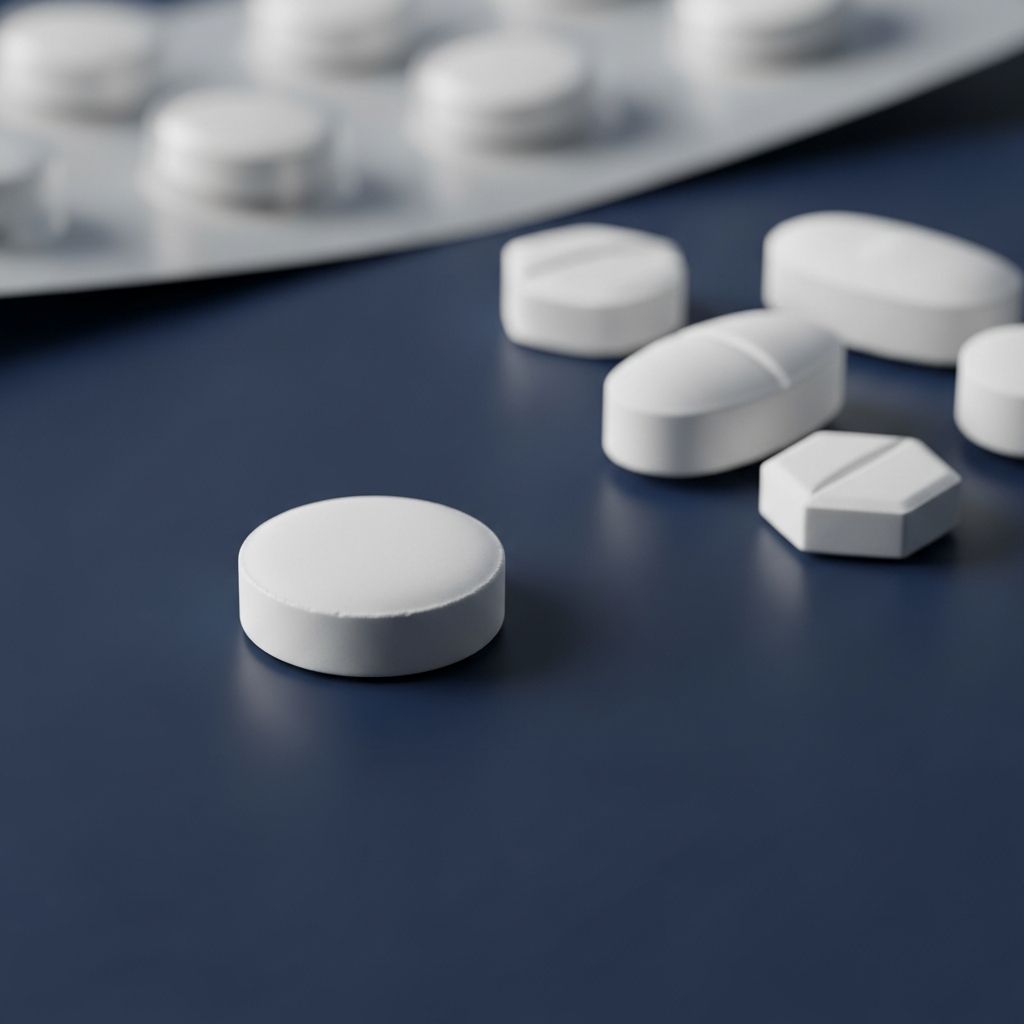
Antiplatelet medicines, such as aspirin, prevent blood clots from forming by stopping platelets from sticking together. These drugs are essential for people at risk of heart attacks, strokes, or other vascular events, particularly those with established cardiovascular disease.
What are antiplatelet medicines?
Antiplatelet medicines reduce platelet aggregation and inhibit thrombus formation in arterial circulation. Platelets are blood cells that help form clots to stop bleeding, but in conditions like heart disease, they can clump together and block blood vessels, leading to serious events like heart attacks or strokes. By making platelets less sticky, these drugs lower the risk of such blockages.
Aspirin is the most studied antiplatelet drug, with over 100 randomized trials showing it reduces vascular death by about 15% and nonfatal vascular events by around 30% in high-risk patients. Other drugs include clopidogrel, prasugrel, ticagrelor, and cangrelor, often used in combination for enhanced protection, especially after procedures like stent placement.
About aspirin
Aspirin, or acetylsalicylic acid, irreversibly inhibits cyclo-oxygenase (COX-1), blocking thromboxane A2 production, a key platelet aggregator. It also has analgesic, anti-inflammatory, and antioxidant effects. Low-dose aspirin (75 mg daily) is commonly used for long-term prevention in those with cardiovascular disease.
How does aspirin work?
Aspirin is rapidly absorbed in the stomach and upper intestine, with peak plasma levels in 30-40 minutes. Platelet inhibition occurs within 1 hour, lasting the platelet’s lifespan (7-10 days) due to irreversible COX-1 inactivation. Even newly formed platelets are affected as aspirin acetylates megakaryocyte COX-1. Enteric-coated versions peak slower (3-4 hours), so chewing is advised for rapid effect.
Low doses (50-100 mg/day) are effective; even 30 mg may work. Higher doses up to 1,500 mg provide dose-dependent inhibition but increase bleeding risk without added benefit for most.
Types of antiplatelet medicines
- Aspirin: Inhibits COX-1, reducing thromboxane A2.
- Clopidogrel: P2Y12 inhibitor, blocks ADP-induced platelet activation. Used alone or with aspirin.
- Prasugrel: Stronger P2Y12 inhibitor for acute coronary syndrome (ACS) with PCI, especially STEMI, diabetes, or prior stent thrombosis.
- Ticagrelor: Reversible P2Y12 inhibitor for ACS, faster onset than clopidogrel.
- Cangrelor: IV P2Y12 inhibitor for PCI in patients unable to take oral drugs pre-procedure.
- GP IIb/IIIa antagonists (e.g., abciximab): Block final aggregation pathway, used in high-risk PCI.
When are antiplatelet medicines used?
These drugs are used for secondary prevention in established cardiovascular disease and primary prevention in high-risk cases. Key indications include:
- After heart attack, stroke, or transient ischaemic attack (TIA).
- Stable or unstable angina.
- After coronary artery bypass grafting (CABG) or percutaneous coronary intervention (PCI) with stents.
- Peripheral arterial disease.
- Atrial fibrillation (with aspirin if anticoagulants unsuitable).
For acute coronary syndrome (ACS): Aspirin 75 mg + ticagrelor 90 mg twice daily for 12 months (medically managed); or with prasugrel post-PCI. Stable coronary artery disease: Aspirin 75 mg + clopidogrel 75 mg. Stroke/TIA: Clopidogrel 75 mg preferred; or aspirin + dipyridamole.
Antiplatelet therapy after stents
Dual antiplatelet therapy (DAPT) is standard post-PCI: Aspirin indefinitely + P2Y12 inhibitor (clopidogrel/prasugrel/ticagrelor) for 6-12 months or longer for drug-eluting stents at high thrombosis risk.
Related Stories



| Stent Type | Recommended DAPT Duration | P2Y12 Choice |
|---|---|---|
| Bare-metal | 1 month minimum | Clopidogrel preferred |
| Drug-eluting | 6-12 months or longer | Clopidogrel, prasugrel, or ticagrelor |
Aspirin alone increases peptic ulcer risk; DAPT heightens it further.
Dosage
Aspirin: 75 mg daily (enteric-coated or dispersible). Higher doses (300 mg loading) for acute events.
- Clopidogrel: 75 mg daily (300-600 mg loading).
- Prasugrel: 10 mg daily (60 mg loading).
- Ticagrelor: 90 mg twice daily (180 mg loading).
- Cangrelor: IV during PCI.
Control blood pressure before starting long-term aspirin.
Cautions
- Bleeding risk: Highest concern; avoid in active ulcers, recent intracranial hemorrhage, thrombocytopenia, or varices.
- Aspirin resistance: Up to one-third show reduced response, linked to higher thrombotic risk, but higher doses may help.
- Interactions: NSAIDs increase bleeding; avoid with other antiplatelets/anticoagulants without advice.
- High-risk groups: Elderly, renal impairment, uncontrolled hypertension.
Do not stop suddenly without medical advice, as rebound thrombosis risk increases.
Antiplatelet medicines and surgery
Inform surgeons/dentists in advance. Aspirin may continue for low-bleed procedures; stop 5-7 days pre-surgery if high risk. Restart soon after. For DAPT post-stent, balance thrombosis vs. bleeding.
Side-effects
Common: Indigestion, heartburn (take with food/use enteric-coated).
- Serious: Stomach ulceration/bleeding (black stools, vomiting blood), bruising, prolonged bleeding.
- Ticagrelor-specific: Breathlessness, gout flares.
- Prasugrel: Higher bleeding risk, avoid in stroke history.
Seek urgent help for severe bleeding or allergic reactions (rash, swelling). Treatment with aspirin alone raises peptic ulcer risk; DAPT amplifies it.
How to take antiplatelet medicines
- Swallow whole with water; dispersible in water.
- Take at same time daily.
- Missed dose: Take ASAP unless near next; do not double.
- Do not share; keep out of reach of children.
Pregnancy and breastfeeding
Avoid high-dose aspirin in pregnancy (fetal risks). Low-dose may be used under supervision. Small amounts pass into breast milk; safe at low doses but monitor infant.
Other precautions
Alcohol increases bleeding risk. Regular blood pressure/cholesterol checks advised alongside.
Frequently Asked Questions
Who should take daily aspirin?
Those with prior heart attack/stroke, stents, or high-risk cardiovascular disease. Consult doctor first; not for primary prevention in low-risk.
What is dual antiplatelet therapy (DAPT)?
Aspirin + P2Y12 inhibitor (e.g., clopidogrel) to prevent stent thrombosis.
Can I take ibuprofen with aspirin?
Avoid; increases ulcer/bleeding risk. Use paracetamol for pain.
How long after a stent do I need DAPT?
Typically 6-12 months; longer for high-risk cases.
What if I experience bleeding on these drugs?
Contact doctor immediately; may need dose adjustment or proton pump inhibitor for stomach protection.
Further reading and support
Consult NHS guidelines, British Heart Foundation, or your GP for personalized advice. Monitor for symptoms like chest pain or breathlessness.
References
- Antiplatelet Drugs: Antithrombotic Therapy and Prevention of Thrombosis — NIH/PMC. 2012-02-23. https://pmc.ncbi.nlm.nih.gov/articles/PMC3278069/
- Antiplatelet Drugs — Patient.info. Accessed 2026. https://patient.info/doctor/haematology/antiplatelet-drugs
- Aspirin to Prevent Blood Clots — Patient.info. Accessed 2026. https://patient.info/medicine/aspirin-to-prevent-blood-clots-nu-seals
- Aspirin and Dual Antiplatelet Therapy — American Heart Association. Accessed 2026. https://www.heart.org/en/health-topics/heart-attack/treatment-of-a-heart-attack/aspirin-and-heart-disease
- Antiplatelet Drugs: Weighing Risks and Benefits — AAFP. Accessed 2026. https://www.aafp.org/pubs/afp/afp-community-blog/entry/antiplatelet-drugs-weighing-risks-and-benefits.html
Similar Articles








Read full bio of Sneha Tete