Aspirin Tablets: Uses, Warnings & Interactions
Complete guide to aspirin: understanding uses, benefits, risks, and safe medication interactions.
What is Aspirin?
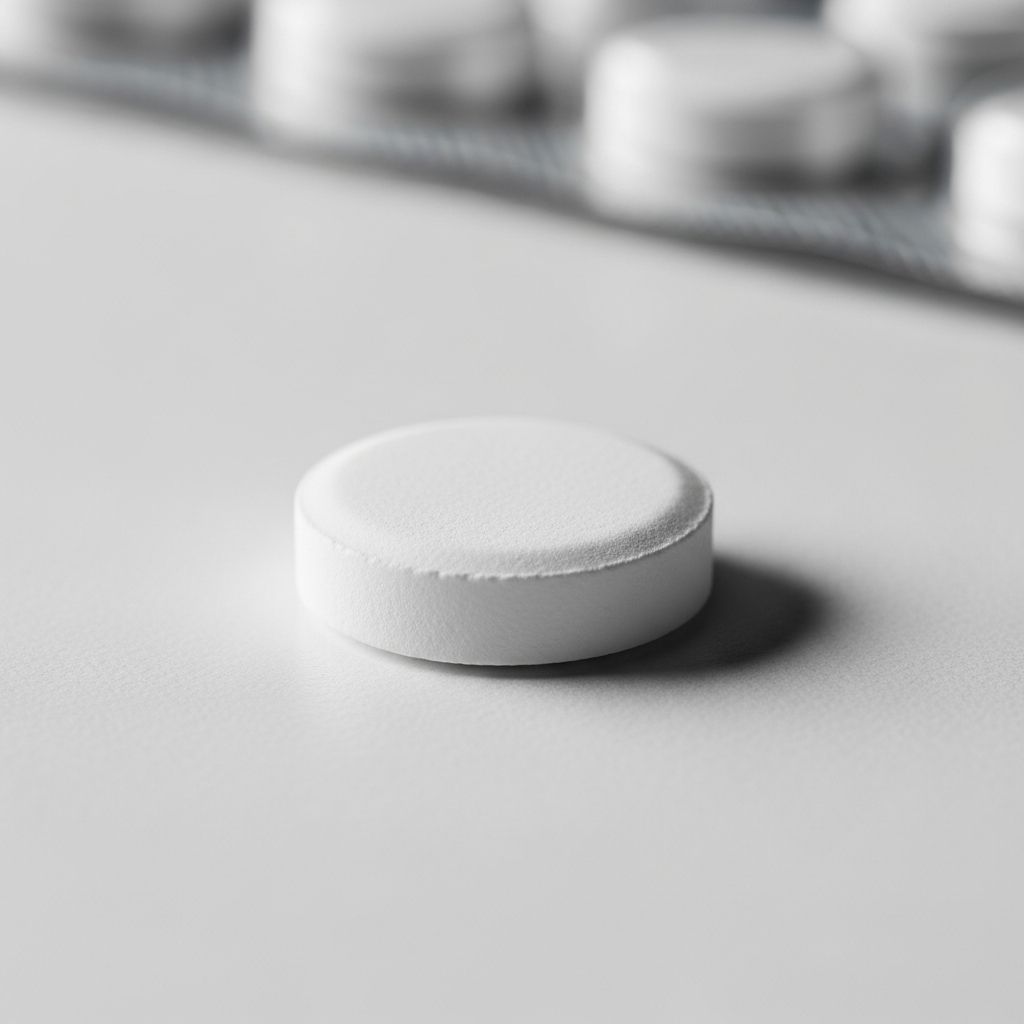
Aspirin, known by its scientific name acetylsalicylic acid (ASA), is a nonsteroidal anti-inflammatory drug (NSAID) that serves multiple therapeutic purposes in modern medicine. As a medication, aspirin has become one of the most widely used and accessible over-the-counter drugs available to patients worldwide. It functions by inhibiting the production of prostaglandins and thromboxane A2 in the body, which are key mediators of pain, inflammation, and blood clotting. This dual mechanism of action makes aspirin versatile in treating various conditions ranging from minor aches to serious cardiovascular concerns.
The medication comes in various formulations and strengths, with standard aspirin doses typically containing 325 milligrams per tablet, while low-dose aspirin, commonly referred to as “baby aspirin,” contains 81 milligrams. Understanding the appropriate form and dosage for your specific condition is essential for both safety and efficacy.
Primary Uses of Aspirin
Aspirin serves multiple therapeutic functions in clinical and self-care settings. The primary uses of aspirin include:
Pain Relief
Aspirin effectively treats mild to moderate pain associated with various conditions. It can provide relief from headaches, muscular aches, backaches, minor arthritis pain, menstrual cramps, and the common cold. When used appropriately for acute pain management, aspirin offers a readily available and affordable option for many patients seeking symptomatic relief without prescription requirements.
Inflammation Reduction
As an NSAID, aspirin reduces inflammation throughout the body. This anti-inflammatory property makes it useful for conditions involving inflammatory components, such as arthritis and other musculoskeletal disorders. The medication works by suppressing the body’s inflammatory response, thereby alleviating associated pain and discomfort.
Cardiovascular Protection
One of aspirin’s most significant medical applications involves cardiovascular health. Low-dose aspirin therapy has become central to secondary prevention strategies for patients with established cardiovascular disease. By permanently inhibiting platelet aggregation through irreversible inhibition of cyclooxygenase-1, aspirin prevents blood clot formation and reduces the risk of heart attack and stroke in high-risk populations.
Aspirin for Heart Attack and Stroke Prevention
The role of aspirin in cardiovascular protection differs significantly based on whether a patient has experienced a previous cardiovascular event. Understanding these distinctions is critical for safe and effective use.
Secondary Prevention (After Cardiovascular Events)
For patients who have previously experienced a heart attack, stroke, or other manifestations of coronary heart disease, aspirin therapy is unequivocally recommended. Patients with a history of heart attack, stent placement, or bypass surgery should continue taking low-dose daily aspirin (typically 81 milligrams) as directed by their healthcare provider. The evidence supporting aspirin use in secondary prevention is robust and well-established, with the value of aspirin for this indication being noncontroversial among cardiologists. In this population, the risks of blood clots and recurrent cardiovascular events substantially outweigh the bleeding risks associated with aspirin use.
Primary Prevention (Prevention in Those Without Previous Events)
The role of aspirin in primary prevention—preventing first cardiovascular events in individuals without prior heart disease—has become increasingly nuanced and restrictive based on recent evidence and updated guidelines. Multiple randomized, controlled trials published in 2018 demonstrated that daily low-dose aspirin use for primary prevention provides minimal cardiovascular benefits while consistently carrying increased bleeding risks. As a result, major medical organizations including the American Heart Association and American College of Cardiology have substantially revised their recommendations.
Current guidelines from the U.S. Preventive Services Task Force (USPSTF) recommend that decisions about initiating aspirin for primary prevention should be made on an individualized, case-by-case basis. For adults ages 40 to 59 with a 10-year cardiovascular disease risk of 10% or greater and without increased bleeding risk, aspirin may be considered after careful assessment. However, for patients age 60 and older, the USPSTF now advises against routine initiation of aspirin therapy, as the potential for harm may outweigh any benefits. Notably, aspirin is not recommended for routine primary prevention in adults over age 70 or in any adult with increased bleeding risk.
Related Stories



Dosage and Administration
Appropriate dosing of aspirin depends on the indication and individual patient factors. Standard dosing recommendations include:
For Pain and Fever
Typical dosing for pain relief involves taking 325 to 650 milligrams orally every 4 to 6 hours as needed, not to exceed 4000 milligrams in 24 hours. Patients should take aspirin with food or milk to minimize gastrointestinal upset.
For Cardiovascular Protection
Low-dose aspirin therapy for cardiovascular purposes typically uses 81 milligrams daily, though some protocols may utilize 75 to 325 milligrams depending on specific clinical circumstances and individual patient factors. The low-dose formulation was specifically developed to provide cardiovascular benefits while minimizing gastrointestinal side effects associated with higher doses.
Important Warnings and Precautions
While aspirin is available without prescription, it is important to recognize that “baby aspirin is not a benign intervention.” Several important warnings and precautions apply to aspirin use:
Bleeding Risk
Aspirin’s anti-platelet effects, while beneficial for cardiovascular protection in appropriate populations, increase the risk of bleeding complications. Patients should be assessed for bleeding risk factors before initiating aspirin therapy. Risk factors for serious bleeding include history of gastrointestinal bleeding, peptic ulcer disease, low platelet count, coagulopathies, chronic kidney disease, fall risk, and advanced age. The increased bleeding risk becomes particularly concerning in patients over age 70, where this risk may outweigh any cardiovascular benefits.
Allergic Reactions
Some individuals experience allergic reactions to aspirin, ranging from mild rashes to severe anaphylaxis. Patients with known aspirin allergy should avoid the medication unless specifically desensitized by a healthcare provider. Notably, for patients with established cardiovascular disease who require aspirin for secondary prevention, physicians may undertake aspirin desensitization protocols to allow safe use despite prior allergic reactions.
Asthma and Respiratory Issues
Aspirin can trigger or exacerbate asthma and other respiratory conditions in sensitive individuals. Patients with aspirin-exacerbated respiratory disease should use alternative medications for pain and inflammation relief.
Pregnancy and Lactation
Aspirin use during pregnancy requires careful consideration. While low-dose aspirin may be appropriate in specific clinical scenarios during pregnancy under medical supervision, regular aspirin use should generally be avoided, particularly in the third trimester, due to risks of bleeding complications and effects on fetal development. Aspirin passes into breast milk and should be used cautiously during lactation.
Drug Interactions
Aspirin interacts with numerous medications, potentially affecting their efficacy or safety profile. Significant drug interactions include:
Anticoagulants
Concurrent use of aspirin with anticoagulant medications such as warfarin or novel oral anticoagulants substantially increases bleeding risk. Patients taking anticoagulants should generally avoid routine aspirin use unless specifically recommended by their healthcare provider for a compelling indication.
Other NSAIDs
Combining aspirin with other nonsteroidal anti-inflammatory drugs increases gastrointestinal bleeding risk and should generally be avoided. Patients should inform healthcare providers about all pain medications they are taking.
Steroids
Concurrent use of aspirin with corticosteroids, particularly systemic steroids, increases gastrointestinal complications risk and should be assessed carefully.
ACE Inhibitors and Diuretics
Aspirin may reduce the effectiveness of certain blood pressure medications, including ACE inhibitors and diuretics, and can increase kidney problems in susceptible patients.
Methotrexate
Aspirin may increase methotrexate levels, potentially leading to toxicity.
Side Effects and Adverse Reactions
Common side effects associated with aspirin use include gastrointestinal upset, heartburn, mild stomach pain, and easy bruising. More serious adverse effects include gastrointestinal bleeding, hemorrhagic stroke, and allergic reactions ranging from rash to anaphylaxis. Patients experiencing signs of serious bleeding, such as black or tarry stools, persistent abdominal pain, or unusual bruising, should seek immediate medical attention.
Who Should and Should Not Take Aspirin
Good Candidates for Aspirin
Patients with established cardiovascular disease, including those with prior heart attack, stroke, stent placement, or bypass surgery, should take low-dose daily aspirin as directed by their healthcare provider. Additionally, selected individuals ages 40 to 59 with significant cardiovascular risk factors—such as strong family history of cardiovascular disease, high coronary calcium score, elevated high-sensitivity C-reactive protein (hs-CRP), current smoking status, poorly controlled risk factors, or long-standing diabetes with complications—may benefit from aspirin therapy after individual risk-benefit assessment.
Who Should Avoid Aspirin
Aspirin should not be routinely used for primary prevention in adults age 60 and older. Adults over age 70 should not take routine aspirin for primary prevention regardless of cardiovascular risk. Individuals with increased bleeding risk, including those with peptic ulcer disease, bleeding disorders, recent gastrointestinal bleeding, concurrent anticoagulant use, or fall risk, should generally avoid aspirin unless specifically directed otherwise by their healthcare provider. Patients with aspirin allergy or aspirin-exacerbated respiratory disease should avoid aspirin products.
When to Discontinue Aspirin
If you have been taking low-dose aspirin for primary prevention but do not have established cardiovascular disease, consultation with your healthcare provider regarding continued use is appropriate. Many physicians now recommend discontinuation of aspirin for primary prevention in patients without prior cardiovascular events, particularly those age 60 and older. However, individual circumstances vary, and your physician may recommend continued use based on specific risk factors and your personal health profile. Never discontinue prescribed aspirin for secondary prevention without explicit approval from your healthcare provider, as doing so can substantially increase the risk of recurrent cardiovascular events.
Special Considerations
Use in Patients with Chronic Kidney Disease
Patients with chronic kidney disease require careful assessment before aspirin initiation, as aspirin may further compromise kidney function and increase bleeding risk.
Use in Older Adults
Older adults face higher risks from aspirin therapy due to increased bleeding risk, higher likelihood of drug interactions, and greater susceptibility to gastrointestinal complications. The USPSTF explicitly recommends against routine aspirin use for primary prevention in older adults.
Aspirin-Free Alternatives
For patients who cannot tolerate aspirin, alternative medications for pain relief include acetaminophen, other NSAIDs (if not contraindicated), and prescription pain medications. For cardiovascular secondary prevention in aspirin-intolerant patients, physicians may consider desensitization protocols or alternative antiplatelet agents.
Frequently Asked Questions
Q: Is aspirin safe to take every day?
A: Daily aspirin use carries risks that must be weighed against benefits. For patients with established cardiovascular disease (secondary prevention), daily low-dose aspirin is safe and recommended. However, for individuals without prior cardiovascular events (primary prevention), daily aspirin is not recommended for most people, particularly those age 60 and older, due to increased bleeding risk outweighing potential benefits.
Q: What is the difference between baby aspirin and regular aspirin?
A: Baby aspirin typically contains 81 milligrams per tablet, while regular aspirin contains 325 milligrams. Baby aspirin is specifically formulated for cardiovascular purposes and causes fewer gastrointestinal side effects than regular aspirin when used daily. Regular aspirin is appropriate for acute pain and fever relief.
Q: Can I take aspirin with food?
A: Yes, taking aspirin with food or milk can help reduce gastrointestinal upset and is often recommended, particularly when using regular-dose aspirin for pain relief.
Q: Should I stop taking aspirin if I have a bleeding risk?
A: If you have increased bleeding risk factors such as peptic ulcer disease, bleeding disorders, or take anticoagulants, you should discuss aspirin use with your healthcare provider. For secondary prevention in patients with cardiovascular disease and bleeding concerns, the benefits typically still outweigh risks, but this requires individual assessment.
Q: What should I do if I accidentally take too much aspirin?
A: Aspirin overdose can cause serious complications. If you suspect overdose, contact Poison Control immediately at 1-800-222-1222 or seek emergency medical care. Do not wait for symptoms to develop.
References
- Aspirin for Primary Prevention of Cardiovascular Disease — Cleveland Clinic Journal of Medicine. 2022-05-01. https://www.ccjm.org/content/90/5/287
- Are Your Patients Using Low-Dose Aspirin for Primary Prevention of Heart Disease — ConsultQD, Cleveland Clinic. 2019-03-01. https://consultqd.clevelandclinic.org/are-your-patients-using-low-dose-aspirin-for-primary-prevention-of-heart-disease
- Daily Aspirin: Is It Safe to Take? — Cleveland Clinic Health. 2021-10-01. https://health.clevelandclinic.org/do-you-need-daily-aspirin-for-some-it-does-more-harm-than-good
- Aspirin: 4000 Years and Still Learning — Cleveland Clinic Journal of Medicine. 2019-08-01. https://www.ccjm.org/content/86/8/522
- 2022 US Preventive Services Task Force Recommendation on Aspirin Use for Primary Prevention of Cardiovascular Disease — U.S. Preventive Services Task Force. 2022-04-01. https://www.uspreventiveservicestaskforce.org/uspstf/recommendation/aspirin-use-to-prevent-cardiovascular-disease-and-colorectal-cancer
Similar Articles








Read full bio of Sneha Tete