Assessing If Your Medications Are Effective
Learn practical ways to evaluate if your prescribed drugs are delivering the expected benefits and improving your daily life.
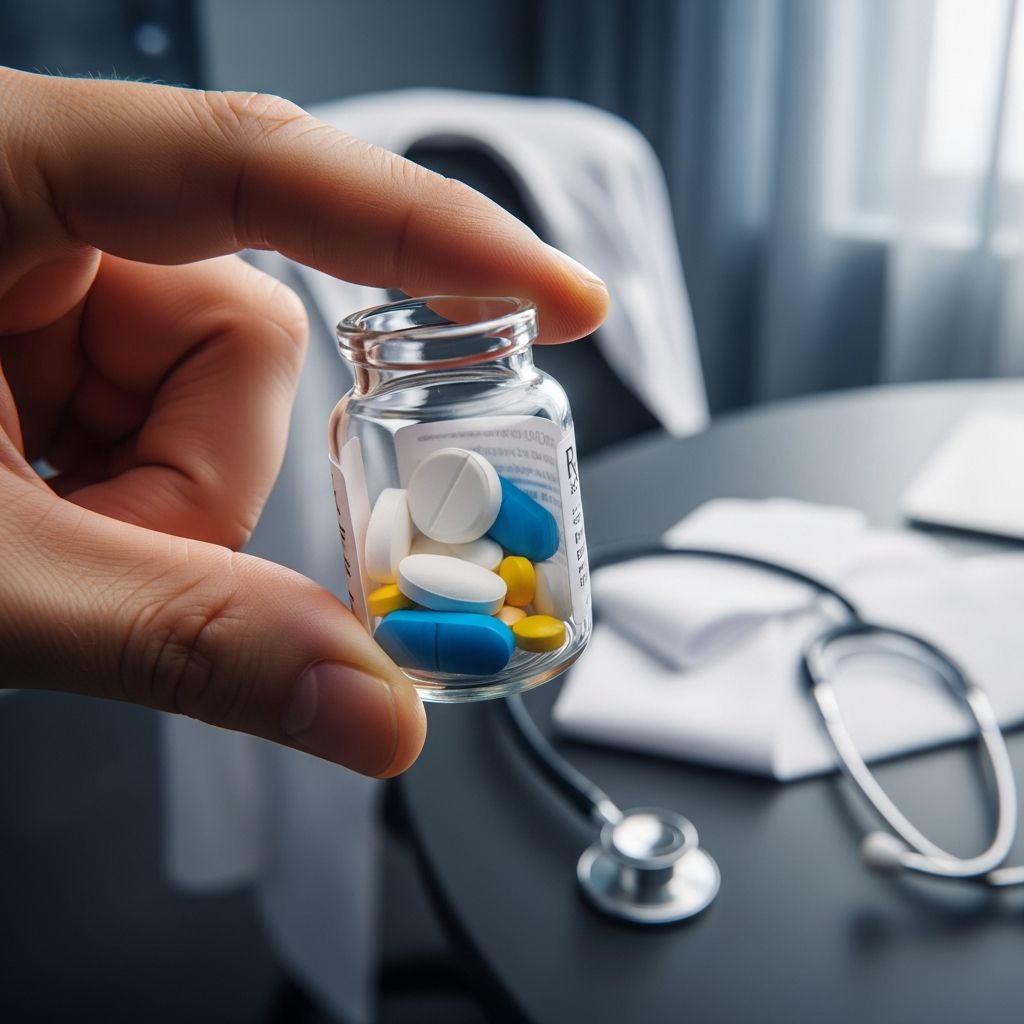
Determining whether a prescribed medication is delivering the intended results is a critical aspect of managing your health. Patients often start a new drug with hope for relief, but without clear indicators, it’s easy to wonder if it’s making a difference. This comprehensive guide explores practical strategies to evaluate medication performance in everyday life, drawing from established clinical principles.
Understanding Medication Efficacy vs. Real-World Effectiveness
Medications undergo rigorous testing in controlled environments to prove
efficacy
, which measures how well they work under ideal conditions, such as in clinical trials with selected participants. However,effectiveness
assesses performance in routine practice, factoring in diverse patient lifestyles, adherence issues, and co-existing conditions. Recognizing this distinction empowers you to monitor outcomes beyond lab results.For instance, a drug might show strong efficacy in trials but vary in real-world impact due to factors like diet or stress. Clinical guidelines emphasize tracking patient-centered outcomes to bridge this gap.
Key Indicators That Your Medicine Is Working
Observe these primary signs to gauge progress:
- Symptom Relief: Reduced pain, fewer episodes of illness, or eased breathing signal success.
- Improved Daily Function: Better sleep, increased energy, or enhanced mobility indicate functional gains.
- Stable Lab Results: Normalized blood pressure, cholesterol, or glucose levels from tests.
- Fewer Complications: Decreased frequency of related health events, like migraines or infections.
- Enhanced Quality of Life: Greater ability to work, exercise, or enjoy hobbies.
These align with health outcome measures in trials, prioritizing objective and subjective improvements. Track changes over 2-4 weeks, as many drugs need time to build up.
Tools and Methods for Tracking Medication Progress
Systematic monitoring enhances accuracy. Use these approaches:
- Daily Journals: Log symptoms, dosage times, and side effects with ratings (e.g., pain scale 1-10).
- Wearable Devices: Track steps, heart rate, or sleep via apps for objective data.
- Apps and Software: Tools like medication trackers remind doses and chart mood/energy.
- Home Monitoring Kits: Blood pressure cuffs or glucose meters for chronic conditions.
| Method | Best For | Frequency | Example Tools |
|---|---|---|---|
| Symptom Diary | Pain, mood disorders | Daily | Notebook or app like Daylio |
| Wearables | Activity, heart health | Continuous | Fitbit, Apple Watch |
| Lab Tests | Chronic diseases | Weekly/Monthly | Home kits or clinic visits |
| Quality of Life Scales | Overall well-being | Weekly | SF-36 questionnaire |
Such tools mirror digital endpoints in modern trials, providing precise, patient-relevant data.
Common Conditions and Expected Medication Responses
Hypertension Management
For blood pressure drugs, expect readings below 130/80 mmHg within 4-6 weeks. Monitor at home twice daily.
Diabetes Control
Insulin or oral meds should stabilize A1C under 7% and daily glucose 70-130 mg/dL. Log meals and readings.
Pain and Inflammation Relief
NSAIDs or opioids reduce pain scores by 30-50% in days. Note activity tolerance increases.
Mental Health Treatments
Antidepressants improve mood in 4-8 weeks; track via validated scales like PHQ-9.
These timelines stem from phase II/III trial data, where effectiveness is gauged by sustained improvements.
Red Flags: When Medications Aren’t Delivering Results
Related Stories



If no progress after recommended time, consider:
- No Symptom Change: Persistent core issues despite adherence.
- Worsening Health: New or intensified symptoms.
- Severe Side Effects: Outweighing benefits, like nausea halting use.
- Inconsistent Readings: Lab values not budging.
Contact your doctor promptly. Factors like incorrect dosing or interactions may be at play.
Role of Healthcare Providers in Evaluation
Regular check-ins are vital. Share your tracking data during visits. Providers may order tests or adjust regimens based on effectiveness criteria, ensuring real-world applicability. Discuss adherence barriers openly for tailored solutions.
Lifestyle Factors Influencing Medication Success
Drugs work best alongside healthy habits:
- Diet and exercise amplify cardiovascular meds.
- Sleep hygiene boosts mental health treatments.
- Avoiding alcohol enhances liver-processed drugs.
Trials show combined approaches yield superior effectiveness.
Advanced Monitoring: Digital and Patient-Reported Outcomes
Emerging tech like accelerometers quantifies mobility gains in conditions like arthritis, offering precise insights beyond self-reports. Patient-reported outcomes (PROs) capture subjective benefits, increasingly prioritized in approvals.
Frequently Asked Questions (FAQs)
How long should I wait to see if a medication works?
Typically 2-8 weeks, depending on the drug. Acute issues may improve faster; chronic ones take longer.
What if I miss doses—does it affect evaluation?
Yes, poor adherence skews results. Aim for 80%+ compliance and note lapses in your log.
Can over-the-counter drugs interfere?
Absolutely; inform your doctor of all supplements to avoid reduced efficacy.
Is weight gain a sign it’s not working?
Not always—some meds cause it as a side effect. Track overall health metrics.
When should I seek emergency help?
If severe reactions like chest pain or swelling occur immediately.
Empowering Yourself for Better Health Outcomes
By actively monitoring, you partner in your care, optimizing treatments for peak effectiveness. Consistent tracking not only confirms benefits but also flags issues early, leading to personalized adjustments.
References
- How To Measure What Matters in Clinical Trials – ObvioHealth — ObvioHealth. 2023. https://www.obviohealth.com/resources/measure-what-matters-playbook
- Methods – Criteria for Distinguishing Effectiveness From Efficacy — NCBI Bookshelf. 2009-05-28. https://www.ncbi.nlm.nih.gov/books/NBK44028/
- Efficacy & Effectiveness In Clinical Trials – The Sponsor’s Guide — Conquest Research. 2023. https://conquestresearch.com/blog/efficacy-effectiveness-in-clinical-trials/
- Criteria for Distinguishing Effectiveness From Efficacy Trials — NCBI Bookshelf. 2009-05-28. https://www.ncbi.nlm.nih.gov/books/NBK44024/
- Evaluating Medication Effectiveness and Safety – Drugs — MSD Manuals. 2025. https://www.msdmanuals.com/home/drugs/overview-of-medications/evaluating-medication-effectiveness-and-safety
- Drug Efficacy: Leveraging the Right Data — Claritas Rx. 2023. https://www.claritasrx.com/thought-leadership/track-the-right-data/
- Providing Clinical Evidence of Effectiveness for Human Drug and Biological Products — FDA. 2020-05-31. https://www.fda.gov/files/drugs/published/Providing-Clinical-Evidence-of-Effectiveness-for-Human-Drug-and-Biological-Products..pdf
Similar Articles








Read full bio of Sneha Tete