Astaxanthin Benefits: 7 Science-Backed Health Boosts
Discover the powerful antioxidant astaxanthin and its benefits for skin, eyes, heart, brain, and overall health backed by science.
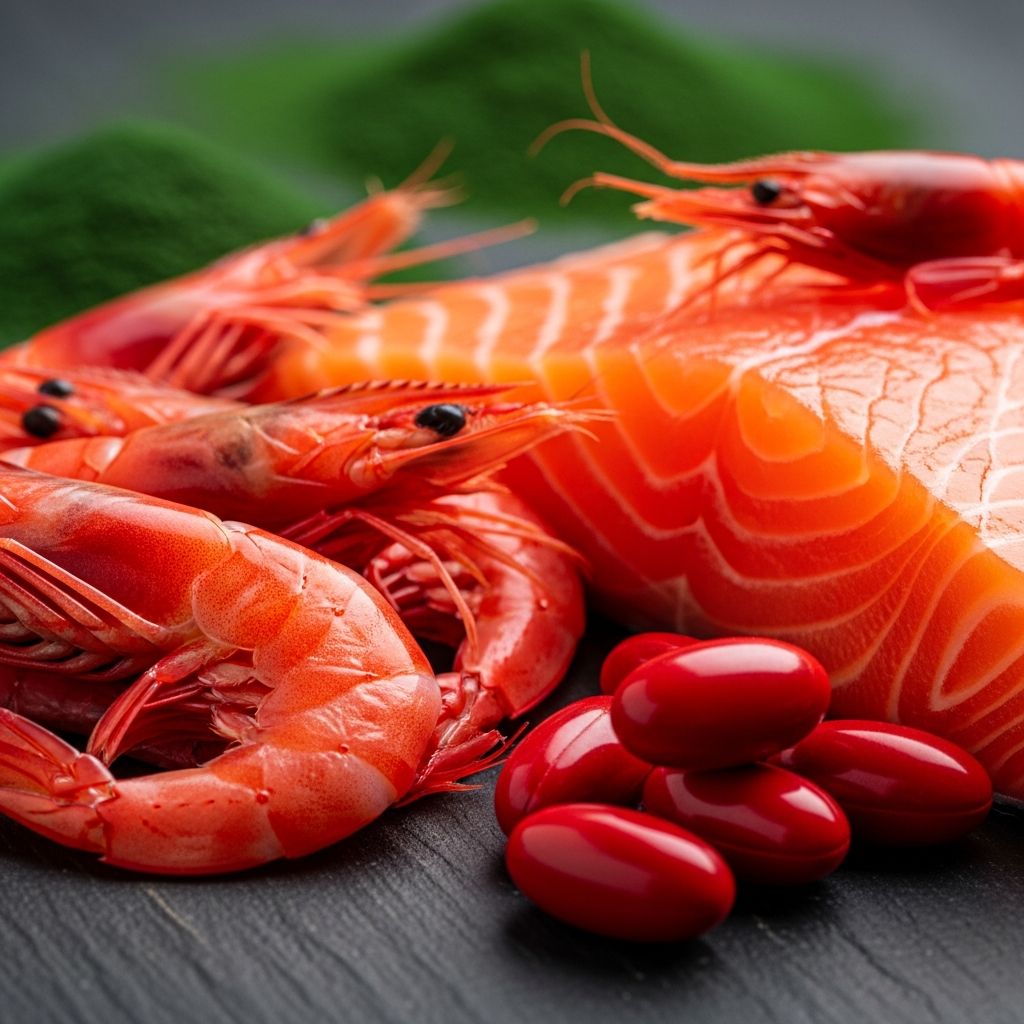
Astaxanthin is a potent carotenoid antioxidant found naturally in certain seafood like salmon and krill, renowned for its ability to neutralize free radicals and combat oxidative stress more effectively than many other antioxidants. Research highlights its role in supporting skin health, eye function, cardiovascular wellness, cognitive performance, immune response, and exercise recovery, making it a valuable nutraceutical for overall health.
What Is Astaxanthin?
Astaxanthin belongs to the carotenoid family, fat-soluble pigments responsible for the pinkish-red color in algae, salmon, trout, krill, and shrimp. Unlike other carotenoids such as beta-carotene, astaxanthin uniquely spans cell membranes, providing protection against oxidative damage both inside and outside cells. Its antioxidant capacity surpasses that of vitamin E by up to 100 times against lipid peroxidation and exceeds beta-carotene in quenching singlet oxygen.
Produced primarily by the microalgae Haematococcus pluvialis, astaxanthin accumulates in the food chain through seafood consumption. Natural astaxanthin (NAT-AX) in esterified form demonstrates superior bioavailability and efficacy compared to synthetic versions, with studies showing 14-90 times greater antioxidant activity. This makes dietary sources or supplements from natural origins preferable for human health benefits.
7 Science-Backed Astaxanthin Benefits
Extensive research, including randomized clinical trials and preclinical studies, supports astaxanthin’s multifaceted health benefits. Below are key evidence-based advantages.
1. Supports Skin Health
Astaxanthin excels in protecting skin from UV-induced damage, reducing wrinkles, improving elasticity, and enhancing moisture retention. It accumulates in the epidermis and dermis, blocking UV penetration and mitigating oxidative stress that leads to photoaging.
In clinical trials, 6-12 mg daily doses over 12 weeks reduced transepidermal water loss, suppressed inflammatory cytokines from keratinocytes, and decreased matrix metalloproteinase-1 secretion by fibroblasts, preserving collagen and preventing damage. Participants reported smoother, more hydrated skin with fewer wrinkles. A review of 12 randomized trials confirmed reduced oxidative stress biomarkers like malondialdehyde.
2. Supports Eye Health
As a potent scavenger of reactive oxygen species (ROS), astaxanthin protects retinal cells from oxidative damage, potentially benefiting conditions like age-related macular degeneration and dry eye. It improves blood flow to the retina and reduces inflammation.
Studies show it crosses the blood-retinal barrier, enhancing visual acuity and reducing eye fatigue. Preclinical data indicate neuroprotective effects against light-induced retinal damage.
3. Supports Heart Health
Astaxanthin promotes cardiovascular function by lowering LDL cholesterol oxidation, raising HDL levels, reducing triglycerides, and improving blood pressure. It enhances mitochondrial energy production in heart muscle for stronger contractions.
Clinical evidence demonstrates normalized lipid profiles in healthy seniors and reduced inflammatory markers. Its anti-ischemic properties protect against heart tissue damage.
4. Supports Brain Health
Astaxanthin’s ability to cross the blood-brain barrier makes it uniquely suited for neuroprotection. It combats oxidative stress and neuroinflammation linked to Alzheimer’s, Parkinson’s, and cognitive decline.
Related Stories



Human trials with 6-12 mg daily for 12 weeks lowered phospholipid hydroperoxides in dementia patients and improved antioxidant status. Animal models show protection against ischemia-induced brain damage and neuronal cell death. A 2024 review links it to slowed neurodegeneration and preserved cognitive function.
5. Reduces Inflammation
By neutralizing ROS and suppressing pro-inflammatory proteins, astaxanthin alleviates chronic inflammation associated with arthritis, diabetes, and heart disease. It modulates immune responses without over-suppression.
Trials confirm decreased C-reactive protein (CRP) and enhanced natural killer (NK) cell activity.
6. Boosts Immunity
Astaxanthin activates T-cells and NK cells, enhancing defense against infections while balancing overactive responses. Eight-week supplementation increased NK cell activity, reduced DNA damage, and boosted T- and B-cell counts.
7. Improves Exercise Performance and Recovery
Athletes benefit from astaxanthin’s fatigue resistance, muscle protection from exercise-induced ROS, and faster recovery. It improves endurance, reduces lactic acid buildup, and mitigates post-exercise inflammation.
How to Take Astaxanthin: Dosage and Safety
Typical dosages range from 4-12 mg daily, with 6-12 mg showing efficacy in most trials for skin, eye, and cognitive benefits. Higher doses (20 mg+) amplify antioxidant effects but consult a healthcare provider, especially if pregnant, breastfeeding, or on medications.
Safe for long-term use up to 12 weeks in studies, natural sources are recommended over synthetic due to superior efficacy. Take with fats for optimal absorption as it’s fat-soluble. Side effects are rare but may include mild stomach upset at high doses.
| Dosage | Benefit Focus | Study Duration |
|---|---|---|
| 4-6 mg/day | Skin health, eyes | 8-12 weeks |
| 6-12 mg/day | Brain, heart, inflammation | 12 weeks |
| 12-20 mg/day | Exercise, high oxidative stress | 3-12 weeks |
Astaxanthin-Rich Foods and Supplements
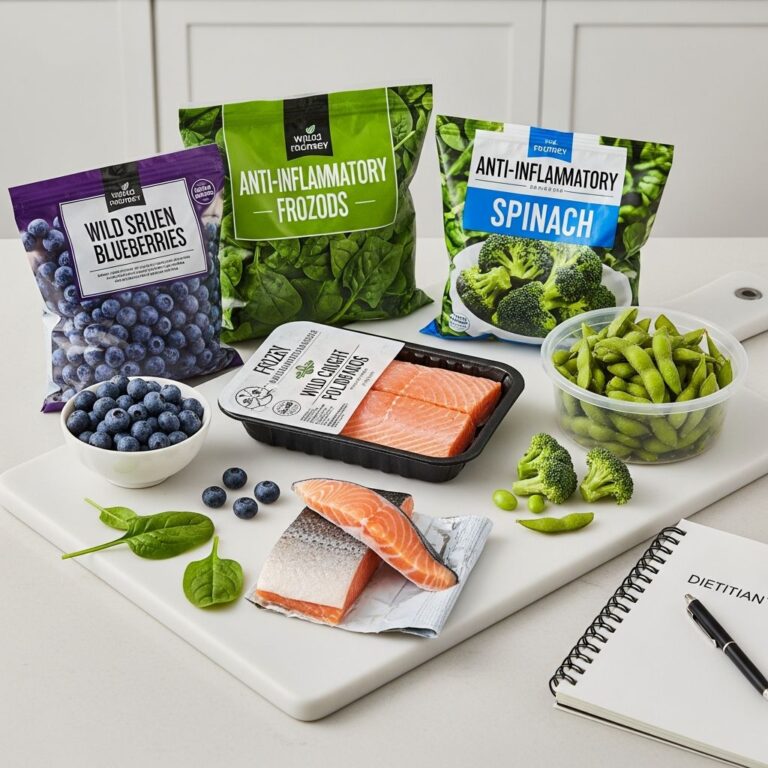
- Wild Pacific Salmon: 3-4 mg per 4 oz serving, richest source.
- Trout and Krill: 0.5-2 mg per serving.
- Shrimp and Red Algae: Smaller amounts; microalgae supplements provide concentrated natural astaxanthin.
Supplements from Haematococcus pluvialis offer 4-12 mg doses with high bioavailability. Prefer natural esterified forms.
Side Effects and Precautions
Generally recognized as safe (GRAS) by the FDA. Rare effects include orange stool tint from high intake or allergic reactions in shellfish-sensitive individuals (if from krill). No toxicity up to 40 mg/day in trials. Drug interactions minimal, but monitor with blood thinners.
Frequently Asked Questions (FAQs)
What is astaxanthin good for?
Astaxanthin supports skin anti-aging, eye health, heart function, brain protection, inflammation reduction, immunity, and exercise recovery through powerful antioxidant action.
Is astaxanthin better than vitamin C?
Astaxanthin is 6,000 times stronger than vitamin C in quenching singlet oxygen and spans cell membranes for broader protection.
How long does it take for astaxanthin to work?
Benefits for skin and eyes appear in 4-8 weeks; cognitive and heart effects in 12 weeks of consistent 6-12 mg dosing.
Can astaxanthin reverse aging?
It combats oxidative damage and inflammation driving aging but doesn’t reverse it; it promotes healthy aging.
Is astaxanthin safe daily?
Yes, 4-12 mg daily is safe long-term per clinical data.
References
- Health Benefits of Astaxanthin — WebMD. 2023. https://www.webmd.com/diet/health-benefits-astaxanthin
- Dietary astaxanthin: an excellent carotenoid with multiple health benefits — Taylor & Francis (Comprehensive Reviews in Food Science and Food Safety). 2021-10-26. https://www.tandfonline.com/doi/full/10.1080/10408398.2021.1983766
- The Role of Astaxanthin as a Nutraceutical in Health and Age-Related Conditions — PMC (Nutrients). 2022-10-28. https://pmc.ncbi.nlm.nih.gov/articles/PMC9655540/
- Astaxanthin: Sources, Extraction, Stability, Biological Activities and Its Commercial Applications — PMC (Marine Drugs). 2014-02-28. https://pmc.ncbi.nlm.nih.gov/articles/PMC3917265/
- Astaxanthin sources: Suitability for human health and nutrition — Functional Foods in Health and Disease. 2018. https://ffhdj.com/index.php/ffhd/article/view/584
- Astaxanthin: Benefits, natural sources, and more — Medical News Today. 2024. https://www.medicalnewstoday.com/articles/astaxanthin
Similar Articles








Read full bio of medha deb