Asteatotic Eczema: Essential Guide To Relief And Prevention
Understanding asteatotic eczema: causes, symptoms, treatment, and prevention of dry, cracked skin.
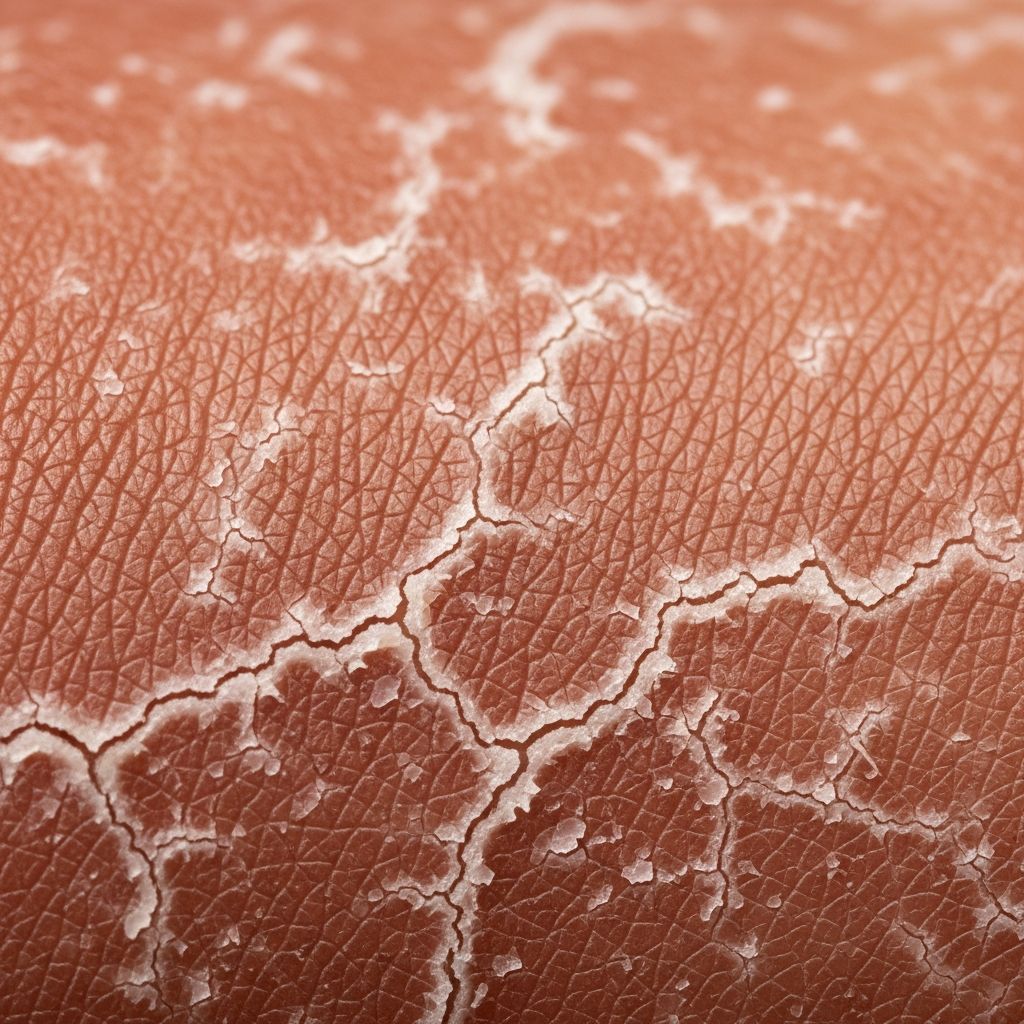
Asteatotic eczema, also known as
xerotic eczema
oreczema craquelé
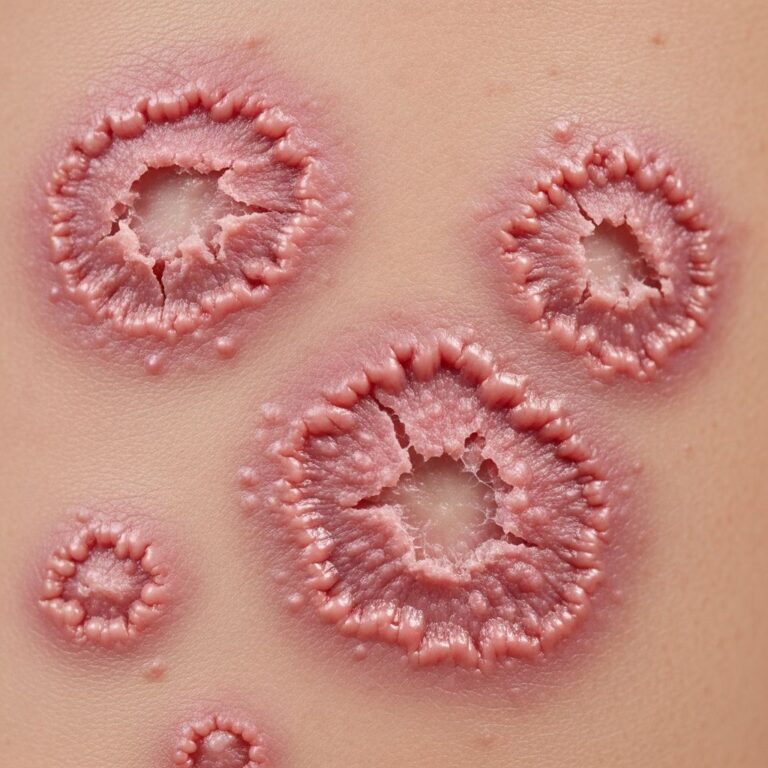
, is a common inflammatory skin condition characterized by extremely dry, itchy, and cracked skin that resembles the pattern of dried riverbeds or cracked porcelain. It primarily affects the lower legs but can occur on the arms, thighs, and trunk. This condition arises from excessive water loss from the skin’s outermost layer, the stratum corneum, leading to a damaged skin barrier.Predominantly seen in older adults over 60, asteatotic eczema flares during winter months due to low humidity and dry indoor heating. While not life-threatening, it causes significant discomfort, itching, and risk of secondary infections if fissures deepen. Early intervention with hydration-focused treatments prevents progression.
What is asteatotic eczema?
Asteatotic eczema develops when the skin loses its natural moisture-retaining ability. The term “asteatotic” refers to the deficiency of skin oils (sebum), while “craquelé” describes the fine, net-like cracking pattern. Unlike atopic eczema, it lacks a strong allergic component and stems directly from environmental and age-related dryness.
The skin’s barrier function relies on lipids and ceramides that lock in water. When disrupted, transepidermal water loss (TEWL) accelerates, causing xerosis (abnormal dryness), scaling, and inflammation. In severe cases, cracks extend into deeper layers, inviting bacterial entry.
- Common in elderly due to reduced sebaceous gland activity.
- Seasonal: Peaks in cold, low-humidity climates.
- Distinct from other eczemas by its geometric cracking.
Who gets asteatotic eczema?
Asteatotic eczema most commonly affects individuals over age 60, with prevalence increasing with age as skin produces less oil and sweat. Women may be slightly more prone due to thinner skin post-menopause. Those in cold, dry environments or using central heating face higher risk.
Risk factors include:
- Aging skin: Decreased sebum and sweat gland function impairs moisture retention.
- Environmental dryness: Winter air, low humidity (<30%), high altitudes, or air-conditioned rooms.
- Frequent bathing: Hot showers or baths strip natural oils.
- Harsh products: Soaps, detergents with sulfates or fragrances.
- Medications: Diuretics, retinoids, protein kinase inhibitors reduce skin hydration.
- Health conditions: Hypothyroidism, nutritional deficiencies (zinc, essential fatty acids).
- Friction: From tight clothing or rubbing.
It rarely affects children and is not typically hereditary like atopic dermatitis.
Signs and symptoms of asteatotic eczema
Symptoms begin with intense
dryness
anditching
(pruritus), often called “winter itch.” Skin becomes taut, then develops fine white scaling. As it worsens, polygonal cracks form in a “crazy paving” or fish-scale pattern, most visible on shins.| Stage | Symptoms |
|---|---|
| Mild | Dry, rough skin; mild itch; fine scaling. |
| Moderate | Redness, deeper cracks, intense itching, soreness. |
| Severe | Erythema (redness), oozing, crusting, pain; risk of infection. |
Primary sites: Pretibial lower legs (80% of cases), but can spread to arms, hands, trunk. Itching worsens at night, disrupting sleep. Complications include secondary bacterial infection (impetigo), cellulitis, or ulceration in legs with poor circulation.
Diagnosis of asteatotic eczema
Diagnosis is clinical, based on history and characteristic appearance—no biopsy usually needed. Dermatologists rule out differentials like stasis dermatitis, contact dermatitis, or scabies via patch testing if needed.
- History: Onset in winter, age >60, bathing habits, medications.
- Exam: Dry, cracked skin in geometric pattern; no vesicles (unlike dyshidrotic eczema).
- Investigations: Rarely, swab for infection; blood tests for zinc/thyroid if systemic signs.
Related Stories



Treatment of asteatotic eczema
Treatment centers on
restoring the skin barrier
with emollients as first-line. Avoid triggers to prevent flares. Most cases resolve in weeks with consistent care.Emollients and moisturizers
Apply thick, ointment-based products (e.g., petroleum jelly, ceramide creams) twice daily and immediately post-bath. These occlude water loss, reducing symptoms by up to 50%. Avoid lotions (high water content worsens dryness).
- Petrolatum-based ointments.
- Ceramide or urea-containing creams (5-10% urea for scaling).
- Apply to damp skin for better absorption.
Bathing and skincare
Short (5-10 min), lukewarm showers with soap-free syndets or emollient washes. Pat dry; moisturize within 3 minutes.
- Use humidifiers to maintain 40-60% indoor humidity.
- Wear cotton clothing; avoid wool/synthetics.
Topical medications
For inflammation: Mild topical corticosteroids (e.g., hydrocortisone 1%) twice daily for 1-2 weeks. Stronger (betamethasone) for severe flares, under supervision.
- Calcineurin inhibitors (tacrolimus) for steroid-sparing.
- Antibiotics if infected (e.g., mupirocin).
Other therapies
Wet wraps for severe cases; oral antihistamines for itch. Address underlying issues (e.g., optimize diuretics).
Prevention of asteatotic eczema
Proactive measures reduce recurrence:
- Daily emollient use year-round.
- Humidify air in winter.
- Gentle cleansing; no hot water.
- Protect skin from cold/wind with gloves/stockings.
- Diet: Omega-3s, hydration support barrier.
- Monitor medications with doctor.
Outlook for asteatotic eczema
With treatment, symptoms improve rapidly (days to weeks). Flares recur seasonally but lessen with prevention. Chronic cases in elderly may persist but are manageable. Seek care for infection signs (pus, fever).
Frequently Asked Questions
Is asteatotic eczema contagious?
No, it is not infectious or contagious; it’s due to dryness, not pathogens.
Can asteatotic eczema be cured?
Not cured, but fully controllable with moisturizers and lifestyle changes. Most flares resolve quickly.
What does asteatotic eczema look like?
Dry, red, cracked skin in a net-like pattern, often on shins, resembling parched earth.
How long does asteatotic eczema last?
1-4 weeks with treatment; prevention minimizes duration.
Does asteatotic eczema affect children?
Rarely; it primarily impacts older adults.
References
- Asteatotic Eczema: Causes, Symptoms, and Treatment Options — GoodRx. 2023. https://www.goodrx.com/health-topic/dermatology/asteatotic-eczema
- Asteatotic Eczema: Symptoms, Causes & Fast Relief Inside — Hightower Clinical. 2024. https://hightowerclinical.com/blogs/asteatotic-eczema/
- Asteatotic Eczema – StatPearls — NCBI Bookshelf. 2023-10-15. https://www.ncbi.nlm.nih.gov/books/NBK549807/
- Asteatotic Eczema: Pictures, Causes, and Treatments — MyEczemaTeam. 2024. https://www.myeczemateam.com/resources/asteatotic-eczema-what-you-need-to-know
- Asteatotic eczema: Symptoms, causes, and treatment — Medical News Today. 2023-11-20. https://www.medicalnewstoday.com/articles/asteatotic-eczema
- Understanding Asteatotic Eczema — Indiana University School of Medicine. 2024. https://dermatrials.medicine.iu.edu/blogs/understanding-asteatotic-eczema
- Asteatotic Eczema – DermNet — DermNet NZ. 2025. https://dermnetnz.org/topics/asteatotic-eczema
Similar Articles








Read full bio of Sneha Tete