Asthma Causes: Key Triggers And Risk Factors Explained
Uncover the genetic, environmental, and lifestyle factors driving asthma development and flare-ups.
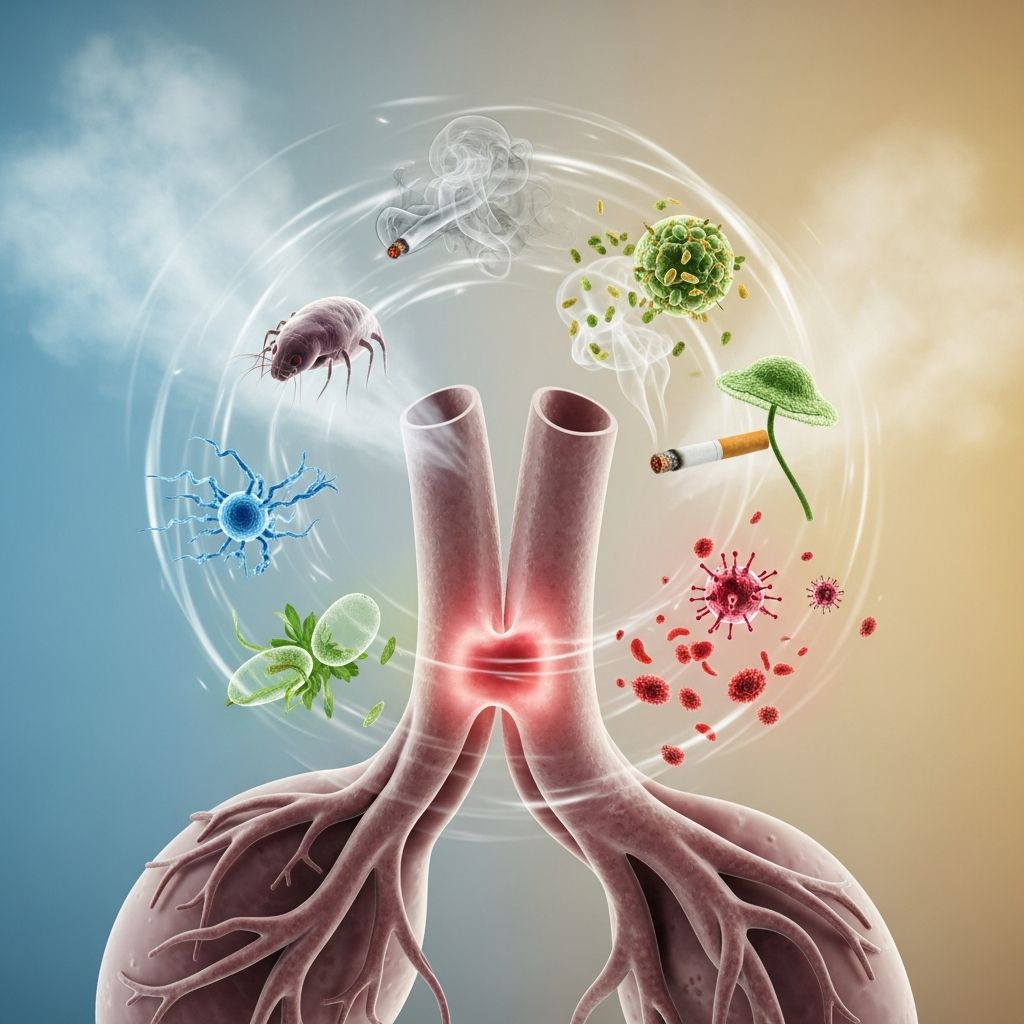
Asthma is a chronic inflammatory lung condition triggered by a combination of genetic, environmental, and lifestyle factors that cause airway inflammation, narrowing, and mucus production, making breathing difficult.
What Is Asthma?
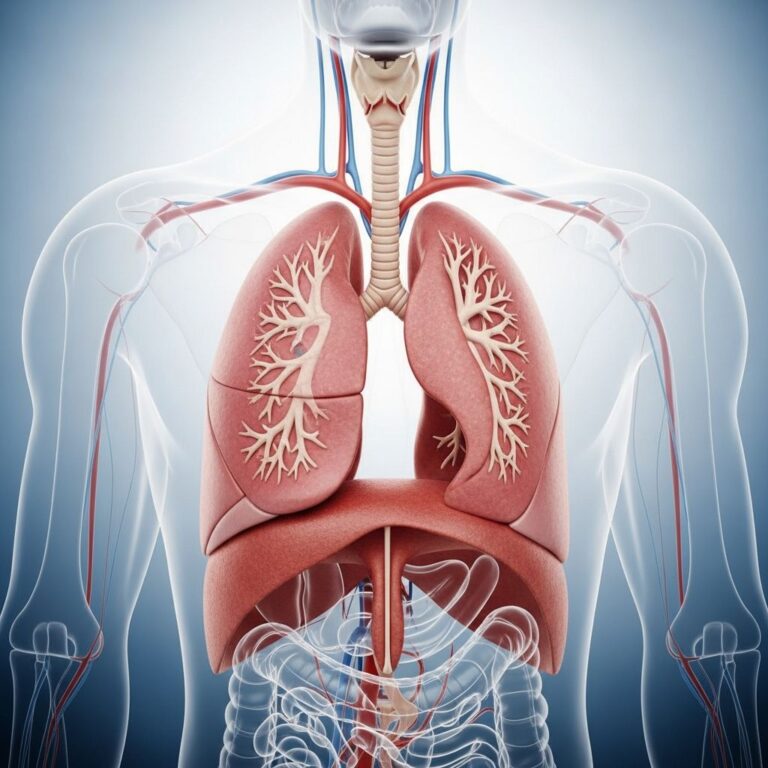
Asthma affects millions worldwide, characterized by recurrent episodes of wheezing, breathlessness, chest tightness, and coughing, particularly at night or early morning. The airways in people with asthma are chronically inflamed and hypersensitive, reacting strongly to various triggers. This leads to bronchospasm—tightening of muscles around the airways—swelling, and excess mucus, obstructing airflow.
Globally, asthma impacts over 260 million people and causes hundreds of thousands of deaths annually, though it’s manageable with proper care. It can develop at any age but often starts in childhood. Symptoms vary in severity; some experience mild intermittent issues, while others face persistent daily challenges or life-threatening attacks.
The exact mechanisms involve an immune response where the body overreacts to harmless substances, releasing chemicals like histamines that inflame the airways. Over time, this chronic inflammation can remodel lung tissue, worsening the condition if untreated.
Symptoms of Asthma
Recognizing asthma symptoms is crucial for early intervention. Common signs include:
- Shortness of breath, especially during physical activity or at rest
- Wheezing—a high-pitched whistling sound when exhaling
- Persistent cough, often worse at night or with colds
- Chest tightness or pressure
Symptoms can flare suddenly during an asthma attack, exacerbated by triggers like exercise, cold air, or infections. Nighttime worsening is common due to circadian rhythms affecting airway tone. In severe cases, status asthmaticus can occur—a prolonged attack unresponsive to standard treatments, risking respiratory failure.
Not all wheezing or coughing indicates asthma; similar symptoms appear in conditions like COPD, heart failure, or vocal cord dysfunction. Diagnosis involves medical history, physical exams, and lung function tests like spirometry.
Genetics and Family History
Asthma has a strong genetic component. If a parent or sibling has asthma, your risk increases significantly—up to 3-6 times higher if one close relative is affected, and even more with both parents.
Specific genes linked to asthma influence immune regulation, airway hyperresponsiveness, and inflammation. For instance, variations in genes like ADAM33 affect airway remodeling, while IL-13 and IL-4 genes promote allergic responses. Twin studies show heritability rates of 35-70%, confirming genetics play a pivotal but not sole role—environmental interactions are key.
Family history of allergies (atopy) also heightens risk, as asthma often clusters with eczema, hay fever, and food allergies in atopic families. Genetic testing isn’t routine for asthma but helps in research and personalized medicine.
Allergies and Atopy
Allergic asthma, the most common type (affecting 50-80% of cases), stems from an exaggerated immune response to allergens. Common culprits include:
- Pollen from trees, grasses, weeds
- House dust mites in bedding and carpets
- Pet dander from cats, dogs
- Mold spores indoors and outdoors
- Cockroach allergens in urban homes
When inhaled, these trigger IgE antibody production, releasing mast cell mediators that inflame airways. Skin prick tests or blood IgE levels confirm allergies. Allergen immunotherapy (shots or tablets) can reduce sensitivity over time.
Related Stories



Environmental Triggers and Irritants
Environmental factors are major asthma contributors, especially in urban areas where prevalence is higher due to pollution and lifestyle changes.
Air Pollution: Outdoor pollutants like ozone, nitrogen dioxide, and particulate matter (PM2.5) irritate airways, increasing oxidative stress and inflammation. Traffic-related air pollution near residences raises childhood asthma risk by 20-30%. Indoor pollution from secondhand tobacco smoke, wood stoves, and cooking fumes is equally harmful, particularly for infants.
Occupational Exposures: Work-related asthma affects 15-20% of adults, triggered by chemicals (isocyanates in paints), dusts (flour in bakers), or fumes (welding). Prevention involves ventilation and protective gear.
Climate and Weather: Cold, dry air provokes bronchospasm; thunderstorms disperse pollen aggressively, causing epidemic asthma. Climate change worsens this via prolonged pollen seasons and extreme weather.
Respiratory Infections
Viral infections, especially respiratory syncytial virus (RSV) and rhinovirus in early childhood, damage developing airways and sensitize them to future triggers. Up to 90% of asthma exacerbations in kids follow colds.
Severe bronchiolitis in infancy triples later asthma risk. Bacterial infections like Chlamydia pneumoniae may contribute to adult-onset asthma. Frequent antibiotics in childhood disrupt gut microbiome, potentially skewing immune development toward atopy.
Obesity and Lifestyle Factors
Obesity increases asthma risk by 50% in adults and alters its severity. Excess fat tissue releases pro-inflammatory cytokines (leptin, adiponectin), promoting airway inflammation. Mechanical effects—reduced lung volume and diaphragm function—worsen symptoms.
| Risk Factor | Impact on Asthma | Evidence |
|---|---|---|
| Obesity (BMI >30) | 2-3x higher risk; harder to control | Mechanical + inflammatory effects |
| Low Birth Weight | Impaired lung growth | Early life events |
| Tobacco Exposure | Triggers attacks, worsens severity | Secondhand smoke |
Sedentary lifestyles and poor diet exacerbate risks; weight loss improves control.
Exercise and Physical Activity
Exercise-induced asthma (EIA) affects 40-90% of asthmatics, triggered 5-10 minutes into activity by cooling/drying of airways. Sports like swimming (humid air) are safer than winter running. Pre-exercise warm-ups and inhalers prevent most cases.
Medications and Other Triggers
Drugs like aspirin, NSAIDs, and beta-blockers provoke attacks in 10-20% (aspirin-exacerbated respiratory disease). Stress, GERD, and hormonal changes (e.g., menstrual cycles) also play roles. Sulfites in wine/foods trigger some.
Early Life Events and Perinatal Factors
Prenatal smoke exposure, prematurity (<37 weeks), and low birth weight (<2500g) program lungs for hyperreactivity. Cesarean delivery skips protective vaginal microbiome exposure, raising allergy risk. Breastfeeding offers some protection.
Urbanization and Socioeconomic Factors
Urban living correlates with 20-50% higher asthma rates due to pollution, overcrowding, and poor housing (mold, pests). Low-income groups face disparities in access to care.
Frequently Asked Questions (FAQs)
What causes asthma?
Asthma results from genetic predispositions interacting with environmental triggers like allergens, pollution, infections, and obesity, leading to airway inflammation.
Is asthma genetic?
Yes, family history significantly raises risk, with specific genes influencing immune and airway responses.
Can asthma be prevented?
Not always, but avoiding smoke, allergens, maintaining healthy weight, and breastfeeding reduce risks, especially in high-risk families.
Do all asthmatics have allergies?
No, while 50-80% do, non-allergic asthma is triggered by irritants, infections, or exercise.
How does obesity cause asthma?
Obesity promotes systemic inflammation and mechanical breathing issues, increasing onset and severity.
References
- Asthma Fact Sheet — World Health Organization. 2024-05-07. https://www.who.int/news-room/fact-sheets/detail/asthma
- Asthma: Types, Causes, Symptoms, Diagnosis & Treatment — Cleveland Clinic. 2025-06-18. https://my.clevelandclinic.org/health/diseases/6424-asthma
Similar Articles








Read full bio of Sneha Tete