Asthma Emergency Response Guide: 6 Essential First-Aid Steps
Master essential steps to manage asthma attacks effectively, recognize severity levels, and ensure timely intervention for better outcomes.
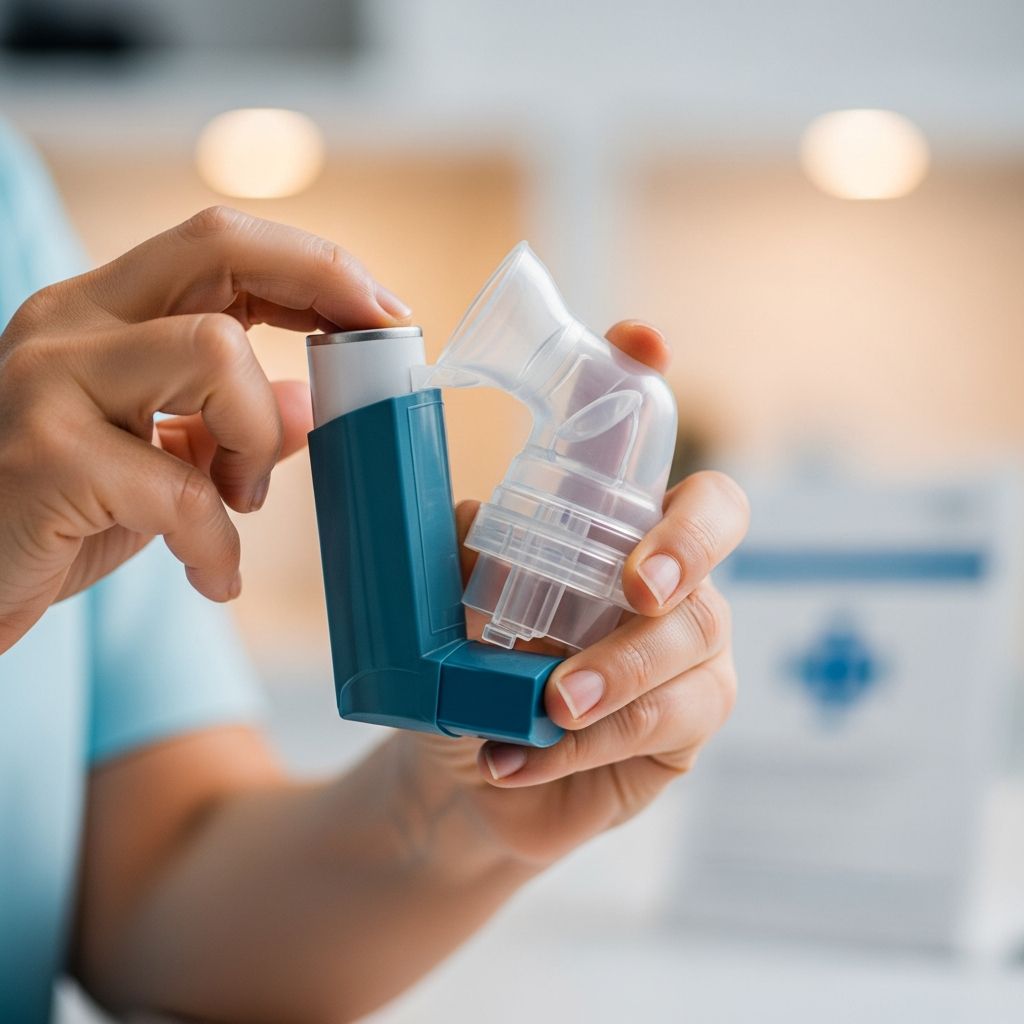
Asthma affects millions worldwide, causing sudden airway narrowing that can escalate into a medical crisis without prompt action. This guide equips you with proven strategies to handle such episodes, drawing from established protocols to prioritize patient safety and recovery.
Understanding Asthma and Its Acute Episodes
Asthma is a chronic condition where airways become inflamed and constricted, often triggered by allergens, exercise, or infections. An acute attack involves rapid symptom worsening, potentially leading to oxygen deprivation if unmanaged. Key indicators include persistent wheezing, rapid breathing, and chest discomfort. Early recognition prevents escalation, as delays can result in hospitalization or worse.
Statistics from health authorities highlight the urgency: severe attacks can impair speech and cause cyanosis (bluish lips). Anyone with asthma, regardless of prior control, risks this. Personalized management plans outline triggers and responses, but general first aid applies universally.
Recognizing the Severity of an Asthma Episode
Quick assessment determines the response intensity. Classify based on these signs:
- Mild: Slight wheezing, manageable with routine inhaler use.
- Moderate: Noticeable shortness of breath, speech in short phrases, elevated respiratory rate.
- Severe: Inability to speak full sentences, extreme distress, exhaustion, or blue-tinged skin—demand immediate ambulance.
Monitor for rapid deterioration: if symptoms persist beyond initial treatment, assume severity. Fear or panic in the patient signals high risk.
Immediate Positioning and Calming Measures
Positioning optimizes airflow. Guide the person to sit upright—leaning slightly forward if needed—to expand the chest cavity. Avoid lying flat, which compresses lungs. Stay present to provide reassurance; anxiety accelerates breathing and worsens constriction.
Encourage slow, deep breaths: inhale through the nose for 4 counts, exhale through pursed lips for 6. This counters hyperventilation. Never leave them alone, as consciousness can falter.
Administering Reliever Medications Effectively
Reliever inhalers (e.g., salbutamol like Ventolin) relax airway muscles swiftly. Follow this protocol:
- Shake the inhaler well.
- If available, attach a spacer for better drug delivery—up to 50% more reaches lungs.
- Administer 4-6 puffs: one puff at a time, followed by 4-6 normal breaths via spacer, or direct inhalation.
- Repeat after 4-6 minutes if no improvement.
For severe cases, continue every 4-6 minutes until help arrives, up to 10-12 puffs. Use the person’s inhaler first; borrow if absent, as relievers rarely harm non-asthmatics. Specific devices vary:
| Inhaler Type | Initial Dose | Severe Dose Protocol |
|---|---|---|
| Ventolin/SalAir (with spacer) | 1 puff, 6 breaths per puff | 6 puffs every 6 minutes |
| Bricanyl | 1 puff, repeat up to 6 | Monitor closely |
| Symbicort/DuoResp | 1 puff initially | Up to 12 puffs daily |
Spacers enhance efficacy, especially for children or shaky hands.
Step-by-Step First Aid Protocol
Employ the structured “ASTHMA” approach for clarity:
- A – Assess severity and symptoms immediately.
- S – Sit upright, reassure calmly.
- T – Treat with reliever: 4 puffs now.
- H – Help by reassessing after 4 minutes; repeat if needed.
- M – Monitor breathing and response continuously.
- A – Activate emergency services if no relief.
If no inhaler: prioritize calm positioning, breathing exercises, and ambulance call without delay.
Related Stories



When to Call Emergency Services Without Hesitation
Dial emergency (111/999/000 depending on region) if:
- Symptoms unchanged after 4-6 minutes of treatment.
- Severe signs: can’t speak, drowsy, or lips blue.
- No inhaler available.
- Attack follows anaphylaxis suspicion.
While waiting, persist with inhaler use. Provide operators with details: asthma history, treatments given, current status.
Managing Without an Inhaler: Temporary Strategies
Inhaler absence heightens risk. Stabilize by:
- Maintaining upright posture.
- Guiding relaxed breathing to reduce panic.
- Loosening tight clothing.
- Summoning help instantly—no substitutes exist for medication.
Prepare ahead: schools/workplaces should stock relievers.
Role of Personalized Asthma Action Plans
Custom plans detail daily meds, peak flow targets, and attack responses. Include:
| Component | Purpose |
|---|---|
| Green Zone | Well-controlled; maintain routine. |
| Yellow Zone | Worsening; increase reliever. |
| Red Zone | Emergency; call ambulance. |
Carry always; share with contacts. Peak flow meters track lung function daily.
Common Triggers and Long-Term Prevention
Avoid sparks like pollen, smoke, colds. Long-term controllers (e.g., corticosteroids) prevent flares. Vaccinations reduce infection risks. Regular check-ups adjust treatments.
First Aid Training and Preparedness
Train via certified courses: learn inhaler techniques, recognition, CPR if collapse occurs. Workplace/school drills save lives. Stock first aid kits with spacers/inhalers.
Frequently Asked Questions (FAQs)
What if the person has never used an inhaler before?
Administer gently; relievers are safe even for non-asthmatics in distress.
Can I give more than 12 puffs?
Follow protocols; excess risks side effects like tremors, but better than untreated attack.
How does a spacer work?
It holds aerosol, allowing multiple breaths per puff for optimal lung deposit.
What if the attack happens at night?
Same steps; have bedside meds/phones ready.
Is CPR ever needed during an attack?
Yes, if unresponsive and not breathing normally after positioning/inhaler.
Building Community Awareness
Educate networks: parents, teachers, coaches. Apps track symptoms; groups offer support. Proactive knowledge transforms bystanders into lifesavers.
Empowerment starts with preparation. Review plans yearly, practice scenarios, stay informed on updates.
References
- Asthma Attack Symptoms & First Aid — St John Ambulance. 2023. https://www.sja.org.uk/first-aid-advice/asthma-attack/
- Guideline 9.2.5 – First Aid for Asthma — Australian and New Zealand Committee on Resuscitation (ANZCOR). 2023. https://www.anzcor.org/home/new-guideline-page-2/guideline-9-2-5-first-aid-for-asthma
- Asthma First Aid — Asthma Foundation. 2022. https://www.asthmafoundation.org.nz/assets/documents/Asthma-First-Aid.pdf
- Asthma First Aid: A Comprehensive Guide — First Aid Pro. 2024. https://www.firstaidpro.com.au/blog/asthma-first-aid-a-comprehensive-guide/
- Asthma – first aid — Healthify NZ. 2023. https://healthify.nz/health-a-z/a/asthma-first-aid
- Asthma Attack: Causes, Symptoms, How To Help — American Red Cross. 2023. https://www.redcross.org/take-a-class/resources/learn-first-aid/asthma-attack
- What to Do When an Emergency Occurs | Asthma — Centers for Disease Control and Prevention (CDC). 2024-02-23. https://www.cdc.gov/asthma/emergency/index.html
Similar Articles








Read full bio of Sneha Tete