Asthma Overview: Symptoms, Causes, Diagnosis & Treatment Guide
Comprehensive guide to asthma: symptoms, causes, diagnosis, treatments, and living well with this chronic lung condition.
Asthma is a chronic respiratory condition affecting millions worldwide, characterized by inflamed and narrowed airways that make breathing difficult. According to the Centers for Disease Control and Prevention (CDC), over 25 million Americans live with asthma, with higher prevalence among children and certain ethnic groups. This comprehensive overview explores what asthma is, its symptoms, underlying causes, diagnostic processes, treatment options, prevention strategies, complications, and tips for living well. Understanding asthma empowers individuals to manage it effectively and reduce flare-ups.
What Is Asthma?
Asthma, derived from the Greek word for ‘panting,’ is a long-term inflammatory disease of the airways. The lungs’ bronchial tubes become inflamed, swollen, and extra sensitive, leading to excess mucus production and muscle tightening around the airways—a process called bronchoconstriction. This causes recurring episodes of wheezing, breathlessness, chest tightness, and coughing, especially at night or early morning.
Asthma varies in severity: mild intermittent affects people a few times a year, while severe persistent requires daily management. It’s not curable but highly controllable with proper care. The World Health Organization (WHO) estimates asthma impacts 262 million people globally, causing 455,000 deaths in 2019, underscoring its public health significance.1
Asthma is classified into types based on triggers: allergic (most common, triggered by allergens), non-allergic (exercise, stress, infections), occupational (workplace irritants), and aspirin-exacerbated respiratory disease (AERD). Each type influences treatment approaches.
Symptoms of Asthma
Asthma symptoms fluctuate, worsening during attacks or exacerbations. Common signs include:
- Wheezing: A high-pitched whistling sound when exhaling, caused by narrowed airways.
- Shortness of breath: Feeling unable to catch breath, especially during activity.
- Chest tightness or pain: Sensation of pressure or constriction in the chest.
- Coughing: Persistent, especially at night, with or without mucus.
Symptoms may be constant or episodic, triggered by specific factors. In children, symptoms mimic other conditions like bronchitis, delaying diagnosis. Severe attacks can lead to cyanosis (bluish lips), confusion, or respiratory failure—medical emergencies.
Peak flow monitoring helps track lung function at home, with drops signaling worsening control.
Causes and Risk Factors of Asthma
Asthma results from a combination of genetic and environmental factors. Key contributors include:
- Genetics: Family history increases risk; specific genes affect immune responses.
- Allergens: Pollen, dust mites, pet dander, mold provoke immune reactions releasing histamines.
- Respiratory infections: Viral illnesses like RSV in infancy can damage airways.
- Environmental irritants: Tobacco smoke, air pollution, chemical fumes irritate lungs.
- Obesity: Excess weight inflames airways and reduces lung capacity.
Other risks: premature birth, eczema, hay fever (atopic march), occupational exposures (e.g., bakers’ asthma from flour). The hygiene hypothesis suggests early microbial exposure protects against allergies, explaining urban vs. rural differences.
Related Stories



How Is Asthma Diagnosed?
Diagnosis starts with medical history and physical exam, focusing on symptom patterns and triggers. Key tests include:
- Spirometry: Measures lung function via forced exhalation into a spirometer; FEV1/FVC ratio <70% indicates obstruction.2
- Peak flow test: Handheld device assesses maximum exhale speed; variability >20% suggests asthma.
- Fractional exhaled nitric oxide (FeNO): Detects airway inflammation via breath test.
- Methacholine challenge: Inhaled agent provokes bronchoconstriction in asthmatics.
- Allergy testing: Skin or blood tests identify triggers.
- Imaging: Chest X-rays rule out other conditions; CT scans rarely used.
Diagnosis is confirmed by symptom improvement post-bronchodilator. Guidelines from the Global Initiative for Asthma (GINA) emphasize objective testing to avoid misdiagnosis.3
Asthma Treatment Options
Treatment aims for control: minimal symptoms, no exacerbations, normal activity. It’s stepwise, escalating based on severity.
Quick-Relief (Rescue) Medications
- Short-acting beta-agonists (SABAs): Albuterol (Ventolin) relaxes airway muscles within minutes; used PRN.
- Anticholinergics: Ipratropium for severe cases.
Long-Term Control Medications
- Inhaled corticosteroids (ICS): Budesonide, fluticasone reduce inflammation; cornerstone therapy.
- Long-acting beta-agonists (LABAs): Combined with ICS (e.g., Symbicort) for moderate-severe asthma.
- Biologics: Omalizumab (Xolair) for allergic asthma; dupilumab for eosinophilic.
- Leukotriene modifiers: Montelukast blocks inflammatory chemicals.
- Theophylline: Oral bronchodilator, less common due to side effects.
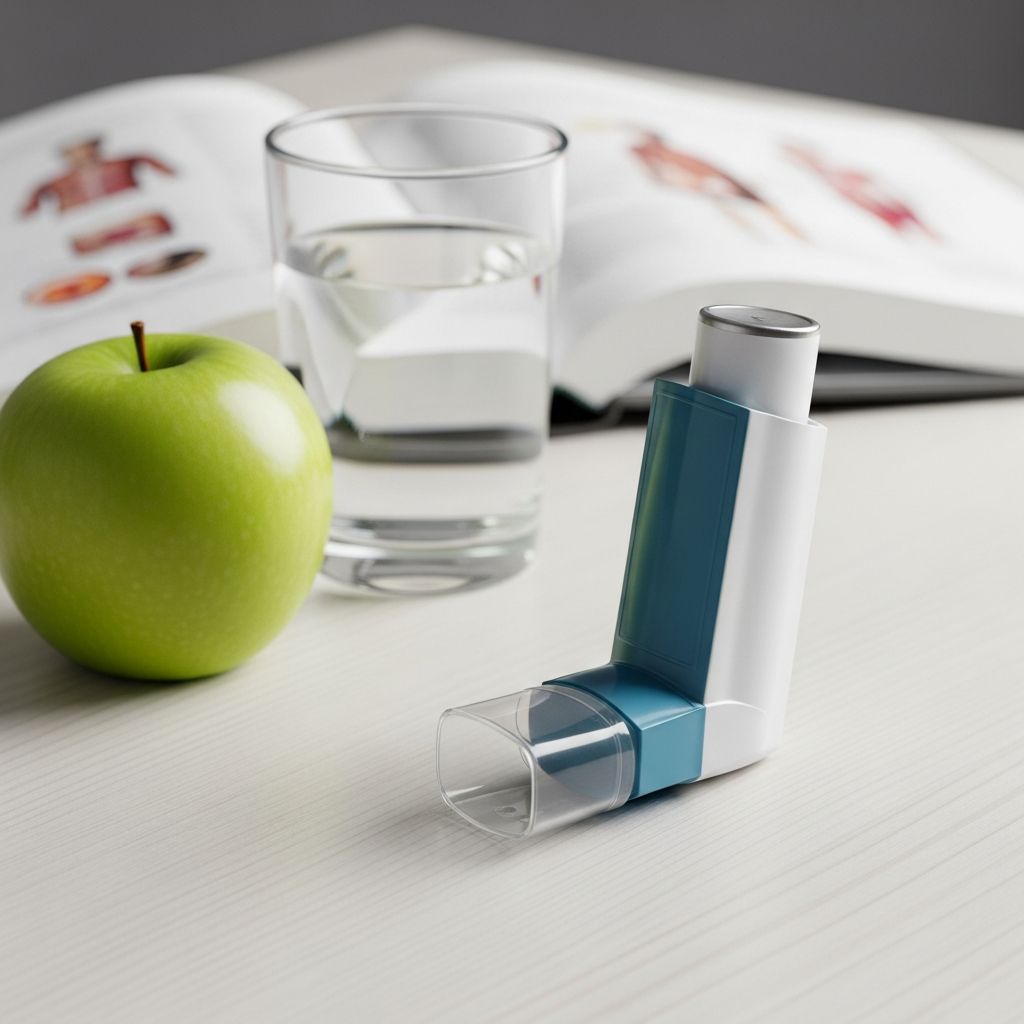
Delivery devices: Metered-dose inhalers (MDIs) with spacers, dry powder inhalers (DPIs), nebulizers. Asthma action plans guide self-management.
Prevention and Management Strategies
Preventing attacks involves trigger avoidance and adherence:
- Allergen control: HEPA filters, encasements, pet-free zones.
- Smoke-free environment: No tobacco or vaping.
- Exercise with pre-medication: Warm-up, use SABA before activity.
- Vaccinations: Flu, pneumococcal, COVID-19 shots.
- Monitor control: Track symptoms, peak flows, refill meds.
Lifestyle: Maintain healthy weight, balanced diet rich in fruits/veggies, stress reduction via yoga. Annual check-ups adjust therapy.
Complications of Uncontrolled Asthma
Poor control risks permanent airway remodeling, reduced lung function, frequent ER visits. Status asthmaticus (life-threatening non-response to treatment) requires ICU care. Comorbidities: GERD, sinusitis, sleep apnea worsen outcomes. Psychosocial impacts include anxiety, missed work/school.
| Severity Level | Daytime Symptoms | Night Symptoms | Lung Function |
|---|---|---|---|
| Mild Intermittent | <2x/week | <2x/month | Normal |
| Mild Persistent | >2x/week | 3-4x/month | Normal |
| Moderate Persistent | Daily | >1x/week | 50-80% predicted |
| Severe Persistent | Constant | Frequent | <60% predicted |
Living with Asthma: Tips for Daily Life
Thriving with asthma means integrating management into routines. Schools/workplaces should have plans; wear medical alerts. Pregnancy requires specialist oversight—most meds safe. Travel prepared with extra meds, avoid high altitudes if severe. Support groups like Asthma and Allergy Foundation of America (AAFA) provide resources.
Frequently Asked Questions (FAQs)
Can asthma be cured?
No, asthma is chronic, but symptoms can be fully controlled with treatment, allowing normal life.
Is asthma contagious?
No, asthma isn’t infectious, though respiratory viruses can trigger attacks.
What foods trigger asthma?
Sulfites in wine/dried fruits, dairy in sensitive individuals; most follow elimination diets under guidance.
Can exercise-induced asthma be prevented?
Yes, warm-ups, pre-exercise inhalers, breathing through nose during cold weather.
Does asthma worsen with age?
It can remit in childhood but often persists or worsens in adults due to comorbidities.
This overview equips you with knowledge for proactive asthma management. Consult healthcare providers for personalized advice.
References
- Asthma Fact Sheet — World Health Organization. 2023-05-10. https://www.who.int/news-room/fact-sheets/detail/asthma
- Asthma: Clinical Information — National Heart, Lung, and Blood Institute (NHLBI), NIH. 2024-02-28. https://www.nhlbi.nih.gov/health/asthma/clinicians
- 2024 GINA Main Report — Global Initiative for Asthma. 2024-06-01. https://ginasthma.org/2024-gina-main-report/
- Data, Statistics, and Surveillance: Asthma — Centers for Disease Control and Prevention (CDC). 2023-11-15. https://www.cdc.gov/asthma/data_statistics.htm
- Asthma Pathogenesis — Journal of Allergy and Clinical Immunology (DOI). 2023-03-01. https://doi.org/10.1016/j.jaci.2022.11.011
Similar Articles








Read full bio of medha deb