Asthma Reliever Medications: 3 Essential Types & Safe Use
Discover essential quick-relief options for asthma symptoms, their uses, types, and safety considerations for effective management.
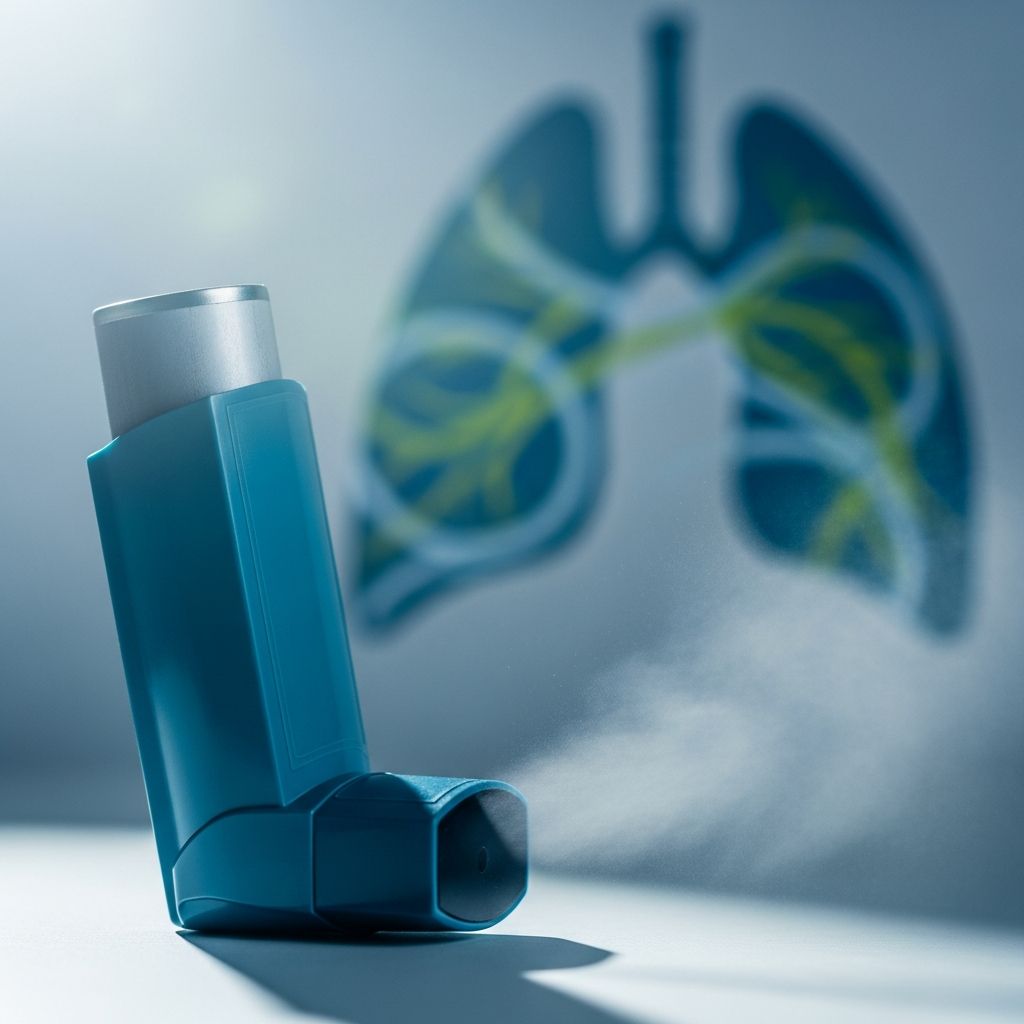
Asthma reliever medications, often called rescue inhalers, are vital tools for managing sudden breathing difficulties. These drugs work rapidly to open narrowed airways, easing symptoms like wheezing, shortness of breath, and chest tightness during an asthma flare-up.
Understanding the Role of Reliever Treatments in Asthma Care
Asthma is a chronic condition causing airway inflammation and constriction, leading to attacks that require immediate intervention. Reliever medicines target the smooth muscles around the airways, relaxing them to restore normal breathing. Unlike controller medications taken daily for prevention, relievers are used only as needed for acute symptoms.
Healthcare providers emphasize that while relievers provide fast relief, over-reliance signals poor asthma control, warranting a review of preventer therapies.
Primary Types of Asthma Reliever Medications
Short-acting bronchodilators dominate as the cornerstone of reliever therapy. Here’s a breakdown:
- Short-Acting Beta-Agonists (SABAs): The most common relievers, such as albuterol (salbutamol), act within minutes to dilate airways, with effects lasting 4-6 hours.
- Short-Acting Muscarinic Antagonists (SAMAs): Like ipratropium, these block nerve signals causing airway tightening, often combined with SABAs for enhanced effect in severe cases.
- Combination Quick-Relief Options: Some formulations pair a SABA or fast-acting LABA like formoterol with a corticosteroid for dual bronchodilation and anti-inflammatory action.
How Reliever Inhalers Function in the Body
Relievers primarily stimulate beta-2 receptors in lung airway muscles, prompting relaxation and widening passages for better airflow. SABAs mimic adrenaline’s effect, rapidly countering bronchospasm.
Inhaled delivery ensures high lung concentrations with minimal systemic absorption, reducing side effects compared to oral forms. Nebulizers convert liquid medicine into mist for those unable to use inhalers effectively, such as young children or during severe attacks.
| Type | Onset of Action | Duration | Common Examples |
|---|---|---|---|
| SABA | 1-5 minutes | 4-6 hours | Albuterol, Salbutamol |
| SAMA | 15-30 minutes | 4-6 hours | Ipratropium |
| Combo (SABA/Steroid) | 1-5 minutes | Up to 12 hours | Budesonide/Formoterol |
Proper Techniques for Using Reliever Inhalers
Effective use maximizes benefits. Key steps include shaking the inhaler, exhaling fully, sealing lips around the mouthpiece, inhaling slowly while actuating, holding breath for 10 seconds, then exhaling.
For dry powder inhalers, inhale forcefully and deeply. Spacers improve delivery by reducing throat deposition. Rinse mouth post-use if combined with steroids to prevent thrush.
- Check dose counter regularly.
- Clean device weekly per instructions.
- Use within expiration date.
Recognizing When to Use Your Reliever
Deploy relievers at first sign of symptoms: cough, wheeze, breathlessness, or peak flow drop below personal best. Standard dose is 1-2 puffs every 4 hours or as advised. For exercise-induced symptoms, use 15-30 minutes prior.
In attacks, follow self-management plan: 4-6 puffs every 20 minutes for up to 4 times if no improvement, then seek emergency care.
Potential Side Effects and Management
While generally safe, relievers can cause:
- Tremors, especially hands.
- Palpitations or fast heartbeat.
- Headache, nervousness.
- Throat irritation or dry mouth.
These are dose-related and transient, more pronounced with oral forms. High use (>2-3 times weekly) indicates need for controller escalation. Rare severe effects like chest pain require immediate medical attention.
Differences Between Relievers and Preventers
Relievers offer symptomatic relief but don’t address underlying inflammation. Preventers (inhaled corticosteroids, LABAs, leukotriene modifiers) reduce attack frequency when used daily.
Related Stories



| Aspect | Reliever | Preventer |
|---|---|---|
| Purpose | Acute symptom relief | Long-term control |
| Frequency | As needed | Daily |
| Examples | Albuterol | Fluticasone, Montelukast |
| Effects | Fast bronchodilation | Anti-inflammatory |
Never use long-acting bronchodilators alone as relievers; they require steroid pairing.
Special Considerations for Vulnerable Groups
Pregnancy
SABAs like albuterol are preferred and considered safe; benefits outweigh risks during attacks.
Children
Age-appropriate devices (nebulizers, spacers) ensure efficacy. Monitor growth with frequent use.
Elderly
Adjust for coordination issues with spacers; watch for cardiac side effects.
Monitoring and Action Plans
Asthma action plans outline green (controlled), yellow (caution: use reliever), red (emergency) zones based on symptoms/peak flow. Track reliever use; exceeding guidelines prompts doctor visit.
Peak flow meters help personalize thresholds.
Storage and Disposal Guidelines
Store at room temperature, away from heat/moisture. Discard after labeled puffs or expiry. Environmental disposal: return to pharmacy take-back programs.
Overuse Risks and When to Seek Help
Frequent reliever need (>2 canisters/year) risks tolerance development and severe attacks. Signs of poor control: nighttime symptoms, activity limits.
Emergency: No relief after 10 puffs, blue lips, confusion—call ambulance.
FAQs
What is the main asthma reliever medicine?
Short-acting beta-agonists like albuterol provide quickest relief.
Can I use reliever inhalers daily?
No, daily use indicates need for preventers; consult your doctor.
Are there alternatives to inhalers?
Nebulizers for severe cases or young children.
What if my reliever doesn’t work?
Follow action plan; seek urgent care if symptoms persist.
Do relievers have steroid content?
Traditional SABAs no; some combos yes for added inflammation control.
Advancements in Reliever Therapy
Smart inhalers track usage via apps, aiding adherence. Maintenance and reliever therapy (MART) with budesonide-formoterol simplifies regimens for mild asthma, using one inhaler for both.
Ongoing research refines delivery for better lung deposition.
References
- Bronchodilators: Asthma, Purpose, Types & Side Effects — Cleveland Clinic. 2023. https://my.clevelandclinic.org/health/treatments/17575-bronchodilator
- Asthma: Learn More – Medication for people with asthma — NCBI/NIH. 2022-10-15. https://www.ncbi.nlm.nih.gov/books/NBK279519/
- Asthma Treatment — Asthma and Allergy Foundation of America. 2024. https://aafa.org/asthma/asthma-treatment/
- Medications for Treating Asthma and Preventing Attacks — Merck Manuals. 2023-05-01. https://www.merckmanuals.com/home/lung-and-airway-disorders/asthma/medications-for-treating-asthma-and-preventing-attacks
- Asthma medications: Know your options — Mayo Clinic. 2024-01-20. https://www.mayoclinic.org/diseases-conditions/asthma/in-depth/asthma-medications/art-20045557
- Reliever Inhalers — Asthma + Respiratory Foundation NZ. 2023. https://www.asthmafoundation.org.nz/your-health/living-with-asthma/asthma-medication/reliever-inhalers
- Asthma – quick-relief drugs — MedlinePlus. 2023-11-05. https://medlineplus.gov/ency/patientinstructions/000008.htm
Similar Articles








Read full bio of Sneha Tete