Asthma Triggers: Complete Guide To Identify And Avoid
Identify and avoid common asthma triggers to prevent flare-ups and improve breathing with expert-backed strategies.
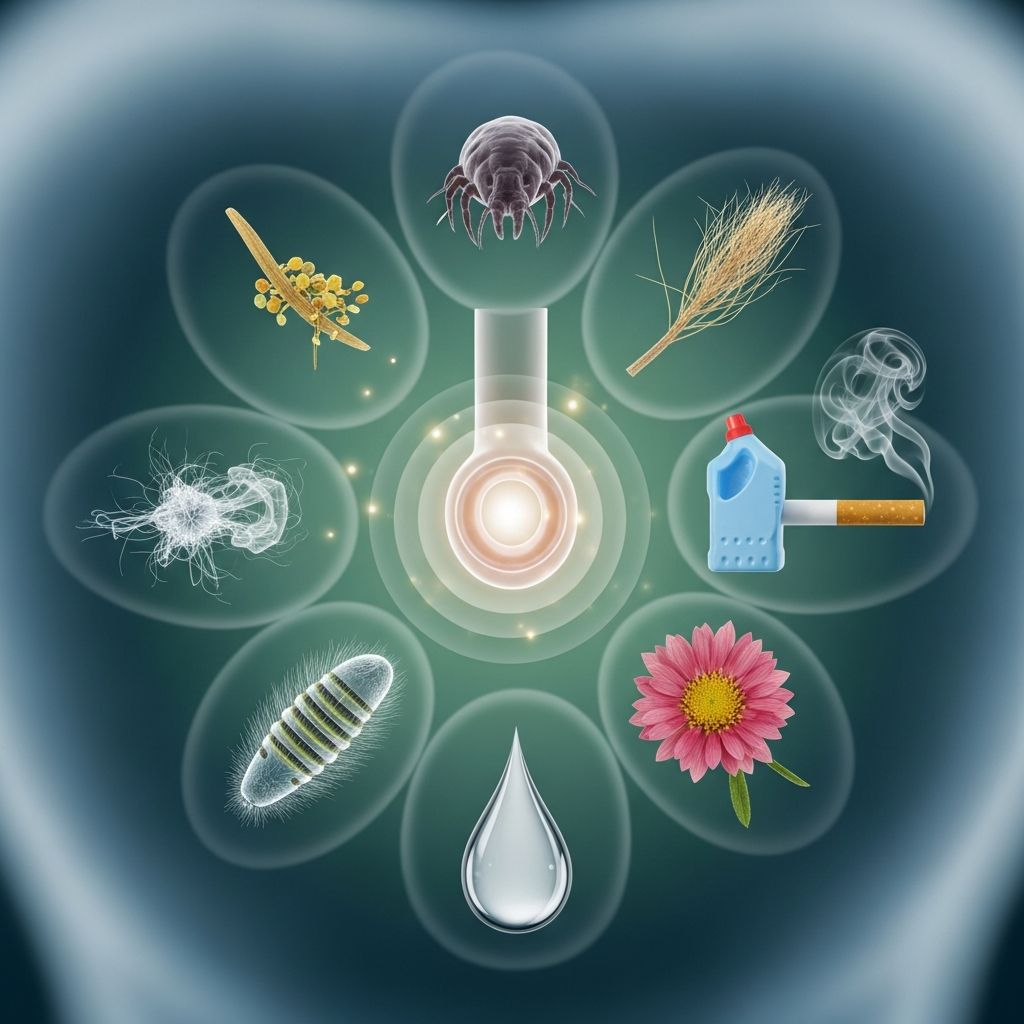
Asthma triggers are substances, activities, or conditions that cause airway inflammation or hyperresponsiveness, leading to symptoms like wheezing, shortness of breath, chest tightness, and coughing. Identifying and avoiding these triggers is essential for preventing flare-ups, reducing medication reliance, and improving daily life for the millions affected by asthma worldwide.
Asthma affects over 25 million people in the U.S. alone, with triggers varying by individual due to the condition’s heterogeneous phenotypes. Common categories include allergens, irritants, medications, weather, infections, emotions, reflux, foods, and exercise. Proactive management through trigger avoidance can significantly cut emergency visits and hospitalizations.
What Is an Asthma Trigger?
An
asthma trigger
is any stimulus that provokes airway inflammation or bronchoconstriction, resulting in asthma symptoms. Triggers differ among patients; what affects one person may not impact another. Allergy testing and symptom tracking help pinpoint personal triggers for tailored management.Triggers act via mechanisms like IgE-mediated allergic responses or direct irritation of hyperreactive airways. For instance, allergens recruit TH2 lymphocytes and eosinophils, while irritants cause non-IgE-dependent hyperreactivity. Early identification empowers patients to modify environments and behaviors effectively.
Common Asthma Triggers
Asthma triggers fall into several key groups. Below is a comprehensive overview based on clinical classifications.
| Category | Examples | Impact |
|---|---|---|
| Allergens | Pollen, pet dander, dust mites, mold, cockroaches | Sensitization leads to IgE activation and inflammation |
| Irritants | Smoke, strong odors, pollutants, cleaning products | Direct airway irritation without allergy |
| Medications | NSAIDs, beta-blockers, aspirin | 5-10% of adults experience worsening |
| Weather | Cold air, humidity changes, storms | Temperature shifts provoke bronchospasm |
| Infections | Colds, flu, sinusitis | Most common cause of flare-ups |
| Emotions | Stress, laughing, crying | Increases breathing rate, triggers symptoms |
| Other | Exercise, reflux, foods | Varied mechanisms including physical exertion |
Allergens
**Allergens** are the most frequent triggers, divided into seasonal (pollen from trees, weeds, grass) and perennial (year-round). Pollen peaks in spring, summer, and fall, exacerbated by high winds or thunderstorms that aerosolize particles.
Perennial allergens include
pet dander
from cats, dogs, birds, and rodents;dust mites
thriving in bedding and upholstery;cockroach droppings
, potent in urban areas; andmold
in damp spaces. Exposure sensitizes airways, causing eosinophilic inflammation upon re-exposure.- Pollen: Monitor counts via apps; stay indoors during peaks, use HEPA filters.
- Pet dander: Keep pets out of bedrooms, bathe weekly, wash hands after contact.
- Dust mites: Encase mattresses in allergen-proof covers, wash bedding in hot water weekly.
- Mold: Fix leaks, use dehumidifiers (<50% humidity), clean with soap and water.
- Cockroaches: Seal entry points, use gel baits (avoid sprays).
Irritants
**Irritants** provoke symptoms without allergy, affecting sensitive airways directly. Indoor sources dominate: tobacco smoke (active/passive), wood stove smoke, perfumes, cleaning fumes, paints, and particulates like chalk dust.
Outdoor irritants include ozone, nitrogen oxides, diesel exhaust, and wildfire smoke. Vehicle emissions compound allergic responses. During pollution alerts, limit outdoor activity.
- Smoke: Quit smoking; implement no-smoking rules indoors. Use exhaust fans for cooking.
- Odors/Fumes: Choose fragrance-free products; ventilate during cleaning.
- Pollutants: Check AQI daily; wear N95 masks in poor air.
Infections
**Respiratory infections** like colds, flu, and sinusitis are the leading cause of asthma exacerbations, especially in children. Viruses inflame airways, heightening reactivity. Prevention: annual flu vaccine, frequent handwashing, avoid sick contacts.
Related Stories



Acid reflux (GERD) also triggers via microaspiration. Manage with elevated head during sleep, antacids if prescribed.
Exercise
**Exercise-induced asthma** affects many, particularly in cold, dry air. Symptoms peak 5-10 minutes post-activity. Pretreat with quick-relief inhaler 15-30 minutes before; warm up gradually, cover mouth in cold weather.
- Low-risk activities: Swimming in chlorinated pools (humid air helps).
- Avoid: High-intensity outdoors in poor conditions.
Weather Changes
**Sudden temperature drops**, high humidity, thunder/lightning (ozone spikes), and strong winds trigger attacks. Hot, humid air worsens pollen impact. Check forecasts; layer clothing, use scarves over mouth.
Medications and Foods
**Medications** like NSAIDs (ibuprofen), aspirin, and beta-blockers worsen symptoms in 5-10% of asthmatics. Consult providers before starting; alternatives exist for pain relief.
**Foods** rarely trigger but include sulfites in wine/dried fruits or allergies like peanuts/shellfish. Track diet-symptom links.
Emotions and Stress
**Strong emotions** (anger, fear, laughing hard) or stress accelerate breathing, provoking bronchospasm. Relaxation techniques like deep breathing, yoga, or therapy help manage.
How to Identify Your Asthma Triggers
Keep a
symptom diary
: Note date, time, location, activities, weather, and exposures when symptoms occur. Use peak flow meters to detect subtle declines. Allergy skin/blood tests confirm sensitivities. Consult pulmonologists for advanced testing like bronchial challenges.Apps and wearables track pollen, AQI, and personal data for patterns.
Tips for Reducing Exposure to Asthma Triggers
- Home Environment: Vacuum weekly with HEPA filters, damp dust, wash floors. Use allergen covers, dehumidifiers.
- Outdoors: Stay inside on high pollen/AQI days; shower/change clothes post-exposure.
- Lifestyle: Quit smoking, get vaccinated, pretreat for exercise.
- Virtual Assessments: Use online tools from lung associations for home trigger audits.
These steps reduce hospitalizations by up to 50% in studies.
Frequently Asked Questions (FAQs)
What are the most common asthma triggers?
The top triggers are respiratory infections, allergens (pollen, pets, dust), irritants (smoke, pollution), and exercise.
Can weather really trigger asthma?
Yes, cold air, humidity shifts, and storms increase symptoms via airway drying or pollutant spikes.
How do I avoid pet allergens if I have one?
Bathe pets weekly, restrict to non-sleep areas, use HEPA vacuums, and consider air purifiers.
Does stress cause asthma attacks?
Stress and emotions can trigger via hyperventilation; mindfulness reduces frequency.
Are there home remedies for mold control?
Keep humidity below 50%, fix leaks, clean with detergent—avoid bleach sprays that aerosolize spores.
Conclusion
Mastering asthma triggers transforms management from reactive to preventive. Work with healthcare providers for personalized plans, combining avoidance, medications, and monitoring. Consistent efforts yield fewer flare-ups and better breathing.
References
- Asthma Triggers: What Really Matters? — PubMed Central (NIH). 2020-03-15. https://pmc.ncbi.nlm.nih.gov/articles/PMC7152189/
- Reduce Asthma Triggers — American Lung Association. 2025-07-10. https://www.lung.org/lung-health-diseases/lung-disease-lookup/asthma/managing-asthma/reduce-asthma-triggers
- Asthma Action Plan — Centers for Disease Control and Prevention (CDC). 2024-10-01. https://www.cdc.gov/asthma/actionplan/index.html
Similar Articles








Read full bio of Sneha Tete