Asthma: Types, Causes, Symptoms, Diagnosis & Treatment
Complete guide to understanding asthma: Learn about types, triggers, symptoms, diagnosis methods, and effective treatment options.

Understanding Asthma: A Comprehensive Guide
Asthma is a chronic respiratory condition that affects millions of people worldwide, impacting their ability to breathe and perform daily activities. It occurs when the airways in your lungs become inflamed, narrow, and fill with mucus, making it difficult to breathe. This can lead to chest tightness, persistent coughing, wheezing, and shortness of breath. While asthma is a serious condition that requires ongoing management, modern medical advances have made it possible for most people with asthma to lead full, active lives with proper treatment and care planning.
The key to successfully managing asthma lies in understanding what triggers your symptoms, recognizing the warning signs early, and working closely with your healthcare provider to develop a personalized treatment plan. This guide will walk you through everything you need to know about asthma, from its various types and causes to diagnosis and evidence-based treatment strategies.
What Is Asthma?
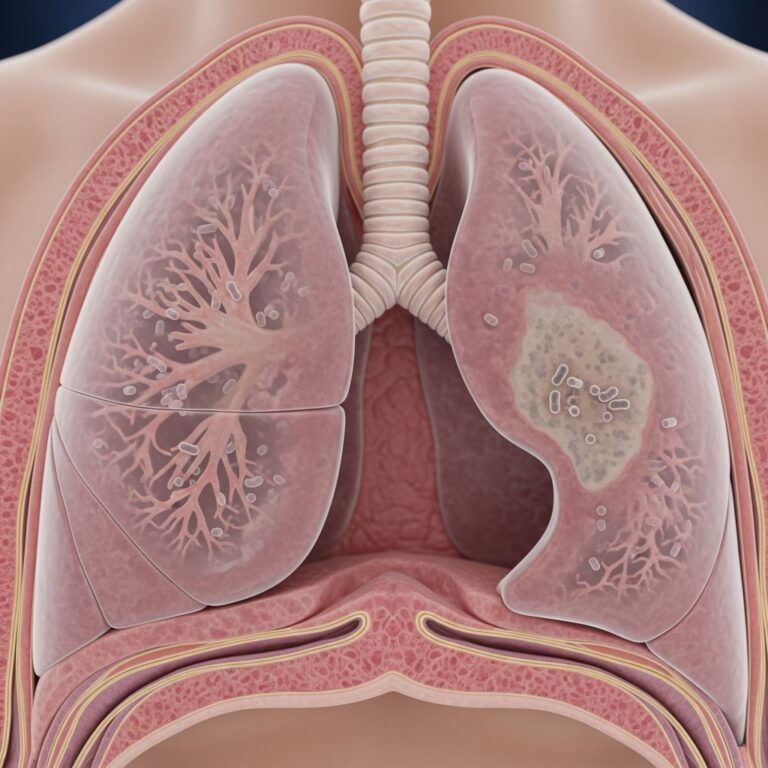
Asthma is a chronic inflammatory disease of the airways characterized by reversible airflow obstruction, airway hyperresponsiveness, and inflammation. When you have asthma, your airways are more sensitive than normal. Exposure to various triggers causes the muscles surrounding your airways to tighten, the airway lining to swell, and increased mucus production. These changes narrow the airways, restricting airflow and making breathing difficult.
The condition affects people of all ages, though it often begins in childhood. Some individuals experience asthma symptoms throughout their lives, while others may have periods of remission. Asthma can range from mild, affecting only a few days or weeks per month, to severe, causing daily symptoms and potentially life-threatening attacks.
Types of Asthma
Healthcare providers recognize several clinical phenotypes of asthma, each with distinct characteristics and treatment approaches:
Allergic Asthma is the most common type, triggered by exposure to allergens such as pollen, dust mites, pet dander, or mold. In this type, your immune system overreacts to harmless substances, causing inflammation and airway narrowing.
Nonallergic Asthma develops without an allergic trigger. Instead, it’s typically triggered by environmental factors such as air pollution, cold air, respiratory infections, or strong odors. This type can be more challenging to manage since triggers aren’t always obvious.
Adult-Onset (Late-Onset) Asthma develops in people who have never had asthma symptoms before. This type often emerges during adulthood and may be related to hormonal changes, workplace exposures, or other environmental factors.
Exercise-Induced Asthma occurs specifically during or after physical activity. Symptoms may include coughing, wheezing, and chest tightness during exercise or shortly thereafter. This type can often be managed with pre-treatment medications taken before physical activity.
Asthma with Persistent Airflow Limitation is characterized by airway obstruction that doesn’t fully resolve, even with treatment. This form of asthma requires more intensive management strategies.
Asthma with Obesity represents a growing phenotype where obesity contributes to asthma severity and complicates management. Weight management often plays an important role in improving symptoms in this group.
Common Causes and Triggers
While the exact cause of asthma remains unclear, researchers have identified numerous factors that can contribute to its development and trigger symptoms:
Related Stories



Environmental and Occupational Triggers: Exposure to workplace chemicals, irritants, or dust can trigger asthma symptoms. Occupational asthma develops as a direct result of workplace exposure and may improve when away from work.
Infections: Respiratory infections, particularly viral infections like the common cold or flu, are significant asthma triggers. Upper respiratory infections can cause airway inflammation and temporary worsening of asthma control.
Stress and Emotional Factors: Psychological stress, anxiety, and strong emotions can trigger asthma symptoms in some individuals. The connection between stress and asthma involves both direct airway effects and behavioral changes.
Smoking and Vaping: Exposure to tobacco smoke or vaping aerosol irritates the airways and worsens asthma control. For people with asthma, smoking significantly increases symptom frequency and severity.
Allergens: Common allergens include pollen, dust mites, pet dander, cockroaches, and mold. Allergic reactions trigger immune responses that lead to airway inflammation and narrowing.
Weather and Air Quality: Cold air, rapid temperature changes, and poor air quality from pollution or wildfires can all trigger asthma symptoms.
Medications: Some medications, particularly beta-blockers and nonsteroidal anti-inflammatory drugs (NSAIDs), can trigger or worsen asthma in susceptible individuals.
Food Additives: Sulfites and other food preservatives can trigger asthma symptoms in sensitive individuals.
Recognizing Asthma Symptoms
Asthma symptoms vary widely among individuals, ranging from barely noticeable to severe. Some people experience symptoms only occasionally, while others have them daily. Common symptoms include:
- Persistent coughing, especially when laughing, playing, or during exercise
- Wheezing—a whistling sound when breathing in or out
- Chest tightness or complaints of chest pain
- Shortness of breath or rapid breathing
- Fatigue, especially during or after physical activity
- Difficulty keeping up with peers during play or exercise
An asthma attack, or exacerbation, represents a sudden worsening of symptoms. During an attack, airways become severely narrowed, airway inflammation increases, and mucus production intensifies. Emergency warning signs include severe difficulty breathing, blue lips or fingernails, confusion, or inability to speak in full sentences. Seek immediate emergency care if these symptoms occur.
Asthma Severity Classification
Healthcare providers classify asthma severity based on the frequency of symptoms and the level of treatment required to control them:
| Severity Level | Day Symptoms | Night Symptoms | Required Treatment |
|---|---|---|---|
| Mild Intermittent | Few days per week or less | Few nights per month or less | As-needed rescue inhaler |
| Mild Persistent | More than 2 days per week | 3-4 nights per month | Daily low-dose controller medication |
| Moderate Persistent | Daily symptoms | More than 1 night per week | Daily controller medication plus rescue inhaler |
| Severe Persistent | Throughout the day | 7 nights per week | Multiple daily controller medications plus rescue inhaler |
Diagnosis and Testing
Diagnosing asthma involves a combination of medical history, symptom assessment, and specialized testing. Your healthcare provider will ask about your symptoms, family history, and any known triggers. They may also examine you and listen to your lungs with a stethoscope.
Spirometry is the primary lung function test used to diagnose asthma. This test measures how much air you can breathe in and out and how quickly you can empty your lungs. During spirometry, you’ll breathe into a tube connected to a machine called a spirometer, which records your breathing measurements.
Peak Flow Measurement uses a handheld device to measure the maximum speed at which you can exhale air. Regular peak flow monitoring helps track asthma control and identify early warning signs of worsening symptoms.
Exhaled Nitric Oxide (FeNO) Testing measures the level of nitric oxide in your breath. Elevated levels indicate airway inflammation and help confirm asthma diagnosis, particularly allergic asthma.
Bronchoprovocation Testing includes methacholine and mannitol tests, which assess airway hyperresponsiveness. During these tests, you inhale a substance that causes airways to narrow if you have asthma-sensitive airways.
Chest X-rays may be ordered to rule out other conditions or identify complications, though they’re not diagnostic for asthma.
Asthma Management and Treatment
Effective asthma management requires a comprehensive approach that combines medication, trigger avoidance, and self-monitoring. The goal of treatment is to control symptoms, prevent exacerbations, and help you maintain normal lung function and activity levels.
Medication Options
Controller Medications (Long-Term Preventive Therapy): These medications reduce inflammation and are taken daily to prevent symptoms. Inhaled corticosteroids are the most effective controller medications and are recommended as the first-line therapy for most asthma patients. They work by reducing inflammation in the airways, making them less responsive to triggers. Common inhaled corticosteroids include fluticasone, budesonide, and mometasone.
Long-Acting Beta-Agonists (LABA): These medications relax airway muscles and are typically combined with inhaled corticosteroids for moderate to severe asthma. The combination therapy provides superior control compared to either medication alone.
Combination Therapy: Modern guidelines recommend combination therapy with inhaled corticosteroids and long-acting beta-agonists for moderate or severe asthma. This approach is more effective than higher doses of single medications.
Rescue Medications (Quick-Relief Therapy): Short-acting beta-agonists (SABA), commonly known as rescue inhalers, provide rapid relief during asthma attacks by relaxing airway muscles and opening airways within minutes. The preferred agent for rescue therapy is now as-needed low-dose ICS-LABA (inhaled corticosteroid-long-acting beta-agonist combination), particularly budesonide-formoterol, which provides both immediate relief and anti-inflammatory benefits.
Biologic Therapies: For patients with moderate to severe asthma not controlled by standard therapies, biologic medications target specific immune system pathways. These include anti-IgE therapy, anti-Interleukin-5 therapies (mepolizumab, reslizumab, benralizumab), dupilumab (anti-IL-4 receptor), and tezepelumab (anti-TSLP therapy). These medications are typically prescribed by specialists for difficult-to-control asthma.
Allergen Immunotherapy: Allergy shots or sublingual tablets can help desensitize your immune system to specific allergens, potentially reducing asthma symptoms triggered by allergies.
Developing Your Asthma Action Plan
An asthma action plan is a personalized, written guide that spells out your asthma medications, triggers, and the specific steps to take during an asthma attack. This plan is organized by color-coded zones that help you understand what actions to take based on your symptoms:
Green Zone (Doing Well): You have no symptoms and can do your normal activities. Continue taking your daily controller medications as prescribed.
Yellow Zone (Caution): You’re experiencing mild to moderate symptoms such as increased coughing, wheezing, or chest tightness. Use your rescue inhaler and monitor symptoms closely. Contact your provider if symptoms don’t improve within 20-30 minutes or if they worsen.
Red Zone (Medical Emergency): You’re experiencing severe symptoms including severe difficulty breathing, chest pain, blue lips or fingernails, or inability to speak in full sentences. Use your rescue inhaler and seek immediate emergency medical care.
Trigger Management Strategies
Avoiding triggers is crucial for asthma control. Keep a diary of your symptoms and potential triggers to identify patterns. Common management strategies include:
- Reducing allergen exposure through HEPA filters, hypoallergenic bedding, and regular cleaning
- Avoiding smoke, vaping, and air pollution
- Managing stress through relaxation techniques and exercise
- Taking precautions before exercising with pre-treatment medication if needed
- Promptly treating respiratory infections
- Maintaining good indoor air quality
- Using medications to manage reflux disease if present
Specialized Treatments for Severe Asthma
For patients with refractory or poorly-controlled asthma, advanced specialists offer innovative diagnostic and treatment approaches. Bronchial thermoplasty is a minimally invasive procedure that uses radiofrequency energy to reduce the contractility of airway smooth muscle, decreasing airway responsiveness. Aspirin desensitization is used to help patients with aspirin-exacerbated respiratory disease develop tolerance to aspirin and similar drugs. Specialized testing such as measurement of inflammatory biomarkers in exhaled breath and bronchoscopic evaluation can identify underlying causes of difficult-to-control asthma.
Living Well with Asthma
Most people with asthma can enjoy normal lives when their condition is properly managed. Regular follow-up appointments with your healthcare provider ensure your treatment plan remains effective. Update your action plan at each visit as symptoms or triggers may change. Carry your rescue inhaler and action plan with you at all times, and consider wearing a medical alert bracelet. Teaching family members, teachers, and caregivers about your asthma helps ensure proper support during emergencies.
Frequently Asked Questions About Asthma
Q: Can asthma be cured?
A: While there is no cure for asthma, it can be effectively managed with proper medication, trigger avoidance, and an asthma action plan. Many people experience long periods of symptom-free living with appropriate treatment.
Q: Is asthma life-threatening?
A: Severe asthma attacks can be life-threatening and require emergency medical care. However, with proper management and treatment, most asthma-related deaths are preventable. Always have a rescue inhaler available and know when to seek emergency care.
Q: Can children outgrow asthma?
A: Some children experience remission of asthma symptoms as they grow older, though asthma can reappear later in life. Others maintain asthma into adulthood. Each case is individual, and your healthcare provider can discuss your child’s specific situation.
Q: Is it safe to exercise with asthma?
A: Yes, exercise is important for overall health and can actually improve asthma control when managed properly. Pre-treatment with rescue medication before exercise prevents symptoms in most people with exercise-induced asthma.
Q: How often should I see my healthcare provider?
A: After initial diagnosis, most people should see their provider every 2-4 weeks until asthma is controlled. Once controlled, follow-up appointments typically occur every 1-6 months depending on severity and control level.
Q: Can allergies cause asthma?
A: While allergies don’t directly cause asthma, they can trigger asthma symptoms in people with allergic asthma. Treating underlying allergies often helps improve asthma control.
References
- Asthma: Types, Causes, Symptoms, Diagnosis & Treatment — Cleveland Clinic. 2024. https://my.clevelandclinic.org/health/diseases/6424-asthma
- Outpatient management of asthma in adults: A snapshot of the 2020 GINA guidelines — Cleveland Clinic Journal of Medicine. 2021. https://www.ccjm.org/content/88/7/377
- Managing adult asthma: The 2019 GINA guidelines — Cleveland Clinic Journal of Medicine. 2019. https://www.ccjm.org/content/87/9/569
- Your Guide To Creating an Asthma Action Plan — Cleveland Clinic. 2024. https://health.clevelandclinic.org/asthma-action-plan
- Asthma Center Services — Cleveland Clinic Respiratory Institute. 2024. https://my.clevelandclinic.org/departments/respiratory/depts/asthma
- Global Strategy for Asthma Management and Prevention — Global Initiative for Asthma (GINA). 2024. https://ginasthma.org
Similar Articles








Read full bio of medha deb