Astragalus: Traditional Herb Uses and Health Benefits
Discover astragalus, a traditional Chinese herb with immune-boosting and wellness-supporting properties.
What Is Astragalus?
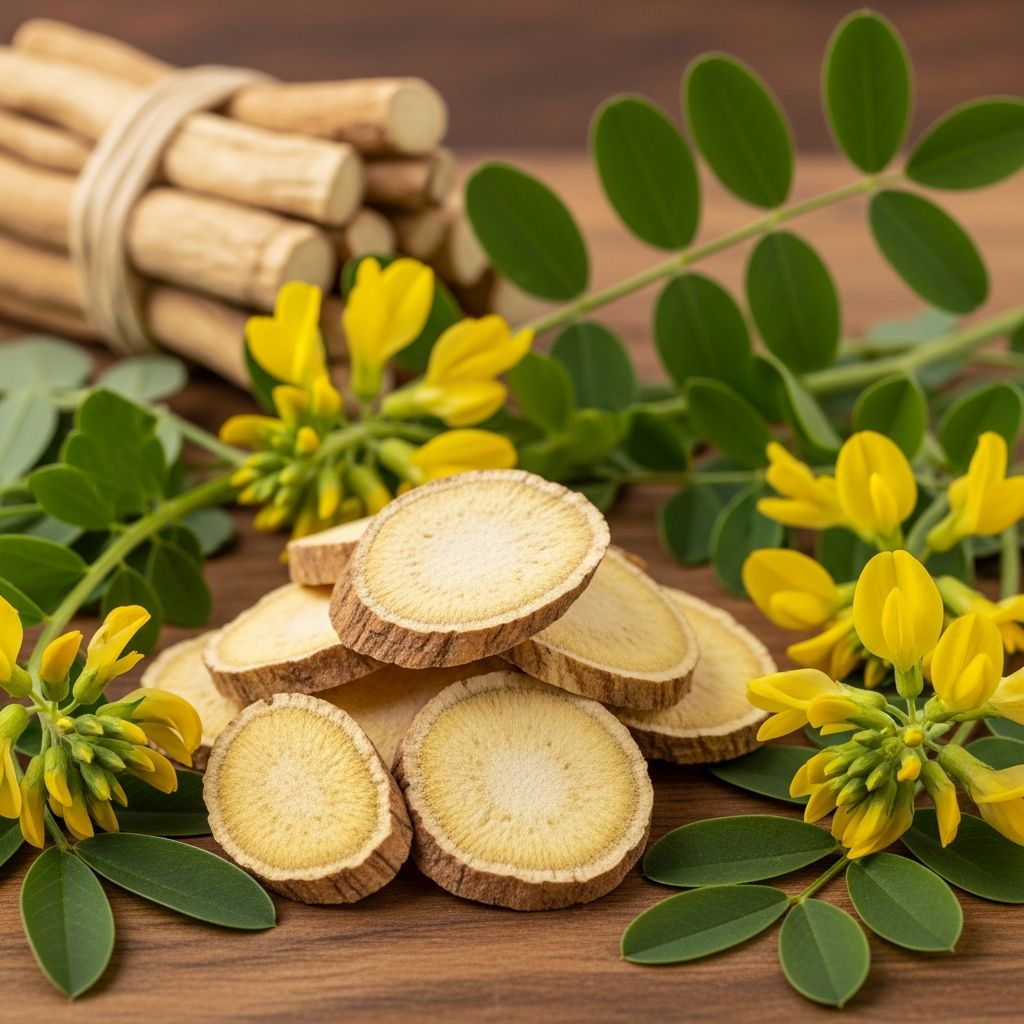
Astragalus, also known as Huáng Qí in Chinese, is a plant that has been used for centuries in traditional Chinese medicine as a general tonic and natural remedy for various health conditions. The root of the astragalus plant is the primary part used medicinally and is processed into multiple supplement forms to maximize its therapeutic potential. This versatile herb is available as liquid extracts, capsules, powders, and teas, making it accessible to a wide range of users seeking natural health support.
In traditional Chinese medicine, astragalus is valued for its ability to strengthen the primary energy of the body, known as qi (pronounced “chee”), as well as supporting metabolic, respiratory, and eliminative functions. The herb is believed to enhance various organ systems, particularly the spleen and blood, which are considered vital to overall health and vitality in traditional medical systems. Modern scientific research has begun to validate many of these traditional uses by identifying the active plant compounds responsible for astragalus’s potential therapeutic effects.
Active Compounds and How Astragalus Works
The root of astragalus contains numerous active plant compounds that researchers believe are responsible for its potential health benefits. These bioactive constituents include flavonoids, polysaccharides, and other phytochemical compounds that work synergistically within the body. The primary mechanisms through which astragalus is thought to exert its effects include enhancing immune function, reducing inflammation, and supporting various physiological processes.
Astragalus is available in several forms to accommodate different preferences and therapeutic needs. Patients in hospital settings may receive astragalus as an intravenous injection or IV treatment for more acute conditions, while most individuals use oral supplements at home for preventive and maintenance purposes. The flexibility in delivery methods allows for both immediate therapeutic interventions and long-term wellness support.
Key Health Benefits of Astragalus
Immune System Support
One of the most well-documented uses of astragalus is its potential to boost immune system function. As an adaptogen, astragalus can stimulate a depressed or burdened immune system, particularly when chronic stress, caffeine consumption, sugar intake, or alcohol use have suppressed immune function. Research suggests that astragalus may increase the body’s production of white blood cells, which are the immune system cells responsible for preventing illness and protecting against harmful invaders including bacteria, germs, and viruses.
The herb appears to jumpstart various immune cells and their functions, causing white blood cells to circulate more effectively throughout the body to mitigate health threats. Studies have shown that astragalus demonstrates immunomodulatory effects, with oral treatment for six weeks enhancing immune function by ameliorating reduced spleen cell proliferation and balancing abnormal cytokine levels in chronic fatigue conditions. While more research is needed, evidence suggests that supplementing with astragalus could help protect against common colds and seasonal illnesses by strengthening overall immune function.
Heart Health and Cardiovascular Function
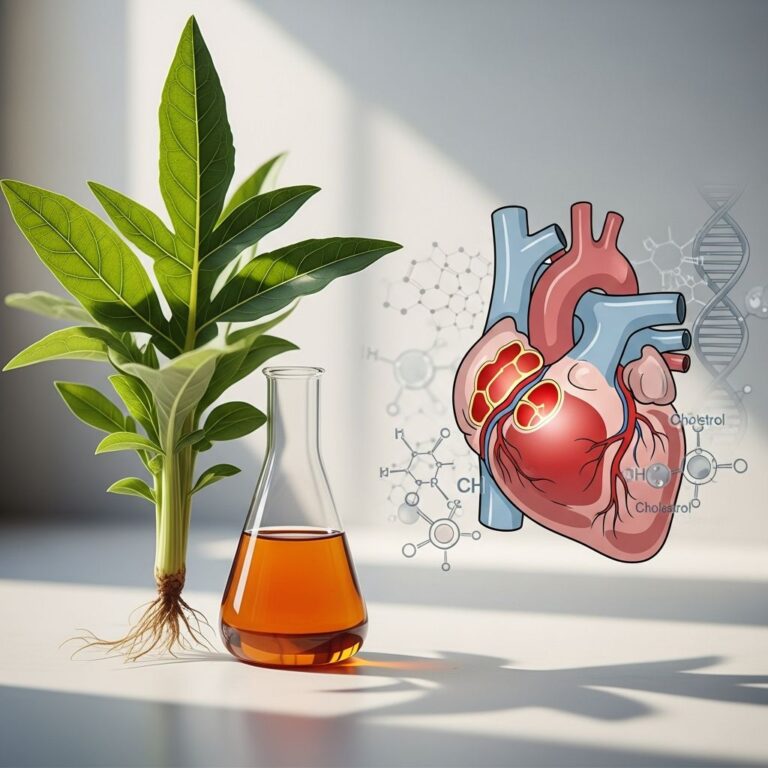
Astragalus may help improve heart function in individuals with certain cardiovascular conditions. The herb is thought to work by widening blood vessels and increasing the amount of blood pumped from the heart, thereby improving circulation and cardiac output. In clinical studies, patients with heart failure who were given 2.25 grams of astragalus twice daily for two weeks, along with conventional treatment, experienced greater improvements in heart function compared to those receiving standard treatment alone.
Beyond acute heart failure, astragalus has been traditionally used to support cardiovascular health and is increasingly being studied for its potential effects on conditions such as atherosclerosis and hypertension. The anti-inflammatory and antioxidant properties of astragalus may contribute to its cardiovascular benefits by reducing oxidative stress and inflammatory markers in the bloodstream.
Related Stories



Blood Sugar Management and Diabetes Support
The active compounds in astragalus root may help lower blood sugar levels in individuals with type 2 diabetes. In fact, astragalus has been identified as the most frequently prescribed herb for diabetes management in China, reflecting its traditional and contemporary importance in glucose regulation. An analysis of 13 studies on the effects of astragalus on people with type 2 diabetes reported that the herb lowered high blood sugar when taken daily at a dose of around 50 mg.
Modern research has identified specific plant compounds in astragalus, such as flavonoids and polysaccharides, that are responsible for its effects on blood sugar regulation. These medicinal molecules improve insulin sensitivity, helping to regulate and normalize blood glucose levels through enhanced metabolic function. Animal studies have demonstrated that astragalus improves sugar metabolism and reduces blood sugar levels, supporting the traditional use of this herb for diabetes management.
Kidney Function and Protection
Astragalus has demonstrated effectiveness in supporting kidney health and protecting renal function in individuals with kidney disease. The herb has been shown to improve proteinuria, which is the presence of excessive protein in the urine—a key indicator of kidney dysfunction. In individuals with chronic kidney disease characterized by kidney damage that affects the ability to filter waste, astragalus root supplementation has been found to improve overall kidney function.
Research has also indicated that astragalus may help prevent infections in people with reduced kidney function. For example, 7.5–15 grams of astragalus taken daily for three to six months reduced the risk of infection by 38% in people with nephrotic syndrome, a kidney disorder characterized by significant protein loss. These findings suggest that astragalus provides dual benefits for kidney health through both functional improvement and infection prevention.
Chemotherapy Side Effect Management
One of the most promising applications of astragalus in clinical settings is its potential to alleviate the negative side effects associated with chemotherapy treatments. Cancer patients undergoing chemotherapy often experience debilitating side effects that significantly impact their quality of life and treatment tolerance. According to clinical studies, astragalus given by intravenous administration has demonstrated remarkable efficacy in reducing several common chemotherapy-related symptoms, including nausea reduction by 36%, vomiting reduction by 50%, and diarrhea reduction by 59%.
In another study involving 136 patients with advanced non-small-cell lung cancer, astragalus polysaccharide injection integrated with conventional chemotherapy agents was able to decrease fatigue, nausea, vomiting, pain, and loss of appetite. These findings suggest that astragalus could serve as a valuable complementary therapy to improve treatment tolerance and quality of life in cancer patients.
Chronic Fatigue Syndrome Support
Some evidence indicates that astragalus may help improve tiredness and fatigue in people with chronic fatigue syndrome, particularly when combined with other herbal supplements. Oral treatment with astragalus for six weeks has been shown to enhance immune function in chronic fatigue conditions by ameliorating reduced spleen cell proliferation and balancing abnormal cytokine levels, which may contribute to reduced fatigue symptoms.
Seasonal Allergy Relief
Though studies on astragalus for seasonal allergies remain limited, preliminary clinical evidence is encouraging. One clinical study found that 160 mg of astragalus twice daily may reduce sneezing and runny nose in individuals with seasonal allergies. The herb’s anti-inflammatory properties likely contribute to its potential benefits for allergic responses, though more research is needed to establish definitive efficacy and optimal dosing protocols.
Anti-Cancer and Anticancer Properties
In test-tube studies, astragalus has demonstrated the ability to promote apoptosis, or programmed cell death, in various types of cancer cells. Additionally, astragalus polysaccharides have been shown to inhibit tumor proliferation and promote cancer cell apoptosis in a dose and time-dependent manner through multiple molecular pathways. These laboratory findings suggest potential anti-cancer applications, though clinical studies in human subjects are still needed to establish efficacy and determine appropriate therapeutic protocols.
Safety and Dosage Recommendations
Astragalus is generally considered safe for most people, with rare and mild side effects reported in the medical literature. However, appropriate dosing and precautions are important considerations for safe supplementation. Research suggests that up to 60 grams daily for up to four months appears to be safe for most healthy individuals. Typical supplemental doses for general immune support range around 50 mg daily, though therapeutic doses for specific conditions may vary.
It is important to note that astragalus is more effective for preventative use when one is healthy rather than during the early stages of an active infection, according to traditional practice. Individuals should consult with their healthcare provider before starting astragalus supplements, particularly those with existing health conditions, women who are pregnant or nursing, or those taking medications that may interact with herbal supplements.
Special Considerations and Cautions
While astragalus is generally well-tolerated, certain precautions should be observed. Individuals with autoimmune conditions should exercise caution, as some research suggests astragalus may stimulate immune function in ways that could potentially exacerbate autoimmune diseases, though other studies indicate it may help slow disease progression. Additionally, individuals taking immunosuppressant medications should consult their healthcare provider before using astragalus.
Women who are pregnant or nursing should seek medical advice before using astragalus supplements, as safety data in these populations is limited. Similarly, individuals with active infections or those scheduled for surgery should discuss astragalus use with their medical team, as the herb’s immune-stimulating effects may interfere with certain medical treatments or conditions.
Traditional Uses in Chinese Medicine
In traditional Chinese medicine, astragalus holds a significant place as a foundational tonic herb used to strengthen the body’s primary energy and support overall wellness. The herb is traditionally used to strengthen organs such as the spleen, blood, and qi, the body’s vital energy force. In this traditional framework, astragalus is often combined with other herbs to enhance therapeutic effects and create synergistic formulations tailored to individual health needs.
The traditional approach emphasizes astragalus as a preventative wellness tonic rather than an acute treatment, reflecting the philosophical orientation of Chinese medicine toward prevention and maintenance of health. This preventative approach contrasts with some Western uses where astragalus is sometimes taken at the first signs of illness, though traditional practitioners generally recommend it for ongoing support in healthy individuals.
Frequently Asked Questions
Q: What forms of astragalus are available?
A: Astragalus is available in multiple forms including liquid extracts, capsules, powders, and teas. In clinical settings, it may also be administered as an intravenous injection. The choice of form depends on individual preferences and the specific health condition being addressed.
Q: How long does it take for astragalus to work?
A: The timeline for experiencing astragalus benefits varies depending on the individual and the specific condition. For immune support, some effects may be noticed within several weeks, while chronic conditions may require longer-term supplementation of several months for optimal results.
Q: Can astragalus be taken with other medications?
A: Astragalus may interact with certain medications, particularly immunosuppressants and blood pressure medications. It is essential to consult with your healthcare provider or pharmacist before combining astragalus with any medications to ensure safety and prevent adverse interactions.
Q: Is astragalus safe for children?
A: While astragalus is generally considered safe, limited safety data exists for children. Parents should consult with a pediatrician before giving astragalus supplements to children to determine appropriate dosing and safety.
Q: What is the recommended dosage for astragalus?
A: While no universal dosage recommendation exists, research suggests that up to 60 grams daily for up to four months appears safe for most people. Typical doses for immune support range from 50 mg daily, though specific conditions may require different dosing protocols. Always consult a healthcare provider for personalized recommendations.
References
- Astragalus — Healthline. 2024. https://www.healthline.com/nutrition/astragalus
- Astragalus as a Dietary Supplement — EBSCO Research Starters. 2024. https://www.ebsco.com/research-starters/nutrition-and-dietetics/astragalus-dietary-supplement
- Anti-Aging Implications of Astragalus Membranaceus (Huangqi) — National Institutes of Health. 2018. https://pmc.ncbi.nlm.nih.gov/articles/PMC5758356/
- 8 Amazing Benefits of Astragalus Root According to Scientific Studies — SciTechDaily. 2024. https://scitechdaily.com/8-amazing-benefits-of-astragalus-root-according-to-scientific-studies/
- Astragalus — LiverTox, National Institutes of Health. 2024. https://www.ncbi.nlm.nih.gov/books/NBK548582/
Similar Articles








Read full bio of medha deb