Asystole: Causes, Symptoms, Treatment & Outlook
Understanding asystole: A life-threatening cardiac emergency requiring immediate CPR intervention.
What Is Asystole?
Asystole is a critical cardiac condition in which the heart completely stops beating and produces no electrical activity. During asystole, the heart fails to generate any organized electrical impulses, resulting in the absence of a heartbeat and cessation of blood circulation throughout the body. This condition represents one of the most severe forms of cardiac arrest and constitutes a medical emergency requiring immediate intervention.
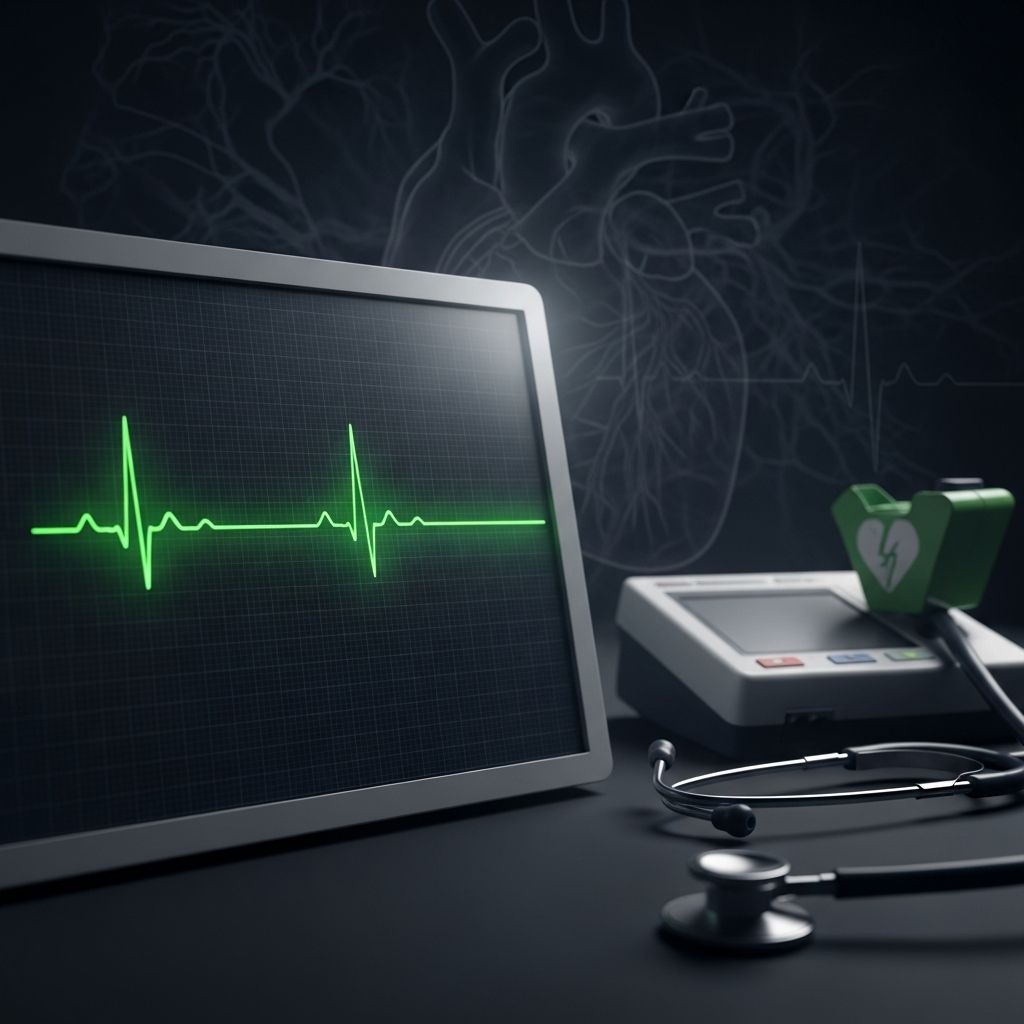
When asystole occurs, the heart’s ability to pump blood ceases entirely, depriving vital organs of oxygen. Without prompt and effective treatment, asystole rapidly leads to irreversible brain damage and death. The condition is often described as a “flatline” pattern on an electrocardiogram (ECG), where no recognizable heart rhythm appears on the monitor.
Causes of Asystole
Asystole can result from various underlying conditions and circumstances that compromise the heart’s electrical and mechanical function. Understanding these causes is essential for prevention and early recognition of at-risk individuals.
Cardiac-Related Causes
The most common causes of asystole include severe coronary artery disease, myocardial infarction (heart attack), and advanced heart failure. Severe arrhythmias that deteriorate into asystole can also trigger this condition. Additionally, severe cardiomyopathy, where the heart muscle becomes weakened and enlarged, significantly increases asystole risk.
Non-Cardiac Causes
Asystole can also result from conditions outside the heart itself. Severe hypoxia (lack of oxygen), profound hypothermia, electrolyte imbalances—particularly severe hyperkalemia or hypokalemia—and massive blood loss can all lead to asystole. Severe acidosis, drug overdoses, and anaphylaxis represent additional non-cardiac triggers. Tension pneumothorax and tamponade can physically prevent the heart from functioning properly, ultimately resulting in asystole.
Procedural and Traumatic Causes
Asystole may occur during medical procedures, particularly during anesthesia administration or invasive cardiac interventions. Severe trauma, especially blunt chest trauma, can also precipitate asystole. Additionally, prolonged hypotension and inadequate cerebral perfusion can eventually lead to this terminal rhythm.
Symptoms and Signs of Asystole
Asystole presents with sudden and dramatic symptoms that reflect the complete cessation of cardiac function. Recognition of these signs is crucial for initiating emergency response.
Primary Symptoms
Individuals experiencing asystole exhibit sudden loss of consciousness, as the brain is immediately deprived of oxygenated blood. An absent pulse is the hallmark finding—no pulse can be palpated at the carotid or femoral arteries. Abnormal or completely absent breathing occurs as respiratory drive depends on adequate cerebral perfusion. The skin typically becomes pale or cyanotic (bluish) due to poor circulation.
Physical Examination Findings
During physical examination, healthcare providers find no detectable blood pressure, dilated pupils unresponsive to light, and absence of spontaneous movement or response to stimuli. The patient appears completely unresponsive and limp.
Related Stories



Diagnosis of Asystole
Rapid and accurate diagnosis of asystole is essential for initiating appropriate treatment. Multiple diagnostic methods are employed to confirm this condition.
Electrocardiogram (ECG)
The ECG remains the primary diagnostic tool for asystole, demonstrating a characteristic flatline pattern with no recognizable electrical activity. The monitor shows complete absence of P waves, QRS complexes, and T waves. A 12-lead ECG provides additional confirmation and helps rule out other rhythms that may appear similar at first glance.
Automated External Defibrillator (AED)
An AED can rapidly analyze heart rhythm and confirm asystole by detecting absent electrical activity. Modern AEDs display messages indicating that “no shock is advised” when asystole is present, as defibrillation is ineffective for this rhythm.
Additional Diagnostic Tests
Healthcare professionals may perform arterial blood gas analysis to assess oxygen and carbon dioxide levels and acid-base status. Serum potassium and other electrolyte measurements help identify reversible causes. An echocardiogram documents the presence or absence of cardiac wall motion, confirming that the heart is not contracting. Chest X-rays may reveal pneumothorax or other reversible causes.
Treatment of Asystole
Treatment for asystole focuses on providing high-quality cardiopulmonary resuscitation (CPR), identifying and addressing reversible causes, and administering appropriate medications. Defibrillation is not indicated for asystole, as the heart has no electrical activity to interrupt.
High-Quality CPR
High-quality CPR forms the cornerstone of asystole treatment. CPR maintains blood flow and oxygen delivery to vital organs through chest compressions and rescue breaths. Research demonstrates that high-quality CPR initiated early significantly improves survival chances and neurological outcomes.
Proper CPR technique includes:
- Compression rate of 100-120 compressions per minute
- Compression depth of at least 50 millimeters (2 inches)
- Full chest recoil after each compression
- Minimal interruptions in chest compressions
- Effective rescue breaths if trained to provide them
Bystanders should initiate CPR immediately while awaiting arrival of emergency medical personnel. Early CPR significantly improves survival rates, and training in CPR should be encouraged throughout the community.
Epinephrine Administration
Epinephrine (adrenaline) is administered intravenously every 3 to 5 minutes during CPR resuscitation efforts. The typical recommended dose is 1 milligram every 3 to 5 minutes. Epinephrine increases coronary perfusion pressure and enhances the likelihood of return of spontaneous circulation (ROSC) by stimulating cardiac contractility and increasing blood pressure.
However, epinephrine administration should never delay the initiation or continuation of CPR. High-quality chest compressions remain the priority, with epinephrine serving as an essential adjunct to support resuscitative efforts.
Addressing Reversible Causes
The “H’s and T’s” mnemonic guides providers in identifying potentially reversible causes of asystole:
- H’s: Hypoxia, hypovolemia, hypothermia, hyperkalemia/hypokalemia, hydrogen ions (acidosis), hypoglycemia
- T’s: Tension pneumothorax, tamponade (cardiac), thrombosis (coronary or pulmonary), toxins, thromboembolism
If a reversible cause is identified—such as severe hyperkalemia—specific treatment for that underlying condition must be initiated immediately. For example, if drug toxicity caused asystole, the offending medication must be discontinued and supportive care provided.
Airway Management
Once asystole is confirmed and resuscitation begins, securing an airway becomes essential. Healthcare providers may insert an endotracheal tube to protect the airway and facilitate oxygen delivery. High-flow oxygen should be provided to maximize oxygenation of circulating blood.
Return of Spontaneous Circulation (ROSC)
If efforts successfully restore a perfusing rhythm and ROSC is achieved, post-resuscitation care becomes critical. This includes airway management with endotracheal intubation, oxygen titration to maintain appropriate oxygenation levels, blood pressure support with vasopressors if needed, and therapeutic hypothermia or targeted temperature management to improve neurological outcomes.
Complications and Long-Term Outcomes
Asystole carries significant risks for serious complications and poor outcomes. Permanent neurological impairment frequently occurs due to prolonged cerebral oxygen deprivation. Organ damage affecting the kidneys, liver, and other vital organs results from inadequate perfusion during arrest. CPR itself can cause rib fractures, pneumothorax, or internal injuries.
If asystole persists for 15 or more minutes without restoration of heart rhythm, the brain typically suffers irreversible damage leading to brain death. Survival rates from asystole remain historically poor, with most studies reporting survival to hospital discharge rates below 2 percent, even with prompt, high-quality CPR and appropriate medications.
However, outcomes vary based on the underlying cause, duration of asystole, quality of CPR provided, and patient factors such as age and comorbidities. Patients who survive asystole may experience long-term cognitive impairment, motor deficits, or persistent cardiac dysfunction requiring ongoing management.
Prevention Strategies
While asystole cannot always be prevented, several strategies reduce risk and improve outcomes if it occurs:
Management of Underlying Conditions
Careful management of cardiac risk factors—including hypertension, diabetes, high cholesterol, and coronary artery disease—reduces the likelihood of cardiac events that could lead to asystole. Regular medical checkups, appropriate medication adherence, and monitoring for arrhythmias are essential.
Heart-Healthy Lifestyle
Adopting a heart-healthy lifestyle that includes regular physical activity, a balanced diet low in sodium and saturated fats, smoking cessation, and stress management supports cardiac health. Maintaining appropriate body weight and limiting alcohol consumption further protect cardiac function.
CPR Training and AED Access
Community-wide CPR training ensures that bystanders can respond effectively if cardiac arrest occurs. Public access to automated external defibrillators in schools, workplaces, and public facilities enables rapid defibrillation for shockable rhythms. While AEDs cannot treat asystole directly, they can help identify the rhythm and guide appropriate response.
Emergency Preparedness
Quick activation of emergency medical services is critical. Immediate recognition of cardiac arrest symptoms and rapid calls to emergency services can reduce time to advanced care. Some communities benefit from public awareness campaigns about cardiac arrest signs and the importance of early CPR.
Role of Healthcare Providers
Multiple healthcare professionals play essential roles in asystole management. Emergency medicine physicians and cardiologists lead resuscitation efforts and direct treatment decisions. Nurses monitor vital signs, administer medications, and perform ongoing assessments. Paramedics and emergency medical technicians initiate pre-hospital CPR and transport patients to appropriate facilities.
Respiratory therapists manage airway and ventilation. Pharmacists ensure appropriate medication preparation and administration. Critical care teams provide post-resuscitation care in intensive care units. Each team member contributes essential expertise to maximize survival chances and optimize outcomes for asystole patients.
Patient and Family Education
Education plays a crucial role in asystole prevention and response. Patients with cardiac risk factors should understand warning signs of heart disease and when to seek medical attention. Family members of at-risk individuals should learn CPR and understand that early, high-quality CPR without interruption significantly improves survival chances.
Patients should understand the importance of medication adherence, regular medical monitoring, and lifestyle modifications. Those with implantable cardioverter-defibrillators or pacemakers need education about device function and when to seek emergent care.
Frequently Asked Questions
Q: Can CPR bring someone back from asystole?
A: CPR is the primary treatment for asystole and may potentially convert it into a shockable rhythm that responds to defibrillation. However, asystole itself cannot be treated with defibrillation. High-quality CPR with appropriate medications offers the best chance of restoring heart rhythm, though survival rates remain low. Early initiation of CPR by bystanders significantly improves outcomes.
Q: Why is defibrillation not used for asystole?
A: Defibrillation works by interrupting disorganized electrical activity (like ventricular fibrillation) to allow the heart’s natural pacemaker to resume control. In asystole, no electrical activity exists to interrupt, making defibrillation ineffective and potentially harmful. Instead, CPR and medications focus on restarting electrical activity.
Q: What is the difference between asystole and other cardiac arrest rhythms?
A: Asystole represents the complete absence of electrical activity (flatline on ECG). Ventricular fibrillation shows chaotic, disorganized electrical activity and may respond to defibrillation. Pulseless electrical activity shows organized electrical activity on the monitor but produces no detectable pulse. Each rhythm requires different treatment approaches.
Q: What is the survival rate for asystole?
A: Survival rates from asystole remain low, typically below 2 percent to hospital discharge in most studies. Outcomes depend on the underlying cause, duration of asystole, quality of CPR, response time of emergency services, and patient factors including age and health status. Early recognition and intervention are crucial for any chance of survival.
Q: How long can the brain survive without oxygen during asystole?
A: The brain can tolerate only 4 to 6 minutes without oxygen before permanent damage begins. After approximately 15 minutes of asystole without restoration of circulation, irreversible brain death typically occurs. This underscores the critical importance of immediate CPR initiation.
Q: What should bystanders do if they encounter someone in asystole?
A: Bystanders should immediately call emergency services, begin high-quality CPR with chest compressions at 100-120 per minute and a depth of at least 2 inches, and obtain an AED if available. They should continue CPR without interruption until emergency medical personnel arrive or a spontaneous pulse returns. CPR training through organizations like the American Heart Association provides essential skills for this life-saving response.
References
- Cardiac Arrest (Sudden Cardiac Arrest): Causes, Symptoms & Treatment — Cleveland Clinic. 2024. https://my.clevelandclinic.org/health/diseases/21736-cardiac-arrest
- Guidelines for Cardiopulmonary Resuscitation and Emergency Cardiovascular Care — American Heart Association. 2024. https://www.heart.org/en/cpr
- Asystole: Diagnosis & Disease Information — The Cardiology Advisor. 2024. https://www.thecardiologyadvisor.com/ddi/asystole/
- Pulseless Electrical Activity (PEA): Causes and Treatment — Cleveland Clinic. 2024. https://my.clevelandclinic.org/health/diseases/21736-cardiac-arrest
- Agonal Rhythm: About, Causes & End of Life — Cleveland Clinic. 2024. https://my.clevelandclinic.org/health/articles/22937-agonal-rhythm
- Sudden Cardiac Arrest Survival and Neurological Outcomes — Journal of the American Medical Association. 2023. https://pubmed.ncbi.nlm.nih.gov/
Similar Articles








Read full bio of medha deb